JaJa Review: The Motorcycle Manga That Ran Hard Because Standing Still Wasn't an Option
by Mio Murao
Read the first volume. If it doesn't hook you, put it down. It'll hook you.
Buy JaJa on Amazon →*Affiliate link — I earn a small commission at no extra cost to you.
Some manga are about the sport. Some are about the machines. JaJa was about both, and the difference between them was small.
Quick Take
- Mio Murao's 17-volume motorcycle manga from Monthly Comic Ryu — Ena's deep engagement with vintage bikes and the culture around them
- A subject treated with the technical depth that car/bike manga readers expect from the genre's best
- Combines mechanical specificity with character drama in the way only mature genre work manages
Who Is This Manga For?
- Motorcycle enthusiasts who want a manga that takes the machines seriously
- Mio Murao readers who enjoy his approach to mechanical subjects
- Vintage culture fans who want any aspect of vintage culture treated with respect
- Anyone who has loved a machine enough to learn its inner workings
Content Warnings & Age Rating
Age Rating: T (Teen) Content Warnings: Motorcycle accidents, mechanical work, occasional racing intensity.
Suitable for most readers.
Yu's Rating
| Category | Score |
|---|---|
| Story Depth | ★★★★☆ |
| Art Style | ★★★★☆ |
| Character Development | ★★★★☆ |
| Accessibility for Non-Japanese Readers | ★★★☆☆ |
| Reread Value | ★★★★☆ |
Story Overview
Ena is a young woman whose love of vintage motorcycles took her from enthusiast to apprentice to participant in the broader culture of restoration, racing, and the bike community. The series follows her engagement with this world: the technical work of bringing old bikes back to life, the character of the people she meets in the field, the events and gatherings where vintage bike culture lives.
The structure is episodic rather than tournament-driven, which suits the subject. Each arc focuses on a particular bike, a particular event, or a particular character whose story intersects Ena's. The mechanical detail is depicted with the kind of accuracy that genre devotees notice and demand — Murao clearly knows the subject and respects readers who do too.
What makes the series satisfying is the integration of technical and personal subjects. The bikes have characters because their owners have characters; the restorations matter because they are about people as much as about machines. Across 17 volumes the world becomes a real community.
Characters
Ena: A protagonist whose competence and passion are equally important — her growth across the series is into the role she has chosen rather than into a different role.
The mechanics, racers, and collectors: Each rendered with the specificity that respect for the subject requires.
Art Style
Murao's art combines clean character work with detailed mechanical rendering — bikes are drawn with the precision that vintage-vehicle culture demands. Action sequences during racing or test rides communicate motion convincingly.
Cultural Context
JaJa ran in Monthly Comic Ryu, which has hosted various technically detailed seinen series. The motorcycle-manga tradition in Japan is strong (Bakuon!!, Yowamushi Pedal cousins, others) but JaJa's vintage focus is distinctive — most bike manga focus on contemporary machines.
Vintage motorcycle culture has international resonance, and the manga's specific focus on this subculture distinguishes it within the broader bike-manga category.
What I Love About It
I love that the bikes have personalities.
Murao treats individual bikes the way another writer might treat individual characters. Each restoration has its own arc, its own complications, its own resolution. The reader comes to care about the machine as if it were a person — which is, after all, how genuine motorcycle enthusiasts experience their bikes. The manga's respect for that emotional reality is its core integrity.
What English-Speaking Fans Say
Limited international audience without translation. Among motorcycle enthusiasts familiar with it through fan translation, recognized as one of the most knowledgeable bike manga in the medium.
Memorable Scene ⚠️ Spoiler Warning
A restoration completion where the bike's first start after rebuilding carries the weight of the months of work that produced it — and the recognition by everyone present that what has been brought back to life is not just a machine. The scene exemplifies the series' thesis.
Similar Manga
| Title | Its Approach | How JaJa Differs |
|---|---|---|
| Bakuon!! | Contemporary motorcycle club comedy | JaJa is vintage-focused and more dramatically serious |
| Initial D | Street racing with car focus | Different vehicle focus but shared technical-detail commitment |
| Capeta | Karting career narrative | JaJa is about motorcycles and emphasizes culture over career |
Reading Order / Where to Start
Volume 1. The world establishes early.
Official English Translation Status
JaJa has no official English translation.
Pros & Cons
Pros
- Among the most technically knowledgeable motorcycle manga
- Vintage focus is distinctive in the genre
- Character work supports the technical content rather than competing with it
- Complete at 17 volumes
Cons
- No English translation
- Vintage motorcycle context requires interest
- Episodic structure limits sustained character arc
- Niche subject narrows audience
Is JaJa Worth Reading?
For motorcycle enthusiasts and readers who appreciate genre work that respects its specialized subject, yes — this is among the most knowledgeable bike manga in the medium. For readers without interest in vintage motorcycles, the niche may feel narrow. As specialized genre work, it's exemplary.
Format Comparison
| Format | Notes |
|---|---|
| Physical | Japanese editions available |
| Digital | Available in Japanese |
| Omnibus | Collected editions available |
Where to Buy
No English release yet. That just means you find it before everyone else does.
*Affiliate link — I earn a small commission at no extra cost to you.
More Manga You Might Like
Sports / Drama
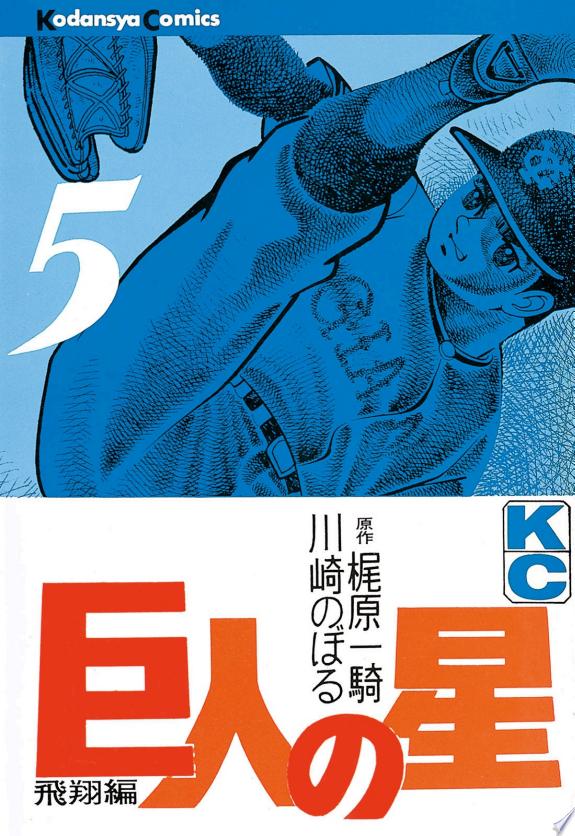
Kyojin no Hoshi
Kyojin no Hoshi follows Hyuma Hoshi, whose father — a former baseball player who never achieved his dream — has raised him from childhood to be a star pitcher for the Yomiuri Giants, through training that borders on abuse and produces a player who may be the greatest — at tremendous personal cost.
Sports / Drama
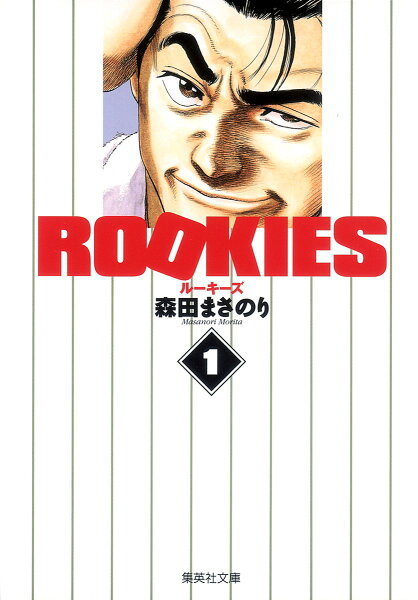
Rookies
Rookies follows Koichi Kawato, a young teacher transferred to Futakotamagawa High School who discovers a baseball club suspended after a violent incident — and decides, against all institutional advice, to coach them back to the Koshien.
Sports / Drama
Ping Pong
Yu's review of Ping Pong — two high school table tennis players, one a prodigy who loves the game and one who hates to lose, move toward a tournament while the manga asks what it means to devote yourself to something.
Sports / Drama
Kamigami no Itadaki
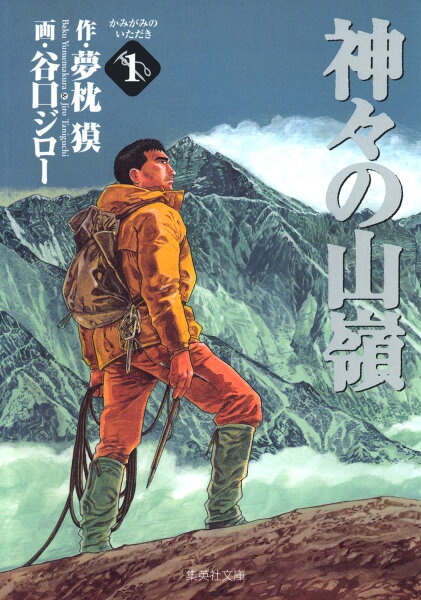
Kamigami no Itadaki is Jiro Taniguchi's 5-volume adaptation of Baku Yumemakura's mountaineering novel — Fukamachi, a journalist following the trail of a possibly-found camera that may prove George Mallory reached Everest's summit in 1924, with a Japanese alpinist's parallel obsession driving the story.
Sports / Drama
Rikudo
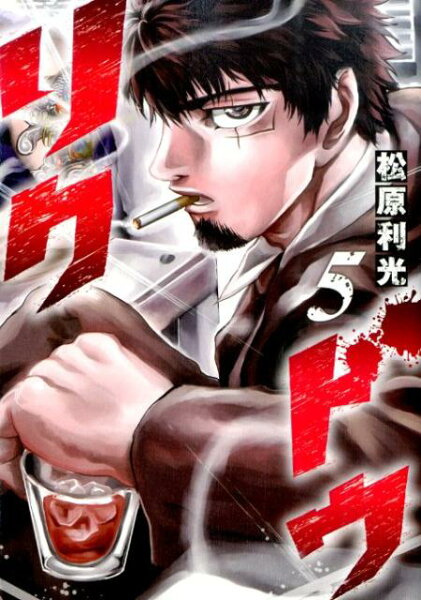
Rikudo follows Riku Akama, a boy whose abusive father destroyed his body and life — until boxing becomes the unlikely path through which he tries to reclaim something. A 22-volume Young Jump series whose darkness exceeded almost all boxing manga before it.
Sports / Drama
Major
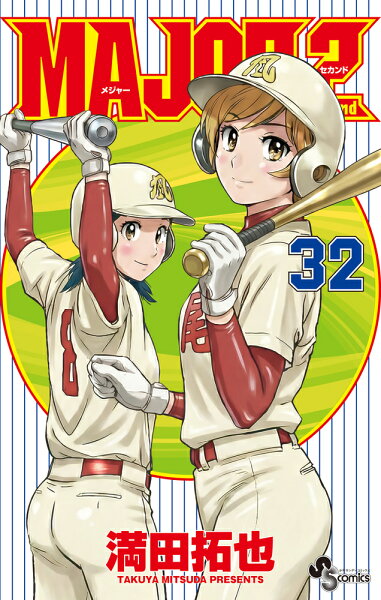
Yu's review of Major — Goro Honda is the son of a professional baseball player; when loss defines his childhood, baseball becomes how he carries his father forward; the series follows Goro from little league through professional baseball across 78 volumes, one of the longest complete sports manga stories ever told.
Written by
Yu
Manga Enthusiast from Japan
I grew up in Japan and manga literally saved me during a tough time in elementary school. My English isn't perfect, but my love for manga is real — and I want to share it with you.