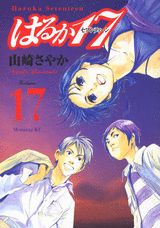
Haruka 17 Review: The Idol Manga That Wasn't About Becoming Famous, It Was About Becoming Real
by Akira Sakuma
Read the first volume. If it doesn't hook you, put it down. It'll hook you.
Buy Haruka 17 on Amazon →*Affiliate link — I earn a small commission at no extra cost to you.
Becoming an idol looked like sport from a particular angle. Sakuma found that angle and held it for 17 volumes.
Quick Take
- Akira Sakuma's idol-industry drama — Haruka pursuing an idol career across her teenage years
- 17 volumes treating the entertainment industry with the procedural seriousness more often given to sports
- Big Comic Spirits' approach to a subject usually depicted with surface glamour
Who Is This Manga For?
- Sports manga readers who want competitive structure applied to entertainment
- Industry-procedural fans who want how-things-actually-work depictions
- Drama readers who want the texture of being young and ambitious in a demanding field
- Anyone curious about the actual mechanics of becoming a Japanese idol
Content Warnings & Age Rating
Age Rating: T (Teen) Content Warnings: Industry pressure, competitive intensity, occasional adult themes around the entertainment world. Generally measured.
Suitable for most readers.
Yu's Rating
| Category | Score |
|---|---|
| Story Depth | ★★★★☆ |
| Art Style | ★★★★☆ |
| Character Development | ★★★★☆ |
| Accessibility for Non-Japanese Readers | ★★★☆☆ |
| Reread Value | ★★★☆☆ |
Story Overview
Haruka enters the idol industry as a high schooler. The series follows her audition process, training, debut, and ongoing career — with the particular emphasis on what each stage actually requires. The work isn't glamorized: Haruka practices, competes against other girls who want the same opportunities, navigates industry adults whose interests don't always align with hers, and grows up while doing all of this.
Sakuma's choice to publish this in Big Comic Spirits — Shogakukan's adult seinen magazine — signals the work's register. This isn't shojo idol fantasy. It's industry procedural with a young protagonist. The reader sees auditions, training programs, the politics of management agencies, the mechanics of how a song becomes a single, becomes a music-show appearance, becomes part of a career.
What gives the series weight is its commitment to the procedural detail. Haruka's career advances or stalls based on visible, depicted causes. The reader can follow why each step happens or doesn't. The drama emerges from the industry's logic rather than from arbitrary narrative choices.
Characters
Haruka: A protagonist whose growth across 17 volumes is genuine — she ages, learns, makes choices that shape what kind of performer she becomes.
The competing idols: Each rendered with enough specificity that they aren't simply rivals — different personalities, different industry approaches, different fates.
The industry adults: Managers, producers, music-show staff — drawn with the specificity of people who actually work in this field.
Art Style
Sakuma's art has the clean, somewhat realistic register of seinen drama — character designs are individually distinguishable, performances are depicted convincingly, industry settings are rendered with attention to plausibility.
Cultural Context
Haruka 17 ran from 2003 to 2007 in Big Comic Spirits. The series belongs to seinen manga's tradition of treating specific industries with procedural seriousness — a tradition that produced Shima Kosaku (corporate), Oishinbo (food), and many others.
The Japanese idol industry has cultural prominence and complexity that this manga engages with directly rather than from outside.
What I Love About It
I love that Haruka's career has costs.
Idol narratives often soft-pedal the costs — the protagonist works hard, things happen, fame arrives, life is good. Sakuma refuses. Haruka loses things along the way: friendships compromised by competition, family time sacrificed, a normal adolescence she'll never get back. The series doesn't moralize about whether the trade was worth it; it just depicts the trade. The depiction is the integrity.
What English-Speaking Fans Say
Limited international awareness without translation. Among readers familiar with seinen idol fiction, regarded as one of the more procedurally honest works in the subgenre.
Memorable Scene ⚠️ Spoiler Warning
A scene late in the series where Haruka, having achieved something she wanted, recognizes the version of herself who first auditioned and is no longer that person. The recognition isn't tragic but it isn't sentimental either — it's just true.
Similar Manga
| Title | Its Approach | How Haruka 17 Differs |
|---|---|---|
| Skip Beat! | Idol/showbiz narrative with revenge premise | Haruka 17 is realistic and procedural rather than dramatic |
| Nana | Music industry with adult relationship focus | Haruka 17 is more career-focused and less relationship-driven |
| Glass Mask | Classical theater training across decades | Haruka 17 is contemporary idol industry with modern mechanics |
Reading Order / Where to Start
Volume 1. The career builds from the beginning.
Official English Translation Status
Haruka 17 has no official English translation.
Pros & Cons
Pros
- Procedurally honest depiction of the idol industry
- Haruka's growth across 17 volumes is genuinely tracked
- Adult-register treatment of a subject often handled lightly
- Complete with a satisfying conclusion
Cons
- No English translation
- Japanese idol industry context requires some familiarity
- The procedural pacing won't satisfy readers wanting drama spikes
- Less spectacle than the genre's flashier entries
Is Haruka 17 Worth Reading?
For seinen drama fans and readers interested in the entertainment industry's actual mechanics, yes — this is among the more honest depictions in manga form. For readers wanting glamorized idol fantasy, this deliberately isn't that. As industry procedural with a strong protagonist, it earns its 17 volumes.
Format Comparison
| Format | Notes |
|---|---|
| Physical | Japanese editions available |
| Digital | Available in Japanese |
| Omnibus | Collected editions available |
Where to Buy
No English release yet. That just means you find it before everyone else does.
*Affiliate link — I earn a small commission at no extra cost to you.
More Manga You Might Like
Sports / Drama
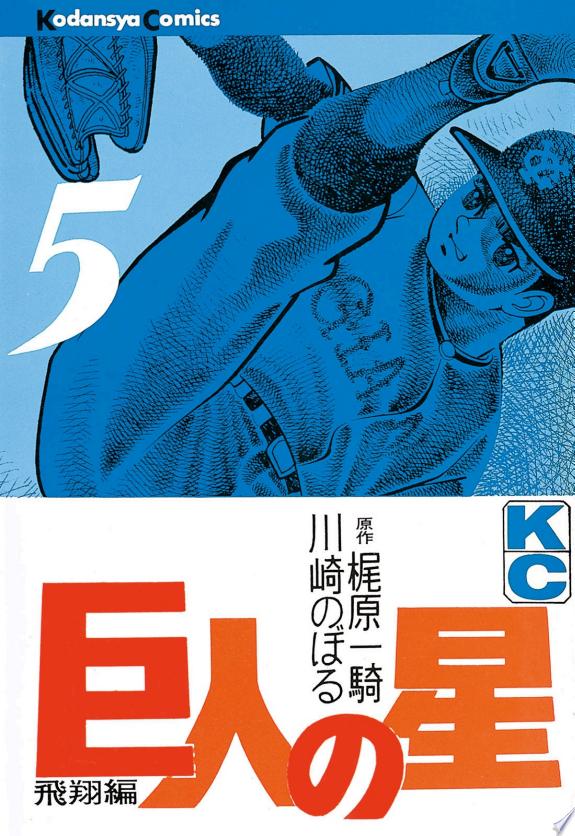
Kyojin no Hoshi
Kyojin no Hoshi follows Hyuma Hoshi, whose father — a former baseball player who never achieved his dream — has raised him from childhood to be a star pitcher for the Yomiuri Giants, through training that borders on abuse and produces a player who may be the greatest — at tremendous personal cost.
Sports / Drama
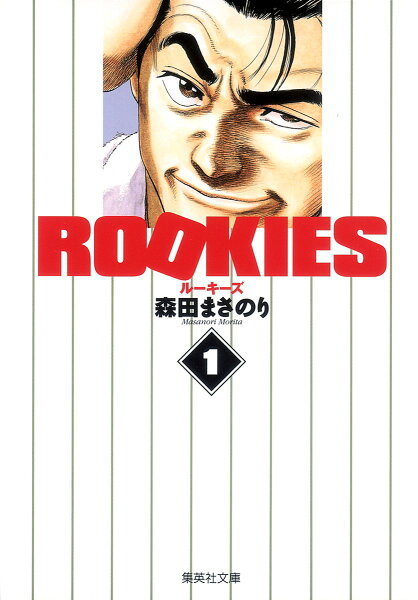
Rookies
Rookies follows Koichi Kawato, a young teacher transferred to Futakotamagawa High School who discovers a baseball club suspended after a violent incident — and decides, against all institutional advice, to coach them back to the Koshien.
Sports / Drama
Ping Pong
Yu's review of Ping Pong — two high school table tennis players, one a prodigy who loves the game and one who hates to lose, move toward a tournament while the manga asks what it means to devote yourself to something.

Sports / Drama
Kamigami no Itadaki
Kamigami no Itadaki is Jiro Taniguchi's 5-volume adaptation of Baku Yumemakura's mountaineering novel — Fukamachi, a journalist following the trail of a possibly-found camera that may prove George Mallory reached Everest's summit in 1924, with a Japanese alpinist's parallel obsession driving the story.
Sports / Drama
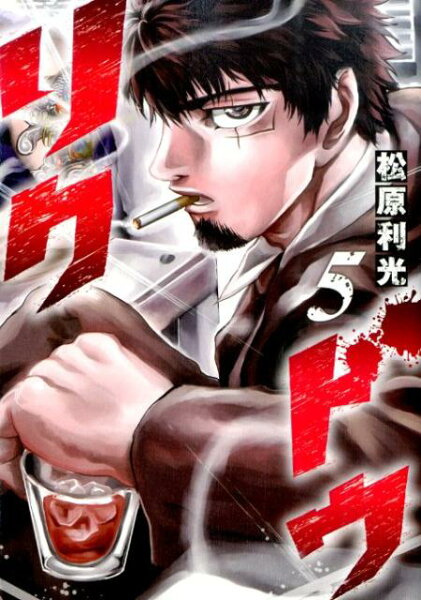
Rikudo
Rikudo follows Riku Akama, a boy whose abusive father destroyed his body and life — until boxing becomes the unlikely path through which he tries to reclaim something. A 22-volume Young Jump series whose darkness exceeded almost all boxing manga before it.
Sports / Drama
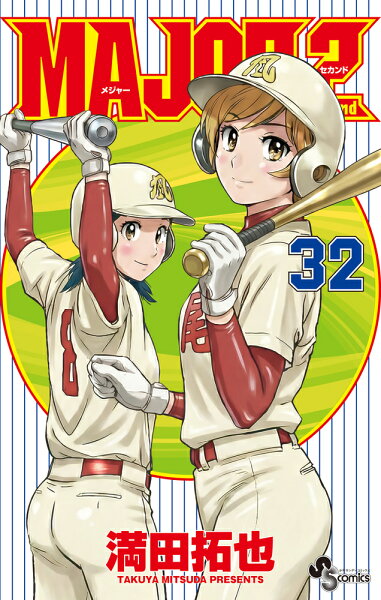
Major
Yu's review of Major — Goro Honda is the son of a professional baseball player; when loss defines his childhood, baseball becomes how he carries his father forward; the series follows Goro from little league through professional baseball across 78 volumes, one of the longest complete sports manga stories ever told.
Written by
Yu
Manga Enthusiast from Japan
I grew up in Japan and manga literally saved me during a tough time in elementary school. My English isn't perfect, but my love for manga is real — and I want to share it with you.