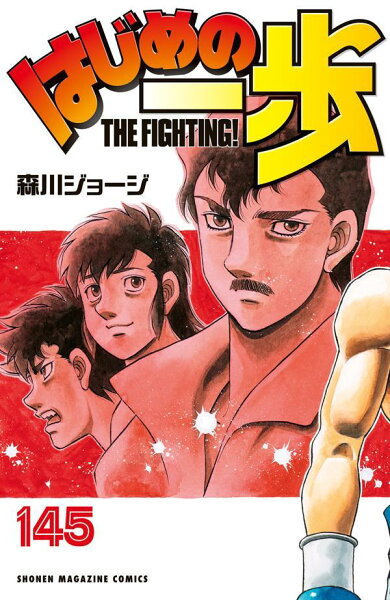
Hajime no Ippo Review: The Shy Boy Who Became the Strongest Featherweight in Japan
by George Morikawa
Read the first volume. If it doesn't hook you, put it down. It'll hook you.
Buy Hajime no Ippo on Amazon →*Affiliate link — I earn a small commission at no extra cost to you.
Quick Take
- A bullied boy discovers boxing, puts in the work, and becomes Japan's featherweight champion through sincere effort and a devastating punch called the Dempsey Roll
- The greatest boxing manga ever made, and arguably the most technically accurate sports manga in any sport
- 138+ volumes ongoing since 1989 — the longest-running serious sports manga and still going strong
Who Is This Manga For?
- Readers who want sports manga with real technical depth about the sport depicted
- Anyone who has been bullied and wants to see someone find strength
- Fans of long-running manga who want to commit to something genuinely great
- Readers who appreciate seeing a protagonist grow through effort rather than talent alone
Content Warnings & Age Rating
Age Rating: T (Teen) Content Warnings: Boxing violence (punches, knockdowns, cuts); the manga acknowledges the health risks of boxing, including brain damage from repeated blows — this is handled honestly and is part of the story
The violence is sports violence — realistic within the boxing context, not gratuitous.
Yu's Rating
| Category | Score |
|---|---|
| Story Depth | ★★★★★ |
| Art Style | ★★★★★ |
| Character Development | ★★★★★ |
| Accessibility for Non-Japanese Readers | ★★★★☆ |
| Reread Value | ★★★★★ |
Story Overview
Makunouchi Ippo is a high school student who has spent his life being bullied while helping his mother run the family fishing boat business. When professional boxer Mamoru Takamura saves him from a beating and brings him to the Kamogawa Boxing Gym, Ippo discovers something unexpected: he can punch. Hard. Very hard.
He starts training. The gym's coach, Genji Kamogawa, recognizes something in Ippo and begins developing him seriously. Ippo's natural gifts (punching power, the ability to absorb punishment, a ferocious desire to understand what it is to be strong) combine with work — enormous, continuous, depicted in detail — to make him into a genuine contender.
The manga covers Ippo's entire boxing career — his amateur fights, his early professional bouts, his rise through the rankings, his championship fights, and eventually the toll that boxing takes on him. It is honest about what boxing does to the people who practice it, and that honesty is part of why it is the greatest boxing manga.
Characters
Makunouchi Ippo — A genuinely good person who became strong without losing his gentleness. His question — "what does it mean to be strong?" — is the manga's central inquiry, and it is never answered simply.
Mamoru Takamura — The gym's star fighter; a natural genius who is also a disaster outside the ring. His matches are some of the most spectacular in the manga.
Genji Kamogawa — The coach; his backstory and his relationship to boxing give him depth that develops slowly across the manga's enormous length.
Ichiro Miyata — Ippo's first rival and counterpart; a technical boxer to Ippo's power fighter, carrying his own weight of expectation.
Itagaki, Aoki, Kimura — Ippo's gym-mates; each has their own career arc running parallel to Ippo's.
Art Style
Morikawa's boxing art is considered the gold standard for depicting the sport in manga — the mechanics of punches, the geometry of combinations, the specific physics of a boxer being hit and recovering or not recovering. His ability to render motion through static images is extraordinary. His character designs age across 30+ years of publication.
Cultural Context
Japanese boxing culture — the specific gym hierarchy, the weight class system, the relationship between Japanese boxing and world-ranked competition — is depicted with insider accuracy. The manga's treatment of brain damage risks, while handled as drama rather than didacticism, reflects real debates in Japanese boxing about the sport's costs.
What I Love About It
The Dempsey Roll. Ippo's signature technique — a weaving combination adapted from the historical Jack Dempsey's fighting style — is the most satisfying technique in sports manga. Its development across the manga, its use in key fights, its eventual countering by opponents who have studied it, and its redevelopment — the Dempsey Roll's arc is a story within the story that rewards attentive reading.
I also love that the manga is honest about damage. Ippo's career costs him things. The manga does not pretend otherwise. The question of what he is spending himself on — whether it is worth the cost — is what gives the later volumes their weight.
What English-Speaking Fans Say
Hajime no Ippo has one of the most devoted Western fanbases of any sports manga, with a community that has been reading for decades. Western boxing fans who discover it are often surprised by its technical accuracy. The manga is recommended by boxing trainers as actually useful for understanding the sport. The ongoing status (138+ volumes) means Western readers are catching up to what Japanese readers have known for thirty years — and the English publication is still far behind the Japanese release.
Memorable Scene ⚠️ Spoiler Warning
Ippo's first professional championship fight — the preparation, the fight itself, and what winning and losing each mean in the moment — is the manga's first complete dramatic arc and the moment that establishes what kind of story this is going to be. It is not a triumph. It is more complicated and more real than that.
Similar Manga
- Slam Dunk — Different sport; similar journey from beginner to champion
- Eyeshield 21 — Similar structure; lighter tone
- Blue Lock — Different philosophy of competition; same commitment to the sport's mechanics
- Ashita no Joe — The boxing manga that came before Ippo; Ippo's predecessor and influence
Reading Order / Where to Start
Volume 1. The manga is linear. Note that the English publication (30 volumes) covers perhaps 25% of the full Japanese run — you will need to use other means to read further if you want to continue past the English releases.
Official English Translation Status
Kodansha USA published 30 volumes in English before the publication was discontinued. The series continues in Japan at 138+ volumes. Fan translations cover the gap.
Pros & Cons
Pros
- Greatest boxing manga ever made
- Ippo is one of manga's most genuinely likable protagonists
- Technical accuracy that is praised by actual boxers
- Enormous length means enormous emotional investment
Cons
- 138+ volumes ongoing — an essentially infinite commitment
- English official publication stopped at 30 volumes
- The manga's acknowledgment of boxing's brain damage risks becomes more present and more difficult in later volumes
Format Comparison
| Format | Notes |
|---|---|
| Individual Volumes | Kodansha USA editions for the English run (30 volumes) |
| Digital | Available; useful for managing the volume count |
| Physical | Fine |
Where to Buy
Read the first volume. If it doesn't hook you, put it down. It'll hook you.
This post contains affiliate links. If you purchase through these links, I may earn a small commission at no extra cost to you. As an Amazon Associate, I earn from qualifying purchases.
*Affiliate link — I earn a small commission at no extra cost to you.
More Manga You Might Like
Sports / Drama
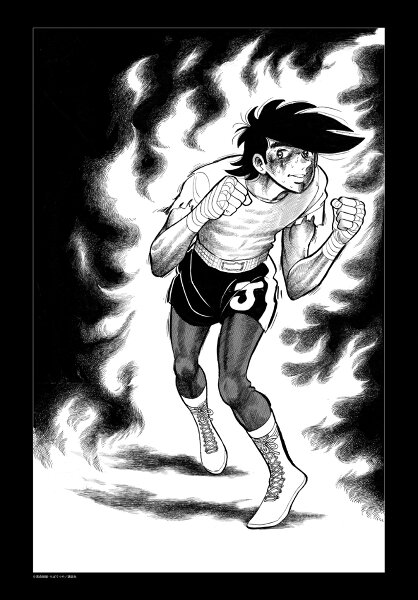
Ashita no Joe
Yu's review of Ashita no Joe — Joe Yabuki claws out of the postwar Tokyo slums, is found by a broken-down trainer, and turns boxing into a way to burn himself completely. From Rikiishi's fatal weight cut to the white-ash final scene, this is the manga that taught the whole genre what cost means.
Sports / Action
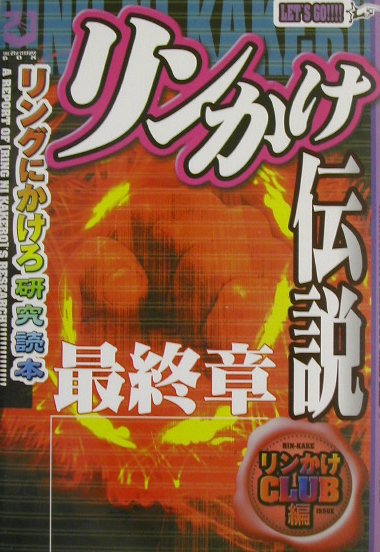
Ring ni Kakero
Ring ni Kakero follows Ryuji Takane and his sister Kiku through a boxing journey that begins in realism and evolves into one of manga's most spectacular supernatural combat series — the bridge between sports manga and the battle shonen that followed.
Sports
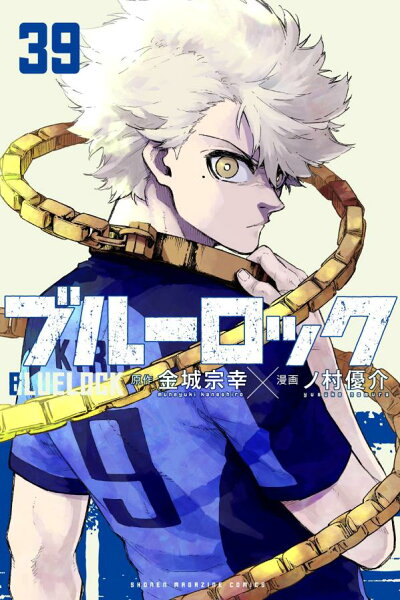
Blue Lock
Yu's review of Blue Lock — after Japan's World Cup failure, a strange coach locks 300 high school strikers in a facility and tries to grow the world's most selfish striker. Only one walks out as Japan's best.
Sports / Drama
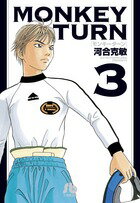
Monkey Turn
Monkey Turn follows Hasegawa Kouji, a young man who enters the world of competitive motorboat racing (kyotei) — Japan's unique professional boat racing sport — and fights to master the dangerous, technical, and thrilling 'monkey turn' technique.
Sports / Drama
Shoot!
Shoot! follows Toshihiko Tanaka, who joins a high school soccer team to fulfill the dying wish of his childhood friend — and finds himself in a sport he barely knows, at a club that was legendary before it collapsed, trying to rebuild something worth the promise he made.
Sports / Slice of Life
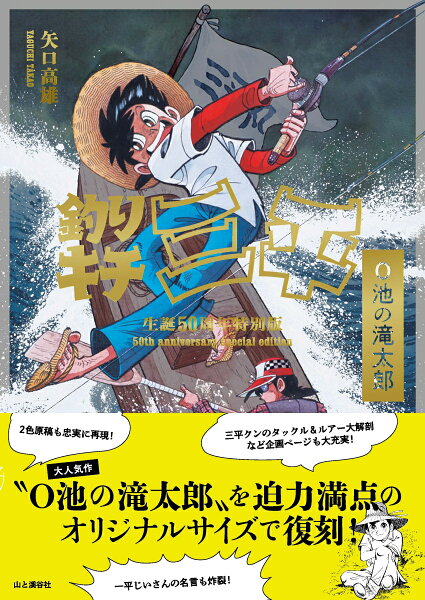
Sanpei the Fisherman
Sanpei the Fisherman follows Sanpei Mihara, a fishing-obsessed boy in rural Akita who travels Japan pursuing the perfect catch — learning about fish, rivers, and people along the way in one of manga's great nature-and-sport series.
Written by
Yu
Manga Enthusiast from Japan
I grew up in Japan and manga literally saved me during a tough time in elementary school. My English isn't perfect, but my love for manga is real — and I want to share it with you.
Disclosure: This post contains affiliate links. As an Amazon Associate, I earn from qualifying purchases at no extra cost to you.