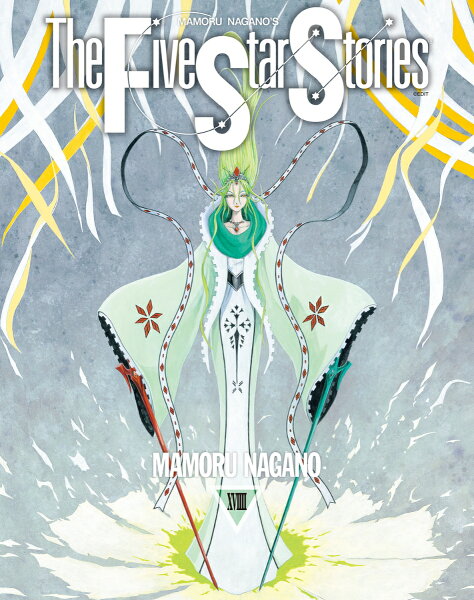
Five Review: The Basketball Manga That Played Quieter Than Slam Dunk and Hit Different
by Daisuke Nishikawa
Read the first volume. If it doesn't hook you, put it down. It'll hook you.
Buy Five on Amazon →*Affiliate link — I earn a small commission at no extra cost to you.
A team is five players. The manga's name was the team's structure was the manga's subject.
Quick Take
- Daisuke Nishikawa's 12-volume basketball manga from Weekly Shonen Champion — high school basketball with a five-player team focus
- A quieter, more character-focused alternative to the era's basketball-manga standard
- Compact and complete, with the discipline that shorter sports manga can achieve
Who Is This Manga For?
- Basketball manga fans who want the genre's quieter register
- Slam Dunk readers who want something with similar subject but different approach
- Team-dynamic enthusiasts who appreciate ensemble sports work
- Anyone who has played in a five-person unit and felt the specific shape of that
Content Warnings & Age Rating
Age Rating: T (Teen) Content Warnings: Sports competition, school rivalries. Mostly clean.
Suitable for most readers.
Yu's Rating
| Category | Score |
|---|---|
| Story Depth | ★★★★☆ |
| Art Style | ★★★★☆ |
| Character Development | ★★★★☆ |
| Accessibility for Non-Japanese Readers | ★★★☆☆ |
| Reread Value | ★★★☆☆ |
Story Overview
Five follows a high school basketball team — five players whose individual personalities and skills combine into the team's identity. The series builds its drama from how the five interact: who passes to whom, whose presence on the court changes the team's possibilities, what each player contributes that no one else can.
The structure is conventional sports manga — practice, opponents, tournaments — but the focus is consistently on the team rather than on a single protagonist. Each player gets development. Each match tests not just individual skill but the team's coherence as a unit. The basketball is depicted with attention to actual five-on-five dynamics.
What gives Five its identity is the choice not to be Slam Dunk. Where Inoue's classic foregrounds a single charismatic protagonist and operates at high spectacle register, Five distributes weight across the team and operates at quieter, more procedural register. Both are legitimate; Five's choice is its distinction.
Characters
The five team members: Each developed enough to register as an individual — different skills, different temperaments, different roles in the team's identity.
The coach: A presence who shapes the team's development — not a mentor cliché but a specific person with a specific approach.
The opponents: Each significant rival team is rendered with enough specificity that matchups feel like meetings rather than just challenges.
Art Style
Nishikawa's art has the clean, somewhat reserved quality that the series' tone requires — basketball action depicted with technical accuracy, character art consistent and individual, page layouts that respect the team focus rather than emphasizing single-player heroics.
Cultural Context
Five ran in Weekly Shonen Champion. The series belongs to the basketball-manga tradition that Slam Dunk dominated commercially but in which other works carved their own register — Buzzer Beater, Ahiru no Sora, and others. Five's position is the quieter alternative — a manga for readers who liked basketball but wanted a different tonal register from the genre's standard.
Champion's editorial culture often supported quieter or more idiosyncratic series alongside its more famous titles, and Five exemplifies that editorial tradition.
What I Love About It
I love that it isn't trying to be the genre's biggest.
Slam Dunk is one of the greatest sports manga ever made. Trying to compete with it on its terms would be foolish. Five competes on different terms — quieter, more ensemble-focused, more interested in basketball-as-team-game than in basketball-as-stage-for-individual-greatness. The choice respects what the genre can do beyond its dominant template, and the work that results has its own value.
What English-Speaking Fans Say
Limited international awareness without translation. Among basketball manga readers familiar with the genre's lesser-known entries, recognized as a worthy alternative to the standard register.
Memorable Scene ⚠️ Spoiler Warning
A late-tournament match where the team's success depends entirely on a play that requires all five players to read each other simultaneously — and the moment of mutual recognition that allows the play to happen. The scene captures the series' thesis about what teams actually are.
Similar Manga
| Title | Its Approach | How Five Differs |
|---|---|---|
| Slam Dunk | Single-protagonist basketball with spectacle | Five is quieter and more ensemble-focused |
| Ahiru no Sora | Quiet basketball with underdog protagonist | Five distributes weight more evenly across the team |
| Kuroko no Basket | Five-player team with supernatural skills | Five is grounded rather than supernatural |
Reading Order / Where to Start
Volume 1. The team dynamics develop from the foundation.
Official English Translation Status
Five has no official English translation.
Pros & Cons
Pros
- Successful alternative to the dominant basketball-manga template
- Team-focus is genuinely unusual for the genre
- Compact at 12 volumes — accessible commitment
- Character work distributes attention across five players evenly
Cons
- No English translation
- The quieter register won't satisfy readers wanting Slam Dunk-tier spectacle
- Compact length limits the scope possible in longer series
- Lacks a single charismatic lead some readers want
Is Five Worth Reading?
For basketball manga readers who want a quieter, ensemble-focused alternative to the genre's standard, yes — this is a satisfying short series. For readers wanting big-spectacle basketball or a single charismatic protagonist, this deliberately offers something else. As thoughtful sports manga, it's a strong recommendation.
Format Comparison
| Format | Notes |
|---|---|
| Physical | Japanese editions available |
| Digital | Available in Japanese |
| Omnibus | Collected editions available |
Where to Buy
No English release yet. That just means you find it before everyone else does.
*Affiliate link — I earn a small commission at no extra cost to you.
More Manga You Might Like
Sports / Drama
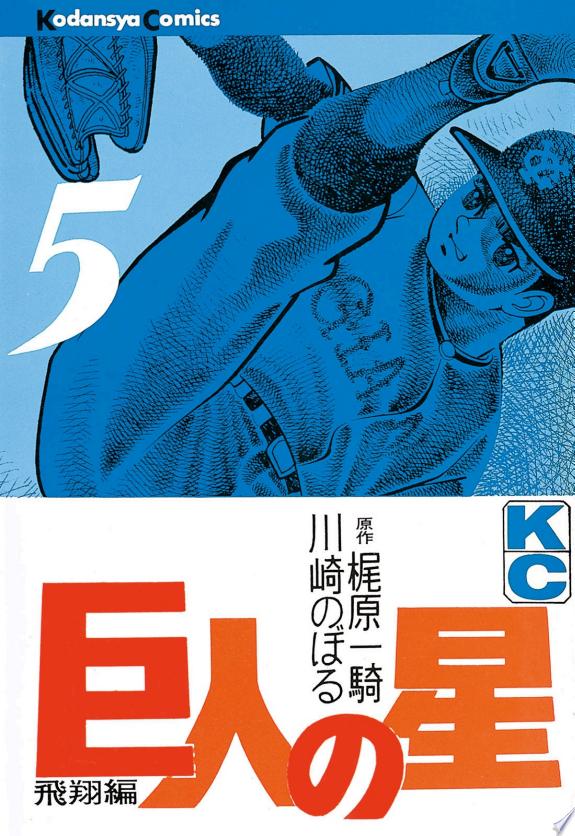
Kyojin no Hoshi
Kyojin no Hoshi follows Hyuma Hoshi, whose father — a former baseball player who never achieved his dream — has raised him from childhood to be a star pitcher for the Yomiuri Giants, through training that borders on abuse and produces a player who may be the greatest — at tremendous personal cost.
Sports / Drama
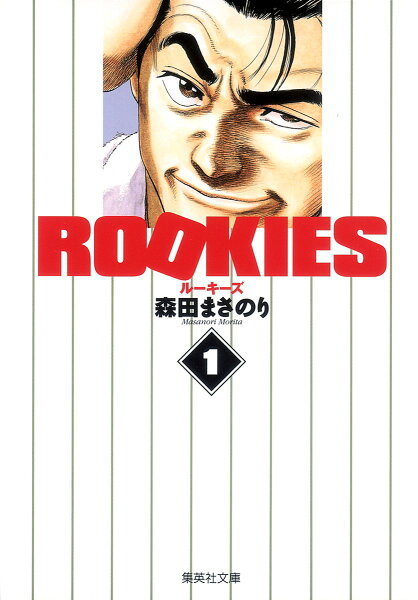
Rookies
Rookies follows Koichi Kawato, a young teacher transferred to Futakotamagawa High School who discovers a baseball club suspended after a violent incident — and decides, against all institutional advice, to coach them back to the Koshien.
Sports / Drama
Ping Pong
Yu's review of Ping Pong — two high school table tennis players, one a prodigy who loves the game and one who hates to lose, move toward a tournament while the manga asks what it means to devote yourself to something.
Sports / Drama
Kamigami no Itadaki
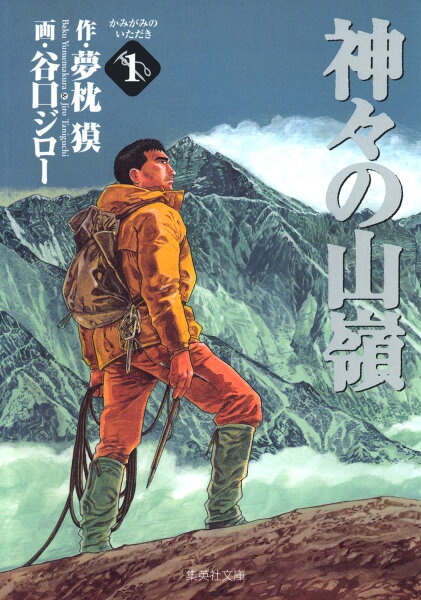
Kamigami no Itadaki is Jiro Taniguchi's 5-volume adaptation of Baku Yumemakura's mountaineering novel — Fukamachi, a journalist following the trail of a possibly-found camera that may prove George Mallory reached Everest's summit in 1924, with a Japanese alpinist's parallel obsession driving the story.
Sports / Drama
Rikudo
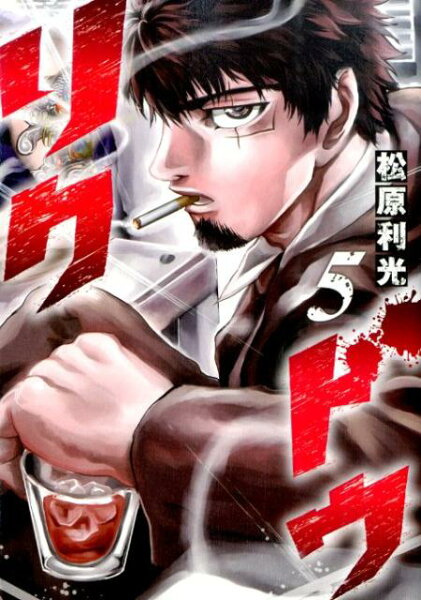
Rikudo follows Riku Akama, a boy whose abusive father destroyed his body and life — until boxing becomes the unlikely path through which he tries to reclaim something. A 22-volume Young Jump series whose darkness exceeded almost all boxing manga before it.
Sports / Drama
Major
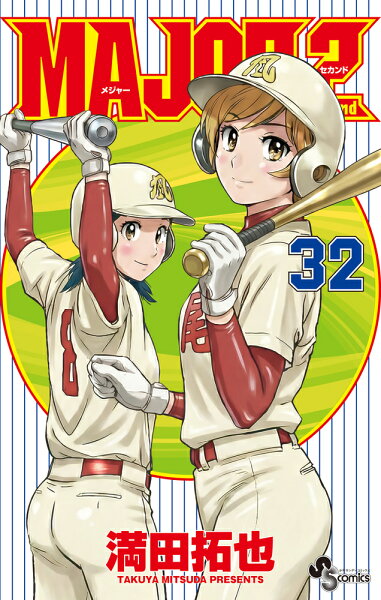
Yu's review of Major — Goro Honda is the son of a professional baseball player; when loss defines his childhood, baseball becomes how he carries his father forward; the series follows Goro from little league through professional baseball across 78 volumes, one of the longest complete sports manga stories ever told.
Written by
Yu
Manga Enthusiast from Japan
I grew up in Japan and manga literally saved me during a tough time in elementary school. My English isn't perfect, but my love for manga is real — and I want to share it with you.