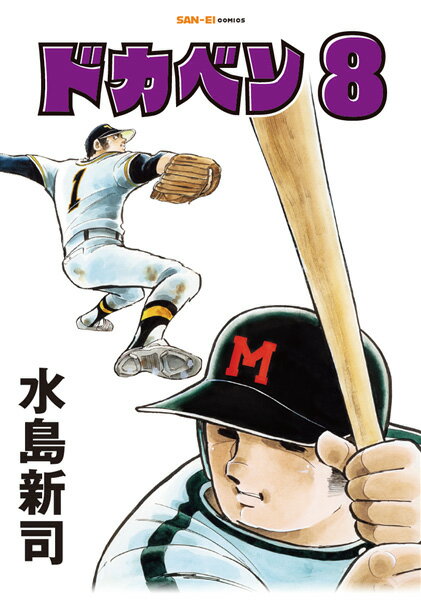
Dokaben Review: The Baseball Manga That Started as a Judo Story
by Shinji Mizushima
Read the first volume. If it doesn't hook you, put it down. It'll hook you.
Buy Dokaben on Amazon →*Affiliate link — I earn a small commission at no extra cost to you.
When I was a kid in Japan, "Dokaben" was a word before it was a manga to me. My grandfather used the nickname for any big, round, dependable boy on a baseball team — he had grown up with the series and the word just stuck in his vocabulary. So when I finally sat down with the actual manga as an adult, I had this strange feeling, like I was meeting a person I had heard stories about my whole life. And the first thing that surprised me was that it does not even start as a baseball manga. The boy with the giant lunchbox is throwing people in a judo dojo for the first stretch of the story. I did not expect that, and it made me love the series more.
Quick Take
- One of the foundational Japanese baseball manga, written and drawn by Shinji Mizushima, serialized in Weekly Shonen Champion from 1972 to 1981 across 48 volumes
- Famous for two things: a hero who is a catcher instead of a pitcher, and a depth of real baseball rules knowledge that no other manga of its era matched
- Age rating: T (Teen) — there is some early judo fighting and intense competition, but nothing graphic; it is safe for most readers
Story Overview
The series begins not on a baseball field but in the judo club of Takaoka Middle School. Taro Yamada is the new transfer student — short, wide, enormously strong, and carrying a lunchbox so huge it earns him the nickname "Dokaben" (roughly "the big lunchbox"). In these early volumes he is a judo prodigy, a "demon of competition" who wins matches through sheer overwhelming power, and he meets Masami Iwaki, the rough rival who becomes his lifelong teammate. Mizushima has said he actually planned to make it a baseball manga from the start, but held back at first because a rival magazine was running a baseball series at the time.
The turning point comes around the seventh tankobon volume, when the story pivots fully into baseball. Yamada becomes a catcher, Iwaki swings into the lineup, and new faces like the tiny underhand pitcher Satoru Satonaka and the eccentric second baseman Hitoto Tonoma fill out the team. From there the manga becomes what people remember it as: the chronicle of Meikun High School climbing through the prefectural qualifiers toward Koshien, the national high school tournament that is one of Japan's biggest sporting events.
The ending is the dream realized in full. Meikun, built around Yamada's catching and game-reading, reaches Koshien multiple times and racks up championships, with Yamada posting almost cartoonishly great tournament numbers. But the heart of the run is never the trophy count — it is the long, grinding games against rival schools whose aces and sluggers Mizushima draws with as much care as his own heroes.
Characters
Taro Yamada (Dokaben): The protagonist. He starts as a judo monster and becomes a catcher, and that is the whole point of him — his greatness is in his head, not his body. He is "gentle and strong," honest to a fault off the field, but the moment a game starts a colder, sharper competitor comes out, one who will read a batter's mind and even bluff an umpire to win.
Masami Iwaki: Yamada's rival from the judo days who becomes his teammate and the team's monstrous slugger. He is the "bad-ball hitter," a player who crushes pitches nowhere near the strike zone, and his raw power actually exceeds Yamada's. His arc is the wild, undisciplined talent slowly learning to channel itself into a team.
Satoru Satonaka: The small underhand ace whose body should not be able to do what it does. He compensates for a lack of power with a rainbow of breaking balls and a famous "sky fork." His battery with Yamada — the tiny pitcher and the brilliant catcher who keeps him calm — is the emotional spine of the baseball arc.
Hitoto Tonoma: The strange, musically gifted second baseman who turns his sense of rhythm into "secret hits" — trick batting techniques. He is described as the most unpleasant number-two hitter in Japan, and he is exactly the kind of weird, specific character that makes the team feel alive.
What I Love About It
What I love most is the choice that defines the whole series: the hero is a catcher. In almost every baseball story I grew up with, the camera is on the pitcher — the ace, the one throwing the fastball, the one everyone cheers for. Mizushima looked at the same game and decided the most important person was the one crouching behind the plate, the one nobody draws posters of. Yamada's talent is invisible. He does not throw 150 km/h. He reads the batter, calls the pitch, settles the pitcher's nerves, and then a strikeout happens and only later do you realize he is the reason.
I think this is why the judo opening means so much to me now. In judo, Yamada wins by being physically overwhelming — you can see his strength, it is right there on the page. Then he becomes a catcher and his strength disappears into his mind. It is like the series is quietly telling you that real power is the kind you cannot photograph. As someone who was never the strong or fast kid, who found his place in books and stories instead of on the field, that landed hard. The big lunchbox boy made his career out of thinking, not throwing, and I have never forgotten how much that meant to read.
Memorable Scene ⚠️ Spoiler Warning
The single most famous moment in Dokaben is the play fans call "the one point in the blind spot of the rulebook" (rule book no moten no itten), in the high school summer arc against Shiranui's team. Meikun has a runner on third (Iwaki) and Yamada on first, one out. The batter squeezes — but the bunt pops up as a fly, and the pitcher Shiranui catches it on the fly for the second out. Yamada has drifted off first base, so Shiranui fires to first to double him off for the third out.
Here is the trick: because the batter was out on the fly, the force is gone, so each runner is free to advance at his own risk. Iwaki had already crossed home plate before Yamada was tagged out at first. The defense needed to appeal at third base to erase Iwaki — they threw to first instead. So the run counts. One point, off a double play, through a gap in the rulebook that real professional players at the time reportedly could not explain. What blew my mind is that this is not just clever fiction — in 2012, almost the exact same play happened for real at Koshien, between Seiseiko and Naruto high schools. Mizushima had drawn a baseball reality decades before it walked onto the actual field.
Pros & Cons
Pros
- A genuinely original hero — the catcher as the brain and soul of the team
- The judo-to-baseball opening is a surprising, charming piece of manga history
- Baseball rules and strategy treated with real, researched depth
- A rival gallery so well drawn that losses feel like real losses
Cons
- No official English edition exists
- 48 volumes (and many more in the sequels) is a serious commitment
- The early-1970s pacing and art are slow and old-fashioned — that is either part of the charm or a wall you bounce off, and it won't work for everyone
Is Dokaben Worth Reading?
If you love baseball and you want to see where the modern sports-tournament manga structure was basically invented, yes — Dokaben is a foundational text, and the catcher-hero idea still feels fresh. If you need fast pacing and modern art, the 1970s presentation may frustrate you, and the lack of an English edition makes it a tough entry point unless you read Japanese.
Where to Buy
No English release yet. That just means you find it before everyone else does.
The Japanese print and digital editions are the only legitimate way to read it for now:
Search Dokaben on Amazon.co.jp →
This post contains affiliate links. If you purchase through these links, I may earn a small commission at no extra cost to you. As an Amazon Associate, I earn from qualifying purchases.
*Affiliate link — I earn a small commission at no extra cost to you.
More Manga You Might Like
Sports / Drama
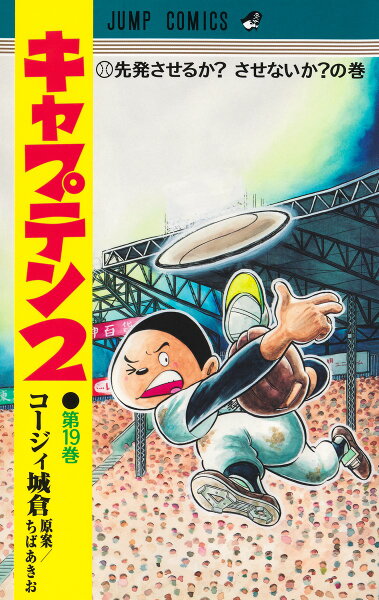
Captain
Captain follows four generations of captains at a weak downtown middle school baseball team — starting with Takao Taniguchi, a former bench player mistaken for a star, who trains himself half to death rather than admit the truth.
Sports / Drama
Play Ball
Play Ball follows Koichi Tani, a key player from Captain, into high school at Sumiya High — a sequel that shifts perspective and asks what happens to the supporting cast after the captain's era ends.

Sports / Action
Ring ni Kakero
Ring ni Kakero follows Ryuji Takane and his sister Kiku through a boxing journey that begins in realism and evolves into one of manga's most spectacular supernatural combat series — the bridge between sports manga and the battle shonen that followed.
Sports / Drama
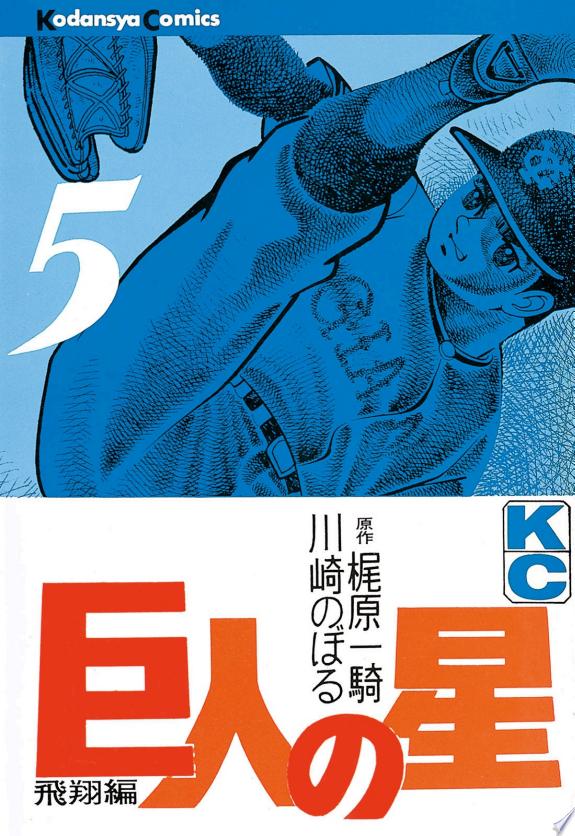
Kyojin no Hoshi
Kyojin no Hoshi follows Hyuma Hoshi, whose father — a former baseball player who never achieved his dream — has raised him from childhood to be a star pitcher for the Yomiuri Giants, through training that borders on abuse and produces a player who may be the greatest — at tremendous personal cost.
Sports / Drama
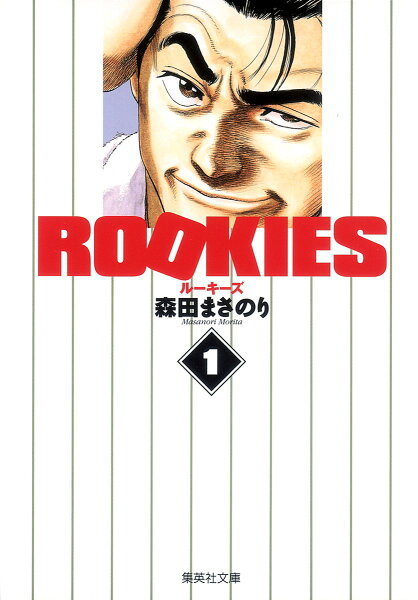
Rookies
Rookies follows Koichi Kawato, a young teacher transferred to Futakotamagawa High School who discovers a baseball club suspended after a violent incident — and decides, against all institutional advice, to coach them back to the Koshien.
Sports / Romance
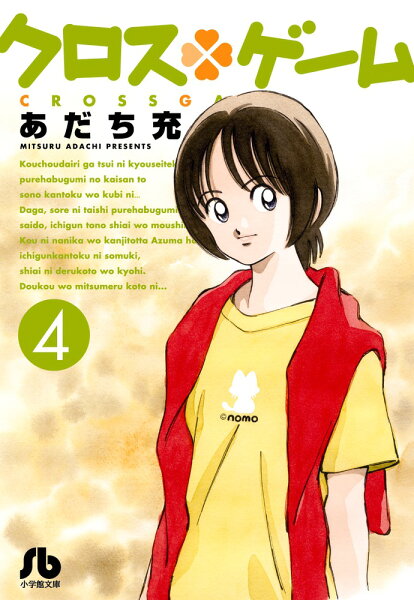
Cross Game
Yu's review of Cross Game — Ko grows up next to the four Tsukishima sisters, loses Wakaba in fifth grade, and spends seventeen volumes chasing the dream she left behind at Koshien.
Written by
Yu
Manga Enthusiast from Japan
I grew up in Japan and manga literally saved me during a tough time in elementary school. My English isn't perfect, but my love for manga is real — and I want to share it with you.