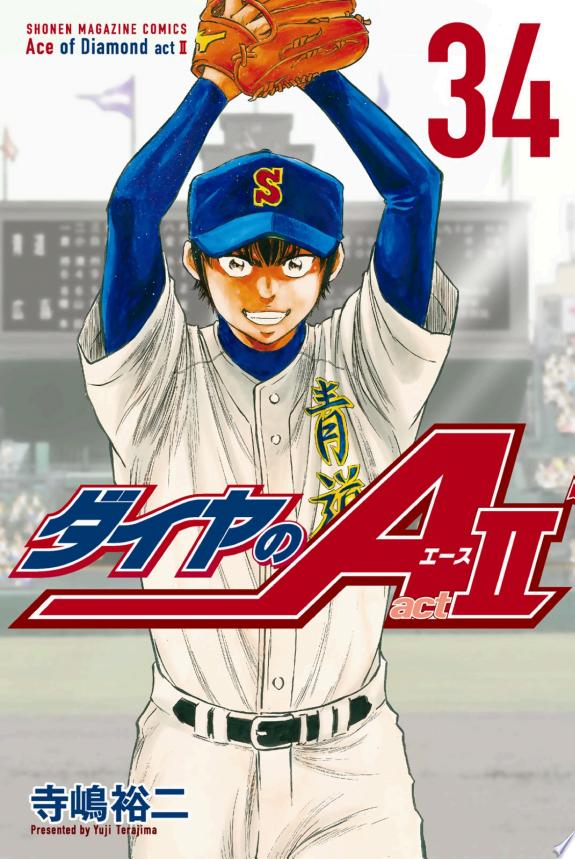
Diamond no Ace Review: The Pitcher Who Wasn't Supposed to Be the Ace
by Yuji Terajima
Read the first volume. If it doesn't hook you, put it down. It'll hook you.
Buy Diamond no Ace on Amazon →*Affiliate link — I earn a small commission at no extra cost to you.
I grew up watching summer Koshien on TV. Every August the whole country seems to stop for it — boys playing their hearts out in the heat, the losing teams scooping dirt off the infield into their bags because they will never stand on that ground again. I never played baseball seriously myself. I was the kid reading manga in the corner, not the one on the mound. But that ritual lived in me anyway, and when I finally read Diamond no Ace I felt it come rushing back. This is the rare baseball manga that respects how slow and unglamorous the climb actually is.
What got me about Eijun Sawamura right away is that he is not the chosen one. He is loud, he is from the countryside, and his control is a mess. He came to Seido to become the ace and then immediately ran into someone who was just plainly better than him. I have spent most of my life being the person who is not the most talented in the room, so watching Eijun refuse to accept that and grind anyway — it did something to me.
Quick Take
- A loud, raw pitcher from the sticks transfers to powerhouse Seido High in Tokyo and has to earn the ace number from behind a more gifted teammate
- One of the most technically honest baseball manga out there — 47 volumes of patient, pitch-by-pitch high school baseball, with a sequel (Act II) continuing the story
- Complete in Japan at 47 volumes and fully available in English digitally via Kodansha USA; rated T (Teen) — clean, no graphic content
Story Overview
Eijun Sawamura is a pitcher from a tiny rural middle school whose natural, idiosyncratic "moving" fastball darts unpredictably — hard to control, ugly to look at, but genuinely difficult to hit. After his middle school team loses, he intends to go to a local high school with his old teammates. Instead he gets scouted by Seido High School, a powerhouse program in Tokyo, and decides to chase the ace number there.
The turning point of his first year is the battery he is forced into with Chris Yu Takigawa, a former Seido catcher whose shoulder is wrecked from overwork. It is a miserable pairing at first — Eijun resents the boring training menu and Chris is exhausted by his stupidity — but Chris is the one who identifies Eijun's odd moving fastball as a real weapon and rebuilds him into someone usable. Meanwhile, first-year Satoru Furuya walks in with an overpowering 150 km/h fastball and takes the ace position more or less immediately. Eijun has to claw at every inch behind him.
Act I builds toward the West Tokyo regional final, where Seido faces Inashiro Industrial with a Koshien berth on the line. It does not end the way a typical shonen does. Seido carries a lead into the late innings and loses a brutal 5-4 walk-off — and the third-years, including Chris, retire on the spot. The sequel, Act II, follows the new team afterward, with the third-years gone, as Seido finally starts breaking through to nationals and Eijun grows into the ace he always claimed he'd be.
Characters
Eijun Sawamura — The protagonist. A southpaw with a natural moving fastball, loud and emotionally transparent to a fault. His whole arc is about converting raw, uncontrolled talent into something reliable. He learns the cut fastball and, crucially, a changeup, and across the two series he goes from the kid stuck behind Furuya to the one carrying the ace number.
Satoru Furuya — Eijun's rival for the ace. An orthodox right-hander whose overwhelming fastball lets him claim the No. 1 spot almost on arrival. He is quiet and intense where Eijun is loud, and the two of them pushing each other is the engine of the whole series.
Kazuya Miyuki — Seido's catcher and the smartest baseball mind on the field. He reads hitters, calls sequences, and decides what each pitcher throws and when. His pairing with Eijun — half mentor, half tormentor, full battery partner — is the relationship the manga keeps coming back to.
Chris Yu Takigawa — The injured former catcher who is stuck with Eijun early on. He is bitter about his ruined shoulder and his lost playing time, but he is the one who sees what Eijun's weird fastball could become and does the unglamorous work of fixing him. His quiet retirement after the Inashiro loss is one of Act I's gut-punches.
What I Love About It
The thing I keep thinking about is the changeup. By the summer tournament Eijun is still mostly a one-trick pitcher — that moving fastball and not much else — and the coaching staff pushes him to add a changeup before the late rounds. He cannot land it. He struggles with the grip and the release all through the early games, and you sit there with him through every failed rep, because Terajima refuses to skip the boring middle part of learning a pitch.
Then comes the Ouya match. Miyuki, of all the moments to gamble, calls the changeup against the cleanup hitter. And Eijun throws it — the pitch he has been failing at for chapters — and it works, and the batter goes down. What I love is that the payoff is not "Eijun unlocks a super move." It is the opposite. It is a kid finally doing a fundamental thing correctly under pressure, set up by a catcher who trusted him to do it. That is the whole appeal of this manga compressed into one at-bat: the joy here is in competence earned the slow way, not in power-ups. As someone who has never been the naturally gifted one at anything, that pitch hit me harder than any flashy finishing move in a battle manga ever has.
Memorable Scene ⚠️ Spoiler Warning
The West Tokyo final against Inashiro Industrial in Act I is the scene that doesn't leave me. Seido is ahead, the Koshien dream is right there in the ninth inning, and then it falls apart. A pitch from Sawamura hits a batter in the head, and the moment cracks something in him — the beginning of the yips, the mental block that haunts him afterward. Seido loses 5-4 on a walk-off.
What makes it stay with me is that the manga doesn't soften it. The third-years, the seniors who built the standard Eijun was chasing — including Chris, the man who rebuilt him — just retire. Their high school baseball is simply over. It is the dirt-scooping-into-the-bag image from real Koshien made into a story beat, and it lands because Terajima earned every inning that led there. Most sports manga would give the heroes the miracle comeback. This one makes you sit in the loss, and it's better for it.
Pros & Cons
Pros
- 47 complete volumes of patient, technically honest baseball — and a full sequel beyond it
- The Eijun–Furuya rivalry and the Eijun–Miyuki battery are among the best relationships in sports manga
- Big, well-differentiated ensemble cast where role players get real moments
- It respects loss; the Inashiro final hits because the manga doesn't cheat
Cons
- 47 volumes (plus a 34-volume sequel) is an enormous commitment
- The pitch-by-pitch pacing is deliberate, sometimes very slow
- It is pure, grounded baseball with no supernatural hook — that realism is the point, but it won't work for everyone
Is Diamond no Ace Worth Reading?
Yes — if you want a baseball manga that treats the sport with real respect and isn't in a hurry. It rewards patience with one of the genre's best rivalries and a refusal to hand its hero easy miracles. If you need flashy power-ups or a short read, this isn't it. But if a kid finally landing a changeup under pressure can move you, this will be one of your favorites.
Where to Buy
Read the first volume. If it doesn't hook you, put it down. It'll hook you.
This post contains affiliate links. If you purchase through these links, I may earn a small commission at no extra cost to you. As an Amazon Associate, I earn from qualifying purchases.
*Affiliate link — I earn a small commission at no extra cost to you.
More Manga You Might Like
Sports / Drama
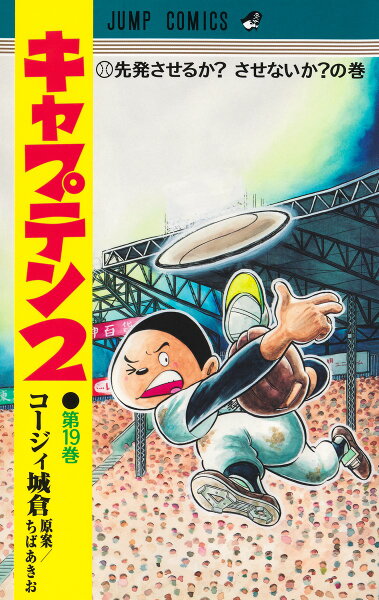
Captain
Captain follows four generations of captains at a weak downtown middle school baseball team — starting with Takao Taniguchi, a former bench player mistaken for a star, who trains himself half to death rather than admit the truth.
Sports / Drama
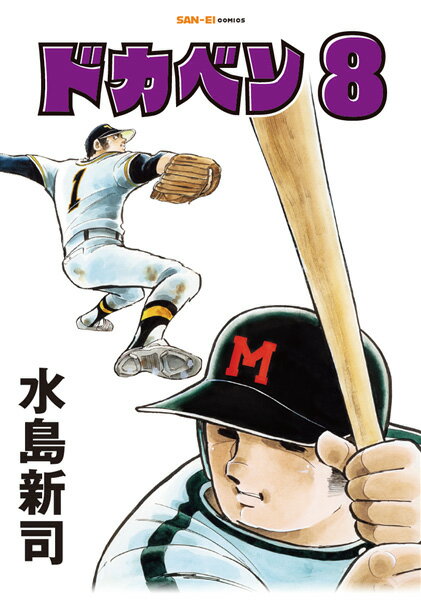
Dokaben
Dokaben follows Taro Yamada, a gentle giant who starts out in his middle school's judo club before becoming the catcher who carries Meikun High School to Koshien. Shinji Mizushima's classic ran in Weekly Shonen Champion from 1972 to 1981.
Sports / Drama
Play Ball
Play Ball follows Koichi Tani, a key player from Captain, into high school at Sumiya High — a sequel that shifts perspective and asks what happens to the supporting cast after the captain's era ends.
Sports / Drama
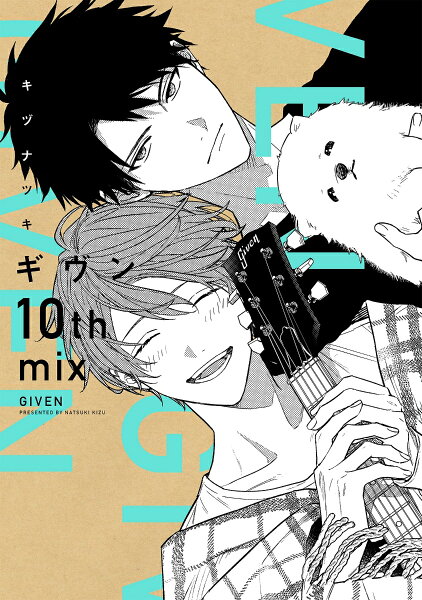
Mix
Yu's review of Mix — set in the same world as Touch, following the Tachibana brothers (stepsiblings by a blended family) as they pursue Koshien at the same high school where the legendary Uesugi brothers once played; Adachi's most recent long-form baseball manga.
Sports / Baseball
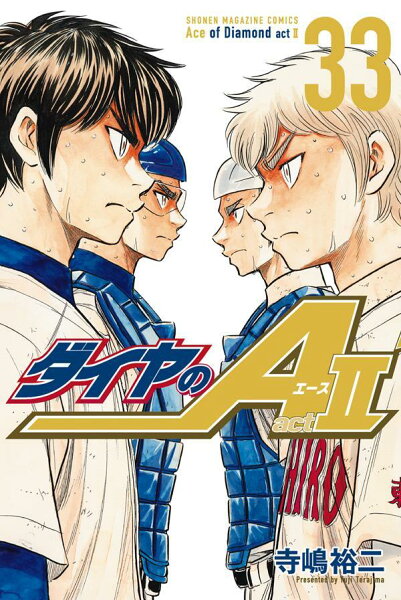
Ace of Diamond
A comprehensive review of Ace of Diamond — Sawamura's yips, Chris's broken shoulder, and the most technically honest baseball manga I've ever read.
Sports
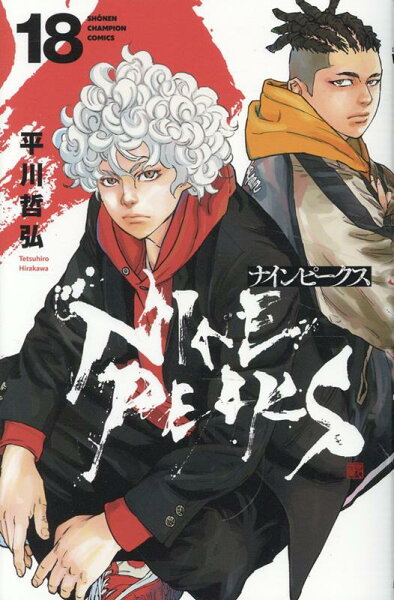
Nine
A review of Nine by Mitsuru Adachi — the 1978 baseball manga that established his signature style of interweaving sports and romance, a precursor to Touch and H2.
Written by
Yu
Manga Enthusiast from Japan
I grew up in Japan and manga literally saved me during a tough time in elementary school. My English isn't perfect, but my love for manga is real — and I want to share it with you.
Disclosure: This post contains affiliate links. As an Amazon Associate, I earn from qualifying purchases at no extra cost to you.