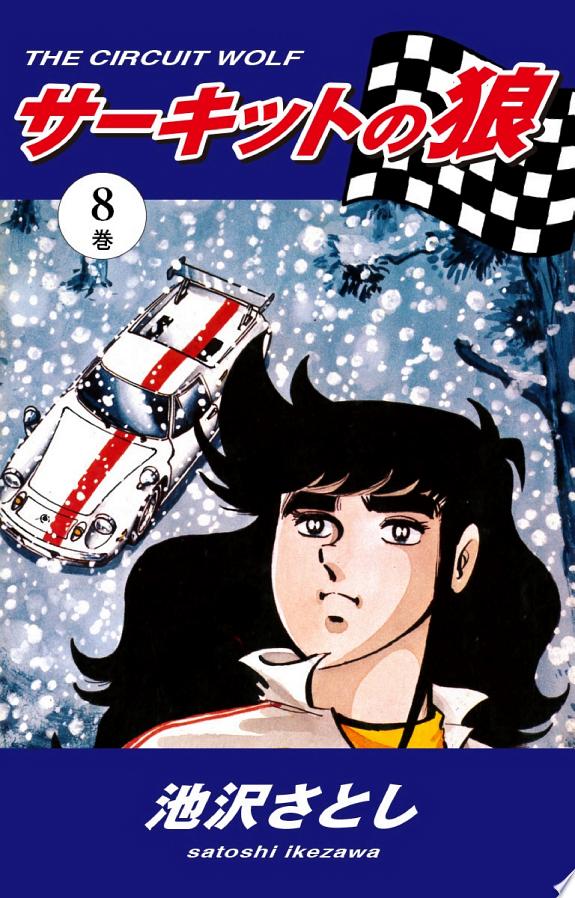
Circuit Wolf Review: The Racing Manga That Made a Whole Country Want a Lotus
by Satoshi Ikezawa
Read the first volume. If it doesn't hook you, put it down. It'll hook you.
Buy Circuit Wolf on Amazon →*Affiliate link — I earn a small commission at no extra cost to you.
My grandfather kept a little die-cast Lotus Europa on his desk, white with a red stripe, and for years I thought it was just an old man's toy. Then one summer he pulled out a stack of yellowed manga from a closet and handed me the first volume of サーキットの狼 — Circuit Wolf. "This," he said, "is why everyone my age went crazy for foreign cars." I was a kid who only knew Initial D, and I figured a 1970s racing manga would feel ancient. It didn't. Within thirty pages a teenager in that exact white Lotus was humiliating a gang in a De Tomaso Pantera at a stoplight, and I finally understood why that little model car had sat on his desk my whole life.
Quick Take
- The manga that literally caused Japan's late-1970s "supercar boom" — kids who read it begged their parents for Ferraris and Lamborghinis, and 17 million copies sold
- Real circuits, real cars (Lotus Europa, Porsche Carrera RS, Lamborghini Miura, Ferrari Dino), and a hero who climbs from street racing all the way to Formula 1
- Rated T (Teen) — racing violence and fatal crashes, but nothing graphic beyond motorsport danger
Story Overview
Yuya Fubuki is an eighteen-year-old loner who tears up the public roads in a white Lotus Europa, earning the street name "the Wolf of Lotus." The story opens with him stepping in when a gang sponsor harasses a girl; he challenges their De Tomaso Pantera to a signal grand prix and wins so easily that he makes lifelong enemies in the process. That early stretch is pure street-racing manga — duels, grudges, and a kid who feels the car instead of calculating it.
The turning point comes through two people. A pro racer, Minoru Asuka, sees Fubuki's talent and pulls him off the streets and toward a real license and real circuits. And Okita — a former street racer turned cop who carries a quiet illness — pushes Fubuki to take racing seriously. Fubuki starts stacking wins and grows into "the Circuit Wolf." But he hits his first real wall when he crashes in a race for the right to compete in Europe, tastes failure for the first time, and then crosses the ocean anyway to face the world's best.
By the end, Fubuki has fought his way up through the Tsukuba license series, the Fuji Freshman Cup, Formula 3, and finally Formula 1 with the Japanese-born "Team Kamikaze." The series closes on the Belgian Grand Prix, where Fubuki and his mentor Asuka battle wheel-to-wheel to the final corner and take the checkered flag side by side — and Ikezawa deliberately never tells you who actually won.
Characters
Yuya Fubuki — The hero. A hot-headed, instinctive driver nicknamed "the cornering magician," he starts as a lone-wolf street racer in a Lotus Europa and grows, car by car, into an F1 driver. His talent is physical and intuitive rather than technical; he feels what the machine wants to do. His whole arc is the gap between raw gift and the discipline pro racing demands.
Minoru Asuka — A young top-tier pro racer who becomes Fubuki's mentor and the man who drags him from the street to the circuit. He drives a Lamborghini Miura and eventually becomes family by marrying Fubuki's sister. He's both the guide and, by the final race, Fubuki's last great rival.
Okita — A 25-year-old police officer and former road racer who owns a Ferrari Dino. He races alongside Fubuki while hiding a serious lung illness, and he's the heart of the early series — proof that this manga is willing to let its drivers be mortal.
Sakon Hayase — Fubuki's biggest rival, a wealthy heir and leader of a road gang who drives a Porsche Carrera RS. He starts as an antagonist, turns pro, and his story ends in one of the manga's most brutal moments.
What I Love About It
What I love is that the cars are not props — they are characters, and the racing scenes are written by someone who clearly loved every bolt of these machines. The single scene that captures it for me is the climax of the Public Road Grand Prix. Fubuki, pushing his Lotus Europa to the absolute limit, flips the car right before the finish line. The Europa goes over and slides toward the line upside down. And here's the thing — Okita's Ferrari Dino, in the lead, suddenly slows, and the overturned Lotus crosses the line first. Fubuki wins, inverted, on the asphalt.
I read that page and just sat there. It's absurd and it's glorious at the same time, the kind of moment that only works because Ikezawa has spent the whole race making you believe in the weight and speed of these specific cars. It hit me because it's the purest expression of what this manga is: not realism, but a love letter to driving so intense that physics becomes negotiable. My grandfather told me he and his friends argued for weeks about whether the flip was possible. Decades later, car magazines were still running experiments to test it. A scene that makes adults try to recreate it in real life — that's the kind of thing only a manga people truly loved could do.
Memorable Scene ⚠️ Spoiler Warning
The one that stays with me is Okita's death. He's been racing all this way while quietly fighting tuberculosis, refusing to quit, and in his final race the illness finally takes him — at the very finish. He crosses the line and Fubuki finds him still gripping the steering wheel, dead at the wheel. It's drawn with no melodrama, just a man who gave everything to the last meter of track.
The other gut-punch comes later, at the Monaco F3 race. Hayase — Fubuki's rival turned fellow pro — is run off by a dirty competitor, and his car flips and bursts into flames right in front of Fubuki. Fubuki stops his own car and tries to pull him from the burning wreck, but he can't reach him in time, and Hayase dies in the fire as Fubuki watches. For a manga that started as carefree stoplight duels, those two scenes told me this story was never just about showing off Lamborghinis. It was about the price these drivers paid to chase the line.
Pros & Cons
Pros
- A genuinely documented cultural phenomenon — this manga changed what an entire generation of Japanese kids wanted out of life
- Real cars, real circuits, drawn with obsessive love
- A complete 27-volume arc that goes all the way from street racing to Formula 1
- The racing set-pieces are wild, emotional, and unforgettable
Cons
- No official English release, so you'll need Japanese
- The 1970s art and physics-defying stunts feel dated next to modern racing manga
- Character depth sits behind the cars and the racing — if you want a deep human drama first and motorsport second, this won't work for everyone
Is Circuit Wolf Worth Reading?
Yes — especially if you love cars or want to understand where Initial D and Wangan Midnight came from. It's a foundational racing manga with real historical weight, a full street-to-F1 arc, and scenes that stick. Just know going in that the cars are the lead characters and the people orbit them.
Where to Buy
No English release yet. That just means you find it before everyone else does.
This post contains affiliate links. If you purchase through these links, I may earn a small commission at no extra cost to you. As an Amazon Associate, I earn from qualifying purchases.
*Affiliate link — I earn a small commission at no extra cost to you.
More Manga You Might Like
Sports / Action
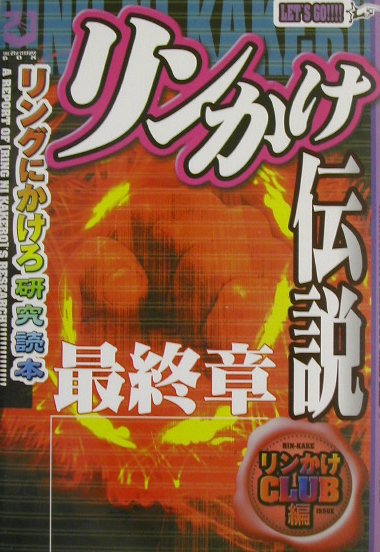
Ring ni Kakero
Ring ni Kakero follows Ryuji Takane and his sister Kiku through a boxing journey that begins in realism and evolves into one of manga's most spectacular supernatural combat series — the bridge between sports manga and the battle shonen that followed.

Sports / Action
Astro Kyudan
Astro Kyudan follows nine superhuman ballplayers — all born at the same instant, each marked with a baseball-shaped birthmark — assembled to fulfill the dying dream of pitcher Eiji Sawamura. Across 20 volumes and only three games, baseball stops being a sport and becomes a war you bleed for.
Sports / Romance
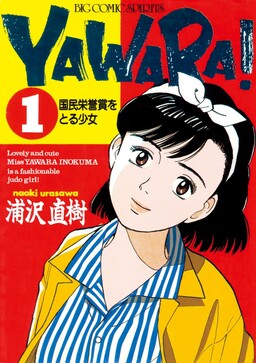
Yawara! A Fashionable Judo Girl
Yu's review of Yawara! — Yawara Inokuma is the granddaughter of a legendary judo master who has trained her since childhood to be a world champion; she has extraordinary talent and absolutely no desire to compete; what follows is her journey toward the Barcelona Olympics despite her own resistance.
Sports / Drama
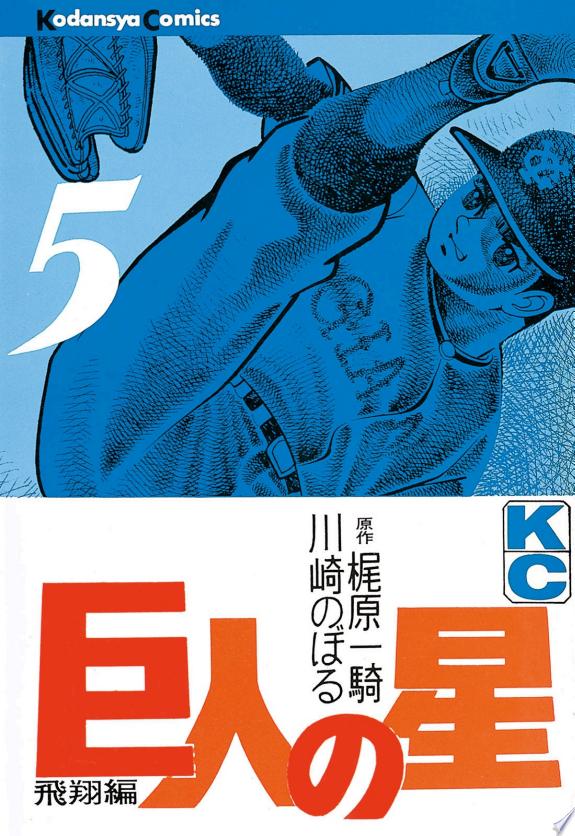
Kyojin no Hoshi
Kyojin no Hoshi follows Hyuma Hoshi, whose father — a former baseball player who never achieved his dream — has raised him from childhood to be a star pitcher for the Yomiuri Giants, through training that borders on abuse and produces a player who may be the greatest — at tremendous personal cost.
Sports / Drama
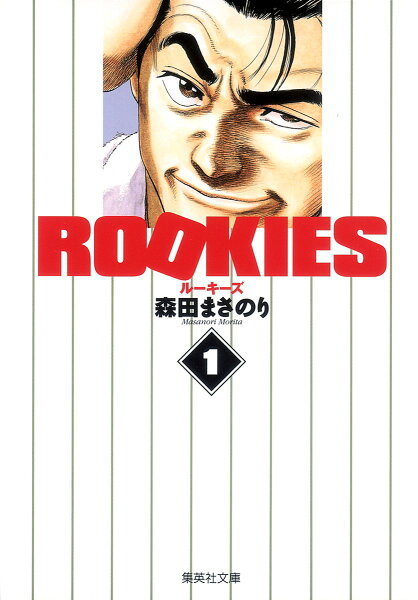
Rookies
Rookies follows Koichi Kawato, a young teacher transferred to Futakotamagawa High School who discovers a baseball club suspended after a violent incident — and decides, against all institutional advice, to coach them back to the Koshien.
Sports / Shojo
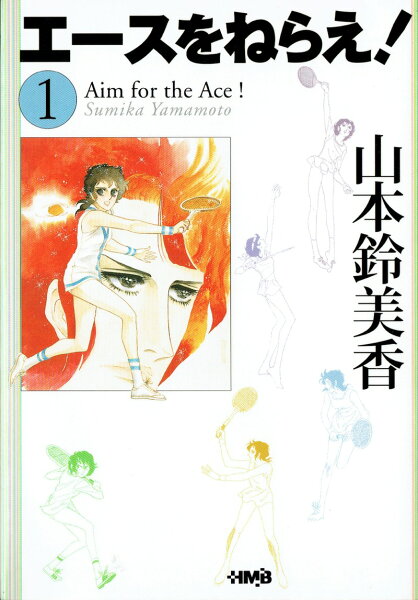
Ace wo Nerae!
Ace wo Nerae! follows Hiromi Oka, an ordinary first-year who falls in love with tennis and gets pulled into the brutal, devoted coaching of Jin Munakata — a 1970s shojo classic about a coach who is dying, a player he refuses to let stay ordinary, and what it costs to be the one person someone believes in.
Written by
Yu
Manga Enthusiast from Japan
I grew up in Japan and manga literally saved me during a tough time in elementary school. My English isn't perfect, but my love for manga is real — and I want to share it with you.