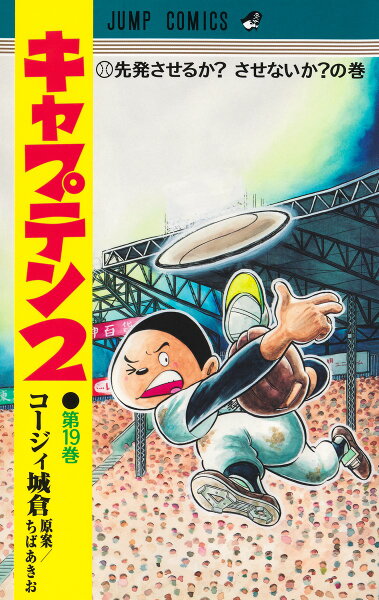
Captain Review: The Baseball Manga Where the Captain Trains in Secret So No One Sees Him Bleed
by Akio Chiba
Read the first volume. If it doesn't hook you, put it down. It'll hook you.
Buy Captain on Amazon →*Affiliate link — I earn a small commission at no extra cost to you.
When I was in middle school, I told a small lie to make myself look better, and then I spent weeks quietly terrified that someone would find out. I wasn't a good liar. I was just a kid who wanted to be more than he was. That feeling — the gap between who people think you are and who you actually are — is the engine of the first arc of Captain, and reading it years later I felt that old middle-school panic come right back.
Akio Chiba's Captain is one of the most quietly devastating sports manga Japan ever produced. It has no special techniques, no rivals with superpowers, no power scaling. It just has kids, a bad baseball team, and the weight of expectation. And it understood something about effort and shame that most shonen manga never even tries to touch.
Quick Take
- A classic baseball manga from Monthly Shonen Jump (1972–1979) about the captains of a weak middle-school team, told across four generations of leaders
- The first captain, Taniguchi, earns his place by training himself in secret rather than admit he was never the star everyone assumed — the most honest portrayal of effort I've read
- Age rating: T (Teen) — nothing graphic, just emotional pressure and the physical exhaustion of brutal practice
Story Overview
Takao Taniguchi transfers from Aoba Academy, an elite baseball powerhouse, to Sumiyoshi Second Middle School (墨谷二中) — a weak, ordinary public school in a working-class part of town. At Aoba he was a second-string bench player. Nobody at his new school knows that.
On his first day, still wearing his old Aoba uniform at practice, Taniguchi flukes a home run. His new teammates put two and two together wrong: a kid from the famous Aoba program who can hit it out — he must have been a regular, a star. Taniguchi can't bring himself to correct them. The lie isn't malicious. It's just the kind of lie a shy, ordinary kid tells by saying nothing.
So now he has to become the player they already think he is. He starts training at night with his father at a local shrine — far harder than anything he ever did at Aoba — because the alternative is admitting the truth. By the time the previous captain graduates and names Taniguchi his successor, he has genuinely built himself into a player who can stand at the front of the team. The graduating captain tells him plainly: you've now built skill that rivals even an Aoba regular — because he had quietly seen the hidden effort all along.
That's the structural genius of the series. After Taniguchi graduates, the story doesn't end. It hands the captaincy down — to Marui, then Igarashi, then Kondo — each captain a different kind of leader, each inheriting the team and the standard Taniguchi set. Captain becomes a story not about one hero but about an institution learning, over and over, what leadership costs.
Characters
Takao Taniguchi — The first captain and the soul of the series. A former benchwarmer caught in a lie he can't unspeak, he chooses the hardest possible way out: becoming worthy of the lie through brutal secret training. His arc is the opposite of the usual "hidden talent revealed" trope — there's no hidden talent. There's only a kid grinding himself down at a shrine after dark so that nobody has to know he started behind.
Marui — The second captain. Hot-tempered, emotional, quick to cry, and by his own admission not a natural leader. Taniguchi chooses him as successor specifically because Marui has shown he can keep working when things go badly — he lost his regular spot and clawed it back through hidden effort, and after a first-round tournament loss he immediately went looking for practice games against other schools. He famously says he was "a captain with no talent," but he'll show the team his own way of leading.
Igarashi — The third captain. Small but genuinely gifted, with sharp baseball instincts and an exacting approach to training. Under him the team reaches its highest competitive peak. Where Taniguchi led by secret sacrifice and Marui by stubborn heart, Igarashi leads through standards and skill.
Kondo — The fourth captain. A big, undisciplined recruit who matures into a player-manager focused on developing the younger members. By his era the series has shifted from "can we win" to "how do we pass this on" — the natural endpoint of a story about succession.
What I Love About It
What I love most is that Captain refuses to let effort be glamorous.
In most sports manga, hard work is a montage — a bridge to the payoff scene where talent ignites. In Captain, the work is the scene. Taniguchi doesn't train in secret because it looks cool. He trains in secret because he's ashamed, because he can't admit what he is, because the only way he knows to close the gap is to hurt more than anyone sees. There's something almost unbearably real about that. It's not heroic. It's just what a certain kind of kid actually does.
And the manga rewards it honestly. Taniguchi never gets a magic moment where everything suddenly clicks. He just gets incrementally, painfully better, until one day the people around him realize he became someone worth following without ever announcing it. As someone who grew up feeling like I had to earn the right to take up space, that landed harder than any tournament victory ever could.
Memorable Scene ⚠️ Spoiler Warning
Heading into a match against his old school Aoba, Taniguchi pushes the team through merciless fielding drills — endless rounds of fungo until the players are bruised and bleeding and fed up. They start to grumble, then to resent him, and finally they march to his house as a group to confront him about it.
He isn't home. Someone says he might be at the shrine. So they go.
And there they find him — alone with his father, taking hits off the homemade pitching machine his dad built, at a far closer and more punishing distance than anything he ever made them face. The captain who's been driving them into the ground is privately driving himself far harder, in the dark, where no one was supposed to see.
Nobody says much. One of them just quietly says, "let's go run," and they leave him to it. The whole protest dissolves. They go back and recommit — not because Taniguchi shamed them or lectured them, but because they finally understood what kind of person was leading them. It's the defining scene of the series, and it works precisely because it's wordless. He was never going to tell them. They were never supposed to know.
Pros & Cons
Pros
- One of the most emotionally honest sports manga ever made
- Taniguchi is a genuinely original protagonist — defined by shame and effort, not hidden talent
- The four-captain succession structure gives the series unusual scope and thematic depth
- Realistic baseball with no fantasy elements
- Complete and self-contained
Cons
- No licensed English edition
- 1970s art and pacing — slower and quieter than modern sports manga
- Readers expecting a conventional power-up arc may find it understated to a fault — that restraint is either the whole point or a dealbreaker depending on what you want from the genre
Is Captain Worth Reading?
Yes — if you want a baseball manga that cares more about the inner weight of leadership than the score. Captain trades spectacle for honesty, and its portrait of effort-as-shame and quiet, earned respect is something almost no other sports manga attempts. If you only want big dramatic clutch moments, the restraint may feel slow. For everyone else, it's a foundational classic worth seeking out.
Who Is This Manga For?
- Sports manga fans who want character interiority over athletic spectacle
- Readers drawn to themes of leadership, pressure, and quiet effort
- Fans of Touch or Dokaben mapping the landscape of classic Japanese baseball manga
- Anyone who grew up feeling they had to earn the right to be where they were
Similar Manga
| Title | Its Approach | How Captain Differs |
|---|---|---|
| Touch | Adachi's lighter, romance-laced baseball drama | Captain is heavier and built entirely around the burden of leadership, with no romance |
| Dokaben | Larger-than-life players and dramatic, exaggerated matches | Captain stays grounded and ordinary — its drama is internal, not athletic spectacle |
| Play Ball | Chiba's own sequel, following Taniguchi into high school | Captain is the origin and focuses on the middle-school team and its succession of captains |
Where to Buy
There's no licensed English edition of Captain yet. The Japanese print and digital releases — Jump Comics volumes, plus complete bunko and Jump Remix editions — are the only legitimate way to read it.
Find Captain on Amazon.co.jp →
This post contains affiliate links. If you purchase through these links, I may earn a small commission at no extra cost to you. As an Amazon Associate, I earn from qualifying purchases.
*Affiliate link — I earn a small commission at no extra cost to you.
More Manga You Might Like
Sports / Drama
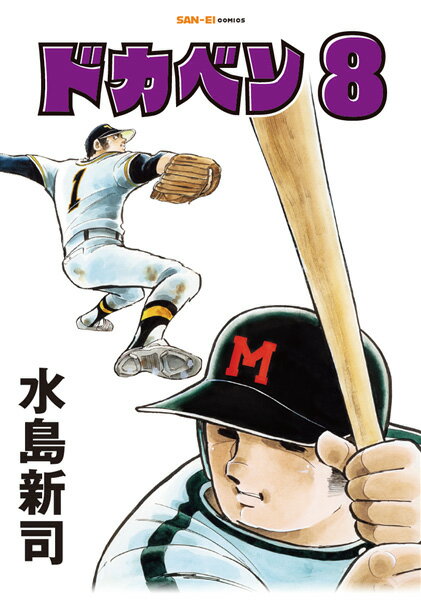
Dokaben
Dokaben follows Taro Yamada, a gentle giant who starts out in his middle school's judo club before becoming the catcher who carries Meikun High School to Koshien. Shinji Mizushima's classic ran in Weekly Shonen Champion from 1972 to 1981.
Sports / Drama
Play Ball
Play Ball follows Koichi Tani, a key player from Captain, into high school at Sumiya High — a sequel that shifts perspective and asks what happens to the supporting cast after the captain's era ends.

Sports / Action
Ring ni Kakero
Ring ni Kakero follows Ryuji Takane and his sister Kiku through a boxing journey that begins in realism and evolves into one of manga's most spectacular supernatural combat series — the bridge between sports manga and the battle shonen that followed.
Sports / Drama
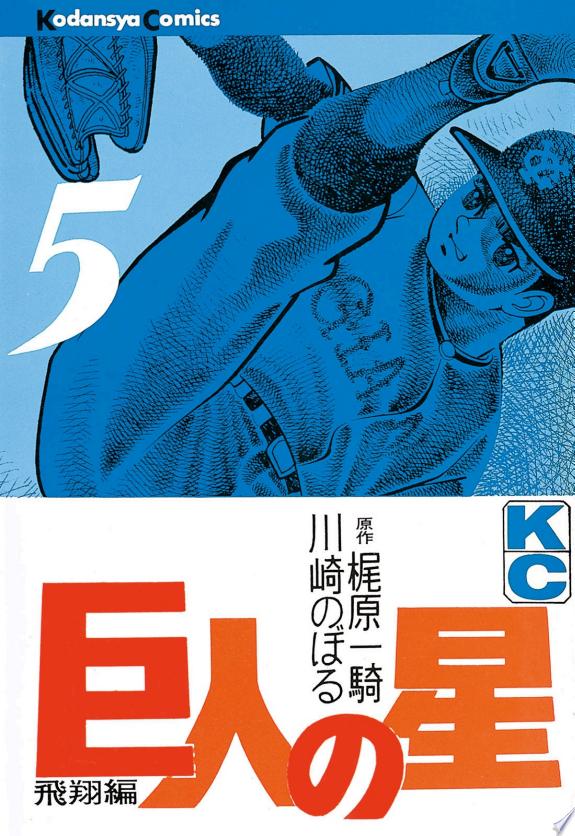
Kyojin no Hoshi
Kyojin no Hoshi follows Hyuma Hoshi, whose father — a former baseball player who never achieved his dream — has raised him from childhood to be a star pitcher for the Yomiuri Giants, through training that borders on abuse and produces a player who may be the greatest — at tremendous personal cost.
Sports / Drama
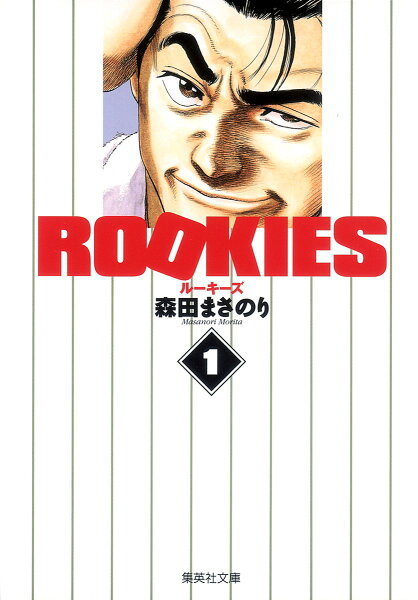
Rookies
Rookies follows Koichi Kawato, a young teacher transferred to Futakotamagawa High School who discovers a baseball club suspended after a violent incident — and decides, against all institutional advice, to coach them back to the Koshien.
Sports / Romance
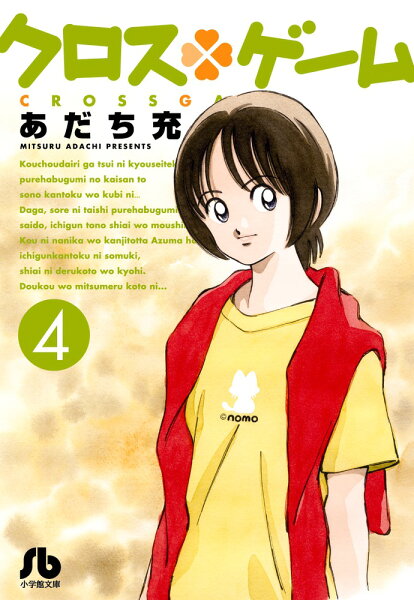
Cross Game
Yu's review of Cross Game — Ko grows up next to the four Tsukishima sisters, loses Wakaba in fifth grade, and spends seventeen volumes chasing the dream she left behind at Koshien.
Written by
Yu
Manga Enthusiast from Japan
I grew up in Japan and manga literally saved me during a tough time in elementary school. My English isn't perfect, but my love for manga is real — and I want to share it with you.