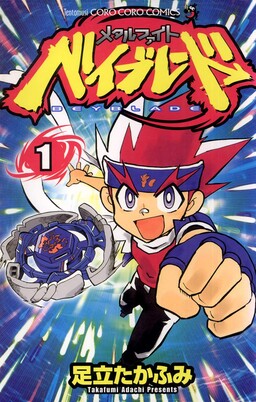
Beyblade Review: The Toy-Tie-In Manga That Took Spinning Tops Seriously
by Takao Aoki
Read the first volume. If it doesn't hook you, put it down. It'll hook you.
Buy Beyblade on Amazon →*Affiliate link — I earn a small commission at no extra cost to you.
When I was a kid, the schoolyard floor was a battlefield. Not for me — I didn't have the friends to make a team — but I watched. A circle of boys would crowd around a plastic stadium during lunch, rip their launchers, and scream like the fate of the world hung on a piece of spinning plastic. I stood outside that circle more often than I stood in it. But I had the manga, and the manga was mine in a way the schoolyard never was.
I want to be honest with you up front: Beyblade is a toy commercial. It was built in lockstep with the Takara top line, serialized in CoroCoro alongside Pokémon and every other product manga of its era. I know that. But I reread the 14 volumes recently expecting to roll my eyes, and instead I found a tighter, harder, more emotionally direct version of a story I thought I only loved out of nostalgia. So this review is me trying to be fair to it — neither pretending it's a masterpiece nor pretending it's nothing.
Quick Take
- The source manga for the global Beyblade franchise — compact, tournament-structured, and surprisingly direct compared to the sprawling anime
- The bit-beasts aren't random monsters: they're built on Japan's Four Symbols (Seiryu the dragon, Suzaku the phoenix, Byakko the tiger, Genbu the tortoise), which quietly grounds the mythology in something older than the toy
- 14 volumes, complete, and rated All Ages — one of the cleanest "no content concerns" recommendations on this whole site
Story Overview
Tyson — Kinomiya Takao in the original — is a loud, stubborn kid who wants one thing: to be the best Blader in the world. His partner is Dragoon, a Beyblade housing the spirit of a blue dragon. That's the whole engine of the series.
The structure is classic CoroCoro escalation, and it actually builds. Tyson starts local, taking down a street gang of Bladers, then wins through to become Japan's champion in the Super Battle Tournament. From there the scale jumps to the World Championship, where he and the Blade Breakers — the team he gathers match by match — represent Japan against teams from other nations, each with its own bit-beasts and competitive philosophy.
The turning point that makes the series more than a tournament checklist is the Borg arc and Kai. Kai, the cool loner of the Blade Breakers, has a buried past with an organization (Borg, in the original) that chased world domination, and he loses himself to a forbidden Beyblade called Black Dranzer. That betrayal is where the manga stops being only about winning and starts being about what the bit-beasts cost the people who wield them. The road leads to a final clash against Tala, with the World Championship — and Kai's redemption — on the line.
Characters
Tyson (Kinomiya Takao) — The impulsive, never-quit protagonist with Dragoon, the blue-dragon bit-beast (Seiryu of the Four Symbols). His arc is less about gaining power and more about dragging a team of strong-willed loners into actually being a team — and being the person who refuses to write Kai off when everyone else would.
Kai (Hiwatari Kai) — The standout. He begins as the aloof rival-teammate wielding Dranzer (the phoenix, Suzaku). His arc is the series' real spine: he returns to Borg, takes up Black Dranzer, and is consumed by its evil power, losing his memories of who he was. It takes a direct battle against Tyson and Dranzer to pull him back. After that he reconciles and consistently fights with the real Dranzer again. For an "all-ages" book, that's a genuinely heavy fall-and-climb.
Ray (Kon Rei) — The Chinese Blader with Driger, the white-tiger bit-beast (Byakko). He carries the weight of the tradition he came from, which gives the team a thread of "where do you belong" that pays off when his old team appears as rivals.
Max (Mizuhara Max) — The bright, optimistic American-raised Blader with Draciel, the tortoise (Genbu) — the defensive blade to Tyson's aggression.
Kenny (Kyouju) — The team's analyst and engineer. He's the one who develops and upgrades the team's blades and reads the battle data the others fight on.
What I Love About It
The thing I didn't appreciate as a kid is that the bit-beasts are built on the Shisenju — the Four Symbols of Chinese-Japanese cosmology. Dragoon is the Azure Dragon, Dranzer the Vermilion Phoenix, Driger the White Tiger, Draciel the Black Tortoise. Once you see it, the four Blade Breakers stop being a toy-line color assortment and become a tiny, deliberate cosmology: four directions, four guardians, one team. It's the kind of detail a pure cash-grab wouldn't bother including, and it's why the mythology has a weight the plastic tops don't.
The other thing I love is how the best bit-beast clashes are character moments wearing the costume of an action scene. When two blades collide, what's really colliding is what each Blader believes. Kai's whole story works because Dranzer and Black Dranzer aren't two toys — they're two versions of him, the one that connects and the one that burns everything for power. The manga makes you feel that the spinning is incidental and the person gripping the launcher is the point.
Memorable Scene ⚠️ Spoiler Warning
The moment that stuck with me is Kai under Black Dranzer. He doesn't just switch sides for a cheap rivalry beat — he is overtaken by the blade's evil power and loses himself, memories and all, to the thing he thought would make him strongest. What gets me is that the way back isn't a power-up. It's Tyson refusing to give up on him, meeting him blade-to-blade with Dragoon and Dranzer until Kai claws his way back to who he was and makes peace with the team he abandoned.
For a manga that exists to sell tops, that's a real idea: that the strongest tool in your hands can hollow you out, and that the way home is someone willing to keep fighting you until you remember yourself. I didn't have a Tyson when I was the kid outside the circle. Reading it now, I understand why I wanted one so badly.
Pros & Cons
Pros
- All-ages appropriate — genuinely no content concerns
- Complete 14-volume run, tightly paced compared to the anime
- The Four Symbols foundation gives the mythology unexpected depth
- Kai's Black Dranzer arc is real emotional stakes, not filler
Cons
- It's a toy tie-in and never fully escapes that — some beats are there to showcase a product
- Aimed at younger readers; adults will read it fast and find the prose simple
- Reread value is more nostalgia than discovery — that's either fine or a dealbreaker depending on why you're picking it up
Is Beyblade Worth Reading?
If you grew up with the anime or the toys, yes — the manga is the cleaner, more direct telling of the same story, and Kai's arc lands harder here than you might remember. If you're a grown reader with no nostalgia, go in knowing it's a fast, simple, all-ages tournament book with one genuinely good character thread holding it together.
Who Is This Manga For?
- Younger readers who want accessible tournament action with clear stakes
- Anime or franchise fans who want the source material in its most compact form
- Readers who specifically want a complete, all-ages manga with zero content warnings
- Anyone nostalgic for the early-2000s CoroCoro era when Beyblade was everywhere
Similar Manga
| Title | Its Approach | How Beyblade Differs |
|---|---|---|
| Yu-Gi-Oh! | Card-game duels with supernatural stakes and a darker edge | Beyblade is lighter and built around physical toy battles rather than strategy |
| Hikaru no Go | A strategy-game tournament aimed at an older audience, character-driven | Beyblade trades subtlety for kinetic action and younger-reader accessibility |
| Bakugan | Toy-tie-in monster battles in a similar marketing era | Beyblade grounds its monsters in the Four Symbols mythology, giving them more cohesion |
Official English Translation Status
VIZ Media published all 14 volumes in North America between 2004 and 2006. The series is complete in English. (Chuang Yi also released editions in Singapore and Australia/New Zealand.)
Where to Buy
Read the first volume. If it doesn't hook you, put it down. It'll hook you.
This post contains affiliate links. If you purchase through these links, I may earn a small commission at no extra cost to you. As an Amazon Associate, I earn from qualifying purchases.
*Affiliate link — I earn a small commission at no extra cost to you.
More Manga You Might Like
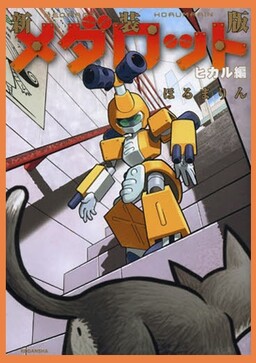
Sports / Action
Medabots
Yu's review of Medabots — Ikki Tenryo competes in Robattle tournaments using his Medabot Metabee, a customizable robot built from medal-powered parts; the manga that launched the Medabots franchise is a tight competitive action series structured around robot customization and tournament battles.
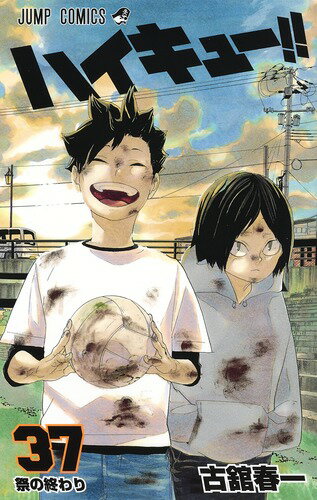
Sports
Haikyu!!
Haruichi Furudate's 45-volume volleyball manga (2012–2020) about Hinata Shoyo, Kageyama Tobio, and Karasuno High climbing from a forgotten prefectural team to the national stage — and then jumping forward years to find out what it means to keep playing after you stop being a high school student. Complete in English from VIZ Media.
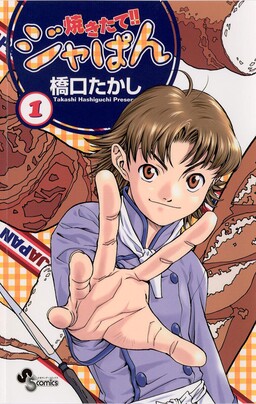
Sports / Comedy
Yakitate!! Japan
Yu's review of Yakitate!! Japan — Kazuma Azuma has supernatural hands warm enough to activate yeast perfectly, and his dream is to create a national bread for Japan; the series applies shonen battle manga structure to competitive bread-baking with completely committed absurdist comedy.
Sports / Action
Ring ni Kakero
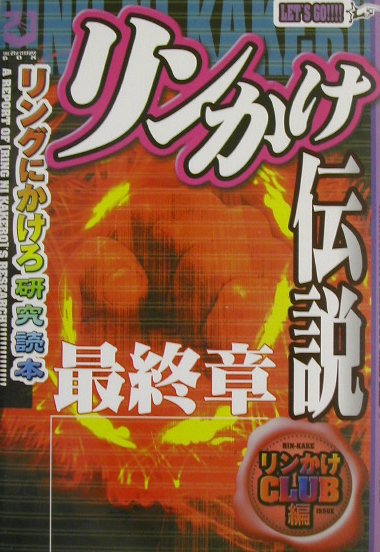
Ring ni Kakero follows Ryuji Takane and his sister Kiku through a boxing journey that begins in realism and evolves into one of manga's most spectacular supernatural combat series — the bridge between sports manga and the battle shonen that followed.
Sports / Action
Circuit Wolf
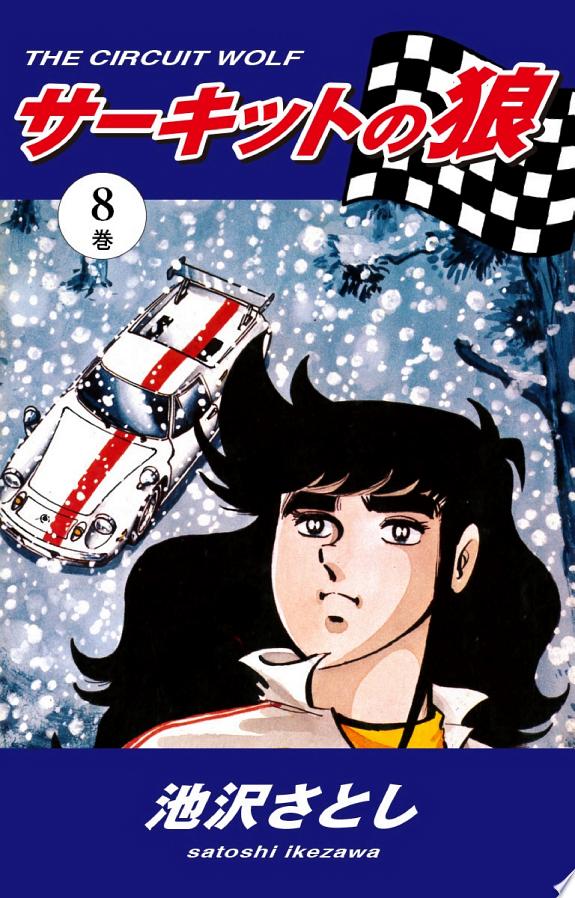
Circuit Wolf follows Yuya Fubuki, a lone-wolf street racer in a white Lotus Europa who climbs from public-road duels all the way to Formula 1 — the 1970s Weekly Shonen Jump manga that personally lit the fuse on Japan's supercar boom.

Sports / Action
Astro Kyudan
Astro Kyudan follows nine superhuman ballplayers — all born at the same instant, each marked with a baseball-shaped birthmark — assembled to fulfill the dying dream of pitcher Eiji Sawamura. Across 20 volumes and only three games, baseball stops being a sport and becomes a war you bleed for.
Written by
Yu
Manga Enthusiast from Japan
I grew up in Japan and manga literally saved me during a tough time in elementary school. My English isn't perfect, but my love for manga is real — and I want to share it with you.
Disclosure: This post contains affiliate links. As an Amazon Associate, I earn from qualifying purchases at no extra cost to you.