B・B Review: The Boxing Manga That Burned Its Own Ring Down and Walked Onto a Battlefield
by Osamu Ishiwata
Read the first volume. If it doesn't hook you, put it down. It'll hook you.
Buy B・B on Amazon →*Affiliate link — I earn a small commission at no extra cost to you.
When I was a kid, the manga that scared me most weren't the horror ones. They were the sports manga that suddenly stopped being sports manga. You start reading something safe — a kid, a ring, a rival — and then the floor drops out and the story goes somewhere you weren't ready for. B・B did that to me harder than almost anything. I started it expecting a boxing manga. By the time I looked up, the hero was a mercenary fighting bare-handed in a war, and I genuinely could not remember how we got there. It got there honestly. That's the trick of it.
Quick Take
- Osamu Ishiwata's 31-volume Weekly Shonen Sunday epic (1985–1991) — a boxing manga that mutates into a war story without ever feeling like it cheated
- Follows Takagi Ryō, nicknamed "B・B" (Burning Blood), from Yokosuka street kid to high school boxer to legendary mercenary
- Mature content: this gets violent — killing, war, blood. Rated M; not the cozy sports read the first volume promises
Story Overview
Takagi Ryō is a high schooler in Yokosuka — strong enough to be the local king of the streets, and good enough on the trumpet to be called the best in town. American soldiers on Dobuita Street watch him brawl and mutter "his blood is burning," and the nickname B・B, Burning Blood, sticks to him.
The turn comes when he loses. His "natural enemy," the genius Moriyama Jin, beats him in a street fight — Ryō's first defeat. He throws the trumpet away and picks up boxing instead, chasing the one person who proved he could be beaten. For a stretch this reads like a straight, proud boxing manga: he enters the Kanto high school tournament and starts walking the orthodox sports-manga road.
Then Ishiwata burns that road down. In the waiting room at the tournament, Ryō beats an opponent who fought dirty — and kills him. Certain the police are coming, he flees to America, and the boxing manga becomes something else entirely: underground mafia bouts, then the battlefield, where B・B becomes a legendary bare-fisted mercenary. He saves a billionaire named Gargill, who later sponsors his return as an American boxer so the long-delayed reckoning with Moriyama can finally happen. The series ran across high school rings, the mafia underworld, and actual war zones — and it doesn't end with the hero on top.
Characters
Takagi Ryō ("B・B"): The protagonist. He begins as a kid with two gifts he treats casually — fists and a trumpet — and the whole series is about which one survives contact with consequence. Losing to Moriyama starts him; killing a man in a tournament waiting room exiles him. The boy who could have been a musician becomes a mercenary, and Ishiwata never lets him fully escape what he did.
Moriyama Jin: Ryō's nemesis and equal — the genius who gives him his first defeat and the gravitational center of the whole story. While Ryō spirals through exile and war, Moriyama trains his body into what the manga calls a "steel body" and rises to become lightweight unified world champion. He is the destination Ryō keeps trying to reach.
Matsubara Koyuki: The heroine, the human thread keeping Ryō tethered to the life he left in Japan.
Takagi Ai: Family to Ryō — part of what's at stake back home while he's bleeding overseas.
Gargill: The billionaire Ryō rescues during his mercenary years, whose gratitude buys Ryō American citizenship and a path back into the ring.
What I Love About It
I love that B・B and Moriyama share the same finishing weapon: the "10-centimeter bomb," a short-range blow that travels almost no distance and ends fights anyway. That detail is the whole manga compressed into a single punch. These two are mirror images — same gift, same destructive ceiling — and the entire 31 volumes are about what each of them does with the same terrible talent. One channels it into the orthodox world and becomes a world champion. The other carries it through a killing, a war, and a battlefield. Same fist, two completely different lives.
What makes it land is that Ishiwata earns the genre swerve instead of forcing it. The killing in the tournament waiting room isn't a shock-gimmick — it's the logical end of a kid whose blood is literally always "burning," who was never going to be safely contained by rules and weight classes. Once you accept that, the leap from boxing to mercenary work stops feeling like a different manga and starts feeling like the only honest place this character could go.
Memorable Scene ⚠️ Spoiler Warning
The ending is the scene that sticks. After 31 volumes — after the trumpet, the killing, the exile, the mafia rings, the war, the citizenship bought with a billionaire's gratitude, all of it built so Ryō can finally face Moriyama — Ryō loses. The hero loses to his nemesis at the very end.
I keep coming back to how rare that is in a long shonen sports manga. The whole engine of the genre is the promise that all that suffering buys you the win. B・B spends six years of serialization earning the rematch and then refuses the payoff. Moriyama, the genius with the steel body, stays the better man in the ring. It's a downbeat, unromantic finish for a story that opened with a cocky kid who thought his burning blood made him untouchable — and it's exactly why the manga is remembered instead of forgotten.
Pros & Cons
Pros
- A genuinely wild genre evolution — boxing to mafia to war — that somehow holds together
- Takagi Ryō and Moriyama Jin make one of the great shonen mirror-rivalries
- The "10-centimeter bomb" and Ishiwata's brutal, kinetic art sell every fight
- Won the 34th Shogakukan Manga Award (1988) — recognized in its era, not just by nostalgia
Cons
- No English translation exists
- The 1985–1991 register and art feel dated to modern readers
- The tonal whiplash from sports manga to war manga will lose people who signed up for boxing
- The downer ending won't satisfy readers who want the hero to win — that's either the point or a dealbreaker depending on you
Is B・B Worth Reading?
If you want a boxing manga that has the nerve to stop being a boxing manga — that lets its hero kill, flee, fight a war, and lose at the end — B・B is one of the boldest sports series of its era. If you want a clean tournament arc with a triumphant finish, the genre swerve and the downbeat ending will frustrate you. As a piece of ambitious, award-winning 1980s Sunday manga, it's exemplary.
Where to Buy
There's no licensed English edition — the Japanese print and digital release is the only legitimate way to read it. It's all in Japanese, but that just means you find it before everyone else does.
This post contains affiliate links. If you purchase through these links, I may earn a small commission at no extra cost to you. As an Amazon Associate, I earn from qualifying purchases.
*Affiliate link — I earn a small commission at no extra cost to you.
More Manga You Might Like
Sports / Drama
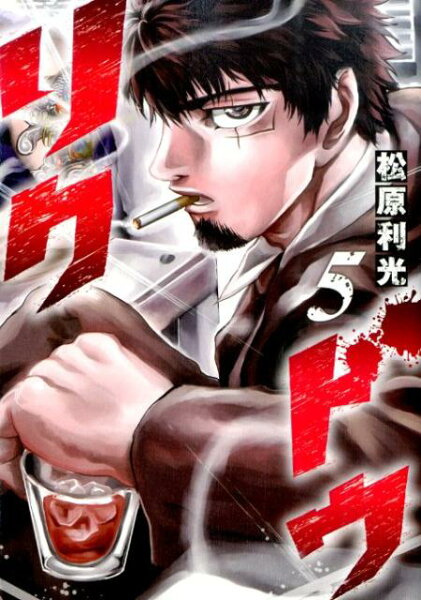
Rikudo
Rikudo follows Riku Akama, a boy whose abusive father destroyed his body and life — until boxing becomes the unlikely path through which he tries to reclaim something. A 22-volume Young Jump series whose darkness exceeded almost all boxing manga before it.
Sports / Drama
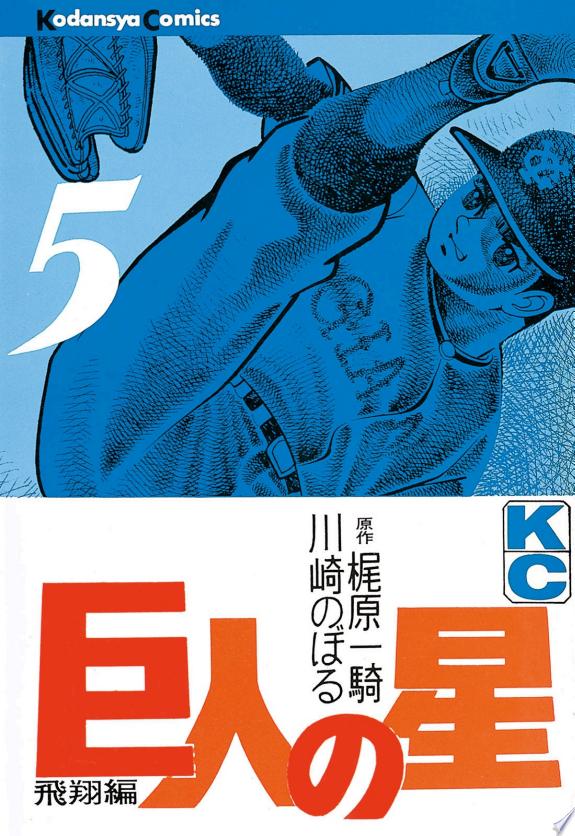
Kyojin no Hoshi
Kyojin no Hoshi follows Hyuma Hoshi, whose father — a former baseball player who never achieved his dream — has raised him from childhood to be a star pitcher for the Yomiuri Giants, through training that borders on abuse and produces a player who may be the greatest — at tremendous personal cost.
Sports / Drama
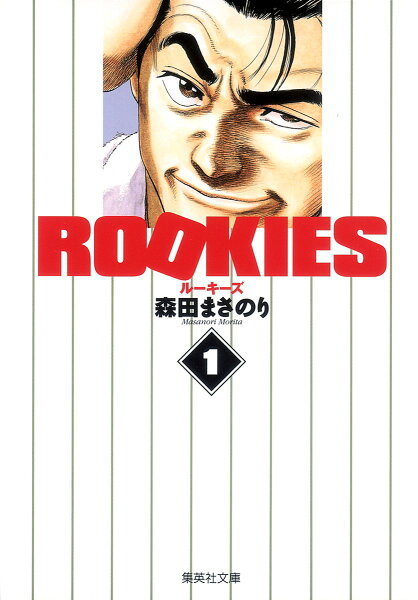
Rookies
Rookies follows Koichi Kawato, a young teacher transferred to Futakotamagawa High School who discovers a baseball club suspended after a violent incident — and decides, against all institutional advice, to coach them back to the Koshien.
Sports / Drama
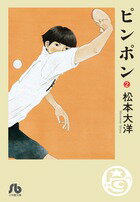
Ping Pong
Yu's review of Ping Pong — two high school table tennis players, one a prodigy who loves the game and one who hates to lose, move toward a tournament while the manga asks what it means to devote yourself to something.
Sports / Drama
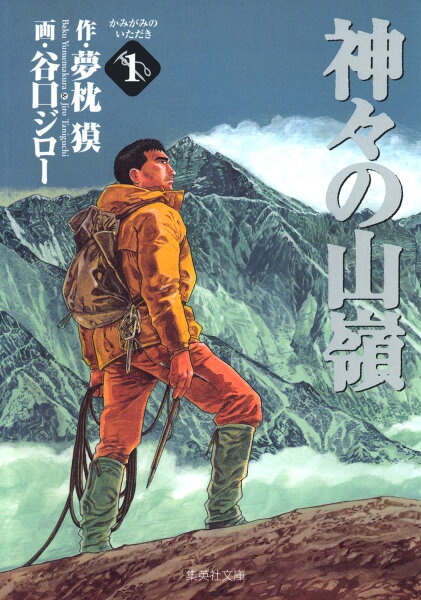
Kamigami no Itadaki
Kamigami no Itadaki is Jiro Taniguchi's 5-volume adaptation of Baku Yumemakura's mountaineering novel — Fukamachi, a journalist following the trail of a possibly-found camera that may prove George Mallory reached Everest's summit in 1924, with a Japanese alpinist's parallel obsession driving the story.
Sports / Drama
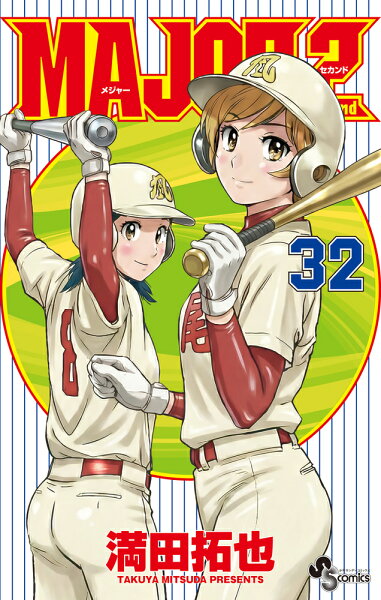
Major
Yu's review of Major — Goro Honda is the son of a professional baseball player; when loss defines his childhood, baseball becomes how he carries his father forward; the series follows Goro from little league through professional baseball across 78 volumes, one of the longest complete sports manga stories ever told.
Written by
Yu
Manga Enthusiast from Japan
I grew up in Japan and manga literally saved me during a tough time in elementary school. My English isn't perfect, but my love for manga is real — and I want to share it with you.