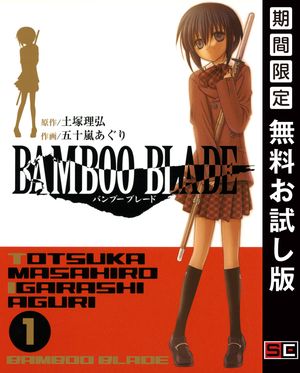
Bamboo Blade Review — The Kendo Manga Where the Strongest Girl Is the One Who Doesn't Care About Winning
by Masahiro Totsuka / Aguri Igarashi
Read the first volume. If it doesn't hook you, put it down. It'll hook you.
Buy Bamboo Blade on Amazon →*Affiliate link — I earn a small commission at no extra cost to you.
I never did a martial art. The closest I got was watching the kendo club practice through the gym window after school, because they let out at the same time I did, and the sound of shinai cracking against men was the only noise in an otherwise empty building. I was a kid with no friends and a lot of time to stand and watch things I wasn't part of. I always assumed kendo people were intense, disciplined, a little scary.
Then I read Bamboo Blade, and the strongest kendo player in the whole series turned out to be a tiny first-year girl who only got into it because it reminds her of a superhero cartoon. That broke something open in me. I'd spent years thinking the people who were good at things took those things very seriously. Tamaki Kawazoe doesn't take kendo seriously at all. She's just better than everyone. And the manga is honest enough to admit that this is sometimes a problem.
Quick Take
- A broke teacher bets a case of sushi that his kendo club can win — then has to actually build a team to cover the bet
- Warm sports comedy that hides a surprisingly real story about a prodigy who has never had to care, and what happens when she finally loses
- Age rating: T (Teen) — mild kendo violence, one teammate's bullying backstory, otherwise gentle
Story Overview
Toraji Ishida (his students call him Kojiro at one point, but he's the broke coach) teaches kendo at Muroe High School and is, financially, a disaster. His old senpai Kenzaburo offers him a deal: get a five-girl team together for a practice match, and the winner gets a year of free sushi. Toraji, who once beat Kenzaburo back in their school days and is also extremely hungry, says yes — despite the fact that his club barely functions and he doesn't have five girls.
The hunt for members is the engine of the early volumes. The find that changes everything is Tamaki Kawazoe, a quiet first-year who grew up in her father's dojo and is a genuine prodigy — except she treats kendo as a chore, not a passion. What she actually loves is a tokusatsu hero show called Blade Braver. Around her, Toraji assembles the rest: returning captain Kirino Chiba, the unsettlingly two-faced Miyako Miyazaki, the spontaneous Sayako Kuwahara, and the steady Yuji Nakata.
The series turns from comedy to something deeper roughly when Tamaki — who has never lost — finally loses. At the Kanto regional tournament she's beaten by Rin Suzuki, partly because Rin's stance triggers a memory of Tamaki's dead mother and she freezes. From there the manga stops being only about a sushi bet and becomes about what kendo means to a girl who never had to ask that question before. The club also weathers near-dissolution from internal drama and old-member friction, and the final stretch is less about trophies than about whether these eight people stay together.
Characters
Tamaki Kawazoe is the heart of the whole thing and the reason to read it. She's a prodigy who doesn't care, which sounds like a gimmick until the manga uses it to ask a real question: is talent worth anything if it's never been tested by failure? Shy and closed off at the start, she opens up slowly — notably after taking a part-time job — and her arc bends entirely around her first defeat to Rin and how she rebuilds afterward, eventually taking up the high stance she'd avoided.
Kirino Chiba is the club captain and its emotional spine. She's thrilled that Toraji is finally training them hard, not knowing his real motive is sushi. Her own arc runs quietly underneath the comedy — her mother collapses from overwork, and Kirino carries that weight while trying to hold the club together. She's also the one who makes handmade keychains for every member, a small gesture that ends up mattering enormously.
Miyako Miyazaki looks like the sweet one and is, in fact, the most quietly sadistic person in the cast. Her two-faced "innocent vs. dark" gag is funnier than it has any right to be, but she also gets real growth, working through a fear of a stalker and developing into a genuinely strong competitor.
Sayako Kuwahara is the spontaneous one who doubts herself, improves a lot under Tamaki's footwork coaching, and — crucially — is the teammate who notices Kirino struggling alone and steps in to help. Yuji Nakata is the level-headed first-year, almost Tamaki's equal in skill and the only person who actually knows why Toraji is so obsessed with winning. Rin Suzuki, the rival who hands Tamaki her first loss, turns out to be a fellow Blade Braver fan; their rivalry softens into friendship when they go see the Blade Braver movie together.
What I Love About It
What I love about Bamboo Blade is that it refuses to let Tamaki be invincible. For volumes, she just wins. She's small, she's spacey, she'd rather be watching Blade Braver, and she dismantles people who've trained their whole lives. It's funny and a little smug, and you start to think that's the whole joke — the genius who doesn't care.
Then she loses to Rin, and the reason she loses isn't that Rin is technically better. It's that Rin's stance reminds Tamaki of her mother, who is dead, and Tamaki — who has never had a reason to feel anything during a match — suddenly feels everything and freezes. That's the moment the manga earned my full attention. It took its running gag, the unbeatable airhead, and revealed the empty space underneath it: a kid who was good at kendo because it never cost her anything emotionally, finally hitting the thing it costs. Yuji and Toraji helping her process that loss is the part I think about most. It's a sports manga that understands a first defeat isn't a training montage setup — it's grief.
Memorable Scene ⚠️ Spoiler Warning
Spoiler Warning: The Kanto tournament match against Rin Suzuki is the scene that stays with me. Tamaki, who has never lost, is up against an opponent whose posture — the way she holds the shinai high — pulls up a memory of Tamaki's late mother mid-match. For the first time, the girl who treats kendo as a chore can't keep her head clear. She loses. And the manga doesn't rush her out of it. The quiet, deflated aftermath — Tamaki not knowing how to be a person who has lost, Yuji and Toraji trying to reach her — is more affecting than any victory in the book.
The other image that won't leave me is smaller: Kirino's handmade keychains. By the end, you realize each of the eight members has been carrying one through their hardest moments. For a series that opens on a sushi bet, ending on something that homemade and unglamorous is exactly right.
Pros & Cons
Pros:
- Tamaki is one of the most quietly original protagonists in any sports manga
- The first-loss arc gives real emotional weight to what looked like pure comedy
- Complete at 14 volumes, fully available in English
- Ensemble comedy (especially Miyako) lands more often than it misses
Cons:
- The early volumes are heavy on slow-build comedy before the dramatic turn arrives
- A few ensemble members get thinner arcs than the leads
- If you want intense, match-after-match tournament tension, this is a gentler beast — that's either a flaw or the whole point depending on you.
Is Bamboo Blade Worth Reading?
Yes — if you want a sports comedy that sneaks up on you. It spends its early volumes being light and funny, then uses a single loss to reveal that it was always about something sadder and more human. If you only read sports manga for high-stakes tournament adrenaline, the pacing may test you. If you want characters you'll miss after the last page, this delivers.
Yu's Rating
| Category | Score |
|---|---|
| Story Depth | ★★★★☆ |
| Art Style | ★★★★☆ |
| Character Development | ★★★★★ |
| Accessibility for Non-Japanese Readers | ★★★☆☆ |
| Reread Value | ★★★★☆ |
Similar Manga
| Title | Its Approach | How Bamboo Blade Differs |
|---|---|---|
| Chihayafuru | Female-led competitive karuta played dead seriously, with romance | Bamboo Blade is a comedy first; its prodigy doesn't even want to compete |
| Haikyu!! | High-energy ensemble volleyball built on relentless effort | Bamboo Blade's strongest player wins effortlessly — the drama is about caring, not training |
| Saki | Female ensemble built around a quiet prodigy at a competitive game | Bamboo Blade grounds its prodigy in real grief rather than supernatural ability |
Where to Buy
Read the first volume. If it doesn't hook you, put it down. It'll hook you.
This post contains affiliate links. If you purchase through these links, I may earn a small commission at no extra cost to you. As an Amazon Associate, I earn from qualifying purchases.
*Affiliate link — I earn a small commission at no extra cost to you.
More Manga You Might Like
Sports / Comedy
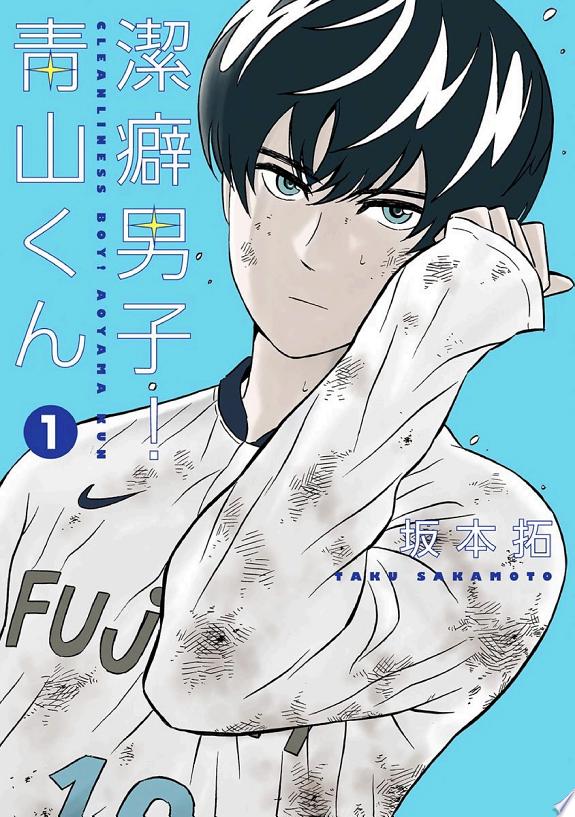
Clean Freak! Aoyama-kun
A review of Clean Freak! Aoyama-kun, the football comedy manga about a nationally talented striker who is also an extreme germaphobe.

Sports / Comedy
Keijo!!!!!!!!
A comprehensive review of Keijo!!!!!!!! — plot, characters, art style, and whether it's worth reading.
Sports
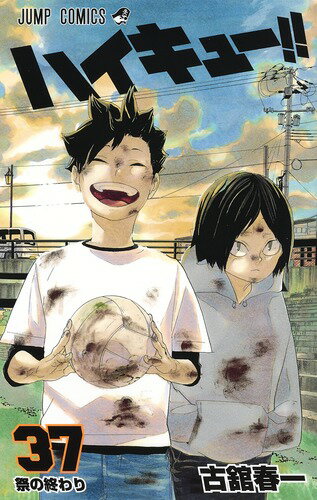
Haikyu!!
Haruichi Furudate's 45-volume volleyball manga (2012–2020) about Hinata Shoyo, Kageyama Tobio, and Karasuno High climbing from a forgotten prefectural team to the national stage — and then jumping forward years to find out what it means to keep playing after you stop being a high school student. Complete in English from VIZ Media.
Sports / Drama
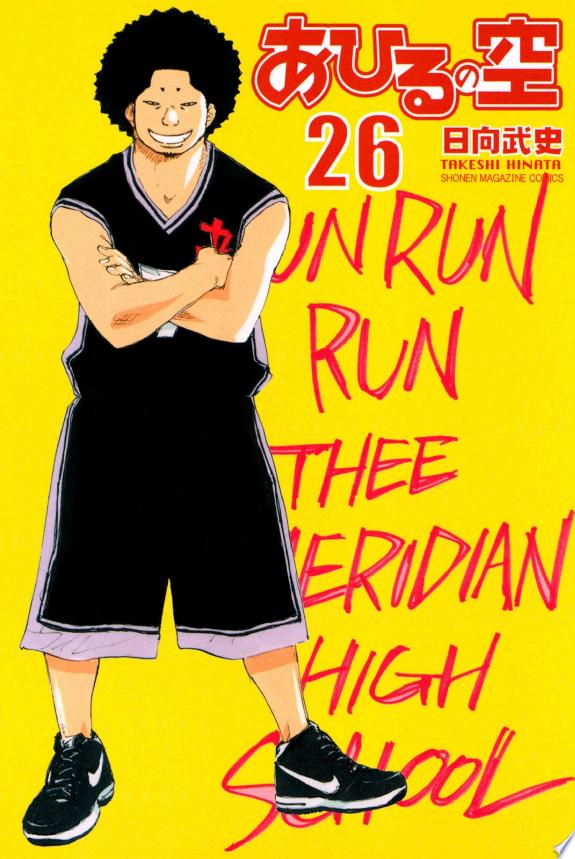
Ahiru no Sora
A review of Ahiru no Sora — a 149cm boy who promised his dying mother he'd win, joining a basketball club run by delinquents. Plot, characters, and whether it's worth reading.
Sports
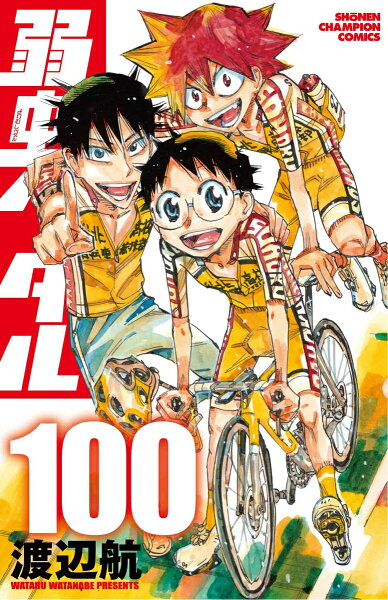
Yowamushi Pedal
Yu's review of Yowamushi Pedal — an anime otaku who rides his mama-chari to Akihabara every week is discovered by competitive cyclists who realize he has elite climbing ability without knowing it.
Sports / Comedy
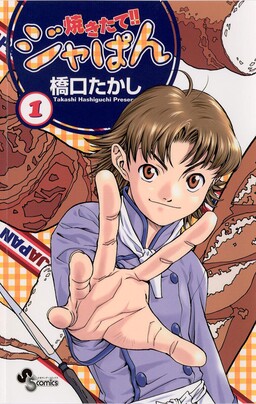
Yakitate!! Japan
Yu's review of Yakitate!! Japan — Kazuma Azuma has supernatural hands warm enough to activate yeast perfectly, and his dream is to create a national bread for Japan; the series applies shonen battle manga structure to competitive bread-baking with completely committed absurdist comedy.
Written by
Yu
Manga Enthusiast from Japan
I grew up in Japan and manga literally saved me during a tough time in elementary school. My English isn't perfect, but my love for manga is real — and I want to share it with you.
Disclosure: This post contains affiliate links. As an Amazon Associate, I earn from qualifying purchases at no extra cost to you.