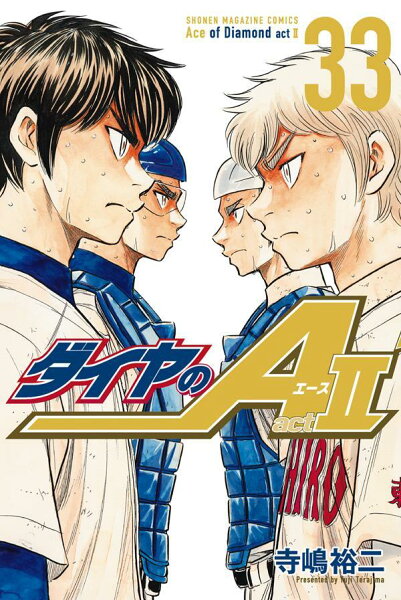
Ace of Diamond Review — The Baseball Manga Where Raw Talent Isn't Enough
by Yuji Terajima
Read the first volume. If it doesn't hook you, put it down. It'll hook you.
Buy Ace of Diamond on Amazon →*Affiliate link — I earn a small commission at no extra cost to you.
I grew up watching Koshien every August on the family TV, the cicadas screaming outside and some kid from a school I'd never heard of crying into the dirt after a final out. I never played baseball myself — I was the boy who got picked last, who hid in the library at lunch. But I understood those tears. So when I started reading Ace of Diamond, I expected another loud shonen where the new kid shows up and instantly becomes the best. Instead I got a manga that told me, very early and very plainly, that being talented isn't the same as being good. That hit me harder than any home run ever could.
This is a long series — 47 volumes, and that's just the first part — and it never once let me forget how much work hides underneath the word "ace."
Quick Take
- A rural lefty with a weird natural moving fastball joins an elite baseball program and discovers talent alone gets you nowhere
- The most technically honest baseball manga I've read — pitch mechanics, the yips, injury, and bench politics are all treated seriously
- Age rating: T (Teen) — sports intensity and a serious sports injury, but nothing graphic
Story Overview
Eijun Sawamura is a left-handed pitcher from a tiny middle school in rural Nagano. His team loses, his baseball career looks finished — and then a scout from Seido High School in Tokyo, one of Japan's elite programs, sees something in his wild, naturally curving pitches. Sawamura transfers to Seido dreaming of being its ace, and immediately runs into a wall: everyone here is good. His own classmate, Satoru Furuya, is a right-handed monster throwing 150+ km/h fastballs who makes Sawamura look like a clumsy amateur.
The early heart of the series isn't a game at all — it's Sawamura being assigned to battery practice with Chris Takigawa Yu, a third-year catcher who seems checked-out and unmotivated. Sawamura resents it. He thinks he's been paired with a has-been. Only later does he learn Chris has been sidelined for over a year by a shoulder injury, and that the grinding fundamentals Chris drills into him are meant to prevent him from breaking the same way. That arc reshapes Sawamura from a loud kid with a fluke pitch into someone who understands his own body.
The turning point of the first major stretch is brutal. In the Summer West-Tokyo tournament final against Inashiro Industrial, Sawamura hits a batter — Shirakawa — with a dead ball. Seido loses the final. And afterward, Sawamura develops the yips: he physically cannot throw inside anymore. The series doesn't hand-wave this. Recovery comes slowly, through Chris and catcher Kazuya Miyuki, and through Sawamura learning to weaponize his weakness — turning his uncontrollable natural movement into a deliberate arsenal of moving balls (the "Numbers"). The fall and spring tournaments become his road back, and the eventual claiming of the ace number is earned, not gifted.
Characters
Eijun Sawamura — The protagonist, a lefty from Nagano with an idiosyncratic, naturally moving fastball that he can't control on purpose. His arc is the whole series: from a loud kid who thinks effort and shouting are enough, through the humiliation of the bench, through the yips that strip away the one thing he could do, to a pitcher who rebuilds himself around low-and-away control and a set of moving pitches. He never becomes a prodigy. He becomes a worker.
Satoru Furuya — Sawamura's foil and rival for the ace spot. A right-hander with an overpowering fastball but limited variety and shaky consistency. Where Sawamura is all noise and grind, Furuya is quiet and instinctive. Their competition for the single ace number is the spine the team builds around — two completely different pitchers pushing each other.
Kazuya Miyuki — Seido's catcher and the smartest baseball mind on the field. He calls games with frightening precision and reads batters like open books, and he's the one who first noticed the value in Sawamura's "defective" moving ball. He's also emotionally guarded — he manages pitchers' egos better than his own, and his needling of Sawamura is both cruel and exactly the push Sawamura needs.
Chris Takigawa Yu — The character who made me love this manga. A third-year catcher whose shoulder injury cost him a year and, seemingly, his fire. Sawamura initially writes him off as someone who gave up. The reveal of his injury, and the way Sawamura's stubborn brightness slowly relights Chris's competitive spirit, turns their mentor-student bond into a two-way street. Chris teaches Sawamura the fundamentals that save his career; Sawamura gives Chris a reason to care again before he graduates.
What I Love About It
There's a moment, after Sawamura has spent weeks resenting Chris and assuming the punishing training routine is just spite, where everything flips. Miyuki rebukes him. Sawamura learns Chris has been benched for over a year by a shoulder injury — and that all those tedious body-strengthening drills were designed to keep Sawamura from ending up the same way. The manga draws Sawamura's face the instant it lands: the shame, the stupidity he feels, the sincere apology. I'd been reading shonen sports manga my whole life and I had never seen the genre slow down to say the senpai who looks lazy might just be broken.
What I love is that the payoff isn't a victory — it's understanding. Sawamura declares he wants to form a battery with Chris before Chris graduates, and the art shows Chris's eyes, drawn as nearly lifeless, regaining their vitality. Terajima frames mentorship as something that flows both ways: the mentor needs the student as much as the student needs the mentor. For a series about a national championship, the scene that stayed with me longest is two catchers and one pitcher quietly deciding to believe in each other. That's why the 47 volumes feel necessary instead of bloated. The team isn't backdrop. The team is the point.
Memorable Scene ⚠️ Spoiler Warning
Spoiler Warning: This covers the yips arc.
The dead ball is the scene that breaks the manga open. In the Summer West-Tokyo final against Inashiro Industrial, Sawamura beans a batter — Shirakawa — with an inside pitch. Seido loses the final. And then the manga does something most sports stories would never dare: it takes Sawamura's one gift away from him. He develops the yips. He literally cannot throw to the inside anymore; his arm won't obey him. The thing that scouted him out of rural obscurity is gone.
What makes it unforgettable is the recovery. Sawamura keeps practicing alone, and one night Chris quietly joins him. Chris tells him that if he can't throw inside, then he doesn't have to — he can learn to live low and away instead, and turn his uncontrollable natural movement into something deliberate. He says it's something he'd always wanted to tell him. Reading that, after watching Sawamura's whole identity collapse, I cried — and I'm not the only reader who did; it's one of the most cited scenes in the fanbase. It reframes a disability as a doorway. Sawamura doesn't get his old pitch back. He builds a better pitcher around the wound.
Pros & Cons
Pros:
- Genuinely accurate baseball — pitch mechanics, the yips, injury, and bench dynamics are all real
- The ensemble (Furuya, Miyuki, Chris, the whole bench) is richly developed, not filler
- The Chris mentorship arc and the yips recovery are some of the best character writing in sports manga
- Complete in Japanese (47 volumes), with a full continuation in Act II
Cons:
- The official English release is far behind the completed Japanese run
- 47 volumes (plus 34 of Act II) is an enormous commitment
- The pacing through the middle tournaments is slow — that's either a flaw or the entire appeal depending on how much you love the grind of real baseball
Is Ace of Diamond Worth Reading?
If you want a sports manga that respects the sport — where talent isn't enough, injuries are permanent, and an ace is forged through tedium and setbacks rather than a single magic pitch — then yes, absolutely. If you want quick, individual-hero wins, the length and the slow middle will test you. For team-baseball obsessives, this is close to the genre's gold standard.
Similar Manga
| Title | Its Approach | How Ace of Diamond Differs |
|---|---|---|
| Cross Game | Baseball wrapped in quiet romance and grief | Ace of Diamond is pure team competition with far more technical detail |
| Big Windup! | Psychological focus on one anxious pitcher | Ace of Diamond spreads its drama across a whole elite roster |
| Slam Dunk | Different sport, but the same team-building euphoria | Ace of Diamond trades comedy for procedural baseball realism |
Official English Translation Status
Status: Ongoing (digital, via Kodansha) Publisher: Kodansha Comics Volumes Available in English: roughly 26 of 47 — the English release trails the completed Japanese run
Where to Buy
Read the first volume. If it doesn't hook you, put it down. It'll hook you.
This post contains affiliate links. If you purchase through these links, I may earn a small commission at no extra cost to you. As an Amazon Associate, I earn from qualifying purchases.
*Affiliate link — I earn a small commission at no extra cost to you.
More Manga You Might Like
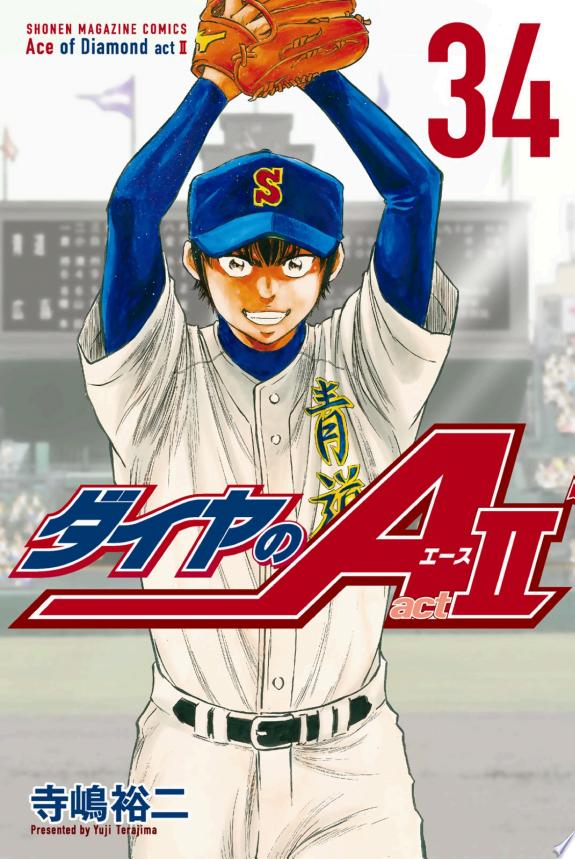
Sports / Drama
Diamond no Ace
Yu's review of Diamond no Ace — a loud, raw country pitcher transfers to powerhouse Seido High and has to claw his way toward the ace number behind a teammate who is simply more talented. One of the most patient, technically honest baseball manga ever drawn.
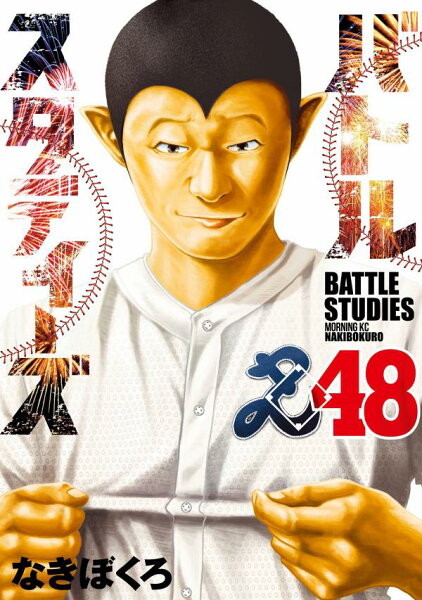
Sports / Drama
Battle Studies
A review of Battle Studies, Nakibokuro's brutally honest baseball manga set at DL Gakuen, a powerhouse high school modeled on the author's real years inside PL Gakuen's notorious baseball dorm.
Sports / Romance
Touch
Twin brothers Tatsuya and Kazuya Uesugi live next door to Minami Asakura. Kazuya is the baseball genius. Tatsuya is the slacker. Minami's dream is to see one of them pitch at Koshien. Then volume 6 happens, and Mitsuru Adachi's 1981 baseball manga becomes the work that defined Japanese sports manga forever.
Sports / Drama
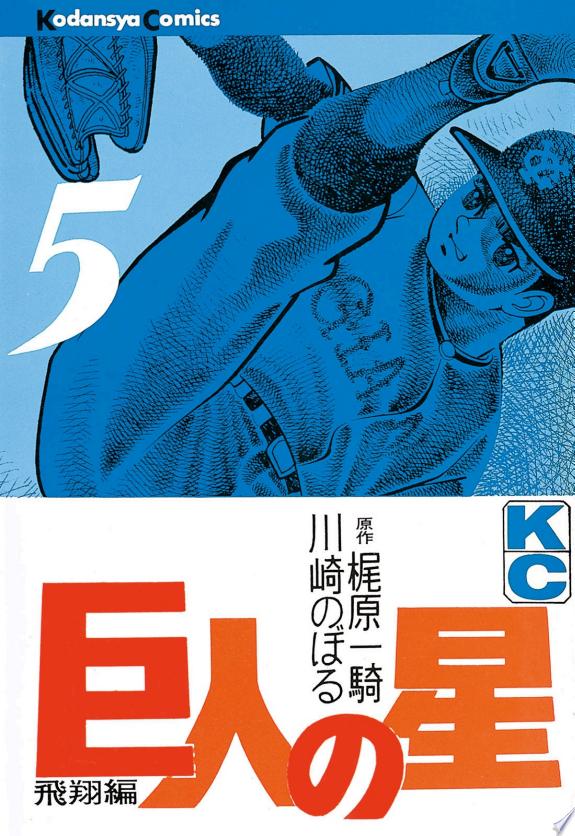
Kyojin no Hoshi
Kyojin no Hoshi follows Hyuma Hoshi, whose father — a former baseball player who never achieved his dream — has raised him from childhood to be a star pitcher for the Yomiuri Giants, through training that borders on abuse and produces a player who may be the greatest — at tremendous personal cost.
Sports / Drama
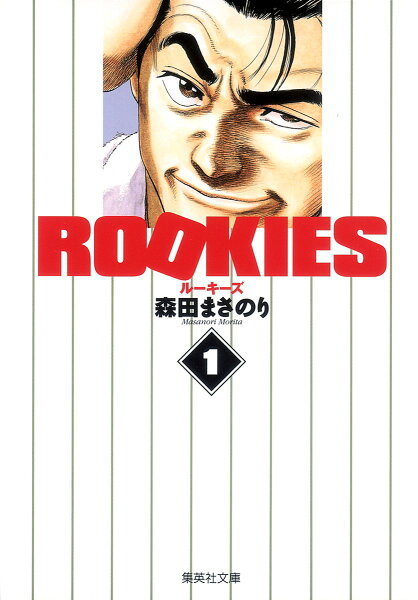
Rookies
Rookies follows Koichi Kawato, a young teacher transferred to Futakotamagawa High School who discovers a baseball club suspended after a violent incident — and decides, against all institutional advice, to coach them back to the Koshien.
Sports / Psychological
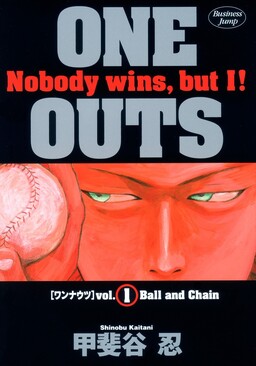
One Outs
A comprehensive review of One Outs — plot, characters, art style, and whether it's worth reading.
Written by
Yu
Manga Enthusiast from Japan
I grew up in Japan and manga literally saved me during a tough time in elementary school. My English isn't perfect, but my love for manga is real — and I want to share it with you.
Disclosure: This post contains affiliate links. As an Amazon Associate, I earn from qualifying purchases at no extra cost to you.