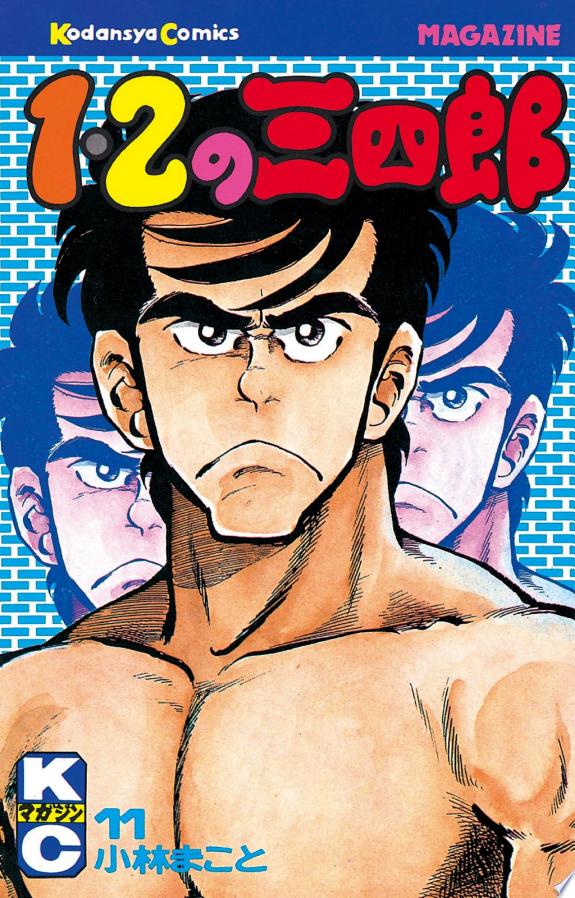
1-2 no Sanshiro Review: A Sports Manga That Couldn't Decide on a Sport — So It Played All of Them
by Makoto Kobayashi
Read the first volume. If it doesn't hook you, put it down. It'll hook you.
Buy 1-2 no Sanshiro on Amazon →*Affiliate link — I earn a small commission at no extra cost to you.
When I was a kid, I was sure I had to pick one thing. One sport, one club, one identity, and then be good at it forever or be nothing. I wasn't good at anything, so that math never worked out for me. Then years later I read 1-2 no Sanshiro, a manga about a guy who joins a rugby club, gets thrown out of it, lands in judo, and ends up a professional wrestler — and never once acts like he failed at any of it. He just keeps falling forward into the next thing, laughing the whole way. I think I needed that more than I knew.
This is one of those old Weekly Shonen Magazine series that doesn't get talked about much in English, which is a shame, because it's funny in a way a lot of modern manga has forgotten how to be. Makoto Kobayashi clearly loved drawing it, and that love is the first thing you feel.
Quick Take
- Makoto Kobayashi's 20-volume comedy that ran in Weekly Shonen Magazine from 1978 to 1983, winning the 5th Kodansha Manga Award in the shonen category (1981)
- A genre-hopping sports gag manga: rugby, then judo, then full-blown pro wrestling, all anchored by the same goofy cast
- Rated T (Teen) — slapstick sports violence and dated-but-mostly-innocent 1980s gags; safe for most readers
Who Is This Manga For?
- Sports comedy readers who want to see the genre at its loose, anything-goes 1980s peak
- Pro wrestling fans curious about a manga that grows from a school gag strip into a wrestling story
- Kobayashi readers who loved What's Michael? and want the longer shonen work that came before it
- Anyone who likes a series that refuses to stay in one lane
Story Overview
Sanshiro Azuma is a high schooler with absurd natural athleticism and the attention span of a golden retriever. He's a first-rate rugby player who, in classic Kobayashi fashion, gets pushed out of the rugby club after taking the fall for a teammate. Instead of sulking, he washes up in the school's dying judo club, and together with his friends turns it into a combined combat-sports club so a misfit crew of fighters can all train under one roof.
From there the high-school stretch runs on judo. The crew aims for the Inter-High tournament, facing off against stronger schools while Kobayashi keeps undercutting every dramatic beat with a joke. The judo isn't a backdrop — matches are drawn with real weight — but the comedy never lets the series take itself too seriously.
Then the series does the thing that makes it special: it grows up. Sanshiro, whose private obsession was always pro wrestling, tries out for New Tokyo Pro Wrestling in the summer of his final high-school year. During the tryout, a legendary heel wrestler named Sakura Goro crashes in, and Sanshiro is so taken with him that he ditches the big promotion to become Sakura's apprentice instead, joining his ragtag "Himawari" group. The catch: Sakura runs a children's daycare (Himawari nursery) in Yokohama, so Sanshiro and his friends end up working as nursery caretakers by day and chasing a championship by night. The manga follows him out of school and all the way into adulthood as a working pro wrestler.
Characters
Sanshiro Azuma: The engine of the whole thing. He doesn't choose any of his sports — rugby, judo, wrestling all happen to him — and his charm is that he meets each one with the same wide-open, slightly dumb enthusiasm. His arc is less "kid masters a sport" and more "kid stumbles from boyhood into adulthood without ever losing his goofiness," ending up apprenticed to the wrestler he idolized.
Shino Hojo: The heroine, beautiful and capable, but — and this is the joke — never spared by Kobayashi. He refuses to put her on a pedestal; she gets dragged into the gags and broken down just as hard as the guys. That willingness to make his love interest the butt of the joke is a big part of the series' tone.
Umanosuke Nishigami: Sanshiro's Osaka-born rival-slash-buddy, a serious wrestling talent who wins at the high-school level. After graduation he follows Sanshiro into pro wrestling (while loudly insisting he absolutely did not follow Sanshiro), joining the Himawari group too.
Torakichi Minamikoji: Another of Sanshiro's friends from the combat club, a karate guy who's also genuinely good at drawing — he ends up working at the nursery alongside the others while aiming to become a manga artist, a sly little self-insert from Kobayashi.
Sakura Goro: The legendary villain wrestler who becomes Sanshiro's master. He's a fearsome heel in the ring and a daycare director out of it, and that contradiction is the comic heart of the wrestling arc.
Art Style
Kobayashi's line work has that lean, kinetic Weekly Shonen Magazine energy — expressive, rubber-faced characters for the gags, then a sudden shift into real anatomy and impact when a judo throw or a wrestling slam actually lands. The ability to flip between cartoon and credible action on the same page is exactly why a 20-volume run that changes sports three times never feels like it's straining.
Cultural Context
1-2 no Sanshiro ran from 1978 to 1983, and its drift into pro wrestling tracks the era's puroresu boom in Japan, when professional wrestling was at the center of pop culture. Kobayashi would go on to create What's Michael? (the cat comedy that got him known internationally), but this is the long-form shonen series that built his name first — and it's the one that earned him a Kodansha Manga Award.
What I Love About It
What I love is that this manga doesn't believe you have to pick a lane to have a life.
Most sports manga is built on specialization — one boy, one sport, ten thousand hours. 1-2 no Sanshiro throws that whole premise out. Sanshiro goes from rugby to judo to professional wrestling, and the series treats none of those pivots as a failure or a fresh start. They're just the next room he wandered into. As an English-language blogger put it, the story is "fluid" with genre in a way modern manga, with its narrow niches, has mostly abandoned — it's a mishmash that holds together because it's really about the cast, not the sport.
And the cast holds because Kobayashi obviously adores them, gags and all. He even refuses to protect his pretty heroine from the comedy — Shino takes the same beating from the jokes as the guys do. There's a generosity in that, a sense that everyone here is a real, ridiculous person and not a type. You finish a volume liking these idiots, and you like them because the author so clearly did first.
What English-Speaking Fans Say
There's almost no mainstream English awareness, since the series was never licensed. The pocket of English readers who know it — usually through Kobayashi's What's Michael? or through raw-manga blogs — describe it as a sitcom that keeps surprising you by turning into a real sports manga, praised for how loosely and confidently it slides between rugby, judo, and pro wrestling without ever losing its comic footing.
Memorable Scene ⚠️ Spoiler Warning
The turning point I can't forget is Sanshiro's pro-wrestling tryout. He's finally chasing his real dream — getting into New Tokyo Pro Wrestling, the big legitimate promotion — and then the legendary heel Sakura Goro barges into the tryout. In the span of that scene Sanshiro changes his entire future on a whim: he walks away from the prestigious offer to instead apprentice himself to this disreputable villain wrestler, and follows him into the Himawari group.
It's such a perfect crystallization of who Sanshiro is. A normal hero takes the obvious good path; Sanshiro takes the path that excites him in the moment, consequences be damned, and that's exactly why you root for him. The gag-on-top is that "becoming a pro wrestler" turns out to mean changing diapers at Sakura's daycare by day — and the manga commits to that absurdity completely. The series even ends on a joke in the same spirit: the main couple getting caught trying to sneak into a love hotel, comedy to the very last page.
Pros & Cons
Pros
- A genre-hopping structure (rugby → judo → pro wrestling) that stays fresh across 20 volumes
- Kobayashi's comedy is warm and democratic — even the heroine is in on the jokes
- Real sports weight under the gags; the matches actually land
- A Kodansha Manga Award winner, complete and self-contained
Cons
- No English translation exists
- 1980s comic timing and period attitudes feel dated to modern eyes
- The wrestling arc assumes some affection for the era's puroresu culture
- The loose, sitcom-like structure means it meanders — that's either a charm or a flaw depending entirely on you
Is 1-2 no Sanshiro Worth Reading?
If you can read Japanese and you love sports comedy, yes — this is one of the warmest, most freewheeling examples the genre ever produced, and an award winner for good reason. If you need tight modern pacing, a single clean sport, or you bounce off vintage 1980s humor, it'll feel like a relic. For everyone else, it's a delight that more people should know.
Similar Manga
| Title | Its Approach | How 1-2 no Sanshiro Differs |
|---|---|---|
| Tiger Mask | Pro wrestling as mythic, tragic drama | 1-2 no Sanshiro plays wrestling for warmth and comedy, not tragedy |
| Hajime no Ippo | One protagonist, one sport, mastered over time | 1-2 no Sanshiro hops between rugby, judo, and wrestling and never specializes |
| What's Michael? | Kobayashi's gag sensibility in short cat-comedy form | Same author's humor, but stretched into a long-form sports narrative |
Reading Order / Where to Start
Volume 1. The cast and the rugby-to-judo handoff are set up early, and the later pro-wrestling arc only pays off if you've watched these characters grow up from the start.
Official English Translation Status
1-2 no Sanshiro has no official English translation. There's no licensed English edition — the Japanese print and digital releases from Kodansha are the only legitimate way to read it.
Where to Buy
No English release yet. That just means you find it before everyone else does.
You can pick up the Japanese volumes here:
Search 1・2の三四郎 on Amazon.co.jp →
This post contains affiliate links. If you purchase through these links, I may earn a small commission at no extra cost to you. As an Amazon Associate, I earn from qualifying purchases.
*Affiliate link — I earn a small commission at no extra cost to you.
More Manga You Might Like
Sports / Comedy
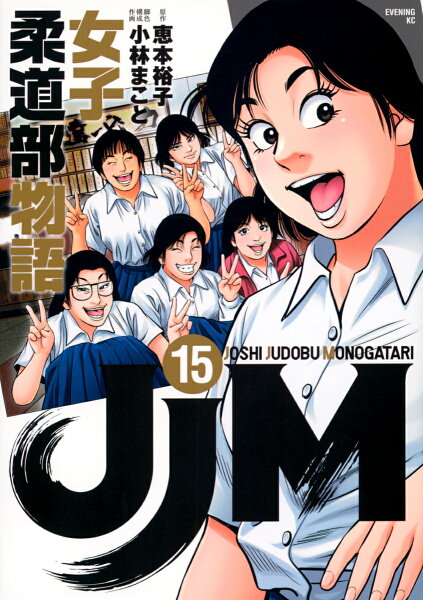
Judo Club Story
Judo Club Story follows Sanshiro Fujimaki, a high school freshman who joins the judo club by mistake and discovers — against his will and better judgment — that he is genuinely good at judo.
Sports / Comedy
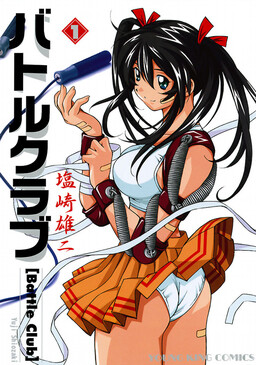
Battle Club
Yu's review of Battle Club — Mokichi joins Swan Academy's wrestling club to get close to Tamako and ends up dragged into a world of real grappling technique, rival schools, and the underground NOB tournament. A 6-volume seinen wrestling comedy from Yuji Shiozaki, creator of Battle Vixens, loaded with both genuine sport and relentless fanservice.
Sports / Romance
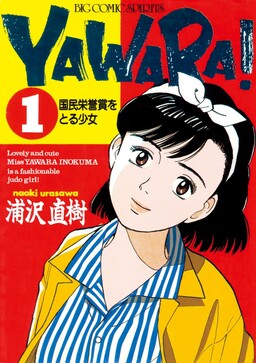
Yawara! A Fashionable Judo Girl
Yu's review of Yawara! — Yawara Inokuma is the granddaughter of a legendary judo master who has trained her since childhood to be a world champion; she has extraordinary talent and absolutely no desire to compete; what follows is her journey toward the Barcelona Olympics despite her own resistance.
Sports / Comedy
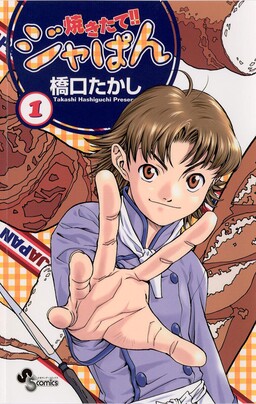
Yakitate!! Japan
Yu's review of Yakitate!! Japan — Kazuma Azuma has supernatural hands warm enough to activate yeast perfectly, and his dream is to create a national bread for Japan; the series applies shonen battle manga structure to competitive bread-baking with completely committed absurdist comedy.
Sports / Drama
Ore wa Teppei
Ore wa Teppei follows Teppei, a wild boy raised in the mountains who comes to the city and discovers judo — a story about raw talent meeting structured discipline, and what happens when someone who has never been constrained learns to choose constraint.
Sports / Comedy
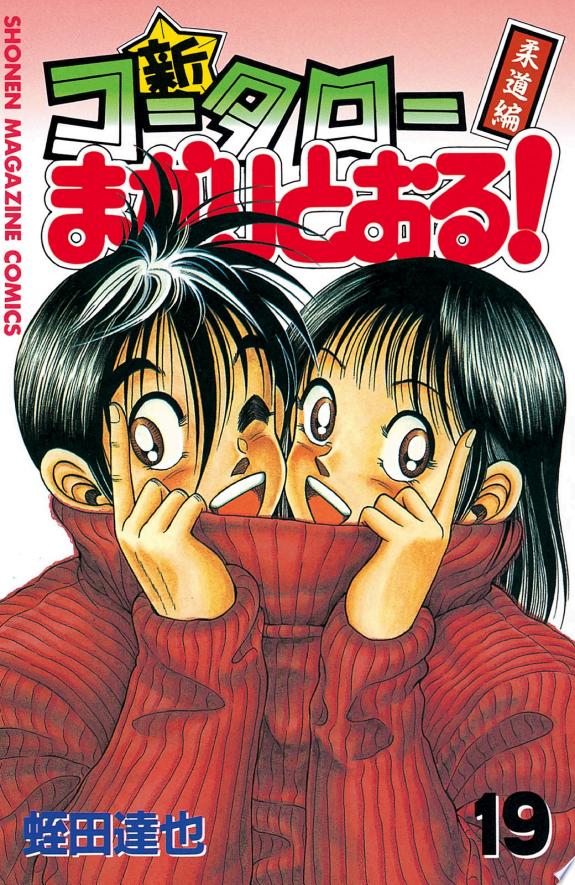
Kotaro Makaritoru
Kotaro Makaritoru follows Kotaro Shindo, a karate expert at a Japanese high school whose combination of martial prowess, persistent cheerfulness, and complete obliviousness to normal social rules makes every school day into an event.
Written by
Yu
Manga Enthusiast from Japan
I grew up in Japan and manga literally saved me during a tough time in elementary school. My English isn't perfect, but my love for manga is real — and I want to share it with you.