
What a Wonderful World! Review: Inio Asano's Short Stories About Living in the Ordinary World
by Inio Asano
Read the first volume. If it doesn't hook you, put it down. It'll hook you.
Buy What a Wonderful World! on Amazon →*Affiliate link — I earn a small commission at no extra cost to you.
Quick Take
- Asano in his most accessible register — these short stories about ordinary people in contemporary Japan show his visual and character skills without the sustained darkness of his longer works
- The best entry point for readers new to Asano who want to understand what his appeal is before committing to Punpun
- 2 volumes complete; warm-despite-everything anthology
Who Is This Manga For?
- Readers new to Inio Asano who want an introduction before the longer works
- Anyone who wants short story manga with genuine character skill
- Fans of contemporary Japanese slice-of-life with literary ambition
- Readers looking for complete anthology manga
Content Warnings & Age Rating
Age Rating: T+ (Older Teen) Content Warnings: Adult themes in some stories; existential content; some mature situations; anthology structure means variation in content level
T+ rating — older teen readers; accessible compared to Asano's other work.
Yu's Rating
| Category | Score |
|---|---|
| Story Depth | ★★★★☆ |
| Art Style | ★★★★★ |
| Character Development | ★★★★☆ |
| Accessibility for Non-Japanese Readers | ★★★★★ |
| Reread Value | ★★★★☆ |
Story Overview
A series of short stories, each featuring different characters in contemporary Japan — young people at crossroads, people finding unexpected connections, moments where the ordinary opens up to something more. The stories are loosely connected by recurring minor characters and the shared atmosphere of Asano's contemporary Japan.
The tone is notably warmer than his later work — these are people finding small meanings rather than large devastations. The world is still difficult but not hostile.
Characters
Various protagonists across the stories — each given enough development within their story's space to feel like a complete person rather than a type.
Art Style
Asano's photorealistic background work is present from the beginning of his career — the contemporary Japanese settings are depicted with the same urban specificity that makes his longer works feel real.
Cultural Context
What a Wonderful World! ran in Monthly Shōnen Sunday in the early 2000s, before Asano's major works. The anthology format allowed him to develop his character and visual approach without the sustained commitment of a long series.
What I Love About It
The optimism. By his later work's standards, What a Wonderful World! is almost sunny — the characters are not consumed by their difficulties. For readers who find Goodnight Punpun too heavy, this is where to see what Asano does when he's being gentle.
What English-Speaking Fans Say
Western readers describe What a Wonderful World! as the accessible Asano — specifically noted for the short story format allowing readers to experience his visual and character skills without the extended commitment of his longer works, for the anthology's warmth being surprising given his reputation, and for the art being exceptional from the beginning. Consistently recommended as an introduction.
Memorable Scene ⚠️ Spoiler Warning
The story where two characters find something together that neither of them was looking for — and the story ends at the exact moment before the complications arrive — is the anthology at its most Asano: hopeful precisely because it ends before hope is tested.
Similar Manga
- Goodnight Punpun — Asano's extended major work; harder
- Solanin — Asano's warmest extended work
- A Girl on the Shore — Asano's most concentrated difficult work
- Yokohama Shopping Log — Similar warmth about contemporary Japan
Reading Order / Where to Start
Volume 1 — short stories, can be read in any order.
Official English Translation Status
Viz Media published the complete English series. Both volumes available.
Pros & Cons
Pros
- Best entry point to Asano's work
- Short story format allows variety
- Warmer than his reputation suggests
- Art is exceptional
Cons
- Shorter form means less development per character
- Some stories weaker than others
- Not his most ambitious work
Format Comparison
| Format | Notes |
|---|---|
| Individual Volumes | Viz Media; complete series |
| Digital | Available |
Where to Buy
Read the first volume. If it doesn't hook you, put it down. It'll hook you.
This post contains affiliate links. If you purchase through these links, I may earn a small commission at no extra cost to you. As an Amazon Associate, I earn from qualifying purchases.
*Affiliate link — I earn a small commission at no extra cost to you.
More Manga You Might Like
Slice of Life
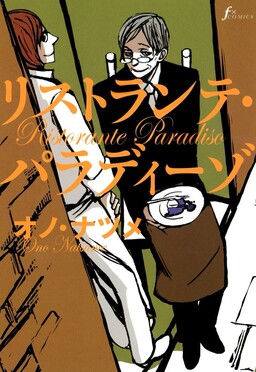
Ristorante Paradiso
Yu's review of Ristorante Paradiso — Nicoletta travels from her hometown to Rome to confront her mother, who left her as a child; her mother's husband doesn't know she exists; the restaurant Casetta dell'Orso, staffed entirely by older bespectacled gentlemen, becomes the setting for Nicoletta's unexpected new life.

Slice of Life
House of Five Leaves
Yu's review of House of Five Leaves — Masanosuke Akitsu is a master swordsman too timid to keep a job, until the charismatic Yaichi hires him as bodyguard for the Five Leaves, an Edo kidnapping gang whose leader is hiding a brutal past.
Slice of Life
Nasu
Nasu collects Iou Kuroda's short manga stories — quiet, precise vignettes centered on food, travel, and the moments when ordinary life opens briefly into something larger, then closes again.
Slice of Life
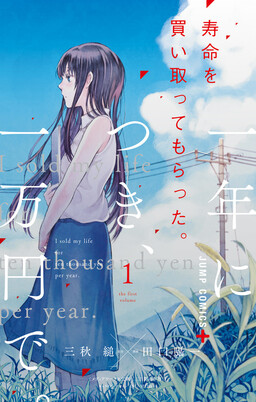
Three Days of Happiness
Yu's review of Three Days of Happiness — in a world where you can sell your remaining lifespan for money, Kusunoki sells most of his and discovers he has only three months left; manga adaptation of Sugaru Miaki's novel about what matters when time is finite.
Slice of Life
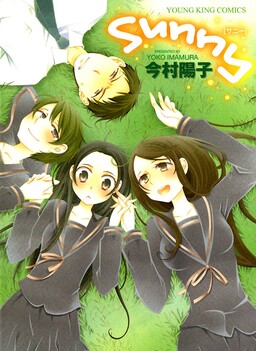
Sunny
Yu's review of Sunny — at a group home for children whose families cannot take care of them, a broken-down old car called Sunny becomes a private space where the children go to be alone; Taiyo Matsumoto's meditation on childhood longing, on what it means to be left, and on how children find ways to survive what adults do to them.
Slice of Life
not simple
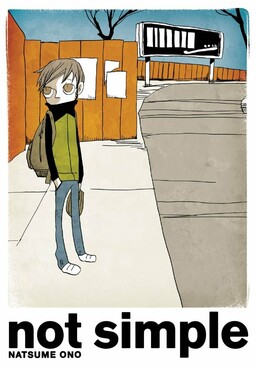
Yu's review of not simple — Ian is an English young man whose life has been defined by loss, abuse, neglect, and a desperate search for his sister; the manga tells his story in non-linear fragments, assembled by a journalist writing a novel about Ian's life, asking what it means to witness someone's suffering and what fiction can do with it.
Written by
Yu
Manga Enthusiast from Japan
I grew up in Japan and manga literally saved me during a tough time in elementary school. My English isn't perfect, but my love for manga is real — and I want to share it with you.
Disclosure: This post contains affiliate links. As an Amazon Associate, I earn from qualifying purchases at no extra cost to you.