
Wagnaria!! Review: A Family Restaurant Full of Employees With Problems, and the Boy Who Has to Work Alongside All of Them
by Karino Takatsu
Read the first volume. If it doesn't hook you, put it down. It'll hook you.
Buy Wagnaria!! (Working!!) on Amazon →*Affiliate link — I earn a small commission at no extra cost to you.
Quick Take
- A workplace comedy set in a family restaurant where every employee has exactly one defining character trait taken to an absurd extreme
- Karino Takatsu's comedic structure is precise — 13 volumes, complete, the ensemble cast never stops being funny
- The romance that develops beneath the comedy is the series' best-kept secret
Who Is This Manga For?
- Readers who want ensemble workplace comedy with characters defined by specific, escalating quirks
- Fans of the anime who want the complete story
- Anyone who wants completed slice of life comedy manga
- Readers who want comedy that hides genuine romance
Content Warnings & Age Rating
Age Rating: T (Teen) Content Warnings: Light slapstick violence, mild mature humor in workplace context
Standard T-rated comedy manga.
Yu's Rating
| Category | Score |
|---|---|
| Story Depth | ★★★☆☆ |
| Art Style | ★★★★☆ |
| Character Development | ★★★★☆ |
| Accessibility for Non-Japanese Readers | ★★★★★ |
| Reread Value | ★★★★☆ |
Story Overview
Souta Takanashi likes small things. He is approached by a tiny girl named Popura Taneshima asking him to work at Wagnaria — a family restaurant — because she thinks he is a good person and they need staff. He agrees because she is small.
His coworkers: Mahiru Inami, who has been conditioned to punch men reflexively; Yachiyo Todoroki, the floor chief who carries a katana at work; Jun Satou, the head chef who is in love with Yachiyo and has been for years without saying so; Hiroomi Souma, who collects coworkers' secrets; and the manager who is technically always present but never visible.
13 volumes of escalating chaos follow, with a genuine romantic through-line underneath.
Characters
Takanashi Souta — His fondness for small things and his specific density about his own feelings are the series' constant comedic foundation.
Inami Mahiru — Her androphobia (conditioned by an over-protective father) and her developing feelings for Takanashi are the series' central romantic tension; her arc is the series' most complete.
Satou and Yachiyo — The secondary romance; Satou has been in love with Yachiyo for the entire series and she does not notice; the eventual resolution is the series' most earned payoff.
Popura Taneshima — She started the whole thing. Her specific frustration about being the person everyone calls small is the series' most consistent running joke.
Art Style
Takatsu's art is clean and character-expression-focused — the comedy relies heavily on timing and reaction faces, and the art handles both with precision. The restaurant setting is consistent and functional rather than detailed.
Cultural Context
The family restaurant as a workplace is a specifically Japanese institution — the uniform service standards, the hierarchy of floor staff and kitchen staff, the specific customer interaction protocols — give the comedy its structure. Some jokes depend on understanding what a Japanese family restaurant is supposed to look like from the outside.
What I Love About It
Satou's love for Yachiyo. He has been in love with her for the entire series. He makes her food. He protects her from the people who make her uncomfortable. He does not say anything because she is too focused on the manager to notice anyone around her. His specific, patient, completely unexpressed devotion is the series' most affecting running element, and when it finally comes to its resolution, the series earns it.
What English-Speaking Fans Say
Western readers praise Wagnaria's ensemble comedy as one of the most consistently funny in manga — each character is defined by exactly one escalated quirk and the series never runs out of ways to make those quirks interact. The Inami/Takanashi romance is cited as developing more naturally than expected given the comedy frame.
Memorable Scene ⚠️ Spoiler Warning
The resolution of the Satou/Yachiyo storyline — years of patience finally arriving at the moment that matters — is the series' best single chapter and the one that shows what the comedy was always capable of when it wanted to be something else.
Similar Manga
- Servant x Service — Same author; government office setting, similar ensemble comedy
- Teasing Master Takagi-san — Romance hidden in comedy structure
- Aharen-san wa Hakarenai — Workplace/school adjacent, comedic central relationship
- Monthly Girls' Nozaki-kun — Romance comedy, ensemble cast
Reading Order / Where to Start
Volume 1 — the ensemble establishes quickly and the comedy begins in the first chapter.
Official English Translation Status
Yen Press published the complete 13-volume series. All volumes available.
Pros & Cons
Pros
- 13 volumes, complete
- Ensemble comedy that never runs out of ways to use its characters
- The Satou/Yachiyo arc is a beautiful payoff
- Consistent pacing throughout
Cons
- The character-defined-by-one-quirk structure can feel thin
- The manager's running joke (never being present) is the series' weakest recurring element
- Some readers want more narrative development
Format Comparison
| Format | Notes |
|---|---|
| Individual Volumes | Yen Press; standard |
| Digital | Available |
Where to Buy
Read the first volume. If it doesn't hook you, put it down. It'll hook you.
This post contains affiliate links. If you purchase through these links, I may earn a small commission at no extra cost to you. As an Amazon Associate, I earn from qualifying purchases.
*Affiliate link — I earn a small commission at no extra cost to you.
More Manga You Might Like

Slice of Life / Romance
Dasei 67%
Dasei 67% follows art-school student Minami Yoshizawa and the three friends who never leave her tiny apartment, drifting through a college life that runs on about 67% effort and 100% dumb, lovable inertia.
Slice of Life / Romance
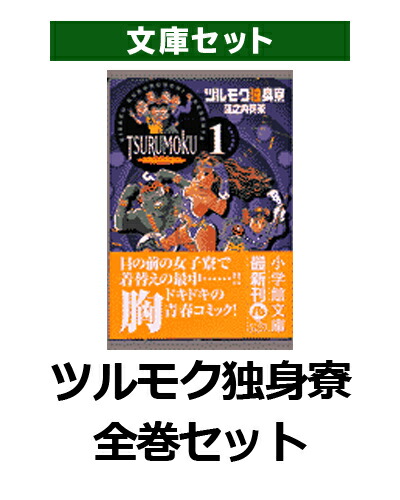
Tsurumoku Dokusin-ryo
Tsurumoku Dokusin-ryo follows young workers living in their company's bachelor dormitory — a comedy of closeness, romantic complications, and the specific texture of young adult working life in Japan when everyone you know also lives where you work.
Slice of Life / Comedy
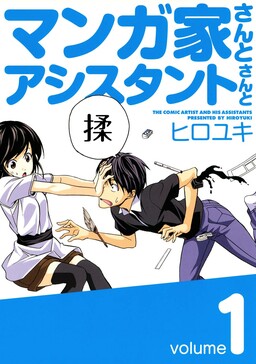
Mangaka-san to Assistant-san to
Yu's review of Mangaka-san to Assistant-san — manga artist Aito Yuuki draws romance manga but has never had a girlfriend; his assistant Ashisu Sahoto helps him understand women so he can write them authentically, which leads to increasingly absurd 'research' situations.

Slice of Life / Romance
Wotakoi: Love Is Hard for Otaku
Yu's review of Wotakoi — Narumi hides her fujoshi hobby at every job she has ever had; at her new job she discovers her childhood friend Hirotaka is there, and he knows all her secrets; they start dating, and navigate being adult otaku in a relationship together.
Slice of Life / Comedy
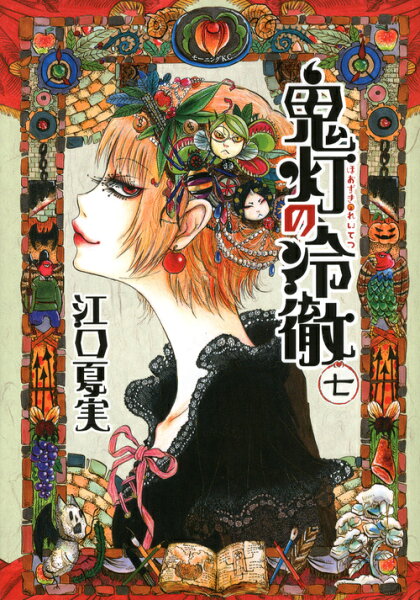
Hozuki's Coolheadedness
Hozuki is the deadpan, sadistic chief aide to King Enma of the Japanese Hell — and the only person keeping the afterlife's enormous bureaucracy from collapsing. This is his workplace comedy.
Slice of Life / Comedy
Hinamatsuri
Yu's review of Hinamatsuri — a metal pod drops a deadpan telekinetic girl named Hina onto a yakuza man's head, and the deadpan comedy slowly turns into one of the most quietly moving found-family manga I've ever read.
Written by
Yu
Manga Enthusiast from Japan
I grew up in Japan and manga literally saved me during a tough time in elementary school. My English isn't perfect, but my love for manga is real — and I want to share it with you.