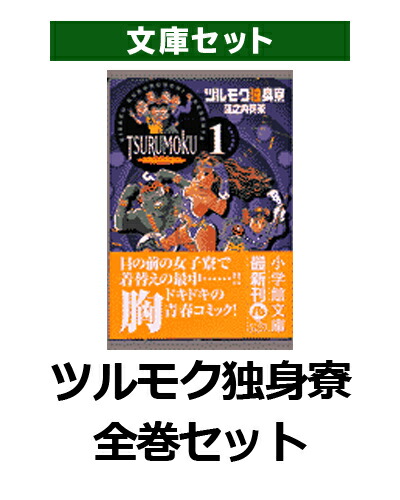
Tsurumoku Dokusin-ryo Review: The Bachelor Dormitory Comedy That Captures Young Adult Life Perfectly
by Shinya Suzuki
Read the first volume. If it doesn't hook you, put it down. It'll hook you.
Buy Tsurumoku Dokusin-ryo on Amazon →*Affiliate link — I earn a small commission at no extra cost to you.
Quick Take
- The definitive company dormitory manga — a specific institution of Japanese working life captured perfectly
- The comedy comes from proximity: when everyone you work with also lives with you, everything is complicated
- A warm, funny portrait of young adult life in early 1990s Japan
Who Is This Manga For?
- Readers interested in Japanese workplace culture and its specific social structures
- Fans of romantic comedy manga that prefers character-based humor to plot mechanics
- Anyone who has lived in shared housing — the dormitory dynamics are universal beneath the Japanese specifics
- Readers of Big Comic Spirits-era seinen who want character-focused comedy
Content Warnings & Age Rating
Age Rating: T (Teen) Content Warnings: Adult workplace themes; romantic situations; some mild adult humor consistent with the era
Appropriate for its rating.
Yu's Rating
| Category | Score |
|---|---|
| Story Depth | ★★★☆☆ |
| Art Style | ★★★★☆ |
| Character Development | ★★★★☆ |
| Accessibility for Non-Japanese Readers | ★★★★☆ |
| Reread Value | ★★★★☆ |
Story Overview
A company dormitory (社員寮) is a specific Japanese institution — housing provided by a company for its younger, unmarried employees. You live with your coworkers. You eat with them. Your romantic life, your friendships, your conflicts all happen in the same building where you also work.
The series follows Woody (Kyutaro Ikezawa, nicknamed for his likeness to a certain cartoon character), a young designer at a furniture company, as he navigates life in this environment — including a complicated attraction to the woman in the room next door who may or may not return his feelings.
The ensemble includes the full range of bachelor dormitory types: the romantic veteran who has been there too long, the ambitious newcomer, the company lifer who has given up on love — all living together in close quarters and managing it with varying degrees of success.
Characters
Woody (Kyutaro Ikezawa): A protagonist defined by his good nature and his inability to act on his feelings directly. His romantic paralysis is the series' primary comedy engine.
The dormitory residents: An ensemble whose relationships and histories provide the series with its depth. By the time the series ends, each character is fully realized.
The love interest: Her complicated feelings — which the series takes seriously — give the romantic plot genuine weight beyond comedy mechanics.
Art Style
Suzuki's art is clean and warm — the early 1990s seinen style with character designs that feel immediately real and expressive. The dormitory itself is rendered with architectural specificity. The visual comedy timing is reliable.
Cultural Context
The company dormitory system was a significant feature of Japanese corporate culture in the postwar decades through the early 1990s — a way of providing housing for young workers while also maintaining social cohesion and loyalty. The system has declined since then.
The series captures this institution at the moment before it began to disappear — a document of a specific way of organizing young adult working life.
What I Love About It
I love how the series understands the specific comedy of proximity.
In a normal romantic comedy, the obstacle is distance — getting two people together requires overcoming separateness. In a dormitory comedy, the obstacle is the opposite: the people are too close, constantly together, with no excuse to avoid each other and no escape from whatever has happened between them.
This creates a different kind of comedy and a different kind of tension. The characters know each other very well. That knowledge is both what makes the romance possible and what makes it difficult.
What English-Speaking Fans Say
Not known in English-speaking markets. Among readers of 1990s seinen comedy manga who read in Japanese, it is cited as one of the finest examples of the genre — praised for its warmth, its character development, and its accurate portrait of a specific era of Japanese working life.
Memorable Scene
A late chapter where Woody finally says something he has been unable to say, in a context so ordinary — they are eating dinner in the shared dining room with everyone else around — that the ordinariness becomes the scene's entire emotional weight.
Similar Manga
- Maison Ikkoku: Shared housing romance, different structure, essential comparison point
- Minami no Teio: Same era, workplace comedy structure
- Shimauma: Same Big Comic Spirits era, workplace comedy with similar warmth
Reading Order / Where to Start
Volume 1. The character relationships build from the beginning.
Official English Translation Status
Tsurumoku Dokusin-ryo has no official English translation.
Pros & Cons
Pros
- Exceptional dormitory comedy with genuine character depth
- Complete at 12 volumes — appropriately sized
- Warm and funny without being sentimental
- Historical document of a specific Japanese institution
Cons
- No English translation
- Some cultural specificity around the dormitory system
- The romantic progression is slow by current standards
Format Comparison
| Format | Notes |
|---|---|
| Physical | Japanese editions available |
| Digital | Available in Japanese |
| Omnibus | Not available |
Where to Buy
No English release yet. That just means you find it before everyone else does.
*Affiliate link — I earn a small commission at no extra cost to you.
More Manga You Might Like

Slice of Life / Comedy
Wagnaria!! (Working!!)
Yu's review of Wagnaria!! — Souta Takanashi starts working at a family restaurant because a tiny girl asked him to; his coworkers include a woman with androphobia, a katana-carrying floor chief, an invisible manager, and a girl who thinks she might be in love with him; chaos is the default state.

Slice of Life / Comedy
Hozuki's Coolheadedness
Hozuki is the deadpan, sadistic chief aide to King Enma of the Japanese Hell — and the only person keeping the afterlife's enormous bureaucracy from collapsing. This is his workplace comedy.
Slice of Life / Comedy
Tsuribaka Nisshi
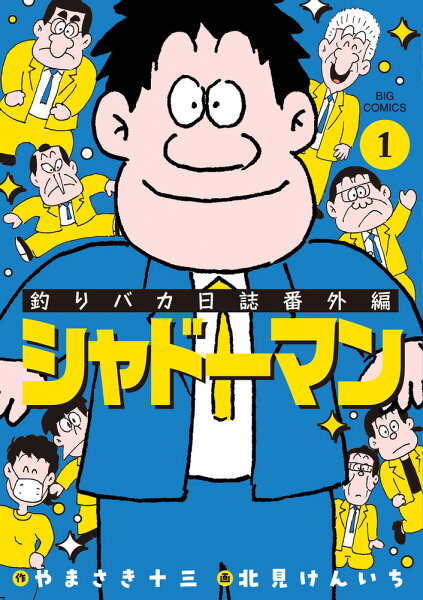
Tsuribaka Nisshi follows Densuke 'Hama-chan' Hamasaki — a dead-average salaryman obsessed with fishing — who unknowingly befriends Ichinosuke 'Su-san' Suzuki, the president of the construction company he works for, after the two meet over a leftover grilled fish.
Slice of Life / Comedy
Jarinko Chie
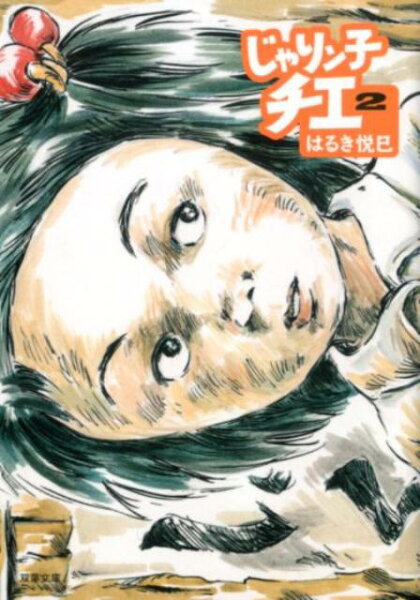
Jarinko Chie follows Chie Takemoto, a fifth-grader in working-class Osaka who runs the family horumon-yaki shop while wrangling her gambling, brawling, work-shy father Tetsu. A warm, dialect-soaked comedy about a kid who's the only adult in the room.

Slice of Life / Comedy
Police in a Pod
Police in a Pod follows Seiko Kawai, a burned-out policewoman who is about to quit, and her new superior Fuji — a former elite officer with her own complicated reasons for being at a small police box — as they navigate the absurd and occasionally moving realities of police work.
Slice of Life / Comedy
Cooking Papa
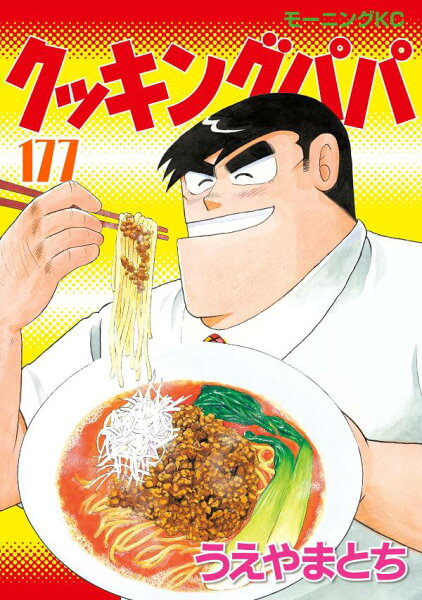
Cooking Papa follows Kazumi Araiwa, a Fukuoka salaryman at Kanamaru Sangyo who is secretly a brilliant home cook — feeding his family and, eventually, his whole workplace — across one of the longest-running manga in history.
Written by
Yu
Manga Enthusiast from Japan
I grew up in Japan and manga literally saved me during a tough time in elementary school. My English isn't perfect, but my love for manga is real — and I want to share it with you.