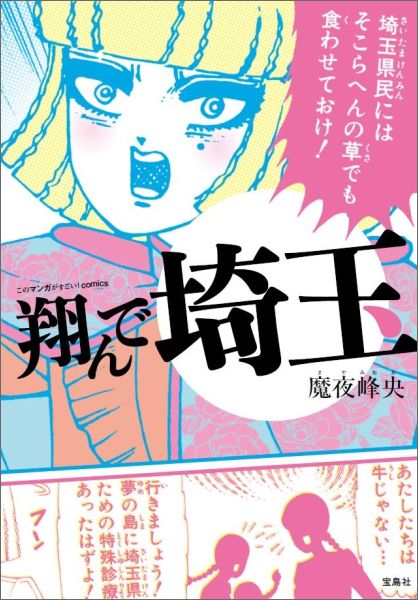
Tonde Saitama Review: The Most Absurd Satire of Regional Snobbery Ever Committed to Paper
by Mineo Maya
Read the first volume. If it doesn't hook you, put it down. It'll hook you.
Buy Tonde Saitama on Amazon →*Affiliate link — I earn a small commission at no extra cost to you.
What if the fiercest war in Japan wasn't samurai vs. samurai — it was Tokyo vs. Saitama?
Quick Take
- Mineo Maya's 1982 shojo parody about anti-Saitama discrimination became a 2019 box office hit — 37 years later
- The premise is total absurdist commitment to a regional snobbery joke taken to dystopian extremes
- 2 volumes of the most specific, most strange regional satire in manga history
Who Is This Manga For?
- Fans of absurdist comedy who want their jokes to have a very specific geographic target
- Readers interested in shojo parody — the manga uses shojo conventions to heighten the absurdity
- Anyone who grew up in or near a place that gets looked down on and found it funny rather than just frustrating
- Japanese culture enthusiasts who want to understand the Tokyo vs. everywhere-else dynamic satirized
Content Warnings & Age Rating
Age Rating: All Ages Content Warnings: Regional parody. Surreal comedy. Satire. No concerning content.
Appropriate for all readers.
Yu's Rating
| Category | Score |
|---|---|
| Story Depth | ★★★☆☆ |
| Art Style | ★★★★☆ |
| Character Development | ★★★☆☆ |
| Accessibility for Non-Japanese Readers | ★★★☆☆ |
| Reread Value | ★★★★☆ |
Story Overview
In the world of Tonde Saitama, Tokyo's social hierarchy is enforced with the logic of apartheid. Saitama residents carry identity papers. They are barred from entering fine establishments. They are systematically looked down upon by Tokyo residents who regard their geography as a moral failing.
Against this backdrop, a romance unfolds between a Tokyo elite student and a mysterious transfer student who may have Saitama connections — which would be a scandal of the highest order.
The comedy is in Mineo Maya's total commitment to the premise. She applies shojo manga conventions — the handsome protagonist, the social hierarchy drama, the romantic tension — to a regional snobbery joke and pushes both to their logical extreme simultaneously. The result is something that reads as sincere and as parody at once, which is the hardest kind of comedy to execute.
Characters
The Tokyo elite protagonist: Drawn in classic shojo style — beautiful, privileged, genuinely concerned about the social order — whose concerns the manga refuses to take seriously without explicitly mocking them.
The Saitama-connected love interest: The figure whose presence destabilizes the protagonist's certainties and the manga's satirical target.
Art Style
Mineo Maya's art is classic Hana to Yume shojo — beautiful character designs, expressive faces, elegant compositions — applied to increasingly absurd content. The contrast between the art's elegance and the premise's ridiculousness is integral to the comedy.
Cultural Context
Tonde Saitama originally ran in Hana to Yume in 1982. It was unfinished and largely forgotten until the 2019 film adaptation by director Hideki Takeuchi became a massive box office success, reviving interest in the source material and leading to a continuation.
The regional snobbery the manga satirizes — the Tokyo-centric social hierarchy that treats nearby prefectures as lesser — is a genuine feature of Japanese geography-based social identity, which gives the comedy its specific bite.
What I Love About It
I love that the 2019 film happened.
A 37-year-old, never-finished, absurdist shojo parody about Saitama Prefecture discrimination became one of Japan's top-grossing films of the year. This tells you something important: the joke is universal enough (the place that gets looked down on) and specific enough (Saitama) to work for audiences who weren't alive when the original ran.
That's a rare achievement for any comedy.
What English-Speaking Fans Say
Limited English-speaking awareness of the manga, though the 2019 film attracted some international attention. The regional specificity of the humor limits accessibility for audiences who don't know the Tokyo-Saitama relationship — but the underlying social satire translates reasonably well.
Memorable Scene ⚠️ Spoiler Warning
A scene where Saitama residents attempt to sneak past the border checkpoint into Tokyo using increasingly elaborate disguises — the desperation and ingenuity applied to the completely absurd goal of geographic mobility is the scene's whole comedy and its whole heart.
Similar Manga
| Title | Its Approach | How Tonde Saitama Differs |
|---|---|---|
| Shirokuma Cafe | Gentle regional/social comedy | Tonde Saitama commits to its satirical target with much more force |
| Pla Pla Planetes | Shojo parody | Different target, same willingness to use shojo conventions for comedy |
| Gintama | Comedy that parodies established genres | Tonde Saitama targets a real and specific social dynamic rather than genre conventions |
Reading Order / Where to Start
Volume 1. The series is short enough to read completely.
Official English Translation Status
Tonde Saitama has no official English translation.
Pros & Cons
Pros
- Total commitment to an absurd premise — the humor comes from never blinking
- The shojo-parody combination is unusual and effective
- Short — 2 volumes is exactly the right length for this joke
- The 2019 film demonstrates the premise still works four decades later
Cons
- No English translation
- The regional specificity limits full appreciation without knowledge of Japanese geography-based social dynamics
- Unfinished in its original form (the 2019 revival continues it)
- The joke's range is limited — this is one thing done very well
Is Tonde Saitama Worth Reading?
For comedy and absurdist manga fans, yes — the commitment to the premise is admirable and the execution is genuinely funny. For readers who want narrative depth or broad cultural accessibility, the regional specificity may limit the comedy's reach. But as a single-joke manga executed with total conviction, it's a rare example of the form working perfectly.
Format Comparison
| Format | Notes |
|---|---|
| Physical | Japanese editions available including continuation |
| Digital | Available in Japanese |
| Omnibus | Collected with continuation |
Where to Buy
No English release yet. That just means you find it before everyone else does.
*Affiliate link — I earn a small commission at no extra cost to you.
More Manga You Might Like
Slice of Life / Comedy
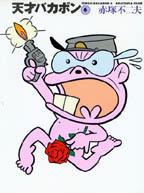
Tensai Bakabon
Tensai Bakabon is Fujio Akatsuka's landmark gag manga about the Bakabon family — a household where the father's complete detachment from logic is presented as wisdom, and the world's attempts to impose reason are the actual problem.
Slice of Life / Comedy
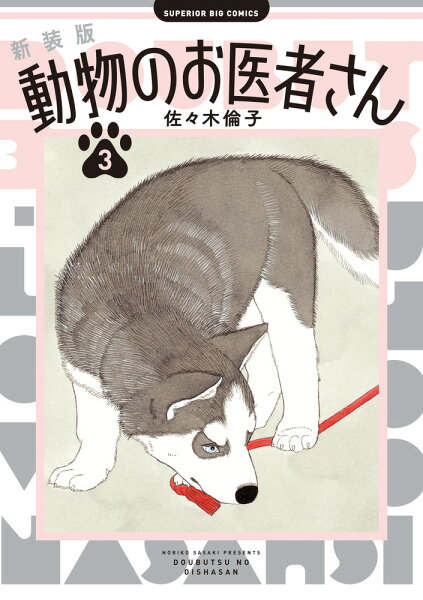
Doubutsu no Oisha-san
Doubutsu no Oisha-san follows Hamutaro, a quiet veterinary student in Hokkaido, his deadpan husky Chobi, and the warm chaos of vet-school life — a 12-volume Hana to Yume comedy so popular it set off a real Siberian Husky boom across Japan.
Slice of Life / Comedy
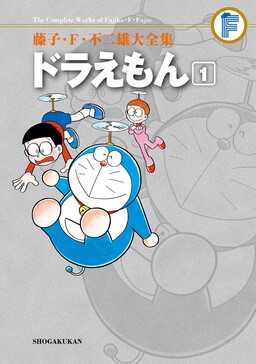
Doraemon
Yu's review of Doraemon — a robot cat from the 22nd century, sent back to help a hopeless boy named Nobita with gadgets from his four-dimensional pocket. Fujiko F. Fujio's most beloved work, and the manga every Japanese kid grows up inside.
Slice of Life / Comedy
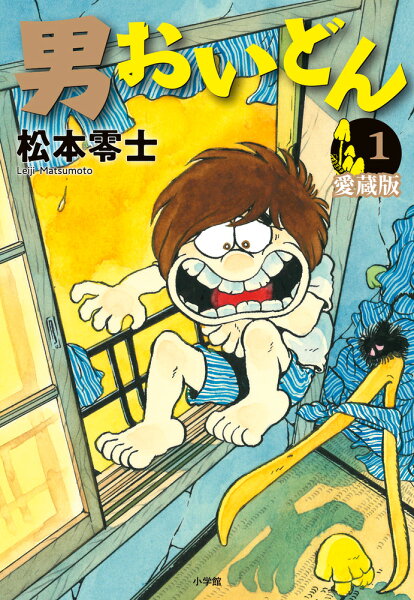
Otoko Oidon
Otoko Oidon follows Saburo Oyama, a young man from Kyushu trying to make it in Tokyo — living in a tiny boarding house, perpetually broke, hopelessly unlucky in love, and stubbornly determined to become someone despite all evidence suggesting otherwise.
Slice of Life / Comedy
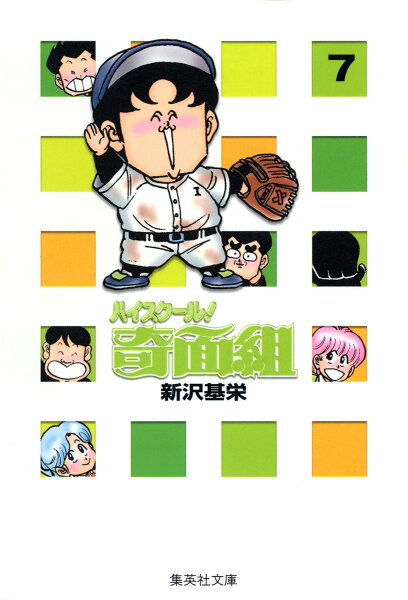
High School! Kimengumi
High School! Kimengumi follows five boys who turn their strange faces into a way of life, building one of the loudest, weirdest gag manga of 1980s Shonen Jump.
Slice of Life / Comedy
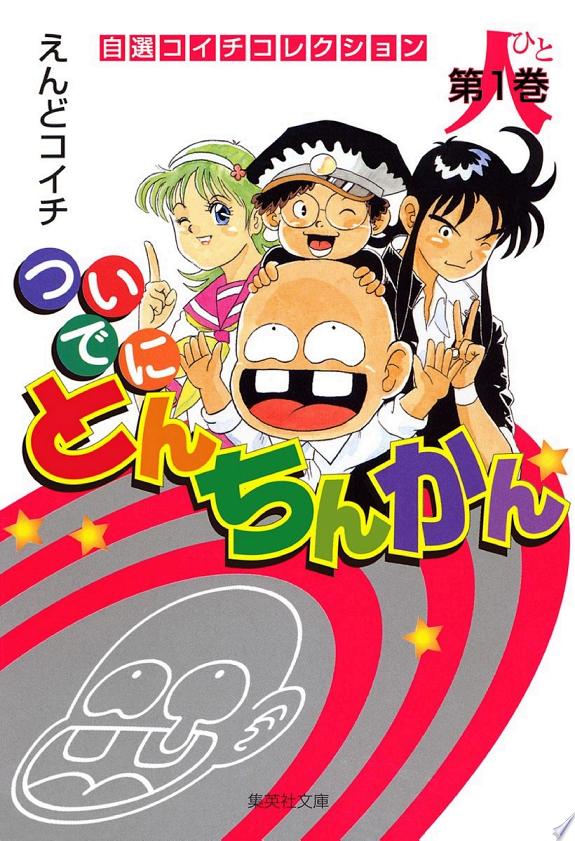
Tondemo-kun
Tondemo-kun follows a trio of delinquent students whose plans to cause trouble consistently backfire in ways that are so spectacularly wrong they accidentally create good outcomes — a comedy built entirely on the gap between intention and result.
Written by
Yu
Manga Enthusiast from Japan
I grew up in Japan and manga literally saved me during a tough time in elementary school. My English isn't perfect, but my love for manga is real — and I want to share it with you.