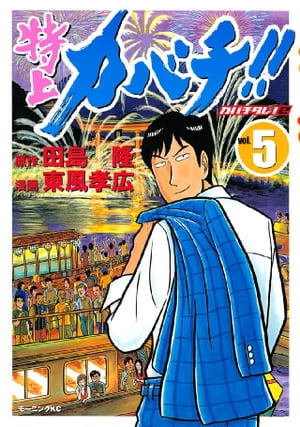
Tokujou Kabachi!! Review: The Legal Drama Manga That Makes Administrative Law Thrilling
by Takashi Fujiki (story) / Eiji Nonaka (art)
Read the first volume. If it doesn't hook you, put it down. It'll hook you.
Buy Tokujou Kabachi!! on Amazon →*Affiliate link — I earn a small commission at no extra cost to you.
Quick Take
- The rare manga that makes administrative law genuinely exciting — bureaucracy as battleground
- Daisuke's approach: find the rule that protects people, use it, refuse to back down
- A portrait of ordinary people trapped by paperwork — and one stubborn paralegal who refuses to accept that
Who Is This Manga For?
- Readers interested in Japanese law and bureaucracy who want the mechanics shown with real cases
- Fans of legal drama who want the genre without courtroom theatrics
- Anyone who has felt crushed by institutional indifference — the series is specifically about fighting back
- Readers of Kabachimon! (the predecessor) or similar professional drama manga
Content Warnings & Age Rating
Age Rating: T (Teen) Content Warnings: Legal confrontations and bureaucratic disputes; some aggressive interpersonal confrontations
Appropriate for its rating.
Yu's Rating
| Category | Score |
|---|---|
| Story Depth | ★★★★☆ |
| Art Style | ★★★☆☆ |
| Character Development | ★★★★☆ |
| Accessibility for Non-Japanese Readers | ★★★☆☆ |
| Reread Value | ★★★☆☆ |
Story Overview
Daisuke Kanie is a gyouseishoshi — an administrative scrivener, a legal professional who handles the documentation and procedures that ordinary people need when dealing with government bureaucracy. He works at a small office. He is not a lawyer. He cannot appear in court.
What he can do is know the law, find the regulation that protects his clients, and refuse to accept "no" from bureaucrats who are counting on ordinary people not knowing their rights.
Each chapter brings a client: someone whose house is being seized, whose contract has been violated, whose insurance claim has been wrongly denied, whose business license has been revoked on a technicality. Each case is specific and drawn from the actual mechanics of Japanese administrative law.
Daisuke finds the angle, makes the argument, and pushes until the system produces a just outcome — or as close to one as the law allows.
Characters
Daisuke Kanie: A protagonist whose competence is matched by his stubbornness. He is not charming and does not talk smoothly — he argues, loudly, based on the specific text of the relevant regulation. This is his method and it works because he is right.
The clients: A rotating ensemble of ordinary people caught in institutional traps. The series is consistent in depicting these people as sympathetic without being sentimental — they have gotten into their situations through a mix of bad luck and sometimes bad decisions, and the law's response should not be determined by which.
Art Style
Nonaka's art is clean and expressive — character faces that communicate emotion with precision, layouts that work for both dialogue-heavy legal argument scenes and the occasional physical confrontation. The visual approach serves the content.
Cultural Context
The administrative scrivener (行政書士) profession occupies a specific role in Japanese society — handling the paperwork that mediates between ordinary people and government institutions. The profession is less dramatic than lawyering but touches more everyday people.
The series depicts Japanese administrative law with genuine accuracy — the specific regulations, the actual procedures, the real institutions. This is legal education in manga form.
What I Love About It
I love the series' fundamental argument about who administrative law is for.
Tokujou Kabachi!! consistently takes the position that bureaucratic rules exist to serve people, not to protect institutions. When a regulation is being applied in a way that produces injustice, the problem is the application, not the regulation — and finding the application that produces justice is what a good gyouseishoshi does.
This is a political argument embedded in a drama format, and it is made compellingly. The series insists that ordinary people have rights that bureaucratic indifference often conceals, and that knowing those rights is a form of power available to everyone.
What English-Speaking Fans Say
Not known in English-speaking markets. Among Japanese readers, the series and its predecessor Kabachimon! are recognized as the definitive professional drama manga about administrative law. The practical legal knowledge in the series has real educational value for Japanese readers navigating bureaucracy.
Memorable Scene
A case where an elderly woman's house is about to be seized for a debt that was never properly documented — and Daisuke, reading the specific documentation requirements in the relevant regulation, finds that the creditor's paperwork is technically invalid. He is right. They back down. The scene is less about triumph than about the specific form of power that knowing the rules provides.
Similar Manga
- Kabachimon!: The predecessor series, same office, worth reading alongside
- Sanctuary: Different domain, same argument that ordinary people have more power than institutions admit
- Kurosagi (Black Swindler): Legal/financial drama, similar case-based structure
Reading Order / Where to Start
Volume 1. Cases are mostly standalone but character development builds across the series.
Official English Translation Status
Tokujou Kabachi!! has no official English translation.
Pros & Cons
Pros
- Genuinely educational about Japanese administrative law
- Cases drawn from real legal situations
- Complete at 26 volumes
- Strong political argument about rights and bureaucracy
Cons
- No English translation
- Japanese legal specificity reduces accessibility for non-Japanese readers
- Episodic structure limits dramatic buildup
Format Comparison
| Format | Notes |
|---|---|
| Physical | Japanese editions available |
| Digital | Available in Japanese |
| Omnibus | Not available |
Where to Buy
No English release yet. That just means you find it before everyone else does.
*Affiliate link — I earn a small commission at no extra cost to you.
More Manga You Might Like

Slice of Life / Drama
Bartender
Bartender follows Ryu Sasakura, a young genius bartender who serves the 'Glass of the Gods' at a hidden Ginza bar — the one drink each troubled customer needs at that exact moment in their life.
Slice of Life / Drama
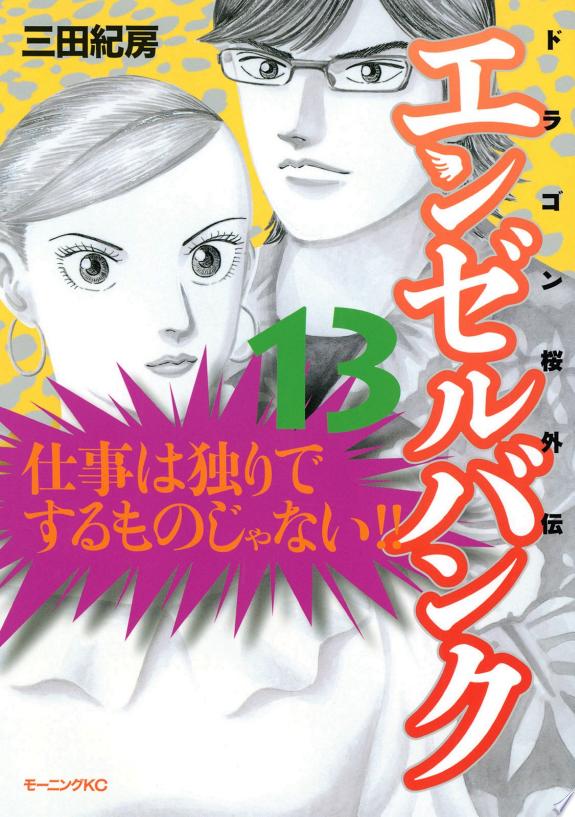
Ramen Discovery Legend
Ramen Discovery Legend follows Fuuta Kajiwara, an ordinary salaryman with extraordinary ramen sensitivity, as he encounters and evaluates Japan's ramen culture — from regional styles to legendary shops — becoming an unexpected authority through pure palate.
Slice of Life / Drama
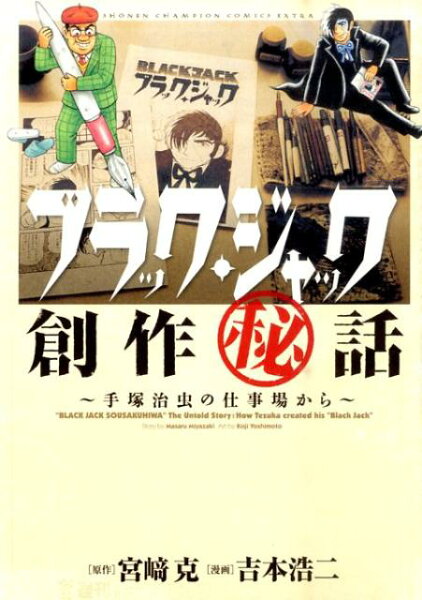
Angel Bank: Dragon Zakura Gaiden
Yu's review of Angel Bank — the Dragon Zakura spin-off in which a disillusioned teacher becomes a job-placement agent under a charismatic career consultant, and learns that most people don't change jobs, they just change companies.
Slice of Life / Drama
Black Jack Sousaku Hiwa
Black Jack Sousaku Hiwa is a documentary manga about how Osamu Tezuka created Black Jack — told through the editors and assistants who worked beside him, capturing both the genius and the human cost of his impossible work ethic.
Slice of Life / Comedy
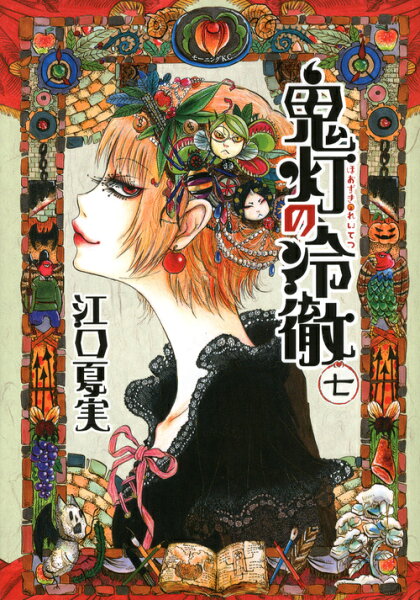
Hozuki's Coolheadedness
Hozuki is the deadpan, sadistic chief aide to King Enma of the Japanese Hell — and the only person keeping the afterlife's enormous bureaucracy from collapsing. This is his workplace comedy.

Slice of Life / Comedy
Police in a Pod
Police in a Pod follows Seiko Kawai, a burned-out policewoman who is about to quit, and her new superior Fuji — a former elite officer with her own complicated reasons for being at a small police box — as they navigate the absurd and occasionally moving realities of police work.
Written by
Yu
Manga Enthusiast from Japan
I grew up in Japan and manga literally saved me during a tough time in elementary school. My English isn't perfect, but my love for manga is real — and I want to share it with you.