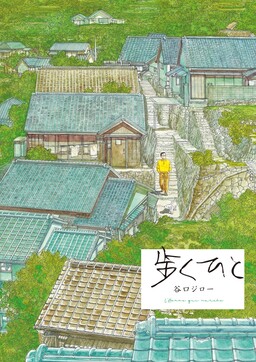
The Walking Man Review: A Man Walks Through His Neighborhood and That Is the Whole Story
by Jiro Taniguchi
Read the first volume. If it doesn't hook you, put it down. It'll hook you.
Buy The Walking Man on Amazon →*Affiliate link — I earn a small commission at no extra cost to you.
Quick Take
- Taniguchi's most radical work in the sense that nothing happens and that is the point — a man walks and notices things
- The visual detail in the backgrounds is the entire substance of the manga
- Single volume complete; as close to manga meditation as exists
Who Is This Manga For?
- Readers who want manga that is genuinely peaceful and unhurried
- Anyone interested in what happens when visual storytelling is used for pure attention rather than plot
- Fans of Jiro Taniguchi's European-influenced style at its most focused
- Readers looking for manga that can be read at any pace and returns something each time
Content Warnings & Age Rating
Age Rating: All Ages Content Warnings: None
All ages — perhaps the most benign manga in existence.
Yu's Rating
| Category | Score |
|---|---|
| Story Depth | ★★★★★ |
| Art Style | ★★★★★ |
| Character Development | ★★★☆☆ |
| Accessibility for Non-Japanese Readers | ★★★★★ |
| Reread Value | ★★★★★ |
Story Overview
A man — unnamed, ordinary — goes for walks. He walks through his neighborhood. He notices things: a cat, a tree, the quality of light at a particular time of day, a river he hasn't visited recently. He interacts gently with the things he encounters. He walks home.
That is the manga.
Taniguchi's backgrounds are among manga's most detailed — real locations rendered with the care of an architectural drawing. The walking man's attention to these places is the reader's permission to look at them, and looking at them is the series' entire content.
Characters
The Walking Man — We know almost nothing about him except that he is attentive and that his attention is real.
Art Style
Taniguchi's art here is devoted entirely to backgrounds. The occasional characters are rendered simply; the environments they pass through are rendered with exceptional care. The contrast creates the effect: you look where the art directs you to look, which is at the world rather than the people.
Cultural Context
The Walking Man ran in Big Comic Original. Taniguchi was deeply influenced by European comics' relationship to visual space and environmental detail; this manga represents that influence most completely. It has no plot to carry — it exists entirely in what it shows.
What I Love About It
The permission. Manga almost always asks you to pay attention to what happens next. The Walking Man asks you to pay attention to what is here now. That is a completely different relationship between reader and page, and Taniguchi earns it through the quality of what he shows.
What English-Speaking Fans Say
Western readers describe The Walking Man as one of the most genuinely peaceful reading experiences in any medium — specifically noted for the background detail being meditation-quality, for the absence of plot being appropriate rather than frustrating, and for the manga being readable at any pace without losing anything. Consistently cited as essential for readers interested in manga as visual art rather than narrative delivery mechanism.
Memorable Scene ⚠️ Spoiler Warning
The chapter where the walking man encounters water — a river, perhaps, or a pond — and the next several pages are devoted to the specific quality of that water and his presence near it — is the manga at its most purely itself.
Similar Manga
- A Distant Neighborhood — Taniguchi's emotional work; different register
- Yokohama Shopping Log — Similar peaceful attention to place
- Mushishi — Meditative atmosphere through different means
- Hotel — Jiro Taniguchi's anthology with similar visual care
Reading Order / Where to Start
Single volume — can be opened anywhere.
Official English Translation Status
Fanfare Ponent Mon published the English translation. Single volume, complete.
Pros & Cons
Pros
- Most peaceful manga available
- Taniguchi's backgrounds at their best
- All ages, no content concerns
- Genuinely rereadable — different each time
Cons
- No plot by design — readers expecting narrative will be disappointed
- Character development minimal by design
- Specific taste required
Format Comparison
| Format | Notes |
|---|---|
| Single Volume | Fanfare Ponent Mon; complete |
| Digital | Limited availability |
Where to Buy
Read the first volume. If it doesn't hook you, put it down. It'll hook you.
This post contains affiliate links. If you purchase through these links, I may earn a small commission at no extra cost to you. As an Amazon Associate, I earn from qualifying purchases.
*Affiliate link — I earn a small commission at no extra cost to you.
More Manga You Might Like
Slice of Life / Fantasy
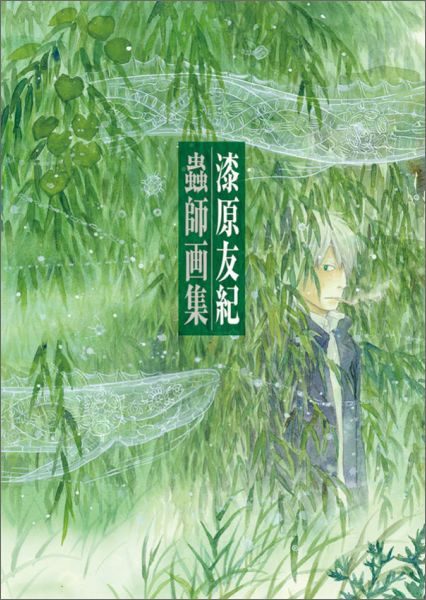
Mushishi
Yu's review of Mushishi — Ginko travels through a Japan that exists before modernity, investigating and treating afflictions caused by Mushi — ancient lifeforms that exist at the edge of perception and disturb the boundary between the living and something else.
Slice of Life
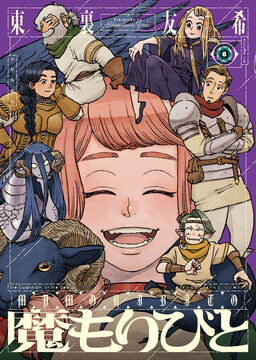
Guardians of the Louvre
Yu's review of Guardians of the Louvre — Jiro Taniguchi's commission for the Louvre's comics collection. A Japanese manga artist falls ill in Paris and is guided through the museum by the spirit of the Winged Victory, meeting Van Gogh, Corot, and the people who saved the Louvre during World War II.

Slice of Life
Quest for the Missing Girl
Yu's review of Quest for the Missing Girl — a professional mountain guide is hired to find a teenage girl who disappeared in the Japan Alps; Jiro Taniguchi's mountain-search story, combining his exceptional landscape rendering with a character study of someone who understands mountains better than people.

Slice of Life / Comedy
Laid-Back Camp
Yu's review of Laid-Back Camp — a quiet girl who camps alone near Mount Fuji meets a sleepy newcomer over a cup of curry noodles, and somehow that becomes the warmest manga about cold weather I have ever read.
Slice of Life / Comedy
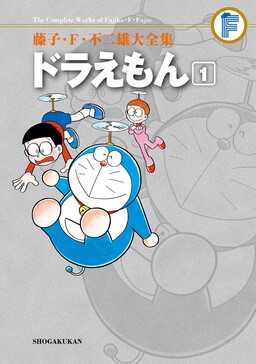
Doraemon
Yu's review of Doraemon — a robot cat from the 22nd century, sent back to help a hopeless boy named Nobita with gadgets from his four-dimensional pocket. Fujiko F. Fujio's most beloved work, and the manga every Japanese kid grows up inside.

Slice of Life / Comedy
Squid Girl
Yu's review of Squid Girl — Ika Musume (Squid Girl) emerges from the sea to conquer humanity as revenge for ocean pollution; she is immediately defeated by the Aizawa sisters who run a beach house and ends up working there to pay for property damage; world conquest is repeatedly delayed.
Written by
Yu
Manga Enthusiast from Japan
I grew up in Japan and manga literally saved me during a tough time in elementary school. My English isn't perfect, but my love for manga is real — and I want to share it with you.
Disclosure: This post contains affiliate links. As an Amazon Associate, I earn from qualifying purchases at no extra cost to you.