
The Road to Manga Review: The Autobiographical Story of the Men Who Made Doraemon
by Fujiko Fujio
Read the first volume. If it doesn't hook you, put it down. It'll hook you.
Buy The Road to Manga on Amazon →*Affiliate link — I earn a small commission at no extra cost to you.
Quick Take
- The origin story of Doraemon's creators — one of manga's great behind-the-scenes documents
- A love letter to manga as a medium, written by two people who gave their lives to it
- Required reading for anyone who wants to understand how Japanese manga culture was built
Who Is This Manga For?
- Manga history enthusiasts who want to understand the medium's postwar foundations
- Doraemon fans who want to know who made it and what their lives were like
- Readers interested in biographical manga — the story of real artists struggling with a real craft
- Anyone who has ever loved a creative form and wondered what it takes to make your life from it
Content Warnings & Age Rating
Age Rating: All Ages Content Warnings: Mild depictions of postwar poverty, the specific hardships of aspiring artists with no safety net
Warm and appropriate despite its difficult subjects.
Yu's Rating
| Category | Score |
|---|---|
| Story Depth | ★★★★★ |
| Art Style | ★★★★☆ |
| Character Development | ★★★★★ |
| Accessibility for Non-Japanese Readers | ★★★★☆ |
| Reread Value | ★★★★★ |
Story Overview
Hiroshi Fujimoto and Motoo Abiko were two boys from Takaoka, Toyama prefecture who met in childhood and discovered a shared obsession: they both wanted to make manga. This was not a practical ambition in postwar Japan. There was no manga industry to speak of, no school to attend, no clear path.
They decided to make the path themselves.
"The Road to Manga" follows them from childhood through their move to Tokyo, their years of poverty while submitting to every magazine they could find, their friendship with Osamu Tezuka (who they idolized and who became a genuine mentor and friend), and their gradual, improbable emergence as professional manga artists.
They are known to history as Fujiko Fujio. Together they created Doraemon, one of the most beloved characters in Japanese history, and numerous other series. This manga is the story of who they were before they became that.
Characters
Hiroshi / Motoo (young): The manga follows them as themselves — ordinary kids from a provincial town who had an extraordinary dream and an extraordinary commitment to each other. Their friendship is the story's heart.
Osamu Tezuka: Appears as a recurring figure — their idol first, then a colleague, then a friend. The portrayal of Tezuka is one of the manga's treasures: specific, warm, and illuminating of both what he was like as a person and what he meant to the generation of artists who followed him.
Art Style
The art reflects its era — clean, expressive, with the visual vocabulary of 1950s-1960s manga. For history readers, the style is itself a document. For others, it reads as warm and accessible.
Cultural Context
The postwar manga industry that Fujiko Fujio were building their careers in was not the massive commercial enterprise it would become. Manga was a new medium, kodansha (rental book stores) were the primary distribution method, and the artists who made it were working under conditions of genuine economic precarity.
Their friendship with Osamu Tezuka — who had already established himself as the god of manga — was formative in ways the series explores honestly. The gap between Tezuka's genius and their own developing abilities, and how they processed that gap, is one of the story's most interesting threads.
What I Love About It
I love this manga because it made me understand something I didn't know how to articulate: the difference between loving something and committing to it.
Hiroshi and Motoo loved manga in the way many young people love things they're good at. But they also committed to it — in conditions where that commitment cost them real things, where the outcome wasn't guaranteed, where giving up would have been reasonable and staying required something beyond reason.
The Road to Manga documents that kind of commitment honestly. It shows the cold rooms and the rejected submissions and the envelopes sent with work that came back unsold. And it shows the friendship that survived all of it. A friendship built on shared love for a medium, maintained through shared struggle with it.
I read this and I understood why Doraemon was made by these two people specifically. The warmth of that series — its genuine care for childhood, for imagination, for the deep longing to fix what's wrong — comes from who they were and what they went through.
What English-Speaking Fans Say
Not well-known in English-speaking communities due to the lack of official translation, but deeply beloved among readers who access it — particularly Doraemon fans who seek out the context. Considered essential reading for anyone interested in manga history.
Frequently recommended alongside Osamu Tezuka's "Manga! Manga! The World of Japanese Comics" as a way to understand the medium's human history.
Memorable Scene ⚠️ Spoiler Warning
The moment when Tezuka — famous, brilliant, seemingly unreachable — treats the young Fujiko Fujio with the specific generosity of an older artist who remembers what it was like to not yet be who you would become. His kindness to them is not patronizing. It's the kindness of someone who recognizes the reality of their dream and takes it seriously. That generosity, extended from one generation of artists to the next, is part of how manga became what it is.
Similar Manga
- Bakuman: A fictionalized version of manga's creation process, set in contemporary Jump
- Blue Period: Artist struggling with creative craft; different medium, same psychological honesty
- Osamu Tezuka's Black Jack: Tezuka's own work, to understand who the mentor was
Reading Order / Where to Start
Volume 1. The series is a complete arc of two lives — start from the beginning.
Official English Translation Status
The Road to Manga has no official English translation.
Pros & Cons
Pros
- Primary source for manga history — the Doraemon creators in their own words
- The Tezuka relationship is historically invaluable
- Warm and emotionally true throughout
- Understanding of postwar Japan through artistic aspiration
Cons
- No English translation
- 11 volumes requires commitment
- Art style may require period adjustment for modern readers
Format Comparison
| Format | Notes |
|---|---|
| Physical | Japanese editions available |
| Digital | Available in Japanese |
| Omnibus | Various compilation formats exist |
Where to Buy
No English release yet. That just means you find it before everyone else does.
*Affiliate link — I earn a small commission at no extra cost to you.
More Manga You Might Like
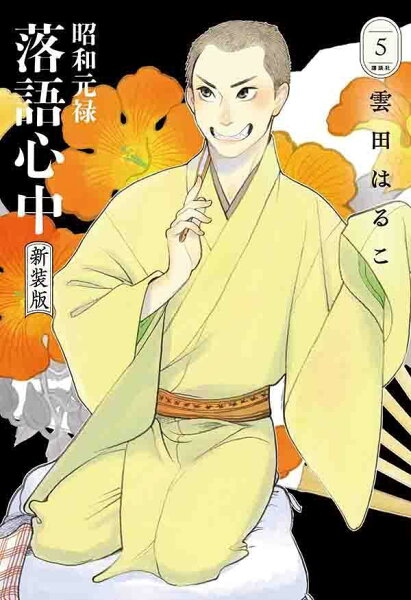
Slice of Life / Historical Drama
Shouwa Genroku Rakugo Shinjuu
Shouwa Genroku Rakugo Shinjuu follows the world of rakugo — traditional Japanese comic storytelling — through two performers across two generations: the transcendent and self-destructive Yakumo, and the student Yotaro who inherits what Yakumo cannot save.
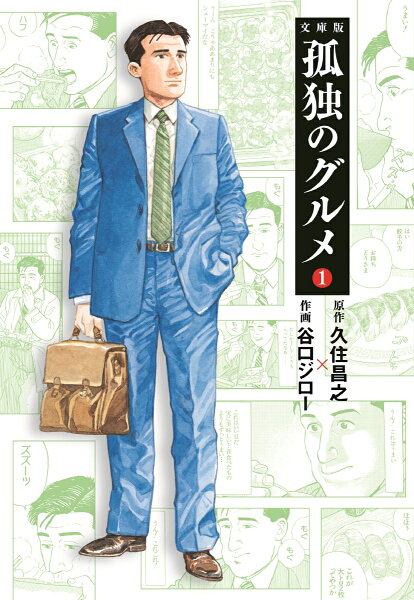
Slice of Life
The Solitary Gourmet
The Solitary Gourmet follows Goro Inogashira, a self-employed import goods dealer, as he eats lunch alone in various restaurants across Tokyo — a simple premise that becomes a meditation on solitude, pleasure, and the small dignities of everyday life.
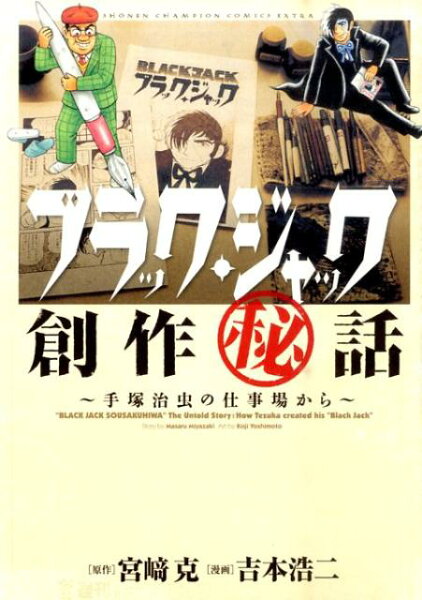
Slice of Life / Drama
Black Jack Sousaku Hiwa
Black Jack Sousaku Hiwa is a documentary manga about how Osamu Tezuka created Black Jack — told through the editors and assistants who worked beside him, capturing both the genius and the human cost of his impossible work ethic.
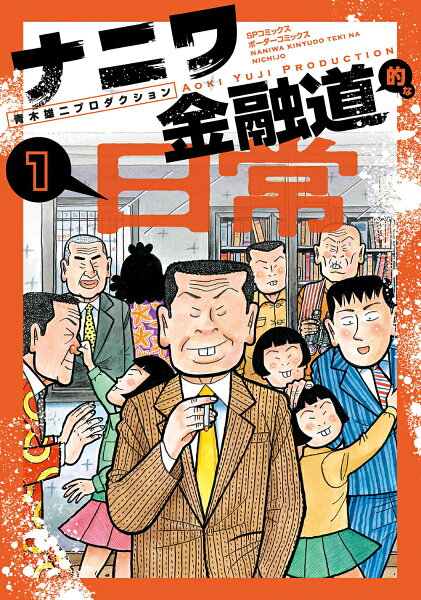
Slice of Life / Drama
Naniwa Kinyuudo
Naniwa Kinyuudo follows new employee Ginji Mita at a small-loan finance company in Osaka — a manga that uses the world of moneylending and debt collection to create one of manga's most honest portraits of Japanese economic life.
Slice of Life
Nasu
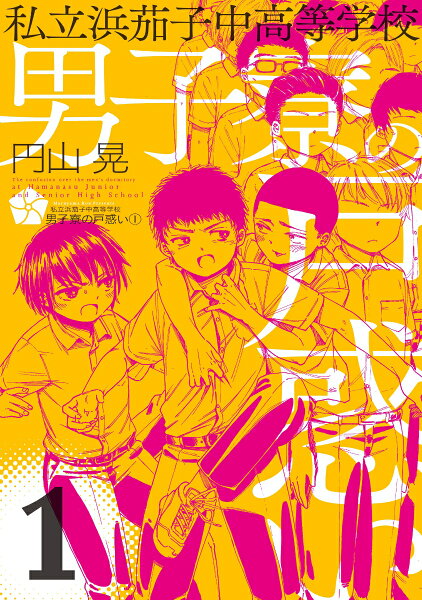
Nasu collects Iou Kuroda's short manga stories — quiet, precise vignettes centered on food, travel, and the moments when ordinary life opens briefly into something larger, then closes again.
Slice of Life / Comedy
Tensai Bakabon
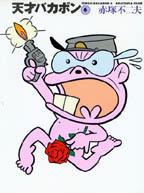
Tensai Bakabon is Fujio Akatsuka's landmark gag manga about the Bakabon family — a household where the father's complete detachment from logic is presented as wisdom, and the world's attempts to impose reason are the actual problem.
Written by
Yu
Manga Enthusiast from Japan
I grew up in Japan and manga literally saved me during a tough time in elementary school. My English isn't perfect, but my love for manga is real — and I want to share it with you.