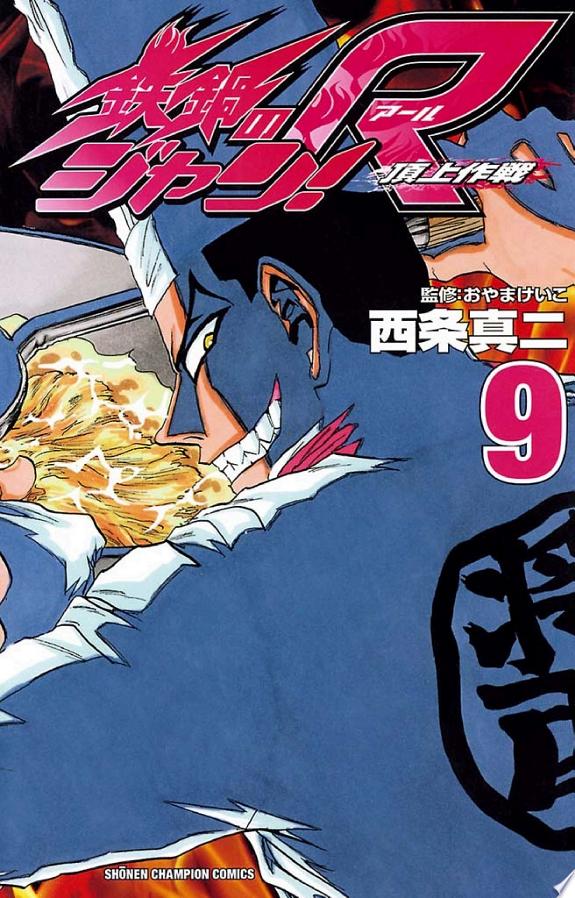
Tetsunabe no Jan R Review: The Sequel That Brought the Cooking Villain Back Without Apology
by Kenji Nishida
Read the first volume. If it doesn't hook you, put it down. It'll hook you.
Buy Tetsunabe no Jan R on Amazon →*Affiliate link — I earn a small commission at no extra cost to you.
He came back. He hadn't changed. The point was that he never would.
Quick Take
- Kenji Nishida's sequel to Tetsunabe no Jan — 9 volumes continuing Akiyama Jan's competitive cooking philosophy
- Confirms the original series' commitment to its premise: Jan never reforms, never softens, never stops caring only about winning
- A worthy follow-up that knows what made the original work and doesn't betray it
Who Is This Manga For?
- Tetsunabe no Jan readers who want more of the original's comic register
- Cooking manga fans who appreciate the genre subverted into competition rather than appreciation
- Genre sequel readers who want continuations that don't compromise their original premises
- Anyone who suspected that Jan's villainy was the joke, not a problem to be fixed
Content Warnings & Age Rating
Age Rating: T (Teen) Content Warnings: Competitive cooking intensity, comedic exaggeration, occasional rude humor.
Suitable for most readers familiar with the genre.
Yu's Rating
| Category | Score |
|---|---|
| Story Depth | ★★★☆☆ |
| Art Style | ★★★★☆ |
| Character Development | ★★★☆☆ |
| Accessibility for Non-Japanese Readers | ★★★★☆ |
| Reread Value | ★★★☆☆ |
Story Overview
Time has passed since the original Tetsunabe no Jan ended. Akiyama Jan is older, more accomplished, more famous — and exactly the same person. The sequel brings him back to competitive cooking with new opponents, new techniques, and the same philosophy: cooking is winning, the dishes don't have to be loved, they just have to score.
The structure mirrors the original's tournament format. New chefs challenge Jan with new specialties. New techniques get developed. The comedy still emerges from the central premise: a cooking-manga protagonist who refuses to be the cooking-manga hero the genre traditionally produces.
The sequel exists in a meaningful relationship with the original — readers who know the first series have context for Jan's choices, while the sequel's events build on what came before. It isn't a soft reboot; it's a genuine continuation.
Characters
Akiyama Jan: Older, still uncompromising. The character whose refusal to grow is the series' integrity.
Returning cast: Several characters from the original return with their own developments — the social world has continued without becoming sentimental.
New opponents: Each tournament's antagonist tests Jan's philosophy from a new angle.
Art Style
Nishida's art continues the original's visual register — exaggerated comic action during cooking, detailed food rendering, dynamic competition pacing. The style has matured with the author's drawing experience without losing the energy that defined the original.
Cultural Context
Tetsunabe no Jan R ran from 2014 to 2018 in Champion Red, a continuation of the original's home magazine Weekly Shonen Champion. The sequel exists within Akita Shoten's tradition of long-running properties that periodically return to confirm their staying power.
Sequels in Japanese manga often soften their predecessors — fans regard sequels that maintain the original tone as the gold standard, and Tetsunabe no Jan R earned that regard.
What I Love About It
I love that Nishida didn't blink.
A sequel could have been an opportunity to redeem Jan, to find his hidden warmth, to show that the years had taught him to care about diners. Nishida refused. The sequel exists to confirm that the original's premise was correct: this character doesn't reform because he was never broken. He was just unfashionable in a way that turned out to be funny across enough decades to deserve continuation.
What English-Speaking Fans Say
Among Tetsunabe no Jan readers familiar with both series through fan translation, the sequel is regarded as a worthy continuation that didn't compromise.
Memorable Scene ⚠️ Spoiler Warning
A confrontation with a chef who knew the original Jan and assumed he'd matured — and Jan's response, which is essentially that the assumption was incorrect. The scene exists for the readers who tracked both series and is a clean affirmation of the project's coherence.
Similar Manga
| Title | Its Approach | How Tetsunabe no Jan R Differs |
|---|---|---|
| Tetsunabe no Jan (original) | Cooking competition with villain protagonist | The sequel is more of the same with the maturity of an older author |
| Yakitate Japan | Comedic cooking with flamboyant reactions | Tetsunabe no Jan R is harder-edged in its comedy |
| Cooking Master Boy | Earnest Chinese-cuisine cooking competition | The sequel maintains the original's deliberate inversion |
Reading Order / Where to Start
Read Tetsunabe no Jan first. The sequel assumes familiarity with Jan's character and the original's world.
Official English Translation Status
Tetsunabe no Jan R has no official English translation.
Pros & Cons
Pros
- A sequel that respects its predecessor's tone
- Jan's character integrity preserved without compromise
- 9 compact volumes — accessible relative to the original's 27
- Visual style matured without losing energy
Cons
- No English translation
- Requires familiarity with the original
- Single-joke premise extended into sequel territory
- Won't satisfy readers who wanted reformation
Is Tetsunabe no Jan R Worth Reading?
For original-series fans who want more, yes — the sequel is faithful to what made the original work. For new readers, start with the original first. As a sequel that doesn't betray its source, it's a model of how to do continuation right.
Format Comparison
| Format | Notes |
|---|---|
| Physical | Japanese editions available |
| Digital | Available in Japanese |
| Omnibus | Collected editions available |
Where to Buy
No English release yet. That just means you find it before everyone else does.
*Affiliate link — I earn a small commission at no extra cost to you.
More Manga You Might Like
Slice of Life / Comedy
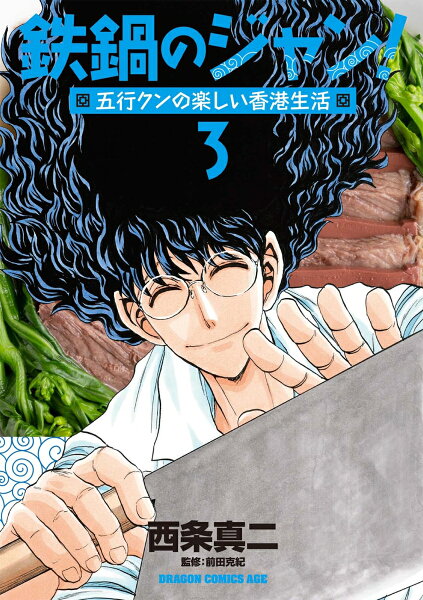
Tetsunabe no Jan
Tetsunabe no Jan is Kenji Nishida's comedic cooking manga about Akiyama Jan, a Chinese-cuisine prodigy whose only goal is winning — a deliberate inversion of the wholesome cooking-manga tradition where the chef who cared about diners was the secondary character.
Slice of Life
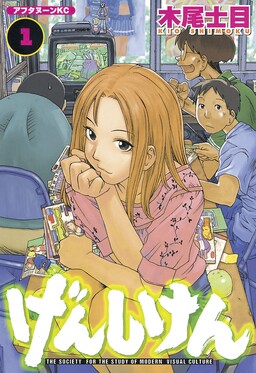
Genshiken: Second Season
Yu's review of Genshiken: Second Season (Genshiken Nidaime) — the sequel that hands the otaku club to a new generation of fujoshi and one crossdressing fudanshi named Hato, then turns into one of the most surprising romance arcs in slice-of-life manga.
Slice of Life / Comedy
Tensai Bakabon
Tensai Bakabon is Fujio Akatsuka's landmark gag manga about the Bakabon family — a household where the father's complete detachment from logic is presented as wisdom, and the world's attempts to impose reason are the actual problem.
Slice of Life / Comedy
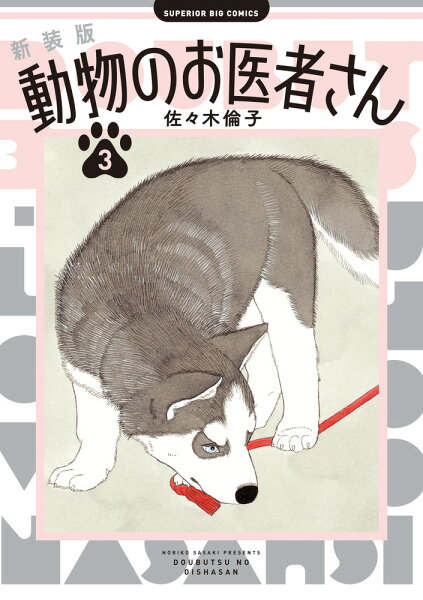
Doubutsu no Oisha-san
Doubutsu no Oisha-san follows Hamutaro, a quiet veterinary student in Hokkaido, his deadpan husky Chobi, and the warm chaos of vet-school life — a 12-volume Hana to Yume comedy so popular it set off a real Siberian Husky boom across Japan.
Slice of Life / Comedy
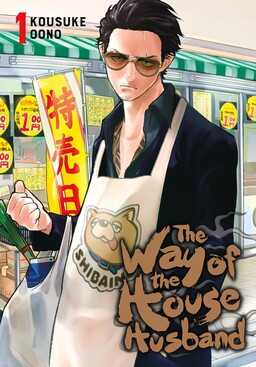
The Way of the Househusband
Yu's review of The Way of the Househusband — Tatsu, once the most feared yakuza boss in Japan, has retired to become a stay-at-home husband for his career-focused wife Miku; he applies the intensity, dedication, and specific vocabulary of organized crime to grocery shopping, cooking, and housework.
Slice of Life / Heartwarming
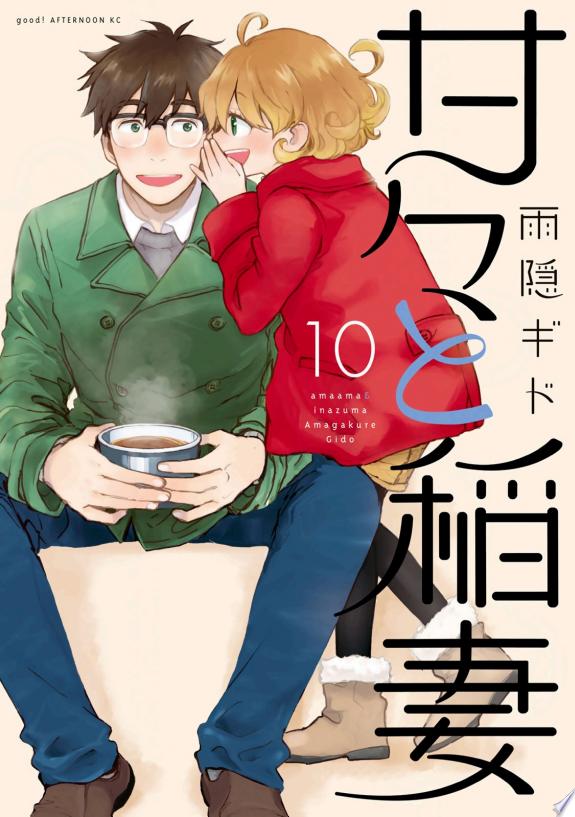
Sweetness and Lightning
Yu's review of Sweetness and Lightning — Kouhei Inuzuka is a teacher and single father whose wife recently died; he cannot cook and his daughter Tsumugi eats convenience store food; a student named Kotori invites them to her family's empty restaurant and teaches him to cook for his daughter.
Written by
Yu
Manga Enthusiast from Japan
I grew up in Japan and manga literally saved me during a tough time in elementary school. My English isn't perfect, but my love for manga is real — and I want to share it with you.