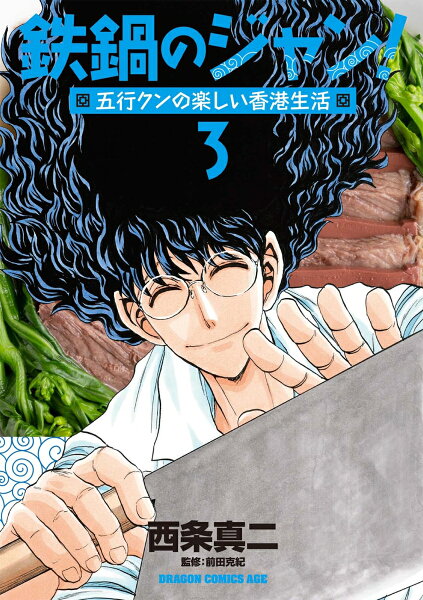
Tetsunabe no Jan Review: The Cooking Manga Where the Chef Wanted to Win, Not to Feed You
by Kenji Nishida
Read the first volume. If it doesn't hook you, put it down. It'll hook you.
Buy Tetsunabe no Jan on Amazon →*Affiliate link — I earn a small commission at no extra cost to you.
He didn't care if you liked the food. He cared if it beat the other dish.
Quick Take
- Kenji Nishida's 27-volume cooking manga from Weekly Shonen Champion — Akiyama Jan, the Chinese-cuisine prodigy obsessed with winning rather than feeding
- A deliberate inversion of the wholesome cooking-manga tradition that Oishinbo had defined
- Outrageous, hilarious, and committed to its premise that competitive cooking should be played as competitive cooking
Who Is This Manga For?
- Cooking manga readers who want the genre's comedic variant
- Genre subversion fans who appreciate when a series deliberately rejects its tradition
- Weekly Shonen Champion enthusiasts who want one of its defining late-90s series
- Anyone fed up with cooking shows where the chef cares about your feelings
Content Warnings & Age Rating
Age Rating: T (Teen) Content Warnings: Cooking competition violence (knife and flame use as weaponized intimidation), comedic exaggeration, occasional rude humor.
Suitable for most readers.
Yu's Rating
| Category | Score |
|---|---|
| Story Depth | ★★★☆☆ |
| Art Style | ★★★★☆ |
| Character Development | ★★★☆☆ |
| Accessibility for Non-Japanese Readers | ★★★★☆ |
| Reread Value | ★★★★☆ |
Story Overview
Akiyama Jan is the grandson of a legendary Chinese chef who taught him a single principle: cooking is winning. Other cooks talk about feeding people, about love, about hospitality. Jan considers all of that secondary. The food is judged. Whichever dish wins, wins. That's the point.
The series follows Jan through cooking competitions where his philosophy collides with chefs who hold the more traditional cooking-manga values. He uses techniques his opponents consider unfair. He cares about scoring rather than about diners. He wins, mostly, because winning is the only thing he is trying to do, while his opponents are also trying to be admirable people.
The comedy comes from the genuine villainy of the protagonist. Jan is funny because he is uncompromising — he never softens, never has a moment where he learns the warmth he was missing. He just keeps winning the wrong way, and the wrongness is the joke.
Characters
Akiyama Jan: A protagonist whose extreme commitment to a single principle is the series' comic engine — the inversion of the cooking-manga hero we expected.
Kiriko: The granddaughter of an opposing master, whose role is partially Jan's foil — she cares about cuisine in the traditional sense, and watches Jan win anyway.
The competitive opponents: Each fight is against a chef with a different cooking philosophy that Jan's win-at-all-costs approach humiliates.
Art Style
The art has the dynamic energy of late-90s Weekly Shonen Champion — exaggerated facial expressions during cooking sequences (Jan's competitive stares are iconic), kinetic action lines for cooking moves, and detailed food art that makes the dishes legible. The visual register is comic action even though the subject is food.
Cultural Context
Tetsunabe no Jan ran from 1995 to 2000 in Weekly Shonen Champion — a magazine that often hosted manga willing to be more aggressive or transgressive than its rivals. The series belongs to the cooking-manga tradition that Oishinbo (1983) had largely defined, but explicitly inverts that tradition's wholesome assumptions.
A sequel, Tetsunabe no Jan R, followed years later with the same protagonist.
What I Love About It
I love that Jan never reforms.
Most series with an antagonistic protagonist eventually soften him. The series hints that beneath the cruelty there's a real person who would, if given the right experience, become better. Tetsunabe no Jan refuses. Jan in volume 27 is recognizably the same Jan as volume 1 — older, more skilled, more famous, still the same person with the same priorities. The refusal is the series' integrity.
What English-Speaking Fans Say
Has a small but enthusiastic following among cooking manga readers familiar with it through fan translations. Recognized as one of the funniest cooking manga ever made and a deliberate counter-statement to Oishinbo's tradition.
Memorable Scene ⚠️ Spoiler Warning
A competition where an opponent makes a clearly superior dish in any reasonable culinary sense — and Jan wins anyway through technical scoring exploitation. The scene is the series' thesis: the rules are the rules, and winning the rules is winning, even when winning is not deserving.
Similar Manga
| Title | Its Approach | How Tetsunabe no Jan Differs |
|---|---|---|
| Oishinbo | Wholesome cooking journalism with food appreciation | Jan is the deliberate inversion — competition over appreciation |
| Cooking Master Boy | Chinese cuisine cooking competition with earnest hero | Jan is the same genre with a villainous protagonist |
| Yakitate Japan | Comedic cooking with flamboyant reactions | Jan's comedy is harder-edged and more committed to its inversion |
Reading Order / Where to Start
Volume 1. The premise is established immediately and the comedy depends on it.
Official English Translation Status
Tetsunabe no Jan has no official English translation.
Pros & Cons
Pros
- Genuinely subversive within the cooking-manga genre
- Jan's commitment to his philosophy is hilariously consistent
- 27 volumes of competitive cooking that doesn't run out of ideas
- The comedic register is sharper than most cooking manga
Cons
- No English translation
- Won't satisfy readers who want sympathetic protagonists
- The cooking technical content is less accessible than Oishinbo's
- The single-joke premise may exhaust some readers
Is Tetsunabe no Jan Worth Reading?
For cooking manga readers tired of the genre's wholesomeness, yes — Jan is the protagonist the genre rarely lets exist. For readers who want to be charmed by their cooking heroes, this is the wrong manga. As genre subversion, it's exemplary.
Format Comparison
| Format | Notes |
|---|---|
| Physical | Japanese editions available |
| Digital | Available in Japanese |
| Omnibus | Collected editions available |
Where to Buy
No English release yet. That just means you find it before everyone else does.
*Affiliate link — I earn a small commission at no extra cost to you.
More Manga You Might Like
Slice of Life / Comedy
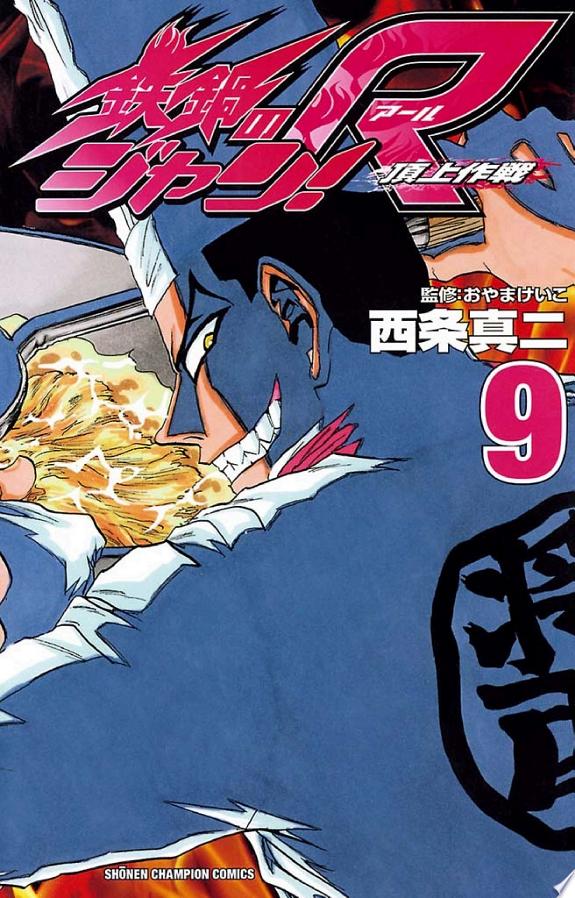
Tetsunabe no Jan R
Tetsunabe no Jan R is the sequel to Kenji Nishida's competitive-cooking manga — Akiyama Jan returns, older but unreformed, still the chef who cares about winning rather than feeding. 9 volumes that confirmed Jan was never going to soften.
Slice of Life / Comedy
Tensai Bakabon
Tensai Bakabon is Fujio Akatsuka's landmark gag manga about the Bakabon family — a household where the father's complete detachment from logic is presented as wisdom, and the world's attempts to impose reason are the actual problem.
Slice of Life / Comedy
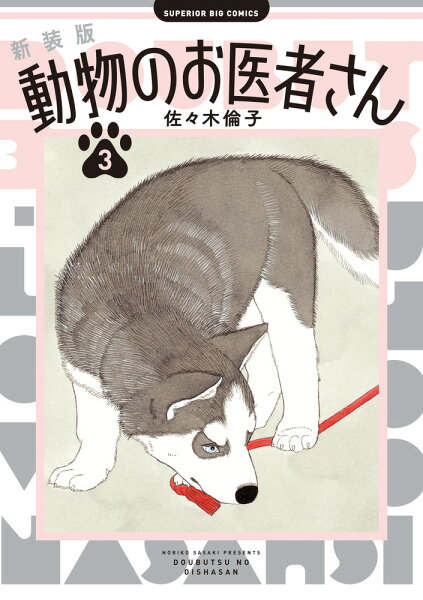
Doubutsu no Oisha-san
Doubutsu no Oisha-san follows Hamutaro, a quiet veterinary student in Hokkaido, his deadpan husky Chobi, and the warm chaos of vet-school life — a 12-volume Hana to Yume comedy so popular it set off a real Siberian Husky boom across Japan.
Slice of Life / Comedy
The Way of the Househusband
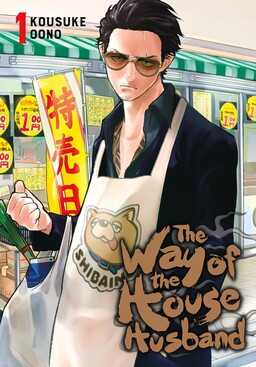
Yu's review of The Way of the Househusband — Tatsu, once the most feared yakuza boss in Japan, has retired to become a stay-at-home husband for his career-focused wife Miku; he applies the intensity, dedication, and specific vocabulary of organized crime to grocery shopping, cooking, and housework.

Slice of Life / Heartwarming
Sweetness and Lightning
Yu's review of Sweetness and Lightning — Kouhei Inuzuka is a teacher and single father whose wife recently died; he cannot cook and his daughter Tsumugi eats convenience store food; a student named Kotori invites them to her family's empty restaurant and teaches him to cook for his daughter.

Slice of Life / Comedy
Princess Jellyfish
Yu's review of Princess Jellyfish — Tsukimi Kurashita is a jellyfish-obsessed otaku girl living in an all-female apartment building full of passionate nerds; when she meets Kuranosuke, a cross-dressing son of a politician who barges into her world, her quiet otaku life starts to change.
Written by
Yu
Manga Enthusiast from Japan
I grew up in Japan and manga literally saved me during a tough time in elementary school. My English isn't perfect, but my love for manga is real — and I want to share it with you.