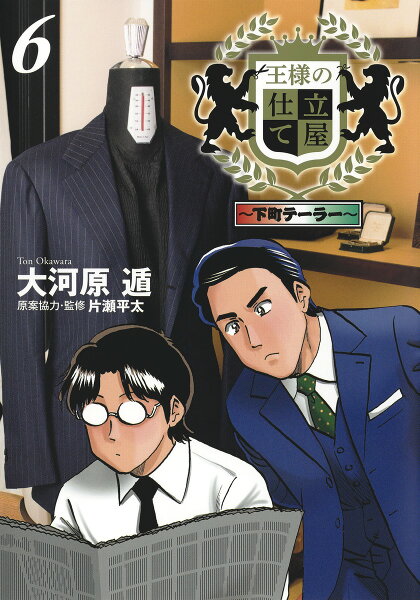
The Tailor of the King Review: How Clothes Make the Man, and Why That Matters
by Motoyuki Kaneko
Read the first volume. If it doesn't hook you, put it down. It'll hook you.
Buy The Tailor of the King on Amazon →*Affiliate link — I earn a small commission at no extra cost to you.
Quick Take
- The tailoring manga — Neapolitan suit-making culture rendered with extraordinary specificity
- Each chapter is a person, their needs, and how the right suit changes how they inhabit their own life
- One of manga's great examples of craft as a form of care
Who Is This Manga For?
- Fashion and tailoring enthusiasts who want their interest treated with genuine depth
- Readers who enjoyed Bartender or similar "craft as service" manga structure
- Anyone interested in Italian fashion culture — Naples specifically, bespoke tailoring specifically
- Seinen manga readers who want professional drama with genuine expertise behind it
Content Warnings & Age Rating
Age Rating: T (Teen) Content Warnings: Adult professional themes; the Italian fashion world depicted with its specific culture
Appropriate for its rating.
Yu's Rating
| Category | Score |
|---|---|
| Story Depth | ★★★★☆ |
| Art Style | ★★★★☆ |
| Character Development | ★★★☆☆ |
| Accessibility for Non-Japanese Readers | ★★★★★ |
| Reread Value | ★★★★☆ |
Story Overview
Yamato Sawabe trained in Naples — the center of the world's finest handmade suit-making tradition — and returned to Japan to open a small tailoring shop. Each chapter brings a client: a man whose life is in transition and who needs clothes that fit who he is becoming, not who he was.
The tailoring knowledge is real and extensive. Kaneko clearly researched Neapolitan tailoring tradition deeply — the specific techniques, the fabrics, the difference between made-to-measure and bespoke, the particular qualities of Neapolitan construction versus British or Italian mainland styles. The series functions as education about suit-making alongside its character drama.
The emotional core is always the same: the right suit is the right thing because it fits not just the body but the person. Yamato's skill is in reading what a man needs — not what he asks for — and making it.
Characters
Yamato Sawabe: The tailor-protagonist whose expertise is matched by his ability to see clients. He asks questions that aren't about the suit. He's trying to understand the person who will wear it, because the suit has to fit that person, not just their measurements.
The clients: A rotating ensemble of adult men at various crossroads — career transitions, personal changes, moments where they need to become something they haven't been before. Each client is a small portrait of adult life and what clothing can do for self-perception.
Art Style
Detailed and elegant. The fabric textures, the construction details, the specific drape of different materials — all rendered with evident research and care. The Italian settings of the flashback sequences are drawn with affection for their specific character. Character designs communicate social position and psychology through clothing choice, which is exactly right for the subject.
Cultural Context
Neapolitan tailoring — the sartorial tradition of Naples, Italy — is one of the world's most respected suit-making traditions, characterized by a specific construction approach that produces a soft, natural shoulder and a particular drape. In Japan, this tradition has a devoted following among men who consider clothes seriously.
The series brings this very specific Italian craft culture into contact with Japanese professional life, where suit-wearing has its own elaborate codes and meanings.
What I Love About It
I love how the series understands the relationship between clothes and confidence.
The series isn't saying that the right suit makes a man successful — it's saying that the right suit can make a man feel like himself at a moment when he's not sure who that is. Yamato makes clothes for transitions — for people who are becoming something new and need to look like it before they feel like it.
This is a real thing that clothes do. Knowing what you're wearing, and knowing it's right, is a specific kind of preparation for the world. The series takes this seriously without making it trivial.
What English-Speaking Fans Say
Largely unknown in English-speaking markets. Among fashion-interested manga readers, it is known as the definitive tailoring manga. The universal accessibility of its subject — everyone wears clothes; many people have complicated relationships to how they present themselves — means readers who find it often describe it as surprisingly moving.
Memorable Scene ⚠️ Spoiler Warning
A chapter involving a client who has gained weight since his last suit and is ashamed to admit it — and Yamato, taking measurements without comment, making a suit that fits the client he is now without reference to the client he was. The dignity of this is the scene.
Similar Manga
- Bartender: Same "craft as attentive service" structure, different subject
- Drop of God: Craft knowledge applied to human need, different subject
- Moteki: Japanese male fashion anxiety in a different register
Reading Order / Where to Start
Volume 1. The craft knowledge accumulates across the series.
Official English Translation Status
The Tailor of the King has no official English translation.
Pros & Cons
Pros
- Exceptional treatment of Neapolitan tailoring knowledge
- The "craft as care" structure is consistently satisfying
- Universal accessibility despite specialist subject
- 67+ volumes of consistent content
Cons
- No English translation
- Very long and ongoing — no conclusion yet
- Some tailoring terminology is dense for non-enthusiasts
Format Comparison
| Format | Notes |
|---|---|
| Physical | Japanese editions available |
| Digital | Available in Japanese |
| Omnibus | Not available |
Where to Buy
No English release yet. That just means you find it before everyone else does.
*Affiliate link — I earn a small commission at no extra cost to you.
More Manga You Might Like
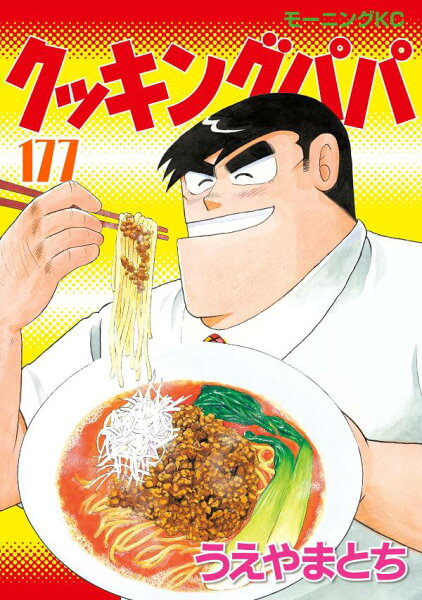
Slice of Life / Comedy
Cooking Papa
Cooking Papa follows Kazumi Araiwa, a Fukuoka salaryman at Kanamaru Sangyo who is secretly a brilliant home cook — feeding his family and, eventually, his whole workplace — across one of the longest-running manga in history.
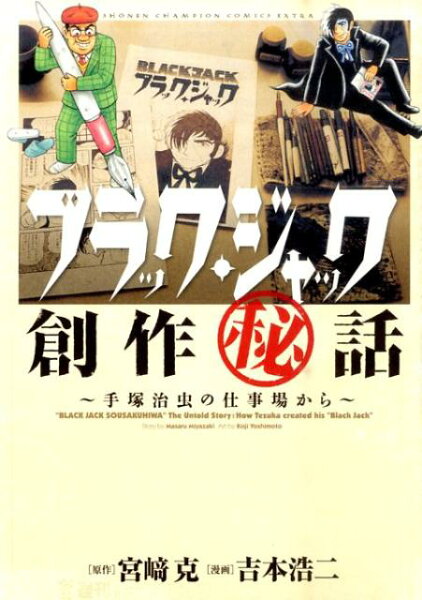
Slice of Life / Drama
Black Jack Sousaku Hiwa
Black Jack Sousaku Hiwa is a documentary manga about how Osamu Tezuka created Black Jack — told through the editors and assistants who worked beside him, capturing both the genius and the human cost of his impossible work ethic.
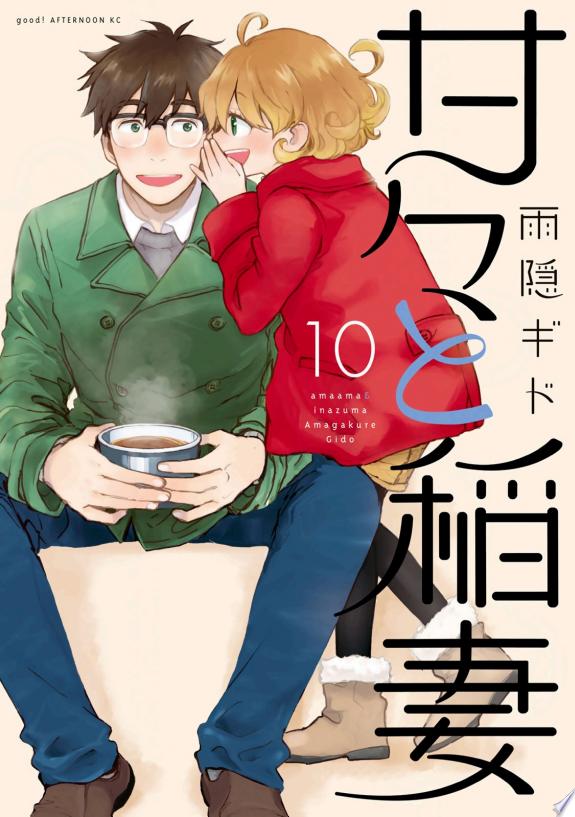
Slice of Life / Heartwarming
Sweetness and Lightning
Yu's review of Sweetness and Lightning — Kouhei Inuzuka is a teacher and single father whose wife recently died; he cannot cook and his daughter Tsumugi eats convenience store food; a student named Kotori invites them to her family's empty restaurant and teaches him to cook for his daughter.
Slice of Life
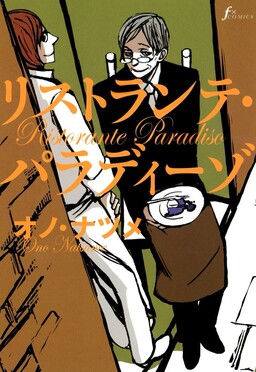
Ristorante Paradiso
Yu's review of Ristorante Paradiso — Nicoletta travels from her hometown to Rome to confront her mother, who left her as a child; her mother's husband doesn't know she exists; the restaurant Casetta dell'Orso, staffed entirely by older bespectacled gentlemen, becomes the setting for Nicoletta's unexpected new life.
Slice of Life / Heartwarming
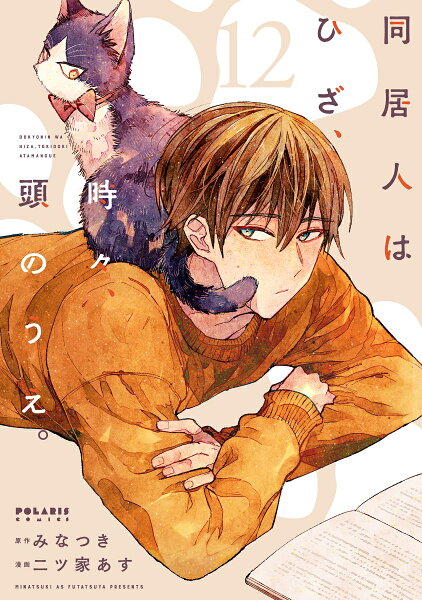
My Roommate Is a Cat
Subaru Mikazuki is a young mystery novelist who lost both parents recently and has stopped going outside. He finds a stray cat at his parents' grave and takes her home for research. She names herself Haru. Every chapter is told twice — once from his perspective, once from hers — and the gap between those two readings of the same scene is the manga.
Slice of Life / Comedy
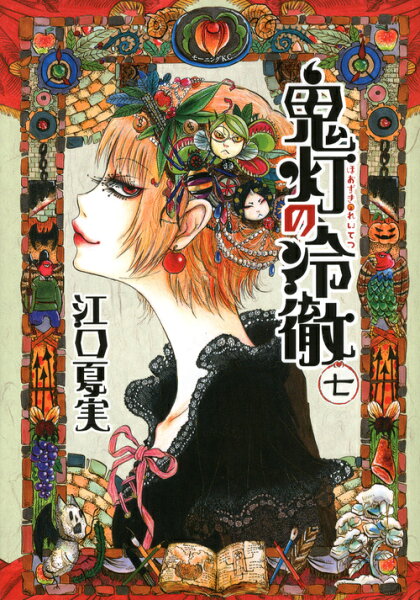
Hozuki's Coolheadedness
Hozuki is the deadpan, sadistic chief aide to King Enma of the Japanese Hell — and the only person keeping the afterlife's enormous bureaucracy from collapsing. This is his workplace comedy.
Written by
Yu
Manga Enthusiast from Japan
I grew up in Japan and manga literally saved me during a tough time in elementary school. My English isn't perfect, but my love for manga is real — and I want to share it with you.