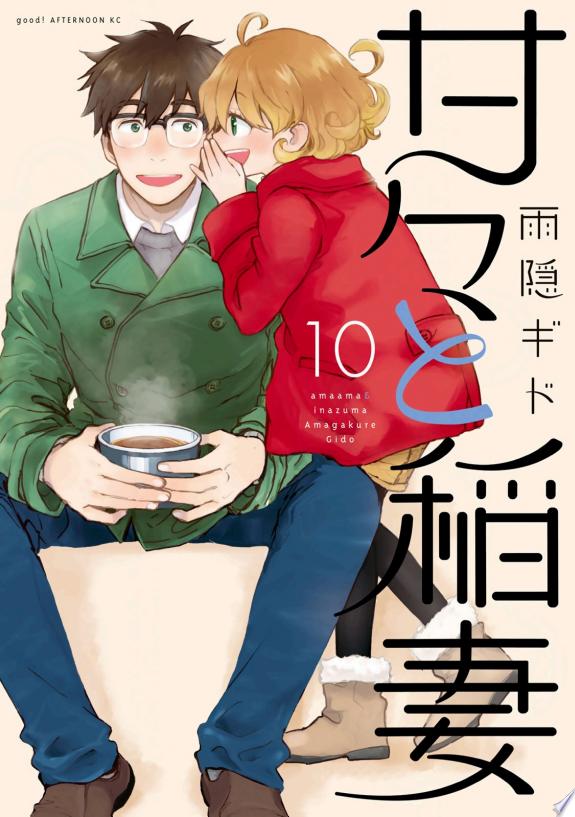
Sweetness and Lightning Review: A Grieving Teacher Learns to Cook for His Daughter With Help From His Student
by Gido Amagakure
Read the first volume. If it doesn't hook you, put it down. It'll hook you.
Buy Sweetness and Lightning on Amazon →*Affiliate link — I earn a small commission at no extra cost to you.
Quick Take
- A widowed teacher learning to cook for his small daughter, one recipe per chapter, with the help of a student whose family restaurant sits empty
- The food is real, the grief is real, and the happiness that cooking for someone builds is the series' thesis — 12 volumes, complete
- One of the warmest family manga ever published
Who Is This Manga For?
- Readers who want slice of life manga about family and grief told through cooking
- Parents who want to see the specific love that making food for a child represents
- Anyone who wants completed manga that is entirely kind
- Readers who want cooking content without the competition of Food Wars
Content Warnings & Age Rating
Age Rating: All Ages Content Warnings: Kouhei's wife died recently — grief is present, gently handled
The grief is in the background, not the foreground. The foreground is cooking and Tsumugi.
Yu's Rating
| Category | Score |
|---|---|
| Story Depth | ★★★★☆ |
| Art Style | ★★★★☆ |
| Character Development | ★★★★★ |
| Accessibility for Non-Japanese Readers | ★★★★★ |
| Reread Value | ★★★★★ |
Story Overview
Kouhei Inuzuka's wife died six months ago. He is a high school teacher. He is doing his best. His daughter Tsumugi is in preschool and eats whatever he can manage — which is mostly convenience store food and instant meals.
One evening, Tsumugi drags him toward the smell of food. They end up at a restaurant that turns out to be where his student Kotori's family runs their business — but Kotori's mother is often absent, and the restaurant sits empty. Kotori invites them in. She makes them dinner from her mother's recipes.
Kouhei begins coming back. Each chapter covers one cooking session: a recipe, the preparation, the meal, and what the act of cooking and sharing food means to all three of them.
Characters
Kouhei Inuzuka — A man managing grief through purpose; cooking for Tsumugi becomes the practical structure his recovery builds around. His specific progress — from unable to make rice properly to capable of cooking the dishes his daughter loves — is the series' primary arc.
Tsumugi Inuzuka — Kouhei's daughter, age 5. She is enthusiastic, honest about what she likes and does not like, and present in every chapter in ways that make the cooking matter. Her character is the series' heart.
Kotori Iida — The student who provides the recipes and the space; her own family situation (her mother's absences, the restaurant her mother built) gives her subplot a parallel sadness to Kouhei's that the series handles gently.
Art Style
Amagakure's art is clean and warm — the food is drawn with appetite-inducing detail, the kitchen sequences are clear and instructional, and Tsumugi's expressions are drawn with the accuracy of someone who has spent time around small children. Every chapter ends on an image of the meal, which functions as a kind of closure.
Cultural Context
Japanese home cooking — the specific dishes, the ingredients, the kitchen tools — grounds the series in a food culture that Western readers can engage with through the recipes while still finding it specific. Each recipe in the manga is real and reproducible. Some volumes include recipe pages.
What I Love About It
Tsumugi at dinner. Every chapter, she tastes the food she and her father made together, and her specific reaction — not just "good" or "bad" but detailed, childlike, honest — is the series' most affecting recurring moment. Amagakure understood that the point of cooking for a child is not the food. It is the child tasting the food and telling you what she thinks.
What English-Speaking Fans Say
Western readers consistently describe Sweetness and Lightning as the manga they read when they need to feel that everything is going to be okay. The Tsumugi character is universally beloved — cited as one of the most accurately written small children in any manga. The grief handling is praised for being honest without being heavy.
Memorable Scene ⚠️ Spoiler Warning
The chapter where Kouhei makes the dish his wife used to make — for the first time, without her recipe, trying to remember what she did — and what Tsumugi says when she tastes it, is the series' most complete emotional chapter and the one most readers describe as the moment they fully understood what the series was doing.
Similar Manga
- My Roommate Is a Cat — Grief recovery through caring for another
- A Man and His Cat — Same emotional register, different relationship
- Silver Spoon — Food production honestly depicted
- Chi's Sweet Home — Family warmth, all-ages
Reading Order / Where to Start
Volume 1 — the setup is complete in the first chapter; the cooking begins immediately.
Official English Translation Status
Kodansha USA published the complete 12-volume series. All volumes available.
Pros & Cons
Pros
- 12 volumes, complete
- The recipes are real and the food is drawn beautifully
- Tsumugi is one of manga's finest child characters
- The grief is handled with genuine care
Cons
- Very low narrative stakes — this is warmth and character
- The student-teacher dynamic could be awkward for some readers (handled carefully by the series)
- Some cooking content requires interest in the food itself
Format Comparison
| Format | Notes |
|---|---|
| Individual Volumes | Kodansha USA; standard |
| Digital | Available |
Where to Buy
Read the first volume. If it doesn't hook you, put it down. It'll hook you.
This post contains affiliate links. If you purchase through these links, I may earn a small commission at no extra cost to you. As an Amazon Associate, I earn from qualifying purchases.
*Affiliate link — I earn a small commission at no extra cost to you.
More Manga You Might Like
Slice of Life / Comedy
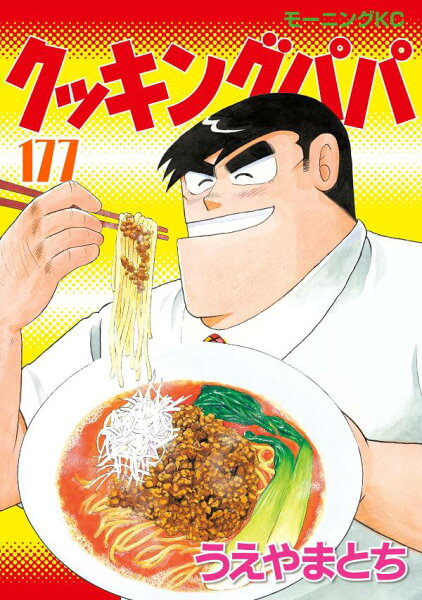
Cooking Papa
Cooking Papa follows Kazumi Araiwa, a Fukuoka salaryman at Kanamaru Sangyo who is secretly a brilliant home cook — feeding his family and, eventually, his whole workplace — across one of the longest-running manga in history.
Slice of Life / Drama
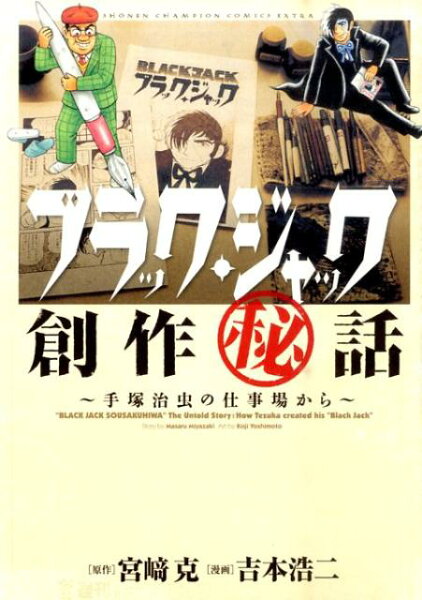
Black Jack Sousaku Hiwa
Black Jack Sousaku Hiwa is a documentary manga about how Osamu Tezuka created Black Jack — told through the editors and assistants who worked beside him, capturing both the genius and the human cost of his impossible work ethic.
Slice of Life / Comedy
Hinamatsuri
Yu's review of Hinamatsuri — a metal pod drops a deadpan telekinetic girl named Hina onto a yakuza man's head, and the deadpan comedy slowly turns into one of the most quietly moving found-family manga I've ever read.
Slice of Life / Comedy
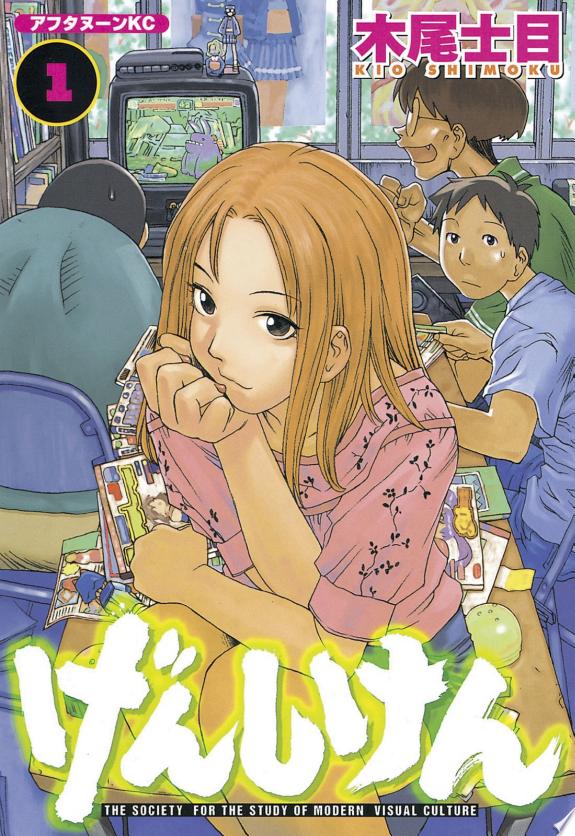
Genshiken
Yu's review of Genshiken — the Society for the Study of Modern Visual Culture is a university otaku club, and across nine volumes Shimoku Kio follows Sasahara, Madarame, Saki, Ohno, Tanaka and Ogiue as they graduate, fall in love, make a doujinshi, and figure out what being a fan costs and gives you.
Slice of Life / Comedy
Barakamon
Yu's review of Barakamon — a young calligrapher punches a critic, gets exiled to the Goto Islands, and a seven-year-old girl named Naru slowly dismantles everything he thought made him good.
Slice of Life / Drama
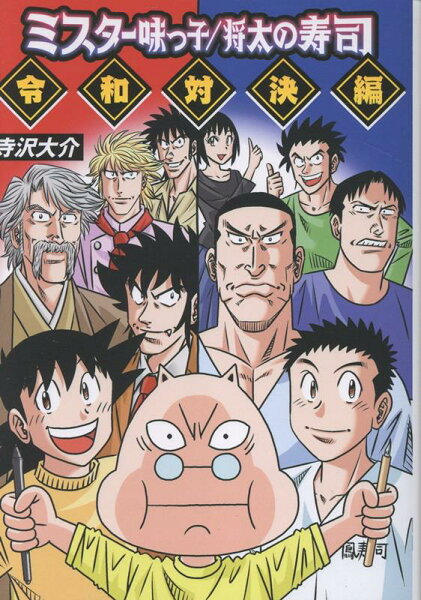
Shota no Sushi
A review of Daisuke Terasawa's Shota no Sushi (将太の寿司) — 27 volumes in Weekly Shōnen Magazine from 1992 to 1997. A Hokkaido boy trains at Tokyo's finest sushi restaurant, learns from masters, and competes at the highest levels of Japanese culinary craft.
Written by
Yu
Manga Enthusiast from Japan
I grew up in Japan and manga literally saved me during a tough time in elementary school. My English isn't perfect, but my love for manga is real — and I want to share it with you.
Disclosure: This post contains affiliate links. As an Amazon Associate, I earn from qualifying purchases at no extra cost to you.