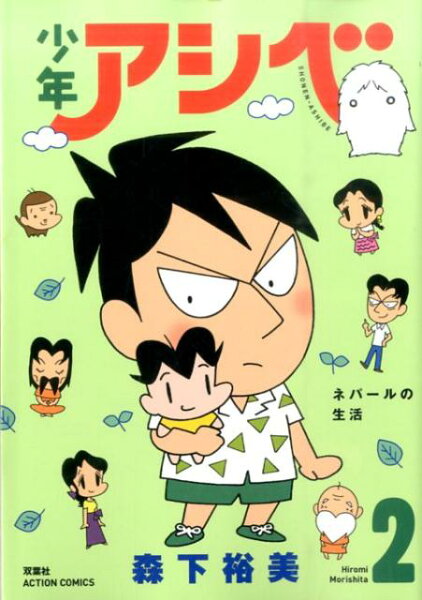
Shonen Ashibe Review: The Boy and the Seal Who Were Too Chaotic for Any Normal Family
by Midori Youkoh
Read the first volume. If it doesn't hook you, put it down. It'll hook you.
Buy Shonen Ashibe on Amazon →*Affiliate link — I earn a small commission at no extra cost to you.
What if the most popular member of your family was the seal?
Quick Take
- Midori Youkoh's beloved 1987 manga — Goma-chan the baby seal is one of Japanese popular culture's most recognized animal mascots
- The comedy comes from Goma-chan's obliviousness and Ashibe's father's escalating exhaustion
- 8 volumes of warm, gentle family comedy that made Goma-chan a national icon
Who Is This Manga For?
- Fans of animal companion manga who want the animal to be genuinely, consistently funny
- Readers who enjoy family comedy where the humor comes from affection rather than conflict
- Children and families — this is genuine all-ages content
- Anyone who finds the "everyone loves the pet" dynamic funnier than "nobody understands the pet"
Content Warnings & Age Rating
Age Rating: All Ages Content Warnings: Comedy. Family themes. Animal companion. No concerning content.
Appropriate for all readers.
Yu's Rating
| Category | Score |
|---|---|
| Story Depth | ★★★☆☆ |
| Art Style | ★★★★★ |
| Character Development | ★★★☆☆ |
| Accessibility for Non-Japanese Readers | ★★★★★ |
| Reread Value | ★★★★☆ |
Story Overview
Ashibe is a cheerful, energetic young boy. Goma-chan is a baby harp seal — round, white, enormous-eyed, and entirely unaware that it is unusual to be a seal living in a Japanese family's apartment.
The series follows their daily life: Ashibe getting into situations that Goma-chan makes worse, Goma-chan attracting the adoration of everyone in the neighborhood, and Ashibe's father — the series' true protagonist in some ways — attempting to maintain a functional household around a child and a seal who together constitute a force of nature.
The comedy is warm and specific. Goma-chan's appeal is not cuteness in the abstract but a particular kind of cheerful obliviousness that creates problems without any awareness of doing so. The father's reactions — tired, fond, resigned — are the emotional anchor.
Characters
Goma-chan: The seal. Round, white, genuinely funny. One of manga's most successful animal characters, which is a more competitive category than it sounds.
Ashibe: The boy who owns Goma-chan and who is also, in many ways, Goma-chan's equivalent in human form — energetic, well-meaning, creator of chaos.
Ashibe's father: The resigned adult presence whose relationship to the seal evolves from exhaustion to a kind of fond resignation that is its own form of affection.
Art Style
Midori Youkoh's art style is warm and clean — Goma-chan's design in particular has the visual precision of a character creator who understands exactly what elements make an animal design both cute and funny. The round body, the small eyes, the general blankness of expression: all of it is exactly calculated.
Cultural Context
Shonen Ashibe ran in Big Comic Spirits from 1987 to 1989, with a sequel and various continuation works following. Goma-chan became one of Japan's most recognized pop culture animals — merchandise, anime adaptations, and continued cultural presence for decades after the original serialization.
An anime adaptation aired in 1991, and a 2018 revival anime (Shonen Ashibe Go! Go! Goma-chan) reintroduced the characters to new audiences.
What I Love About It
I love Ashibe's father.
The father is not the comic relief. He is the person the comedy happens to — the only adult in the household trying to maintain basic functionality while his son and a seal systematically undermine it. His exhaustion is never mean-spirited. His fondness for both Ashibe and Goma-chan is real. The combination — tired, warm, resigned — is the most human emotional register in the series.
What English-Speaking Fans Say
Not known in English-speaking markets, though Goma-chan's design has some international recognition through merchandise and the 2018 anime reaching streaming platforms. Among readers of classic children's manga, Shonen Ashibe is recognized as one of the genre's warmer examples.
Memorable Scene ⚠️ Spoiler Warning
A situation where Goma-chan, lost in the neighborhood, is found and temporarily adopted by every person who encounters it — because no one can encounter Goma-chan and not want to keep it. The trail of delighted caretakers that Ashibe must follow to retrieve his seal is both the scene's joke and its warmest moment.
Similar Manga
| Title | Its Approach | How Shonen Ashibe Differs |
|---|---|---|
| Chi's Sweet Home | Kitten adopted by family | Seal in a family that chose it — different animal, similar warmth |
| Obake no Q-taro | Ghost adopted by family | Animal companion vs. supernatural companion |
| Flcl (FLCL) | Chaotic energy in a family setting | Shonen Ashibe's chaos is gentler and more domestic |
Reading Order / Where to Start
Volume 1. The series is episodic and the premise is established immediately.
Official English Translation Status
Shonen Ashibe has no official English translation.
Pros & Cons
Pros
- Goma-chan is a genuine icon — the design is perfect
- The father's character is warmer and funnier than the premise requires
- Accessible to all ages — literally everyone can enjoy this
- Short and complete — 8 volumes
Cons
- No English translation
- The episodic format offers no narrative depth
- The charm is simple — it won't sustain readers wanting complexity
- If the "adorable chaos animal" comedy doesn't click, there's nothing beneath it
Is Shonen Ashibe Worth Reading?
For family comedy fans and readers who want manga with uncomplicated warmth, yes — Goma-chan is one of the most successful animal characters in the medium, and the series delivers completely on its promise. For readers wanting depth or narrative, this is not that. But as warm, gentle, consistently funny family comedy, it's the real thing.
Format Comparison
| Format | Notes |
|---|---|
| Physical | Japanese editions available |
| Digital | Limited availability in Japanese |
| Omnibus | Collected editions available |
Where to Buy
No English release yet. That just means you find it before everyone else does.
*Affiliate link — I earn a small commission at no extra cost to you.
More Manga You Might Like
Slice of Life / Comedy
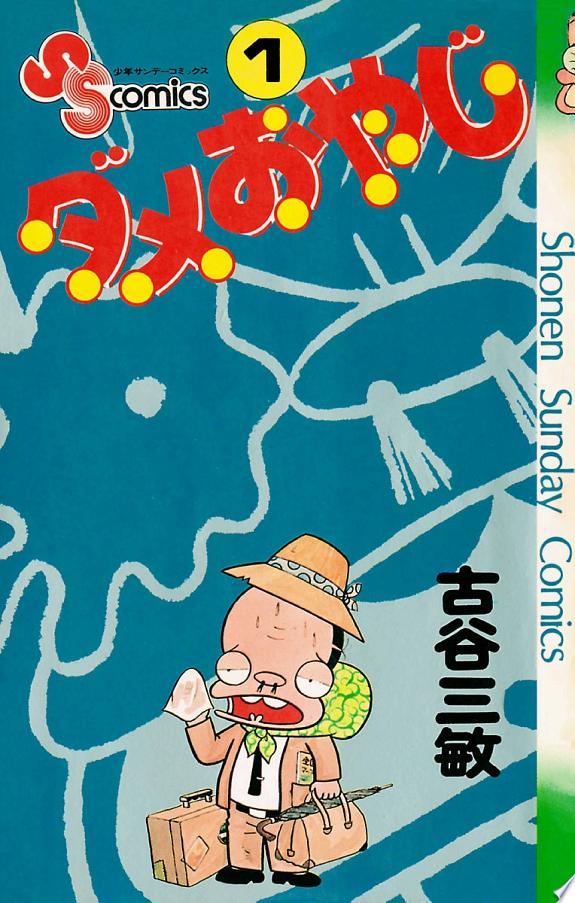
Dame Oyaji
A review of Mitsutoshi Furuya's Dame Oyaji — 39 volumes in Weekly Shōnen Sunday from 1970 to 1982. A dark gag manga about a salaryman father with no power at home, winner of the 1979 Shogakukan Manga Award.
Slice of Life / Comedy
Tensai Bakabon
Tensai Bakabon is Fujio Akatsuka's landmark gag manga about the Bakabon family — a household where the father's complete detachment from logic is presented as wisdom, and the world's attempts to impose reason are the actual problem.
Slice of Life / Comedy
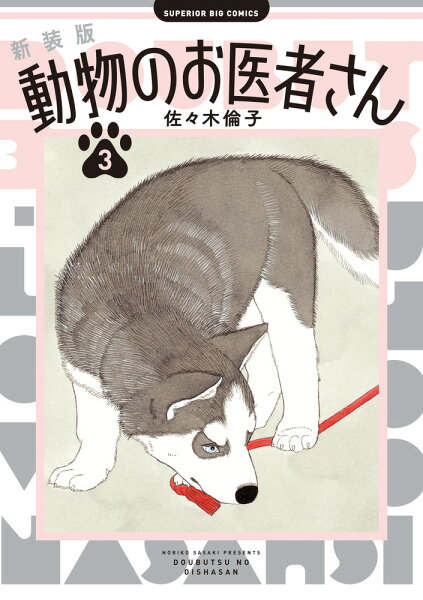
Doubutsu no Oisha-san
Doubutsu no Oisha-san follows Hamutaro, a quiet veterinary student in Hokkaido, his deadpan husky Chobi, and the warm chaos of vet-school life — a 12-volume Hana to Yume comedy so popular it set off a real Siberian Husky boom across Japan.
Slice of Life / Comedy
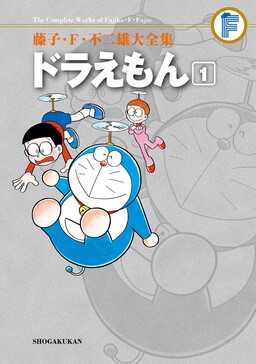
Doraemon
Yu's review of Doraemon — a robot cat from the 22nd century, sent back to help a hopeless boy named Nobita with gadgets from his four-dimensional pocket. Fujiko F. Fujio's most beloved work, and the manga every Japanese kid grows up inside.
Comedy / Slice of Life
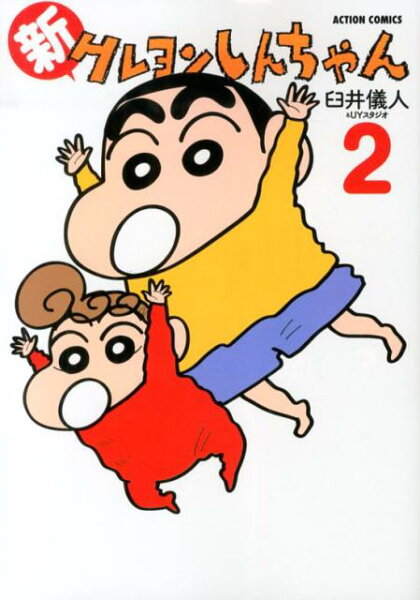
Crayon Shin-chan
A review of Crayon Shin-chan, Yoshito Usui's gag manga about a shameless five-year-old in suburban Saitama who says every embarrassing thing adults are too polite to say out loud.
Slice of Life / Comedy
Mainichi Kaasan
Mainichi Kaasan is a newspaper comic strip that ran in the Mainichi Shimbun for over a decade — autobiographical 4-koma strips about being a mother, a manga artist, a wife, and eventually a widow, drawn with humor and complete honesty.
Written by
Yu
Manga Enthusiast from Japan
I grew up in Japan and manga literally saved me during a tough time in elementary school. My English isn't perfect, but my love for manga is real — and I want to share it with you.