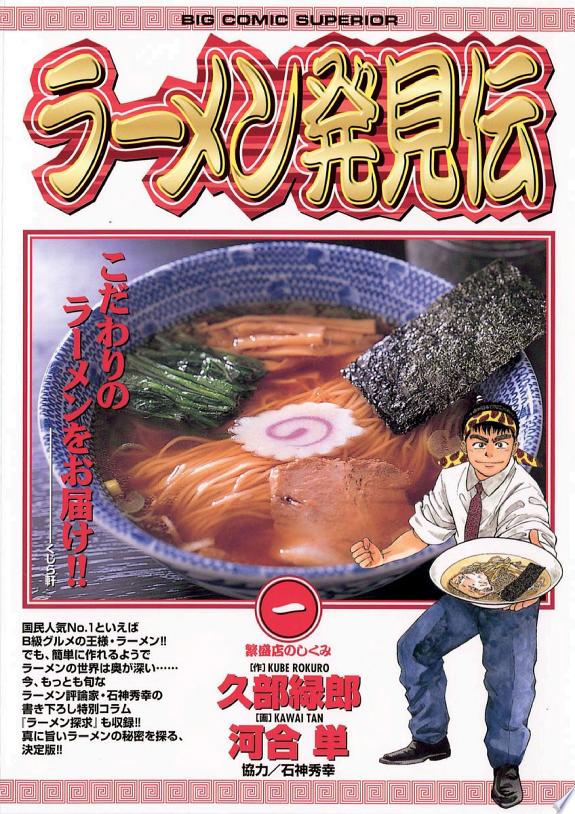
Ramen Discovery Legend Review: The Manga That Mapped Japan's Ramen Culture Before Anyone Else Did
by Shinji Kubota (story) / Reiji Nakagawa (art)
Read the first volume. If it doesn't hook you, put it down. It'll hook you.
Buy Ramen Discovery Legend on Amazon →*Affiliate link — I earn a small commission at no extra cost to you.
Quick Take
- The definitive ramen manga — encyclopedic coverage of Japanese ramen culture at the moment it became a serious food culture
- Fuuta's ordinary-man perspective makes the ramen knowledge accessible rather than gatekept
- A document of Japan's ramen scene in the late 1990s and 2000s, when it transformed into what it is today
Who Is This Manga For?
- Ramen enthusiasts who want to understand the culture behind the bowl
- Readers interested in Japanese food culture and how it changed at the turn of the millennium
- Culinary manga fans who want depth and coverage rather than competition
- Anyone who has stood in line for ramen and wanted to understand why
Content Warnings & Age Rating
Age Rating: T (Teen) Content Warnings: Workplace drama and some competitive culinary content
Largely benign.
Yu's Rating
| Category | Score |
|---|---|
| Story Depth | ★★★★☆ |
| Art Style | ★★★☆☆ |
| Character Development | ★★★☆☆ |
| Accessibility for Non-Japanese Readers | ★★★★☆ |
| Reread Value | ★★★★☆ |
Story Overview
Fuuta Kajiwara works in advertising. He has no culinary credentials. What he has is an extraordinary palate — the ability to taste ramen and understand, immediately, what makes it excellent or ordinary. He didn't develop this deliberately. It's just what his taste buds do.
Through his job and his eating, Fuuta encounters the full landscape of Japanese ramen: the regional styles (Sapporo, Hakata, Tokyo, Kyushu), the famous shops and their philosophies, the broth techniques and noodle variations, the specific decisions that distinguish great ramen from good ramen. He becomes, without seeking it, someone people seek out for ramen judgment.
The series is structured episodically — different ramen encounters, different shops, different regional traditions — with recurring characters and some ongoing workplace storylines. The ramen knowledge is accurate and detailed; Kubota clearly has genuine expertise.
Characters
Fuuta Kajiwara: The ordinary-man protagonist whose extraordinary palate gives him authority without pretension. He is not a chef and doesn't want to be. His relationship to ramen is pure consumption — eating with complete attention and honest assessment.
The ramen masters: Various shop owners and chefs whose philosophies and practices provide the series' educational content. Each represents a different approach to what ramen can be.
Art Style
Functional and clear. The ramen is drawn with genuine attention — the color of broth, the texture of noodles, the surface of toppings — in ways that communicate quality visually. The character designs are straightforward. The art serves the content.
Cultural Context
The series ran from 1999 to 2009 — the period when Japanese ramen culture underwent its most significant transformation, from casual cheap food to a serious culinary art with recognized masters, dedicated critics, and international interest. Reading the series is reading the moment this transformation was happening.
Regional ramen styles — Sapporo's rich miso, Hakata's tonkotsu, Tokyo's shoyu — were being mapped and appreciated as distinct culinary traditions. The series participated in and documented this new ramen consciousness.
What I Love About It
I love how the series treats ramen as something worth taking seriously without making it precious.
There is a version of food manga that makes its subject seem exclusive — you can only appreciate this if you have the right background, the right palate, the right credentials. Ramen Discovery Legend goes the opposite direction. Fuuta has no credentials. He just tastes and he pays attention. That's enough.
This is the right attitude. Great food deserves attention. It doesn't require credentials to receive it. The series' implicit argument is that anyone who eats carefully is qualified to love what they eat.
What English-Speaking Fans Say
Not known in English-speaking markets. Among ramen culture enthusiasts who read in Japanese, it is cited as one of the primary documents of the ramen renaissance of the late 1990s and 2000s. Readers who want to understand why ramen became what it is internationally often find themselves directed here.
Memorable Scene
A chapter where Fuuta encounters a ramen shop that has been serving essentially the same bowl for thirty years — unchanged, refusing trend, committed to a specific vision. The series treats this as worthy of respect equal to innovation, which is its most interesting culinary position.
Similar Manga
- The Solitary Gourmet: Similar solitary eating structure, different food focus
- Shota no Sushi: Competition-based culinary manga with similar food knowledge depth
- Oishinbo: Broader Japanese food culture, more dramatic stakes
Reading Order / Where to Start
Volume 1. The ramen knowledge accumulates.
Official English Translation Status
Ramen Discovery Legend has no official English translation.
Pros & Cons
Pros
- Comprehensive coverage of Japanese ramen culture
- Accessible ordinary-man protagonist
- Complete at 26 volumes
- Genuine document of ramen culture's transformation
Cons
- No English translation
- The format is very episodic — limited dramatic arc
- Some covered shops and styles may have changed or closed
Format Comparison
| Format | Notes |
|---|---|
| Physical | Japanese editions available |
| Digital | Available in Japanese |
| Omnibus | Not available |
Where to Buy
No English release yet. That just means you find it before everyone else does.
*Affiliate link — I earn a small commission at no extra cost to you.
More Manga You Might Like

Slice of Life / Drama
Bartender
Bartender follows Ryu Sasakura, a young genius bartender who serves the 'Glass of the Gods' at a hidden Ginza bar — the one drink each troubled customer needs at that exact moment in their life.

Slice of Life / Comedy
Cooking Papa
Cooking Papa follows Kazumi Araiwa, a Fukuoka salaryman at Kanamaru Sangyo who is secretly a brilliant home cook — feeding his family and, eventually, his whole workplace — across one of the longest-running manga in history.

Slice of Life / Drama
Tokujou Kabachi!!
Tokujou Kabachi!! follows Daisuke Kanie, a paralegal at an administrative scrivener's office, as he takes on bureaucratic injustice and legal gray areas armed only with his knowledge of Japanese administrative law — and a willingness to argue until someone listens.
Slice of Life / Comedy
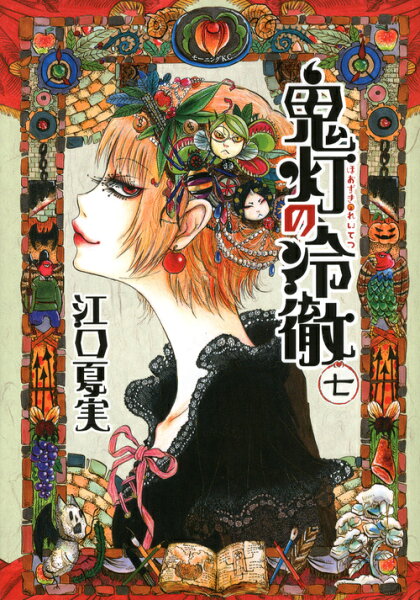
Hozuki's Coolheadedness
Hozuki is the deadpan, sadistic chief aide to King Enma of the Japanese Hell — and the only person keeping the afterlife's enormous bureaucracy from collapsing. This is his workplace comedy.

Slice of Life / Comedy
Police in a Pod
Police in a Pod follows Seiko Kawai, a burned-out policewoman who is about to quit, and her new superior Fuji — a former elite officer with her own complicated reasons for being at a small police box — as they navigate the absurd and occasionally moving realities of police work.
Slice of Life / Romance
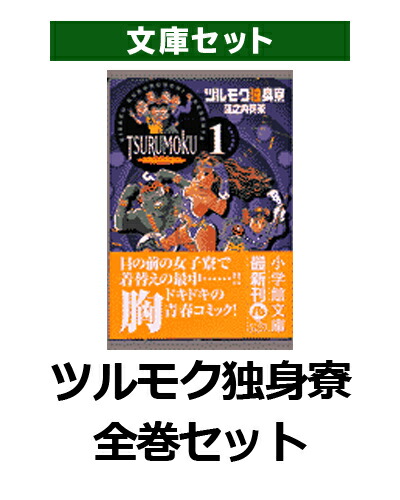
Tsurumoku Dokusin-ryo
Tsurumoku Dokusin-ryo follows young workers living in their company's bachelor dormitory — a comedy of closeness, romantic complications, and the specific texture of young adult working life in Japan when everyone you know also lives where you work.
Written by
Yu
Manga Enthusiast from Japan
I grew up in Japan and manga literally saved me during a tough time in elementary school. My English isn't perfect, but my love for manga is real — and I want to share it with you.