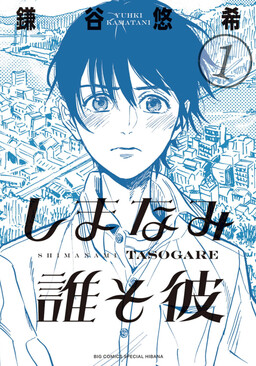
Our Dreams at Dusk Review: A Boy About to Give Up — and the Community That Changes His Mind
by Yuhki Kamatani
Read the first volume. If it doesn't hook you, put it down. It'll hook you.
Buy Our Dreams at Dusk: Shimanami Tasogare on Amazon →*Affiliate link — I earn a small commission at no extra cost to you.
Quick Take
- Four volumes that contain more emotional truth about LGBTQ experience in Japan than most longer series — Kamatani draws from the inside, without explaining to an outside audience, and the result is specific and affecting
- The community depicted is not a utopia but a real space: imperfect people finding imperfect ways to exist and helping each other do the same
- 4 volumes complete; among the most important and most affecting manga in English
Who Is This Manga For?
- Readers who want LGBTQ manga that depicts community with genuine specificity rather than idealization
- Anyone who appreciates manga that uses the slice-of-life format in service of serious emotional content
- Fans of stories about finding community and the people who make it possible
- Readers who want completed manga with four volumes that feel complete without feeling rushed
Content Warnings & Age Rating
Age Rating: M (Mature) Content Warnings: The first chapter begins with Tasuku about to jump from a building — depicted seriously and without minimization; he is outed against his will and this is treated as the crisis it is; the series deals directly with homophobia, family rejection, and the specific difficulty of being LGBTQ in a society that presumes otherwise; some discussion of sexuality and gender with genuine specificity
The M rating reflects content that handles serious subjects with adult directness.
Yu's Rating
| Category | Score |
|---|---|
| Story Depth | ★★★★★ |
| Art Style | ★★★★★ |
| Character Development | ★★★★★ |
| Accessibility for Non-Japanese Readers | ★★★★☆ |
| Reread Value | ★★★★★ |
Story Overview
Tasuku Kaname is a high school student. A classmate sees his phone screen — a photo that makes clear he is gay — and it spreads. He goes to an abandoned building. A woman in white appears and, in the way of someone who has seen this before, redirects him: "Come to the drop-in center."
The drop-in center is in a townhouse in a small coastal city. Its organizer — the woman in white, who is called Someone-san — hosts it without agenda: people can come, stay, work on renovation projects, have tea, and be themselves. The people who come are across the spectrum: gay men, bisexual women, trans people, people still figuring out their terms.
Tasuku arrives unable to say who he is aloud. The series follows him through the community — learning their stories, watching how they navigate the world, finding language for his own experience, and eventually becoming someone who can tell the truth.
Characters
Tasuku Kaname — His growth is from someone who cannot say what he is to someone who can. The series is honest that this is not a simple arc — it requires specific conversations, specific courage, and specific witnesses. The community he finds provides all three.
Someone-san — Her specific form of help — she does not explain, does not advise, creates a space and trusts that people will use it — is the series' most important structural choice. She is not a guide; she is a presence.
The community — Each member is a specific person with a specific relationship to their identity. Kamatani does not simplify any of them into types. The lesbian women, the trans woman, the gay man, the bisexual character — each is drawn with individual psychology.
Art Style
Kamatani's art is one of the most distinctive visual styles in contemporary manga — the coastal town setting is rendered with genuine attention to the quality of light, the community center with warmth, and the characters with designs that communicate individuality. The color of the title — dusk, that specific light — appears in the visual register throughout.
Cultural Context
Our Dreams at Dusk ran in Monthly Flowers — Shogakukan's josei anthology — and represents one of the most directly personal LGBTQ manga in the medium. Yuhki Kamatani is non-binary and draws from lived experience of LGBTQ life in Japan. The series was published during a period of increasing visibility for LGBTQ issues in Japan, and its specificity about Japanese context — the particular way homophobia operates, the difficulty of family, the geography of finding community — is part of its value.
What I Love About It
The renovation sequences. The drop-in center is always being worked on — repairing walls, painting, building. This physical work is the series' metaphor: the community is not finished, cannot be finished, is always being made livable. The people who do the work are the people who live there.
What English-Speaking Fans Say
Western readers describe Our Dreams at Dusk as the LGBTQ manga they give to people who want to understand what community means rather than what identity labels mean. The series' refusal to explain or define — Tasuku takes volumes to say his own word aloud, and the series does not force him — is praised as the most respectful approach to LGBTQ narrative in manga. Someone-san is cited as one of the most affecting supporting characters in recent manga.
Memorable Scene ⚠️ Spoiler Warning
The moment when Tasuku, finally, in a specific private moment with a specific person, says the word he has been unable to say — and what it costs and what it opens — is the series' most precisely chosen emotional beat. Kamatani makes the reader wait for it, and what we wait for earns its weight.
Similar Manga
- Sweet Blue Flowers — Yuri romance, emotional specificity, school setting
- Given — Male/male romance, music, emotional honesty
- Bloom into You — Yuri, identity and what we tell ourselves
- A Tropical Fish Yearns for Snow — Yuri, community, quiet emotional development
Reading Order / Where to Start
Volume 1 — the first chapter establishes the crisis and the community in a way that makes stopping after chapter one almost impossible.
Official English Translation Status
Seven Seas Entertainment published the complete 4-volume run. All volumes available.
Pros & Cons
Pros
- Four volumes of extraordinary emotional precision
- The community is depicted with specificity rather than idealization
- Kamatani's art is distinctive and beautiful
- Among the most important LGBTQ manga in English
Cons
- The M rating reflects content that handles suicidality directly — not for all readers at all moments
- Four volumes may feel brief, but the series is exactly the length it needs to be
- The Japanese LGBTQ context differs from Western LGBTQ experience in ways that may require some orientation
Format Comparison
| Format | Notes |
|---|---|
| Individual Volumes | Seven Seas Entertainment; 4 volumes |
| Digital | Available |
Where to Buy
Read the first volume. If it doesn't hook you, put it down. It'll hook you.
This post contains affiliate links. If you purchase through these links, I may earn a small commission at no extra cost to you. As an Amazon Associate, I earn from qualifying purchases.
*Affiliate link — I earn a small commission at no extra cost to you.
More Manga You Might Like
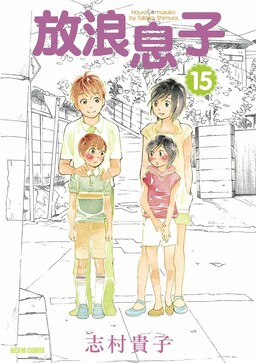
Slice of Life / Drama
Wandering Son
Yu's review of Wandering Son — Shuichi Nitori is a boy who wants to be a girl; his new friend Yoshino Takatsuki is a girl who wants to be a boy; the manga follows both of them from elementary school through adolescence as they navigate gender identity, friendship, and growing up; a gentle, serious work about transgender experience.
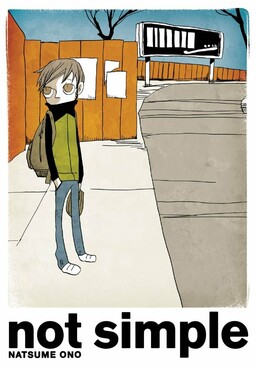
Slice of Life
not simple
Yu's review of not simple — Ian is an English young man whose life has been defined by loss, abuse, neglect, and a desperate search for his sister; the manga tells his story in non-linear fragments, assembled by a journalist writing a novel about Ian's life, asking what it means to witness someone's suffering and what fiction can do with it.
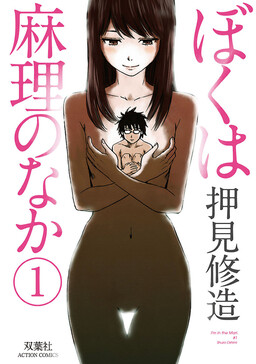
Slice of Life
Inside Mari
Yu's review of Inside Mari — Isao Komori, a hikikomori who watches a high school girl from his window, wakes up one morning inside her body. But the body-swap mystery he thinks he's living turns out to be something far stranger and sadder.
Slice of Life
Bunny Drop
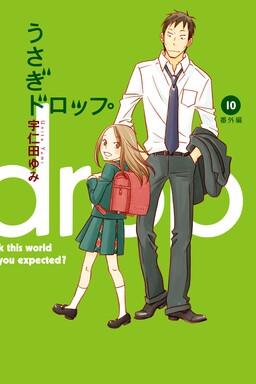
Yu's honest review of Bunny Drop (Usagi Drop) by Yumi Unita — bachelor Daikichi adopts Rin, his late grandfather's young illegitimate daughter, on impulse and learns to parent. The first half is some of the best family manga ever made; the second half time-skips and turns into something many readers reject. I tell you exactly what happens so you can decide.
Slice of Life / Drama
Boys Run the Riot
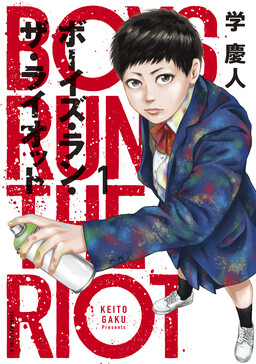
Yu's review of Boys Run the Riot — Ryo Watari is a transgender high schooler who can't tell anyone who he is, until he meets Jin, a loud transfer student who pulls him into starting a streetwear brand. A four-volume manga, drawn by a trans creator, about fashion as the language you use when words won't come.
Slice of Life / Historical Drama
Shouwa Genroku Rakugo Shinjuu
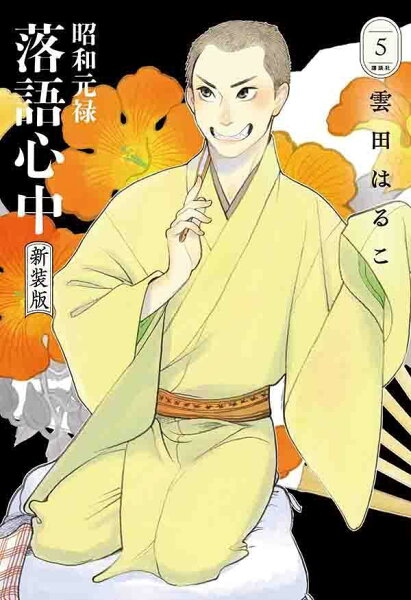
Shouwa Genroku Rakugo Shinjuu follows the world of rakugo — traditional Japanese comic storytelling — through two performers across two generations: the transcendent and self-destructive Yakumo, and the student Yotaro who inherits what Yakumo cannot save.
Written by
Yu
Manga Enthusiast from Japan
I grew up in Japan and manga literally saved me during a tough time in elementary school. My English isn't perfect, but my love for manga is real — and I want to share it with you.
Disclosure: This post contains affiliate links. As an Amazon Associate, I earn from qualifying purchases at no extra cost to you.