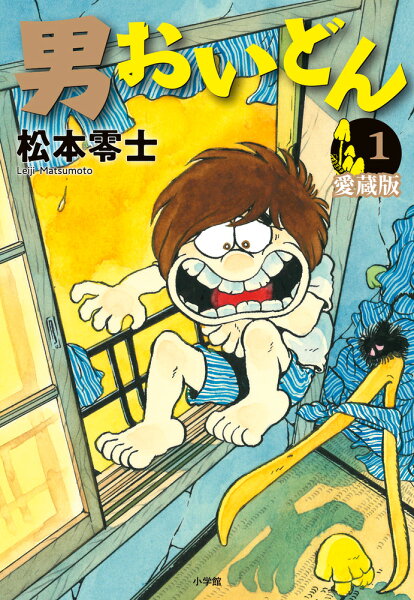
Otoko Oidon Review: Leiji Matsumoto's Funniest and Most Honest Work
by Leiji Matsumoto
Read the first volume. If it doesn't hook you, put it down. It'll hook you.
Buy Otoko Oidon on Amazon →*Affiliate link — I earn a small commission at no extra cost to you.
What if the hero of the story never actually becomes a hero?
Quick Take
- The funniest thing Leiji Matsumoto ever drew — a complete departure from his space opera persona
- Oyama is one of manga's great lovable failures: constantly defeated, never defeated in spirit
- A time capsule of young working-class Tokyo life in the 1970s that is both funny and quietly melancholy
Who Is This Manga For?
- Leiji Matsumoto fans who only know his space works — Otoko Oidon is a revelation
- Readers of slice-of-life and comedy manga who want the genre's roots
- Anyone interested in how young people lived in 1970s Tokyo — the boarding house world is depicted with documentary accuracy
- Fans of underdog stories where the underdog stays an underdog — this is not a triumph story
Content Warnings & Age Rating
Age Rating: T (Teen) Content Warnings: Poverty themes — Oyama's financial situation is treated as comedy but is genuinely precarious. Mild adult humor. Comedy of failure throughout.
Appropriate for its rating.
Yu's Rating
| Category | Score |
|---|---|
| Story Depth | ★★★☆☆ |
| Art Style | ★★★★☆ |
| Character Development | ★★★★☆ |
| Accessibility for Non-Japanese Readers | ★★★★☆ |
| Reread Value | ★★★★☆ |
Story Overview
Saburo Oyama moved to Tokyo with ambitions that are not clearly defined but are definitely large. He lives in a boarding house so small that standing up in his room requires care. He has no money. He has no connections. He has the absolute conviction that things will somehow work out.
They do not work out. At least not consistently or dramatically. Oyama loses jobs, loses the attention of women he likes, loses bets, loses arguments with his landlord, and loses contests with neighbors whose lives appear slightly less chaotic than his own.
The series follows his daily defeats with a warmth that never tips into condescension. Oyama is not a loser because he's stupid or lazy — he's a loser because life in early-1970s Tokyo for a young man from the provinces was genuinely difficult, and the series treats that difficulty honestly while finding the comedy in it.
Characters
Saburo Oyama: One of manga's great comic protagonists — his stubbornness and good spirits in the face of relentless failure are what make him worth following. He does not learn lessons in the usual sense; he simply persists.
The boarding house community: Matsumoto's eye for character is on full display in the supporting cast — neighbors, landlords, brief romantic interests, and rivals who all feel like real people rather than comic types.
Art Style
Matsumoto's art in Otoko Oidon is more cartoonish and expressive than his space opera work — the exaggeration serves the comedy, and the faces are wonderfully elastic. The tiny boarding house room is depicted with the accuracy of someone who may have lived in one.
Cultural Context
The boarding house (下宿, geshuku) for young men from the provinces was a specific institution of postwar Japanese urban life — cheap, crowded, and associated with a particular kind of hopeful poverty. Matsumoto drew Otoko Oidon from personal experience of this world.
The series is a document of early-1970s Tokyo that captures the specific experience of trying to establish yourself in a city that offers opportunity and withholds it in roughly equal measure.
What I Love About It
I love that Oyama never stops believing something good is about to happen.
He is wrong consistently. The good thing keeps not happening. And yet his belief is not portrayed as delusion — it's portrayed as the quality that keeps him going through circumstances that would defeat a more realistic person.
This is a gentler version of a familiar argument: that hope, even unjustified hope, is a form of strength. Matsumoto makes the argument with humor rather than sentimentality.
What English-Speaking Fans Say
Not known in English-speaking markets. Among Matsumoto fans and readers of classic Shonen Magazine, Otoko Oidon is considered a hidden gem — the series that shows what Matsumoto could do when he turned from space epics to immediate human comedy. Readers who find it often describe it as their favorite Matsumoto work.
Memorable Scene ⚠️ Spoiler Warning
A chapter where Oyama's room floods — the tiny space made even more unlivable — and his response is to treat the event as an adventure rather than a disaster. The scene is funny and tells you everything about who he is.
Similar Manga
- Tsurumoku Dokusin Ryou: Similar boarding house setting, different tone
- Golden Boy: Later manga in the same "young man adrift in Japan" tradition
- Galaxy Express 999: Matsumoto's space work — completely different genre, same author's sensibility
Reading Order / Where to Start
Volume 1. The series is episodic and accessible from any point, but starting at the beginning gives Oyama's world the full introduction it deserves.
Official English Translation Status
Otoko Oidon has no official English translation.
Pros & Cons
Pros
- The funniest side of one of manga's great artists
- Oyama is a genuinely lovable protagonist
- Short at 4 volumes — a complete and satisfying read
- A time capsule of a specific era of Japanese life
Cons
- No English translation
- Very short — may leave readers wanting more
- The comedy of failure may not appeal to all tastes
Format Comparison
| Format | Notes |
|---|---|
| Physical | Japanese editions available |
| Digital | Available in Japanese |
| Omnibus | Collected edition available |
Where to Buy
No English release yet. That just means you find it before everyone else does.
*Affiliate link — I earn a small commission at no extra cost to you.
More Manga You Might Like
Slice of Life / Comedy
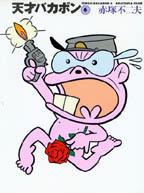
Tensai Bakabon
Tensai Bakabon is Fujio Akatsuka's landmark gag manga about the Bakabon family — a household where the father's complete detachment from logic is presented as wisdom, and the world's attempts to impose reason are the actual problem.
Slice of Life / Comedy
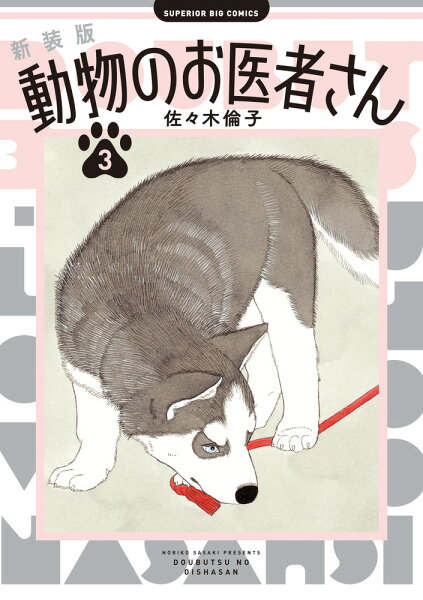
Doubutsu no Oisha-san
Doubutsu no Oisha-san follows Hamutaro, a quiet veterinary student in Hokkaido, his deadpan husky Chobi, and the warm chaos of vet-school life — a 12-volume Hana to Yume comedy so popular it set off a real Siberian Husky boom across Japan.
Slice of Life / Comedy
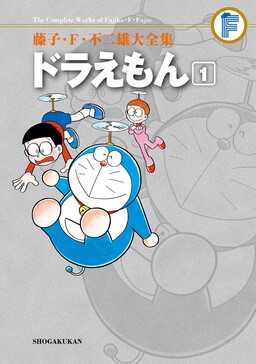
Doraemon
Yu's review of Doraemon — a robot cat from the 22nd century, sent back to help a hopeless boy named Nobita with gadgets from his four-dimensional pocket. Fujiko F. Fujio's most beloved work, and the manga every Japanese kid grows up inside.
Slice of Life / Comedy
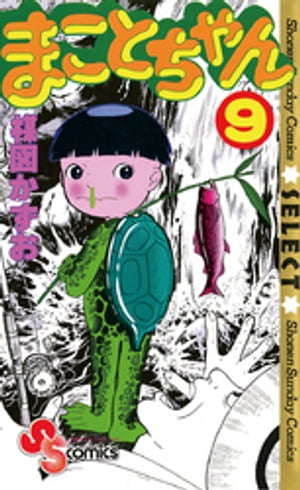
Makoto-chan
Makoto-chan follows an elementary school boy named Makoto whose irrepressible energy, endless mischief, and complete refusal to behave like a normal child make him a terror to everyone around him — depicted in the purest gag manga tradition by Kazuo Umezu.
Slice of Life / Comedy
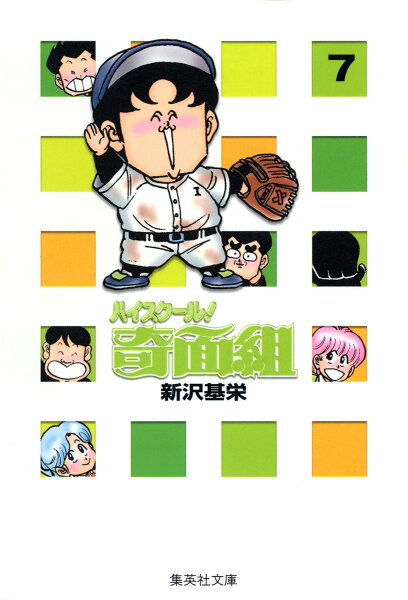
High School! Kimengumi
High School! Kimengumi follows five boys who turn their strange faces into a way of life, building one of the loudest, weirdest gag manga of 1980s Shonen Jump.
Slice of Life / Comedy
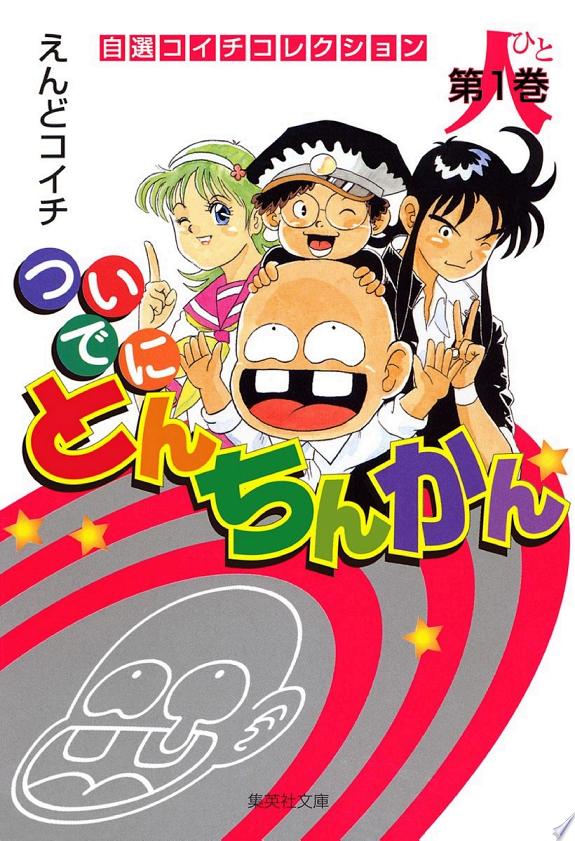
Tondemo-kun
Tondemo-kun follows a trio of delinquent students whose plans to cause trouble consistently backfire in ways that are so spectacularly wrong they accidentally create good outcomes — a comedy built entirely on the gap between intention and result.
Written by
Yu
Manga Enthusiast from Japan
I grew up in Japan and manga literally saved me during a tough time in elementary school. My English isn't perfect, but my love for manga is real — and I want to share it with you.