
Ore no Sora Review: The Manga Where One Man Beat Every Establishment He Entered
by Hiroshi Motomiya
Read the first volume. If it doesn't hook you, put it down. It'll hook you.
Buy Ore no Sora on Amazon →*Affiliate link — I earn a small commission at no extra cost to you.
What if someone approached the business world the way a fighter approaches a fight — and it actually worked?
Quick Take
- Hiroshi Motomiya's corporate action manga — the same energy as his sports and delinquent work applied to the white-collar world
- Domon's approach to business is indistinguishable from his approach to combat: direct, aggressive, and contemptuous of opponents who hide behind hierarchy
- Influential on the "salaryman fighting the system" genre that became a staple of Japanese manga
Who Is This Manga For?
- Readers of Motomiya's other work who want his energy in a corporate setting
- Business manga fans who want action intensity rather than procedure
- Anyone interested in how Japanese corporate culture was depicted in 1970s manga
- Fans of the underdog-vs-establishment story in an unusual setting
Content Warnings & Age Rating
Age Rating: T (Teen) Content Warnings: Action themes. Business competition with confrontational energy. Themes of ambition and anti-establishment attitude. Appropriate for the rating.
Suitable for teen readers.
Yu's Rating
| Category | Score |
|---|---|
| Story Depth | ★★★★☆ |
| Art Style | ★★★★☆ |
| Character Development | ★★★★☆ |
| Accessibility for Non-Japanese Readers | ★★★☆☆ |
| Reread Value | ★★★★☆ |
Story Overview
Ryu Domon enters corporate Japan with no connections, no inheritance, and no patience for the rituals of deference and seniority that structure the business world. He has ambition, a specific form of intelligence that reads situations and people quickly, and a complete willingness to challenge anyone who stands in his path.
The series follows Domon through the corporate world — different industries, different establishments, different forms of entrenched power — as he consistently finds the gap between what the system claims about itself and what it actually is, and exploits that gap to advance.
The corporate setting gives Motomiya's confrontational energy a new arena. The skills that work in street fights — reading an opponent, finding the decisive moment, committing completely — turn out to work in boardrooms too, to the permanent outrage of the people who believe those are different things.
Characters
Ryu Domon: A Motomiya protagonist in his fullest form — physical, direct, charismatic, and unimpressed by credentials. His appeal is the appeal of someone who treats every opponent as equally beatable regardless of their institutional status.
The establishment: Motomiya populates the corporate world with genuinely formidable opponents — people who are good at what they do and who require Domon to use more than brute confrontation to defeat.
Art Style
Motomiya's art — dynamic, expressive, and energetic — applies to corporate settings the same way it applied to action settings. Business meetings are depicted with the intensity of fights. The visual approach refuses to treat the corporate world as inherently dull.
Cultural Context
Ore no Sora ran in Weekly Shonen Jump from 1974 to 1979 — during the period when Japan's postwar economic growth was at its height and the corporate world was a primary social arena. Motomiya's decision to bring delinquent-manga energy to that world was timely and influential.
The series contributed to the salaryman manga tradition that would produce works from Naniwa Kinyuudo to The Way of the Househusband.
What I Love About It
I love that Domon doesn't become corporate.
Most stories about someone entering an establishment end with either their defeat (the establishment wins) or their assimilation (they become the establishment). Domon consistently refuses assimilation — he wins within systems without becoming a defender of those systems. Each victory is against the system, not inside it.
This is a specific and rare kind of protagonist: someone who is effective enough to keep winning and principled enough to keep refusing the comforts that winning usually provides.
What English-Speaking Fans Say
Not known in English-speaking markets. Among readers of Motomiya's work and readers interested in the history of business manga in Japan, Ore no Sora is recognized as a significant work — the first major attempt to apply the energy of action manga to the corporate world.
Memorable Scene ⚠️ Spoiler Warning
A boardroom confrontation where Domon, without institutional authority or credential, forces a room full of executives to recognize that the decision they are about to make is wrong — through a combination of economic analysis and the specific kind of social force that comes from someone who genuinely doesn't care what they think of him. The scene is the series' thesis made visible.
Similar Manga
- Naniwa Kinyuudo: Finance world, more documentary — same tradition
- Sanctuary: Corporate and political world through a similar anti-establishment lens
- Section Chief Kosaku Shima: Corporate manga with different energy
Reading Order / Where to Start
Volume 1. Domon's journey builds progressively.
Official English Translation Status
Ore no Sora has no official English translation.
Pros & Cons
Pros
- Motomiya's energy applied to an unusual and effective setting
- Complete at 21 volumes
- Domon is one of his strongest protagonists
- Influential on subsequent business manga
Cons
- No English translation
- Japanese corporate context of the 1970s may require background knowledge
- The anti-establishment energy doesn't develop as much as it escalates
Format Comparison
| Format | Notes |
|---|---|
| Physical | Japanese editions available |
| Digital | Available in Japanese |
| Omnibus | Collected editions available |
Where to Buy
No English release yet. That just means you find it before everyone else does.
*Affiliate link — I earn a small commission at no extra cost to you.
More Manga You Might Like
Slice of Life / Drama
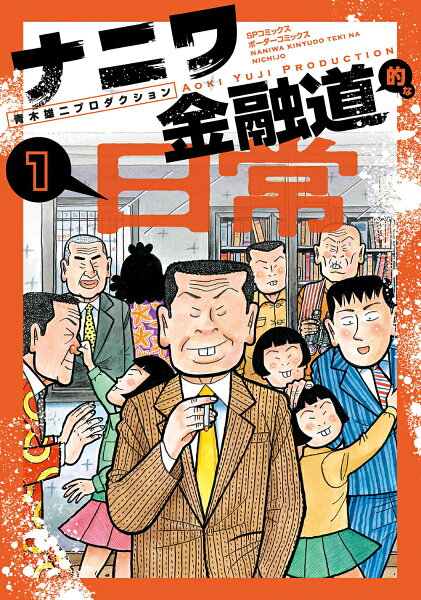
Naniwa Kinyuudo
Naniwa Kinyuudo follows new employee Ginji Mita at a small-loan finance company in Osaka — a manga that uses the world of moneylending and debt collection to create one of manga's most honest portraits of Japanese economic life.

Drama / Thriller
Ningen Konchuki
Ningen Konchuki (The Book of Human Insects) follows Toshiko Tomura, a beautiful and ruthless woman who absorbs the talents of creative people around her — becoming a novelist, then a designer, then an architect — by living with them, learning from them, and discarding them when she's taken everything they have.
Slice of Life / Drama
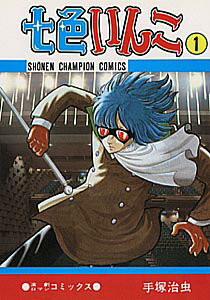
Nanairo Inko
Nanairo Inko (Rainbow Parakeet) follows a master of theatrical impersonation who steals identities to perform stage roles others have abandoned — Osamu Tezuka's late-career meditation on performance, identity, and the moral economy of art.
Slice of Life / Historical Drama
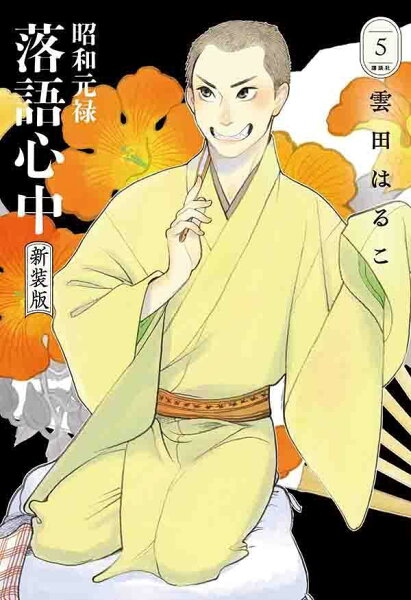
Shouwa Genroku Rakugo Shinjuu
Shouwa Genroku Rakugo Shinjuu follows the world of rakugo — traditional Japanese comic storytelling — through two performers across two generations: the transcendent and self-destructive Yakumo, and the student Yotaro who inherits what Yakumo cannot save.
Slice of Life / Drama
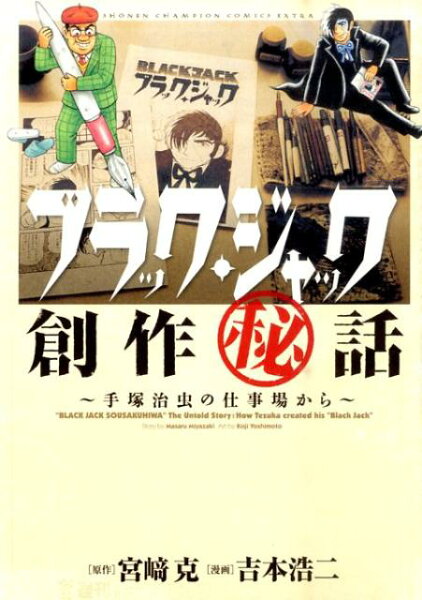
Black Jack Sousaku Hiwa
Black Jack Sousaku Hiwa is a documentary manga about how Osamu Tezuka created Black Jack — told through the editors and assistants who worked beside him, capturing both the genius and the human cost of his impossible work ethic.
Slice of Life
Nasu
Nasu collects Iou Kuroda's short manga stories — quiet, precise vignettes centered on food, travel, and the moments when ordinary life opens briefly into something larger, then closes again.
Written by
Yu
Manga Enthusiast from Japan
I grew up in Japan and manga literally saved me during a tough time in elementary school. My English isn't perfect, but my love for manga is real — and I want to share it with you.