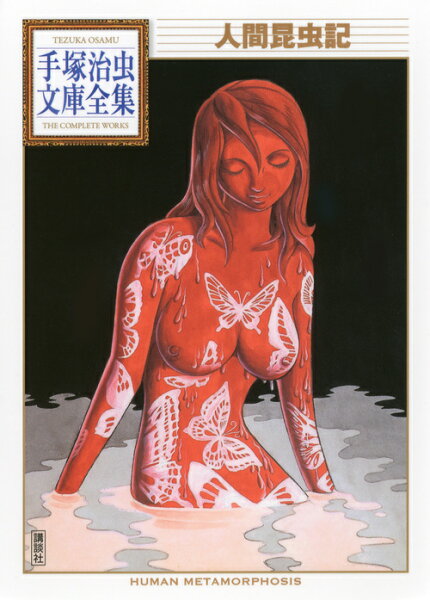
Ningen Konchuki Review: The Woman Who Stole Identities and Called It Survival
by Osamu Tezuka
Read the first volume. If it doesn't hook you, put it down. It'll hook you.
Buy Ningen Konchuki on Amazon →*Affiliate link — I earn a small commission at no extra cost to you.
What if the most talented person in every room had never actually created anything?
Quick Take
- Osamu Tezuka's most psychologically disturbing manga — a portrait of a parasite in human form
- Toshiko is one of the most compellingly written female antagonist-protagonists in manga history
- 5 volumes that challenge the reader's relationship to the protagonist in ways that make simplistic moral judgment impossible
Who Is This Manga For?
- Mature readers who want psychological complexity rather than clear-cut morality
- Tezuka fans who want to see his range at its darkest
- Readers interested in character studies of people who do terrible things for comprehensible reasons
- Anyone who finds parasitism — the deliberate use of others for self-advancement — genuinely interesting as a narrative subject
Content Warnings & Age Rating
Age Rating: M (Mature) Content Warnings: Sexual content — Toshiko uses her relationships to gain access to her subjects' talents. Identity theft and creative plagiarism. Manipulation of vulnerable people. Psychological thriller elements.
For mature readers only.
Yu's Rating
| Category | Score |
|---|---|
| Story Depth | ★★★★★ |
| Art Style | ★★★★★ |
| Character Development | ★★★★★ |
| Accessibility for Non-Japanese Readers | ★★★★☆ |
| Reread Value | ★★★★★ |
Story Overview
Toshiko Tomura is beautiful, charming, and completely empty of the creative impulse she presents to the world. She identifies talented people — a novelist, a fashion designer, an architect — enters their lives through attraction and apparent admiration, learns their methods and their instincts, and publishes their work as her own once she has taken everything transferable.
She is the insects of the title: specifically the insects that mimic other species for survival, the parasites that live by absorbing what their hosts have created.
Tezuka refuses to make this easy to judge. Toshiko's victims are often themselves flawed — possessive, manipulative in their own ways, contributors to the conditions she exploits. The manga asks whether a talent that can be taken was ever truly possessed by the person who had it.
Characters
Toshiko Tomura: One of manga's great antiheroes — not sympathetic in the conventional sense, but comprehensible. Her emptiness is not depicted as evil but as a kind of wound that creates its own logic.
Her victims: Each person she absorbs is drawn with enough humanity to make their loss register — they are not merely plot resources but people whose creative lives matter.
Art Style
Tezuka's art in this work has the elegance and expressiveness of his mature style applied to a subject that requires psychological precision. Toshiko's face is drawn with the specific ambiguity her character requires — beautiful, warm, and somehow wrong in a way the reader feels before they can articulate it.
Cultural Context
Ningen Konchuki ran in Weekly Playboy from 1970 to 1971. It appeared during a period when Tezuka was exploring the adult magazine market with material that his children's and shonen manga couldn't contain. The adult setting freed him to write Toshiko's character and her methods with the moral complexity they required.
What I Love About It
I love that Tezuka refuses to resolve Toshiko.
She does terrible things. She destroys people who trusted her. She profits from their destruction. And yet the manga holds her without sentencing her — neither condemning her with the narrative mechanics that would make the reader comfortable, nor redeeming her with the sentimental arc that would make her less threatening.
This is the hardest thing in fiction: to present someone doing wrong without either excusing or condemning them, and to trust the reader to sit with the discomfort.
What English-Speaking Fans Say
Known in English-speaking markets through Vertical's English publication (as "The Book of Human Insects"). Regarded by readers who encounter it as one of Tezuka's most sophisticated works — darker and more morally complex than his celebrated children's and shonen work.
Memorable Scene ⚠️ Spoiler Warning
A moment where one of Toshiko's former subjects, now understanding what she did to him, confronts her — and she does not deny it. Her response to the accusation is neither apology nor defiance. It is something that implies she does not understand why he expected anything else from her. The scene is devastating not because she's cruel but because she is genuinely incomprehensible to him.
Similar Manga
| Title | Its Approach | How Ningen Konchuki Differs |
|---|---|---|
| MW (Tezuka) | Dark thriller about a man whose soul was destroyed | Female protagonist with different damage and different methods |
| Barbara (Tezuka) | Adult drama with morally compromised characters | Similar mature register, different form of exploitation |
| Fraud (non-Tezuka) | Identity theft thriller | Ningen Konchuki approaches the subject as character study, not thriller |
Reading Order / Where to Start
Volume 1. The parasitic pattern is established quickly; the accumulation of victims gives the later volumes their weight.
Official English Translation Status
Ningen Konchuki has been published in English as "The Book of Human Insects" by Vertical.
Pros & Cons
Pros
- One of Tezuka's most sophisticated psychological works
- Toshiko is a genuinely complex character study
- The moral ambiguity is earned rather than evasive
- Short — 5 volumes that don't waste any of them
Cons
- The mature content and moral complexity limit the audience
- Toshiko's emotional inaccessibility may frustrate readers wanting empathetic protagonists
- The adult magazine origin means some elements haven't aged well
- The ending requires engagement with unresolved discomfort
Is Ningen Konchuki Worth Reading?
For mature readers and Tezuka fans, yes — this is among his most sophisticated psychological portraits, and the English translation makes it accessible. For readers who want clear moral frameworks or redemptive character arcs, this will be frustrating. But for those willing to sit with complexity, it's one of the best character studies manga has produced.
Format Comparison
| Format | Notes |
|---|---|
| Physical | English edition available from Vertical |
| Digital | Available in English |
| Omnibus | Single collected edition |
Where to Buy
Read the first volume. If it doesn't hook you, put it down. It'll hook you.
Start with The Book of Human Insects →
*Affiliate link — I earn a small commission at no extra cost to you.
More Manga You Might Like
Slice of Life / Drama
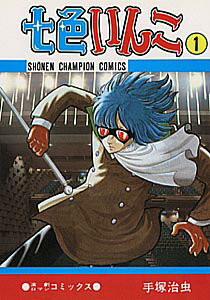
Nanairo Inko
Nanairo Inko (Rainbow Parakeet) follows a master of theatrical impersonation who steals identities to perform stage roles others have abandoned — Osamu Tezuka's late-career meditation on performance, identity, and the moral economy of art.
Slice of Life / Drama
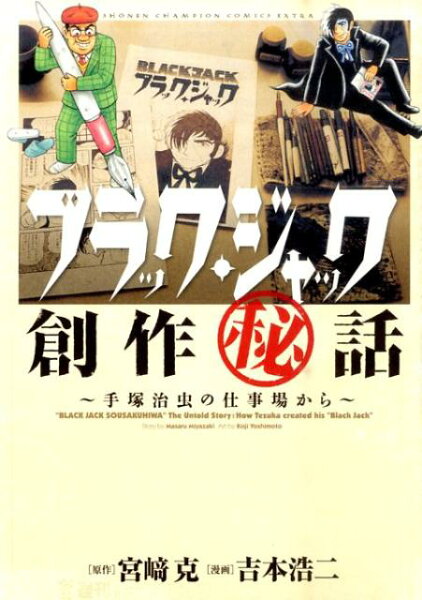
Black Jack Sousaku Hiwa
Black Jack Sousaku Hiwa is a documentary manga about how Osamu Tezuka created Black Jack — told through the editors and assistants who worked beside him, capturing both the genius and the human cost of his impossible work ethic.
Slice of Life / Drama
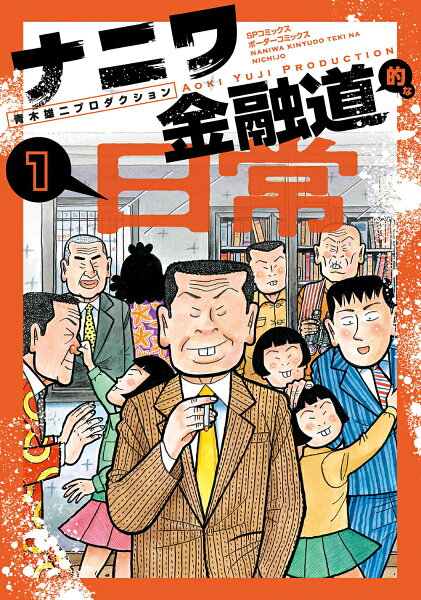
Naniwa Kinyuudo
Naniwa Kinyuudo follows new employee Ginji Mita at a small-loan finance company in Osaka — a manga that uses the world of moneylending and debt collection to create one of manga's most honest portraits of Japanese economic life.
Drama / Medical
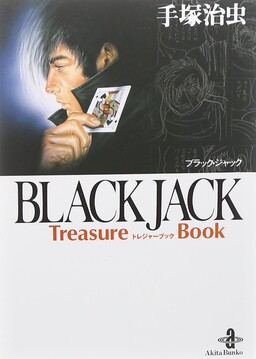
Black Jack
Black Jack is an unlicensed surgeon of impossible skill who lives on a cliff, charges fees that would bankrupt corporations, and decides which patients are worth saving. Osamu Tezuka — the God of Manga, who was himself a trained doctor — spent ten years and 242 standalone chapters on him. Vertical Inc.'s 17-volume English edition is complete.
Action / Drama
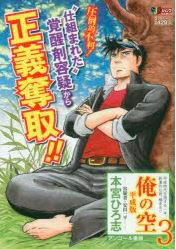
Ore no Sora
Ore no Sora follows Ryu Domon, a young man who enters the corporate world with the same attitude he would bring to a street fight — confrontational, direct, and completely uninterested in playing by the rules the establishment considers non-negotiable.
Slice of Life
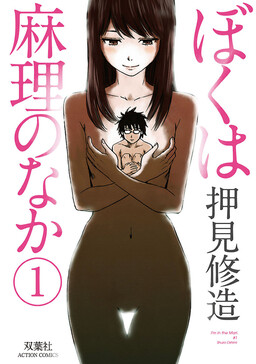
Inside Mari
Yu's review of Inside Mari — Isao Komori, a hikikomori who watches a high school girl from his window, wakes up one morning inside her body. But the body-swap mystery he thinks he's living turns out to be something far stranger and sadder.
Written by
Yu
Manga Enthusiast from Japan
I grew up in Japan and manga literally saved me during a tough time in elementary school. My English isn't perfect, but my love for manga is real — and I want to share it with you.