Nichijou Review: Ordinary Life, Extraordinarily Absurd
by Keiichi Arawi
Read the first volume. If it doesn't hook you, put it down. It'll hook you.
Buy Nichijou: My Ordinary Life on Amazon →*Affiliate link — I earn a small commission at no extra cost to you.
Quick Take
- High school slice-of-life where ordinary events — forgotten homework, buying a croquette, asking someone out — escalate to completely disproportionate consequences
- One of manga's great comedy works: the KyoAni anime is a masterpiece of visual comedy; the manga is the pure original form
- 10 volumes, complete, and rereads as well as any comedy manga
Who Is This Manga For?
- Readers who love comedy manga and want something that commits completely to its absurdist premise
- Fans of the anime who want the source material in its pure drawn form
- Anyone who wants a slice-of-life that makes them laugh out loud
- Readers who appreciate the craft of comedy timing in panel composition
Content Warnings & Age Rating
Age Rating: All Ages Content Warnings: None
Completely accessible. The absurdist content is entirely benign.
Yu's Rating
| Category | Score |
|---|---|
| Story Depth | ★★★☆☆ |
| Art Style | ★★★★★ |
| Character Development | ★★★★☆ |
| Accessibility for Non-Japanese Readers | ★★★★☆ |
| Reread Value | ★★★★★ |
Story Overview
Three high school girls: Mio (serious, aspiring manga artist, terrible at keeping secrets), Yuuko (loud, irresponsible, the engine of disaster), and Mai (stone-faced, unknowably dry, probably pranking everyone). Their school lives overlap with a secondary cast: Hakase (the Professor, an eight-year-old genius), Nano (the android the Professor built), and Sakamoto (a cat who wears a talking scarf).
The manga is structured as short, self-contained gags. A girl asks a boy out; the universe intervenes at catastrophic scale. Yuuko forgets homework; her solution requires more explanation than the homework would have. Nano tries to hide her wind-up key; no one cares about the key. The comedy is in the escalation — ordinary situations treated with completely disproportionate narrative weight.
Characters
Mio — The most earnest and the most prone to catastrophic overreaction. Her secret manga career (she draws yaoi) and her relationship with Yuuko are the manga's emotional core.
Yuuko — Chaos given human form. Her attempts to manage her disasters always make them worse.
Mai — The comedy wildcard — her sense of humor is so dry that it is unclear if she is ever joking. She usually is. She never confirms it.
Nano — Wants more than anything to be a normal high school student; is prevented from this primarily by the giant wind-up key on her back that the Professor refuses to remove.
The Professor — Eight years old and built an android. Has no idea this is unusual.
Art Style
Arawi's art is the foundation of the comedy — his timing in panel composition, his decision about where to cut and where to let a joke breathe, is among the best in comedy manga. The characters' facial expressions are precisely calibrated. The anime's famous visual escalation comes directly from how Arawi draws the buildup.
What I Love About It
The escalation. The manga's core joke is that ordinary situations receive epic narrative treatment — but Arawi never breaks the manga's internal logic. Within Nichijou, everything that happens makes sense on its own terms. The everyday world simply operates at a different scale of consequence than our own, and the comedy comes from that difference rather than from arbitrary randomness.
What English-Speaking Fans Say
Nichijou has a large Western following from the KyoAni anime, which is considered one of the best comedy anime ever made. Western readers of the manga find it maintains the same comedic energy in print — the timing translates. The Vertical release is considered a good English publication. Some translation notes are needed for certain Japanese wordplay that underpins gags.
Memorable Scene ⚠️ Spoiler Warning
The shark scene — the specific escalation from a mundane school event to involving a shark, which I will not fully describe — is the scene most cited as the peak of Nichijou's absurdist commitment. You will know it when you reach it.
Similar Manga
- Azumanga Daioh — Predecessor to the school comedy slice-of-life genre; similar structure
- K-On! — School girls, less absurdist, more warmth
- Barakamon — Warmer; similar character warmth without the absurdism
- The Daily Lives of High School Boys — Male perspective on the same premise
Reading Order / Where to Start
Volume 1. Each chapter is standalone — any volume works as a sample, but volume 1 introduces the full cast.
Official English Translation Status
Vertical published the complete 10-volume series. All volumes available.
Pros & Cons
Pros
- One of manga's great pure comedy works
- 10 volumes, complete, consistent quality throughout
- Exceptional reread value — the timing gets funnier the more you know the characters
- The art's panel composition is a comedy craft masterclass
Cons
- Minimal story depth or ongoing narrative
- Some wordplay-based gags lose something in translation
- The absurdist comedy may not land for readers who prefer different types of humor
Format Comparison
| Format | Notes |
|---|---|
| Individual Volumes | Standard Vertical release |
| Digital | Works well |
| Physical | Recommended — the panel timing works better in print |
Where to Buy
Read the first volume. If it doesn't hook you, put it down. It'll hook you.
This post contains affiliate links. If you purchase through these links, I may earn a small commission at no extra cost to you. As an Amazon Associate, I earn from qualifying purchases.
*Affiliate link — I earn a small commission at no extra cost to you.
More Manga You Might Like
Slice of Life / Comedy
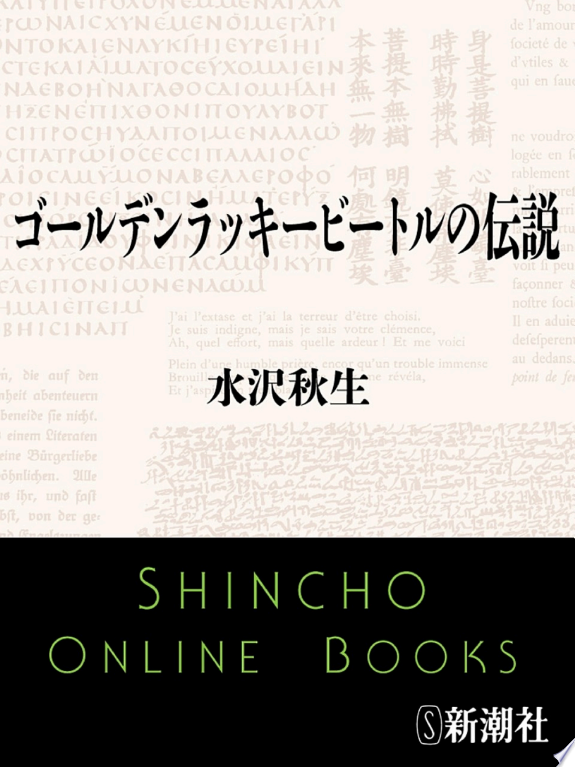
Golden Lucky
Golden Lucky is Shunji Enomoto's surreal 4-panel gag manga, serialized in Kodansha's Morning from 1990 to 1996. Famous for finishing dead last in reader polls for years — and surviving because of it.
Slice of Life / Comedy
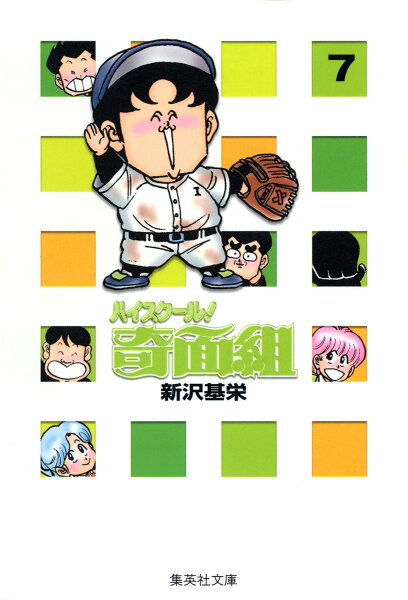
High School! Kimengumi
High School! Kimengumi follows five boys who turn their strange faces into a way of life, building one of the loudest, weirdest gag manga of 1980s Shonen Jump.
Slice of Life / Comedy
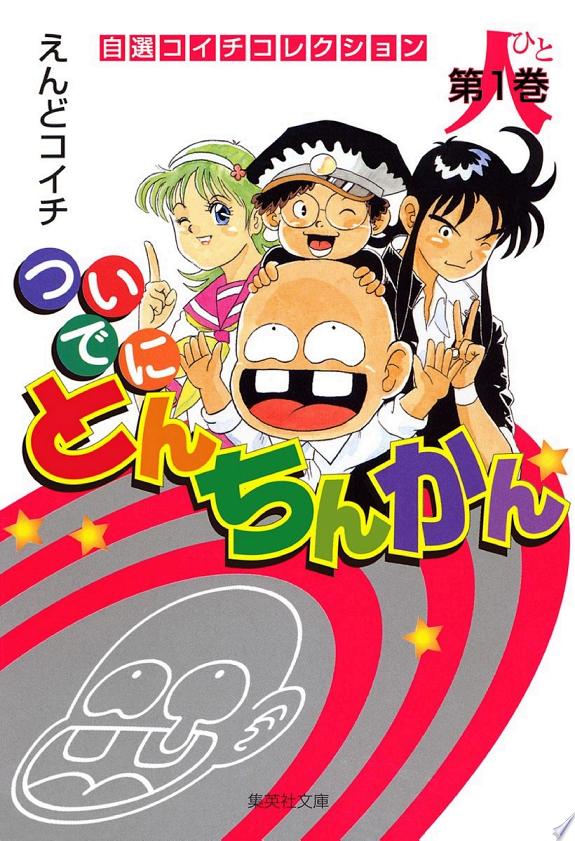
Tondemo-kun
Tondemo-kun follows a trio of delinquent students whose plans to cause trouble consistently backfire in ways that are so spectacularly wrong they accidentally create good outcomes — a comedy built entirely on the gap between intention and result.
Comedy / Slice of Life
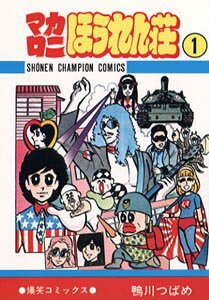
Macaroni Houren-sou
Macaroni Houren-sou follows three high school students living together in a boarding house — Toshio Shingami, the energetic straight man; Kinoshita, the eccentric wildcard; and Trapp, the cool foreigner — in a surreal comedy that uses the school-life setting as a launching pad for increasingly unhinged humor.
Slice of Life / Comedy
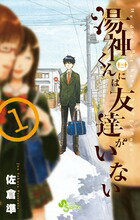
Yugami-kun ni wa Tomodachi ga Inai
Yugami-kun ni wa Tomodachi ga Inai (Yugami Has No Friends) follows Yugami Yuuichirou, a high schooler who has chosen — actively, deliberately — not to have friends, and Chihiro Otsuka, the transfer student determined to understand why. A 17-volume Sunday comedy about friendship's value examined through its absence.
Slice of Life / Comedy
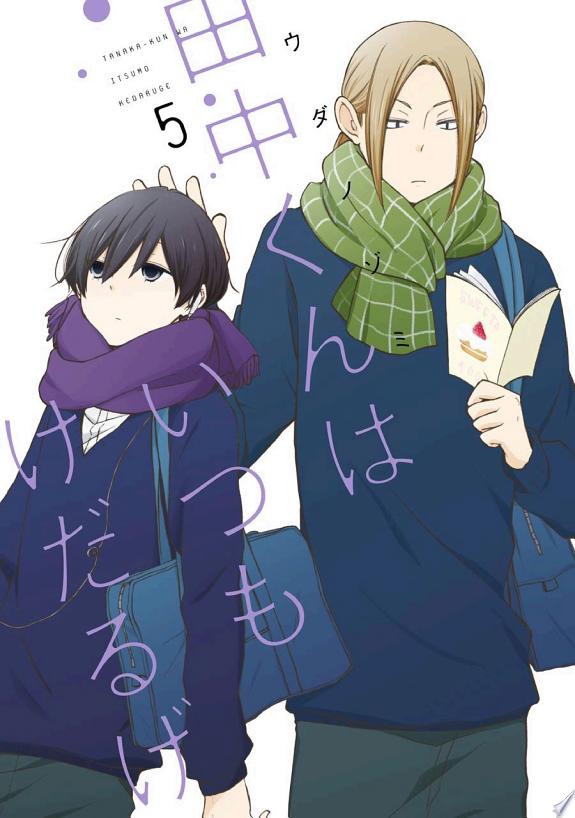
Tanaka-kun Is Always Listless
Yu's review of Tanaka-kun Is Always Listless — Tanaka is a high school boy whose entire being is devoted to doing as little as possible; his best friend Ohta carries him when necessary; the series follows Tanaka's profound listlessness encountering the energetic, enthusiastic people around him without disturbing his fundamental peace.
Written by
Yu
Manga Enthusiast from Japan
I grew up in Japan and manga literally saved me during a tough time in elementary school. My English isn't perfect, but my love for manga is real — and I want to share it with you.
Disclosure: This post contains affiliate links. As an Amazon Associate, I earn from qualifying purchases at no extra cost to you.