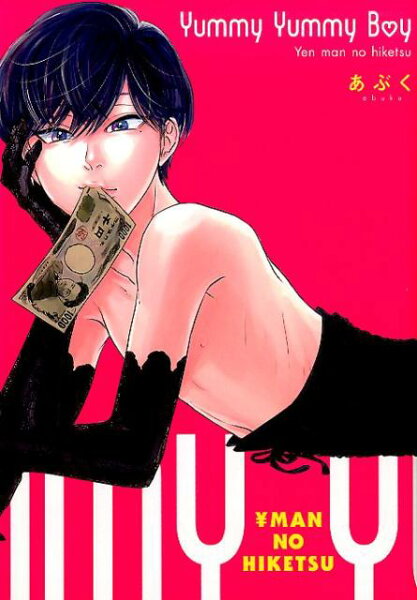
My Boy Review: The Manga That Showed Me What Mentorship Really Looks Like
by Hitomi Takano
Read the first volume. If it doesn't hook you, put it down. It'll hook you.
Buy My Boy on Amazon →*Affiliate link — I earn a small commission at no extra cost to you.
Quick Take
- A deliberately uncomfortable manga that earns its complexity by taking the discomfort seriously
- The relationship between Mashuu and Satoru is explored with genuine emotional honesty
- Complete at seven volumes with a conclusion that respects the difficulty of its subject
Who Is This Manga For?
- Readers comfortable with complex, morally ambiguous relationship dynamics
- Josei manga fans who want adult stories about loneliness and connection
- Those who enjoy character studies that sit with difficulty rather than resolving it neatly
- Readers looking for complete series that fully explore their premise
Content Warnings & Age Rating
Age Rating: M (Mature) Content Warnings: Adult-child friendship with complex emotional undercurrents, family trauma in the child's background, loneliness, themes that require reader attention to intent vs. presentation
This manga is intentionally challenging. The relationship between the leads is drawn to make readers aware of its potential problems — which is part of the point.
Yu's Rating
| Category | Score |
|---|---|
| Story Depth | ★★★★★ |
| Art Style | ★★★★☆ |
| Character Development | ★★★★★ |
| Accessibility for Non-Japanese Readers | ★★★★☆ |
| Reread Value | ★★★★☆ |
Story Overview
Mashuu Hayami is thirty-two years old and has just ended a long relationship. She is not sure what she wants or who she is anymore — the relationship was her anchor for years, and without it she is unmoored in her own life.
Satoru Kaga is twelve years old and plays ice hockey alone in a park rink in the early morning before anyone else arrives. He has his own complicated family situation — a father who left, a mother who struggles — and a seriousness far beyond his age.
They meet by accident. They talk. They meet again. A friendship develops.
My Boy is about loneliness — Mashuu's adult loneliness that has left her identity hollowed out, and Satoru's childhood loneliness that has made him more careful and closed-off than a twelve-year-old should be. They find something in each other's company that neither can fully name or fully defend.
The manga does not pretend this is simple. It watches the relationship with the same careful, concerned gaze that readers bring to it. The discomfort is the material.
Characters
Mashuu Hayami: A deeply realized adult protagonist. Her loneliness is not romantic longing but existential drift — she has lost track of who she is when not in relation to someone else. Satoru doesn't fix this, but he gives her a reason to be present.
Satoru Kaga: Mature, guarded, and recognizable as a child whose childhood has required more of him than it should. His friendship with Mashuu is something he chooses actively, with more awareness than most adults expect from twelve-year-olds.
Art Style
Hitomi Takano's art is detailed and emotionally precise. The quietness of the visual storytelling — wide panels, controlled pacing — suits the contemplative nature of the series. The hockey sequences are rendered with enough detail to feel credible.
Cultural Context
My Boy comes from Feel Young, a josei magazine that publishes work aimed at adult women and frequently explores complex relationship territory. The Japanese context matters: the manga is aware of how its central relationship will be read, and this awareness is baked into its structure.
The series was published with consistent critical attention to whether it was handling its material responsibly — and the consensus is that it does, through the transparency of Mashuu's self-examination and the respect shown to Satoru's autonomy.
What I Love About It
What I love is that the manga never looks away.
Other series in similar territory use the difficulty as atmosphere — a suggestion of complexity that never has to be fully confronted. My Boy confronts it directly. Mashuu constantly examines her own feelings and why she has them. She is the series' unreliable narrator in the best sense — not because she lies, but because she doesn't fully understand herself, and the reader has to read her more clearly than she reads herself.
That's a technically demanding thing to write, and Takano executes it. By the final volume, I felt I understood both characters — including the parts of themselves they couldn't see — completely.
What English-Speaking Fans Say
Received with genuine admiration in communities that engage with literary manga. The most common response: the series is harder to read than expected because it demands active engagement with its ethical complexity, and this is praised as the point.
Frequently recommended alongside other josei works that take difficult emotional territory seriously.
Memorable Scene ⚠️ Spoiler Warning
There is a scene where Mashuu finally articulates — to herself, in interior monologue, not to Satoru — what exactly she feels and why. The articulation is not comfortable. She doesn't rationalize herself into innocence. And then she makes a specific choice based on that honest self-knowledge. That choice, and the reasons for it, is what the series has been building toward.
Similar Manga
- A Bride's Story: Different in premise, similar quality of an adult gaze examining relationship dynamics with historical precision
- Sweetness and Lightning: Adult-child relationship, much lighter in tone, less complex
- March Comes in Like a Lion: Adult befriends troubled young person, similar emotional register
Reading Order / Where to Start
Volume 1. Complete in seven volumes.
Official English Translation Status
Seven Seas Entertainment published all 7 volumes in English. Complete.
Pros & Cons
Pros
- Complete — full arc with a proper conclusion
- Genuinely literary quality of character examination
- Both leads are fully realized and treated with respect
- Doesn't flinch from its own difficulty
Cons
- Mature content warnings are real — not for casual reading
- Slow and contemplative — not plot-driven
- The ethical complexity can be distressing
Format Comparison
| Format | Notes |
|---|---|
| Physical | Seven Seas Entertainment, 7 volumes complete |
| Digital | Available digitally |
| Omnibus | Not available |
Where to Buy
Read the first volume. If it doesn't hook you, put it down. It'll hook you.
*Affiliate link — I earn a small commission at no extra cost to you.
More Manga You Might Like
Slice of Life / Historical Drama
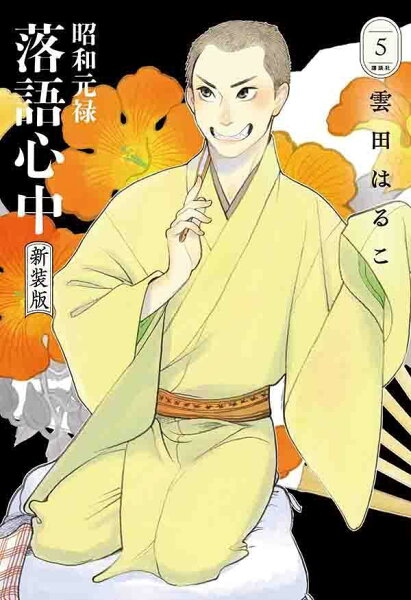
Shouwa Genroku Rakugo Shinjuu
Shouwa Genroku Rakugo Shinjuu follows the world of rakugo — traditional Japanese comic storytelling — through two performers across two generations: the transcendent and self-destructive Yakumo, and the student Yotaro who inherits what Yakumo cannot save.
Slice of Life / Drama
Umimachi Diary
Umimachi Diary follows three adult sisters in Kamakura who invite their half-sister — whom they barely know — to live with them after their estranged father's death, and the slow process of becoming a family.
Slice of Life / Drama
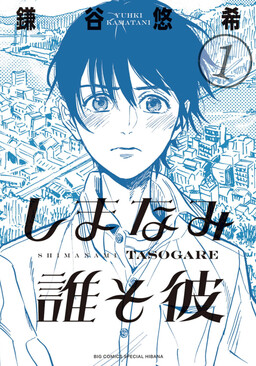
Our Dreams at Dusk: Shimanami Tasogare
Yu's review of Our Dreams at Dusk — Tasuku Kaname is outed to his classmates; he goes to a building to jump; a woman in white tells him to come to a drop-in center; the center is a community of people across the LGBTQ spectrum who have found a way to be in the world; Tasuku begins to find his own way through them.
Slice of Life / Drama
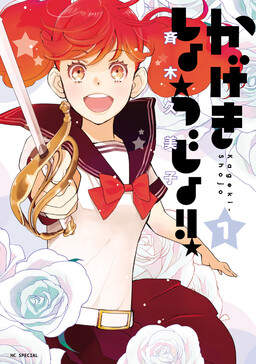
Kageki Shojo!!
Yu's review of Kageki Shojo!! — Sarasa Watanabe, a tall girl pushed out of kabuki as a child, enters the Kouka School of Musical and Theatrical Arts dreaming of playing Oscar from The Rose of Versailles. Her roommate is Ai Narata, a former JPX48 idol who fled an abusive past into all-female spaces. A Takarazuka-inspired drama about what performance costs the people who carry damage onto the stage.
Slice of Life
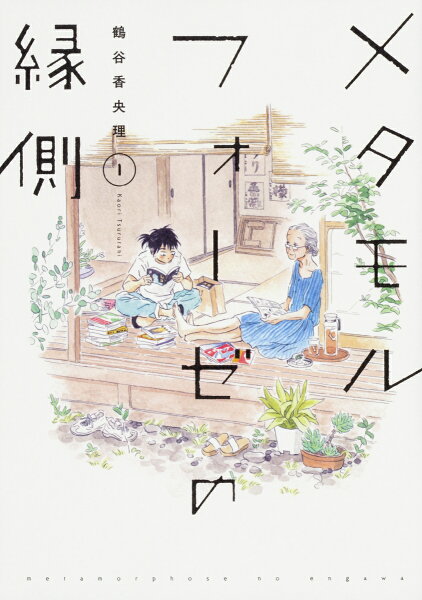
Metamorphose no Engawa
A 75-year-old widow discovers Boys' Love manga for the first time. A 17-year-old bookstore clerk who loves BL has never had a friend who shares her passion. This is the story of their friendship.
Slice of Life / Drama
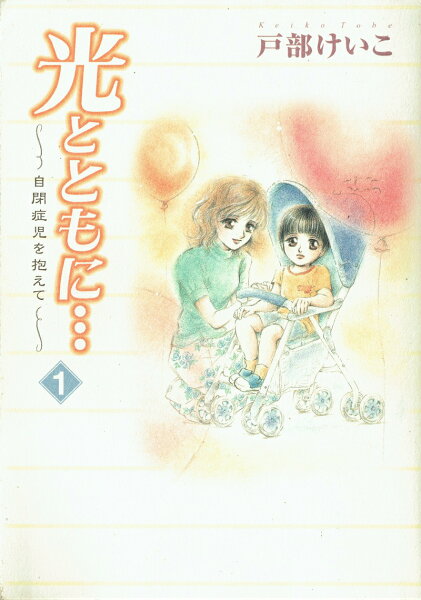
With the Light: Raising an Autistic Child
A review of With the Light: Raising an Autistic Child, Keiko Tobe's landmark manga about a mother raising an autistic son — honest, educational, and deeply human.
Written by
Yu
Manga Enthusiast from Japan
I grew up in Japan and manga literally saved me during a tough time in elementary school. My English isn't perfect, but my love for manga is real — and I want to share it with you.