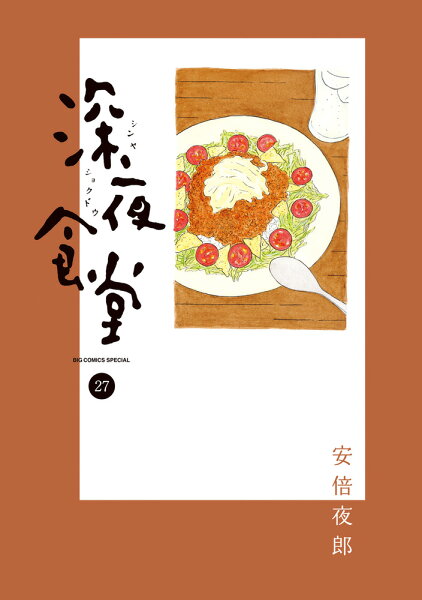
Midnight Diner Review: The Restaurant Manga That Remembered Every Customer Had a Story
by Yaro Abe
Read the first volume. If it doesn't hook you, put it down. It'll hook you.
Buy Midnight Diner on Amazon →*Affiliate link — I earn a small commission at no extra cost to you.
Open from midnight to seven. One menu item. Everything else, he'll try to make.
Quick Take
- Yaro Abe's anthology food manga — a late-night diner in Tokyo's Shinjuku, a nameless master, and the rotating cast of night people who come to eat
- Each chapter is a complete story: a dish, a person, what the dish means to them
- One of Japan's most beloved slice-of-life manga, adapted into multiple drama series and a Netflix film
Who Is This Manga For?
- Food manga readers who want emotion over competition — this is about why food matters, not whether it wins
- Anthology manga readers who want complete, contained stories rather than ongoing narrative
- Adult readers who want manga that treats loneliness, loss, and small connections with genuine care
- Anyone who has eaten something that brought them back to somewhere they couldn't return to
Content Warnings & Age Rating
Age Rating: M (Mature) Content Warnings: Adult themes including loneliness, loss, broken relationships, alcohol, nightlife characters. No graphic content.
Best suited for adult readers.
Yu's Rating
| Category | Score |
|---|---|
| Story Depth | ★★★★★ |
| Art Style | ★★★★☆ |
| Character Development | ★★★★☆ |
| Accessibility for Non-Japanese Readers | ★★★★☆ |
| Reread Value | ★★★★★ |
Story Overview
The diner is called "Meshiya" (Eating Place). It's in Shinjuku's alley district, open from midnight to seven in the morning. The master — no name ever given — cooks the one set menu: pork miso soup, rice, a pickled dish. Everything else, he'll make if he has the ingredients and can figure it out.
The people who come to this diner come at midnight because they have nowhere else to be. Hostesses finishing their shift. Salarymen who can't go home. Yakuza enforcers with unexpected feelings. Former athletes. Lonely people. People with secrets. People looking for something they can't name.
Each chapter is its own complete story — the dish, the customer, what the dish connects them to. A character might return in a later chapter, might not. The master listens, cooks, and rarely speaks beyond what's necessary. His silence is the series' most important quality: it creates space for the customers to be themselves.
What makes Midnight Diner extraordinary is its emotional honesty. The stories don't resolve into happiness or tragedy — they resolve into acknowledgment. Something that was unsaid gets said, or something that was unfelt gets felt. The dish is the catalyst, not the subject.
Characters
The Master: A man whose face shows the quiet that comes from having listened to a very great number of people — his restraint is the series' most important character trait.
The rotating customers: Each chapter's focus character is drawn with enough specificity to feel real rather than representative — their specific loneliness or longing or small joy is particular, not generic.
The regulars: A small group of recurring characters — a hostess, a few others — who provide continuity between the anthology chapters.
Art Style
Abe's art has a deliberate roughness — the lines are not clean, the faces have wear, and the diner itself looks like a place that has been used rather than designed. This is exactly right: a sleek diner would be the wrong setting for these stories. The visual texture matches the emotional register.
Cultural Context
Midnight Diner has run in Big Comic Original since 2006. The setting — Shinjuku's Golden Gai district, the late-night food culture of Tokyo — is specifically Japanese and specifically adult. The drama adaptations (TBS drama, Netflix series) brought the characters to international audiences.
The manga fits the Japanese cultural tradition of the izakaya and late-night neighborhood restaurant as social institution — a place where the boundaries between strangers loosen, where a bowl of food can become a conversation, where the night brings out what the day keeps hidden.
What I Love About It
I love the dishes.
Each chapter is named for a dish — "Butter Rice," "Napolitan," "Sweet Potato." The dishes are often simple, sometimes surprising. What matters is what the dish means to the person who orders it: the mother's cooking remembered, the bad date improved by good pasta, the meal eaten alone that turned out not to be lonely at all. Food as memory is a cliché; Abe makes it specific enough that it stops being one.
What English-Speaking Fans Say
Known primarily through the drama and Netflix film internationally, with the manga recognized as the source material. Readers who seek out the manga find the anthology format more affecting in the original — the quiet pacing of manga suits the material better than the episodic drama format. Consistently praised for emotional honesty without sentimentality.
Memorable Scene ⚠️ Spoiler Warning
A yakuza enforcer who orders the same thing every night — a dish associated with his late mother — and the master who makes it exactly right every time without comment. The scene is the series in miniature: no explanation given, none needed, the food as the only conversation necessary.
Similar Manga
| Title | Its Approach | How Midnight Diner Differs |
|---|---|---|
| Oishinbo | Gourmet food journalism with cultural argument and character arcs | Anthology structure with night-world characters — food as personal memory rather than cultural debate |
| Yotsubato! | Warm slice-of-life with child protagonist | Adult world of the night district — loneliness and connection between adults |
| What Did You Eat Yesterday? | Gay couple's cooking routine as slice-of-life | Anthology format and night-world setting rather than continuous relationship narrative |
Reading Order / Where to Start
Volume 1. The anthology structure means any volume works as an entry point, but volume 1 establishes the setting and the master's character most fully.
Official English Translation Status
Midnight Diner has no official English manga translation.
Pros & Cons
Pros
- One of the finest slice-of-life manga ever created
- The anthology structure allows extraordinary range of emotion within consistent setting
- The food specificity makes the emotional content concrete
- Ongoing — more chapters continue to appear
Cons
- No English translation
- The quiet pacing may not hold readers who want narrative momentum
- The adult setting and themes are specific — younger readers may find less resonance
- An ongoing anthology without a defined ending
Is Midnight Diner Worth Reading?
For readers who want slice-of-life manga that treats adult loneliness and small human connection with genuine honesty, yes — this is among the best the genre has produced. For readers who want narrative progression or competition, this isn't that. As a series to return to when you need to be reminded that small moments matter, it delivers every time.
Format Comparison
| Format | Notes |
|---|---|
| Physical | Japanese editions available |
| Digital | Available in Japanese |
| Omnibus | Collected volumes available |
Where to Buy
No English release yet. That just means you find it before everyone else does.
*Affiliate link — I earn a small commission at no extra cost to you.
More Manga You Might Like
Slice of Life / Drama
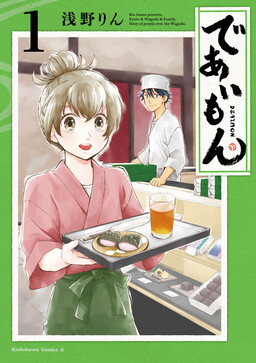
Deaimon
Yu's review of Deaimon (であいもん) by Rin Asano — Nagomu Irino comes home to his family's Kyoto wagashi shop after ten failed years chasing music, and finds a ten-year-old girl named Itsuka already living there, already learning the craft, already named his rival for the shop he walked out on.
Slice of Life / Fantasy
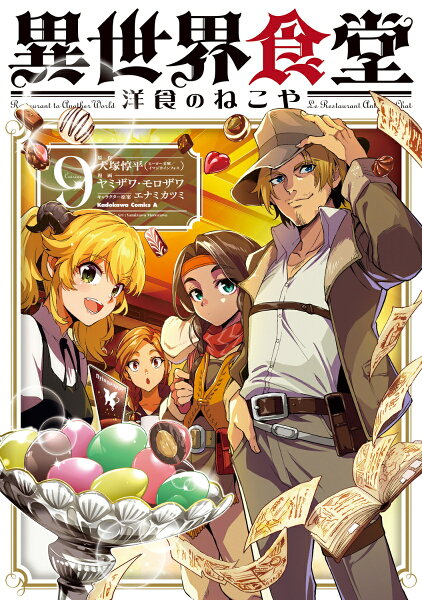
Restaurant to Another World
Yu's review of Restaurant to Another World — Western Restaurant Nekoya is a small Tokyo restaurant that, every Saturday, has a door that opens from various locations in a fantasy world; fantasy world inhabitants enter and encounter Japanese Western food for the first time; each chapter follows a different customer and the dish that changes them.
Slice of Life
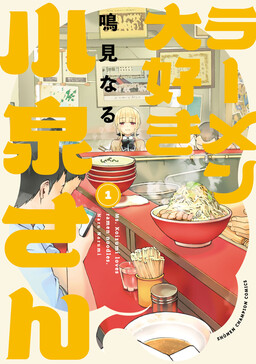
Ms. Koizumi Loves Ramen Noodles
Yu's review of Ms. Koizumi Loves Ramen Noodles — Koizumi is beautiful, cold, and unapproachable; she also has a complete and total dedication to ramen; she knows every shop, every regional style, every topping combination; Naru Narumi's food manga about a woman whose single passion is executed with absolute seriousness.
Slice of Life
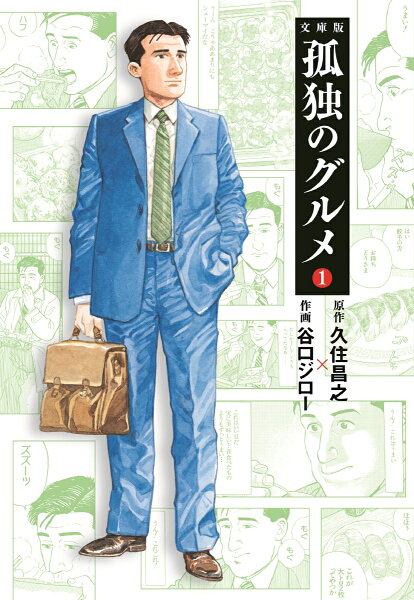
The Solitary Gourmet
The Solitary Gourmet follows Goro Inogashira, a self-employed import goods dealer, as he eats lunch alone in various restaurants across Tokyo — a simple premise that becomes a meditation on solitude, pleasure, and the small dignities of everyday life.

Slice of Life
Nasu
Nasu collects Iou Kuroda's short manga stories — quiet, precise vignettes centered on food, travel, and the moments when ordinary life opens briefly into something larger, then closes again.
Slice of Life
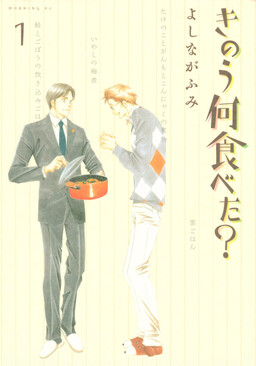
What Did You Eat Yesterday?
Yu's review of What Did You Eat Yesterday? — Shiro and Kenji are a gay couple in Tokyo; Shiro is a lawyer who cooks dinner every night; the manga follows their domestic life through the meals Shiro prepares, with complete recipes; a quiet, adult slice of life about partnership and food.
Written by
Yu
Manga Enthusiast from Japan
I grew up in Japan and manga literally saved me during a tough time in elementary school. My English isn't perfect, but my love for manga is real — and I want to share it with you.