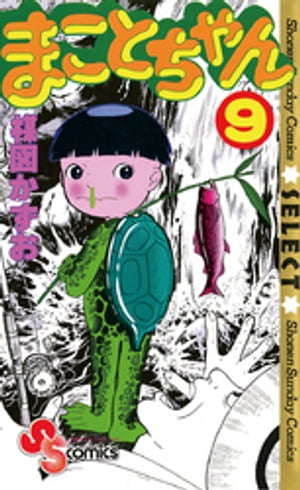
Makoto-chan Review: The Gag Manga That Was Too Honest About Childhood
by Kazuo Umezu
Read the first volume. If it doesn't hook you, put it down. It'll hook you.
Buy Makoto-chan on Amazon →*Affiliate link — I earn a small commission at no extra cost to you.
Quick Take
- Kazuo Umezu's famous gag manga — best known for horror, but his comedy has the same intensity
- Makoto is a genuinely anarchic child protagonist — not cute, just relentless
- A window into 1970s Japanese childhood culture and what made kids laugh then
Who Is This Manga For?
- Fans of Kazuo Umezu who want to see the other side of his work
- Gag manga enthusiasts who want the genre at its most pure and uncompromising
- Readers of classic 1970s manga who want the era's specific energy
- Anyone curious about Japanese childhood culture in the Showa era
Content Warnings & Age Rating
Age Rating: T (Teen) Content Warnings: Gag manga crude humor — bodily functions, mischief, childlike chaos. 1970s content with period-appropriate sensibilities.
Appropriate for older readers; some content is crude in the gag manga tradition.
Yu's Rating
| Category | Score |
|---|---|
| Story Depth | ★★★☆☆ |
| Art Style | ★★★★☆ |
| Character Development | ★★★☆☆ |
| Accessibility for Non-Japanese Readers | ★★★★☆ |
| Reread Value | ★★★☆☆ |
Story Overview
Makoto is an elementary school boy who cannot be controlled. He is not evil — he just has no internal governor between impulse and action. Whatever he thinks, he does. Whatever bothers him, he addresses directly. Whatever rule exists to make life orderly, he finds a way around or through it.
The series follows his daily life — at school, at home, in the neighborhood — through a sequence of gag-structured chapters where Makoto's anarchy collides with the adult world's expectations and loses beautifully every time, or wins in ways that feel worse than losing.
The gags have the pure structure of classic comedy — setup, escalation, punchline — with Umezu's visual energy giving each chapter kinetic propulsion. The faces in particular are extraordinary: Umezu brings his horror manga intensity to comedy expressions.
Characters
Makoto: The anarchic child protagonist. His energy is the series' engine. He is simultaneously infuriating and recognizable — not because all children are like this, but because all children have had the impulse that Makoto simply acts on.
The adults: Makoto's parents, neighbors, and teachers — the world of order that Makoto continuously disrupts. Their suffering is the series' comedy.
Art Style
Umezu's art brings his characteristic intensity to comedy — the exaggerated expressions that in his horror manga communicate terror here communicate pure comic chaos. The visual excess is the point. Makoto-chan is visually overwhelming in the specific way great gag manga needs to be.
Cultural Context
The series ran from 1976 to 1981 — a peak period for Umezu's output and for Japanese gag manga generally. Showa-era childhood in Japan had specific textures that the series captures: the specific kind of freedom children had in the 1970s, the neighborhood structures, the school culture.
What I Love About It
I love how completely the series commits to Makoto's perspective.
Most manga about children have adults who are right — the lesson of the story is that the child should learn to behave. Makoto-chan doesn't work this way. Makoto's perspective is taken seriously even when he's clearly wrong. His logic, even when it produces chaos, is internally consistent. The series respects the anarchic child's point of view while showing all its consequences.
This is harder to do than it looks and Umezu does it with complete conviction.
What English-Speaking Fans Say
Not known in English-speaking markets. Among Umezu's fans who know him primarily through horror manga (Drifting Classroom, Cat Eyed Boy, Orochi), Makoto-chan is often a surprise — evidence that the same sensibility that makes his horror work also drives his comedy.
Memorable Scene
A chapter where Makoto decides that the solution to a social problem is to do something outrageous — the specific outrageous thing he does is perfectly logical by child logic and absolutely unacceptable by adult standards — and the punchline reveals that he was completely right about what would happen while being entirely wrong about whether it should.
Similar Manga
- Doraemon: Same era, same slice-of-life comedy structure, much gentler
- Crayon Shin-chan: Later era, similar anarchic child protagonist, different tone
- Umezu's horror works: For the same intensity applied to terror instead of comedy
Reading Order / Where to Start
Volume 1. The gag structure is episodic and accessible from any point.
Official English Translation Status
Makoto-chan has no official English translation.
Pros & Cons
Pros
- Pure gag manga from a master of a different genre
- Visual comedy at a very high level
- Complete at 12 volumes
- Historically significant as evidence of Umezu's range
Cons
- No English translation
- Gag manga may not appeal to all readers
- 1970s content including dated elements
Format Comparison
| Format | Notes |
|---|---|
| Physical | Japanese editions available |
| Digital | Available in Japanese |
| Omnibus | Various collection formats available |
Where to Buy
No English release yet. That just means you find it before everyone else does.
*Affiliate link — I earn a small commission at no extra cost to you.
More Manga You Might Like
Slice of Life / Comedy
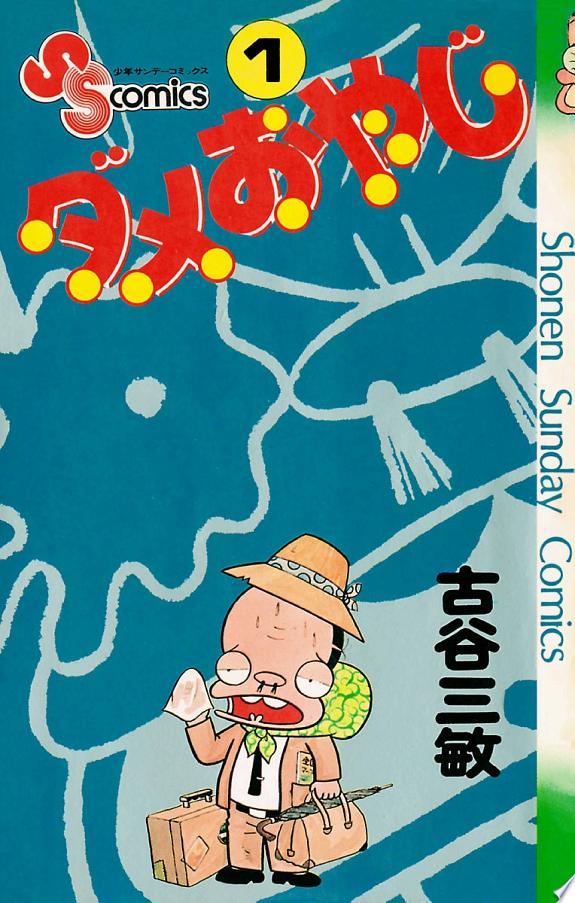
Dame Oyaji
A review of Mitsutoshi Furuya's Dame Oyaji — 39 volumes in Weekly Shōnen Sunday from 1970 to 1982. A dark gag manga about a salaryman father with no power at home, winner of the 1979 Shogakukan Manga Award.
Comedy / Slice of Life
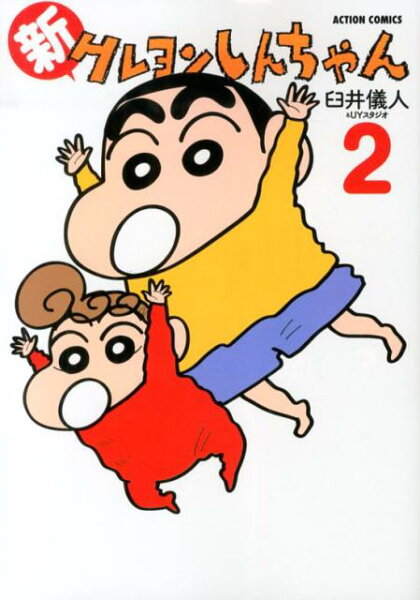
Crayon Shin-chan
A review of Crayon Shin-chan, Yoshito Usui's gag manga about a shameless five-year-old in suburban Saitama who says every embarrassing thing adults are too polite to say out loud.
Slice of Life / Comedy
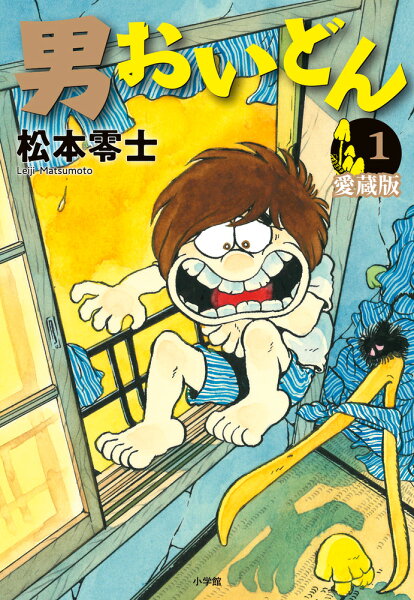
Otoko Oidon
Otoko Oidon follows Saburo Oyama, a young man from Kyushu trying to make it in Tokyo — living in a tiny boarding house, perpetually broke, hopelessly unlucky in love, and stubbornly determined to become someone despite all evidence suggesting otherwise.
Slice of Life / Comedy
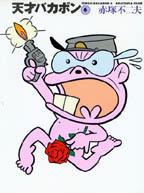
Tensai Bakabon
Tensai Bakabon is Fujio Akatsuka's landmark gag manga about the Bakabon family — a household where the father's complete detachment from logic is presented as wisdom, and the world's attempts to impose reason are the actual problem.
Slice of Life / Comedy
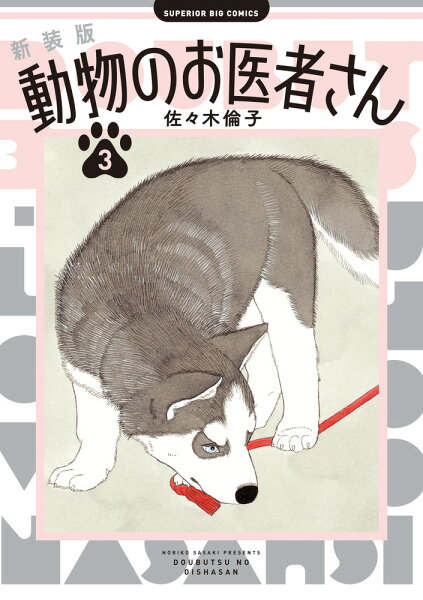
Doubutsu no Oisha-san
Doubutsu no Oisha-san follows Hamutaro, a quiet veterinary student in Hokkaido, his deadpan husky Chobi, and the warm chaos of vet-school life — a 12-volume Hana to Yume comedy so popular it set off a real Siberian Husky boom across Japan.
Slice of Life / Comedy
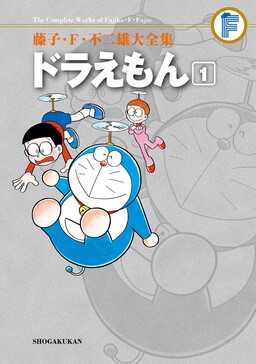
Doraemon
Yu's review of Doraemon — a robot cat from the 22nd century, sent back to help a hopeless boy named Nobita with gadgets from his four-dimensional pocket. Fujiko F. Fujio's most beloved work, and the manga every Japanese kid grows up inside.
Written by
Yu
Manga Enthusiast from Japan
I grew up in Japan and manga literally saved me during a tough time in elementary school. My English isn't perfect, but my love for manga is real — and I want to share it with you.