Lucky Star Review: A Whole Manga Built on Talking About Nothing — Starting With How You Eat a Chocolate Cornet
by Kagami Yoshimizu
Read the first volume. If it doesn't hook you, put it down. It'll hook you.
Buy Lucky Star on Amazon →*Affiliate link — I earn a small commission at no extra cost to you.
I read Lucky Star late at night when I should have been sleeping, and it made me laugh at a four-panel strip about pastry. That sounds stupid when I write it down. It is a little stupid. But the chocolate cornet conversation — two girls arguing about which end of a sweet roll is the "head" — pulled me right back to being a teenager, eating snacks in someone's room and talking about absolutely nothing for two hours. I didn't have many friends growing up. Reading this, I felt like I was finally invited into one of those conversations.
Lucky Star is Kagami Yoshimizu's 4-koma comedy, running in Comptiq since 2003. There is no quest, no rival, no big finish. There is Konata and her friends, and the things they say to each other. For me that turned out to be enough.
Quick Take
- A 4-koma slice-of-life comedy where the whole appeal is four high schoolers talking — about anime, food, exam stress, and which way you're supposed to eat a chocolate cornet
- Konata's otaku brain filters everyday life through anime and games, which is the engine of the jokes, but the warmth between the friends is what makes it stick
- Rated T (Teen) — school-life comedy with no violence or mature content, just dense pop-culture references and gentle humor
Story Overview
There is no plot in Lucky Star, and that is on purpose. The series opens with the now-famous strip where Konata Izumi asks Tsukasa where you're supposed to start eating a chocolate cornet — the fat end or the thin end — and the two of them spiral into a debate about which side is the "head." That tells you immediately what this manga is: a conversation about nothing that you somehow remember.
From there it just follows Konata and her three friends through ordinary school days. They talk about the anime Konata stayed up watching, the games she's playing instead of studying, the food they're eating, the tests they're dreading. The "turning point" of any given strip is usually a punchline, not a plot beat — Kagami getting fed up, Tsukasa missing the point, Miyuki delivering some unexpectedly detailed fact. The Japanese serialization has continued past ten volumes and even returned from a long hiatus, so there is no real "ending" — the series simply keeps living in the same gentle daily rhythm it started with. The point was never to arrive somewhere. It's the company.
Characters
Konata Izumi — The lazy, anime-obsessed center of the series. She's intelligent and athletic but pours all of it into games and watching anime instead of homework. She processes everything that happens to her through the media she loves, which is both the running joke and her whole personality. Her enthusiasm is genuine, not a pose, and that's why she's easy to like instead of annoying.
Kagami Hiiragi — The tsundere of the group, studious and easily exasperated by Konata. She acts irritated constantly, but she's the one who keeps showing up, keeps engaging, keeps caring. Her bickering relationship with Konata is the warmest thing in the book.
Tsukasa Hiiragi — Kagami's twin sister, gentle and a bit of an airhead. She's the one Konata corners with the chocolate cornet question, and her sincere, slightly-off answers are some of the funniest moments in the early strips.
Miyuki Takara — The polite, glasses-wearing honor student. She's the group's source of unexpectedly thorough knowledge, and her earnest seriousness plays straight-man to Konata's chaos.
What I Love About It
The chocolate cornet strip is the thing I think about. Konata asks Tsukasa, completely seriously, where you're supposed to eat a chocolate cornet from — and then the question becomes "which end is the head?" Tsukasa figures it must be the part you bite first. Konata pushes: is the head the thin end or the fat end? They turn it over, decide that if the small end is the head it looks like a seashell, and that if the fat end is the head the whole thing looks like a caterpillar — which immediately makes Tsukasa not want to eat it anymore.
What I love is that nothing is at stake and yet the conversation is perfect. This is exactly how friends talk when they're comfortable. You don't pick big topics. You pick the dumbest possible thing and you commit to it completely, and somewhere in the middle of arguing about pastry geometry you're actually just enjoying being near each other. Growing up alone, this was the kind of small, pointless, happy talk I most wanted and didn't have. Yoshimizu nails the register so precisely that a four-panel gag about a sweet roll made me feel something. That's a strange thing for a comedy strip to do, and it's why this book stayed with me.
Memorable Scene ⚠️ Spoiler Warning
The same chocolate cornet exchange is also the single most memorable scene, because it's the moment the manga shows its whole hand on page one. By the end of the strip they haven't resolved anything — the "correct" way to eat it is never settled, the caterpillar comparison has ruined Tsukasa's appetite, and Konata has cheerfully moved on. The joke isn't a clean punchline so much as a vibe: this is a series that will spend its entire run treating tiny non-questions with total dedication. Once you accept that the chocolate cornet debate is the thesis statement, the rest of the book clicks into place.
Pros & Cons
Pros
- Captures the exact register of friends talking about nothing, and makes it genuinely warm
- Konata's anime-brain commentary is funny and her enthusiasm is sincere, not smug
- 4-koma format means you can read one strip or fifty, in any order, at any time
- The chocolate cornet bit alone earns the price of admission
Cons
- A lot of jokes depend on knowing the specific anime and games being referenced
- Pure comedy with no ongoing story — if you need a plot to pull you forward, there isn't one
- Physical English volumes are out of print and only on the used market, so digital is your realistic option
- It's small, gentle, and plotless on purpose — that's either exactly your thing or it won't work for everyone
Is Lucky Star Worth Reading?
If you like comedy built on character and texture rather than story — the feeling of overhearing close friends being silly — Lucky Star is worth it, and the chocolate cornet strip will tell you within two pages whether you're in. If you need plot momentum or you're cold on otaku in-jokes, it'll feel like a lot of nothing. For me, the "nothing" was the point, and I loved it.
Where to Buy
Read the first volume. If it doesn't hook you, put it down. It'll hook you.
Bandai Entertainment released eight volumes in print (2009 onward), but those are out of print now and only turn up on the used market. VIZ Media picked up the digital rights, so the easiest legitimate way to read it in English today is digital.
This post contains affiliate links. If you purchase through these links, I may earn a small commission at no extra cost to you. As an Amazon Associate, I earn from qualifying purchases.
*Affiliate link — I earn a small commission at no extra cost to you.
More Manga You Might Like
Slice of Life / Comedy
Slow Start
Yu's review of Slow Start — Hana Ichinose started high school a year late due to illness, making her a year older than her classmates; the series follows her trying to fit in with her new friends while carrying the secret that she is different, in Tokumi Yuiko's characteristic warm and gentle 4-koma style.
Slice of Life
Kill Me Baby
A review of Kaduho's Kill Me Baby — ongoing in Manga Time Kirara Carat since July 2008, 16+ volumes in Japan. Sonya is a trained assassin; Yasuna is her completely unfazed school friend. Yen Press publishes the English edition.
Slice of Life / Comedy
Minami-ke
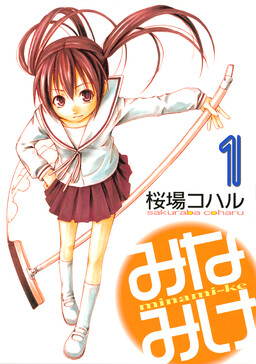
Yu's review of Minami-ke — three sisters at different schools (eldest Haruka in high school, middle Kana in middle school, youngest Chiaki in elementary) share an apartment and their daily life generates endless comedy from their completely different personalities and the rotating cast of friends, admirers, and chaos that follows them home.
Slice of Life
Ichigo Mashimaro
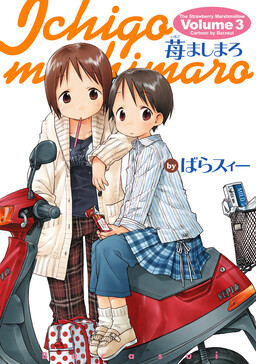
Yu's review of Ichigo Mashimaro — Nobue Itoh and the four grade-schoolers around her (her sister Chika, the chaotic Miu, the timid Matsuri, and British transplant Ana Coppola) drift through ordinary days in suburban Hamamatsu. Barasui's long-running deadpan comedy is built on Miu's relentless schemes and the cruel running joke of Ana forgetting her own English.
Slice of Life / Comedy
High School Family: Kokosei Kazoku
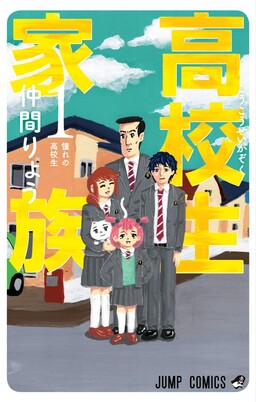
Yu's review of High School Family: Kokosei Kazoku by Ryo Nakama — a Weekly Shonen Jump gag manga where Kotaro's whole family, his dad, mom, little sister and even the cat Gomez, enroll in his high school class. 11 volumes, complete, in English digitally on VIZ and Manga Plus.
Slice of Life / Comedy
Himouto! Umaru-chan
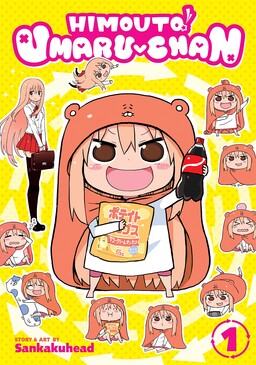
Yu's review of Himouto! Umaru-chan — Umaru Doma is the school's flawless honor student, but the moment she's home she shrinks into a chibi gremlin in a hamster hoodie demanding chips, cola, and games from her tired brother Taihei. Twelve complete volumes from Seven Seas, and the warmth under the gags is what kept me reading.
Written by
Yu
Manga Enthusiast from Japan
I grew up in Japan and manga literally saved me during a tough time in elementary school. My English isn't perfect, but my love for manga is real — and I want to share it with you.
Disclosure: This post contains affiliate links. As an Amazon Associate, I earn from qualifying purchases at no extra cost to you.