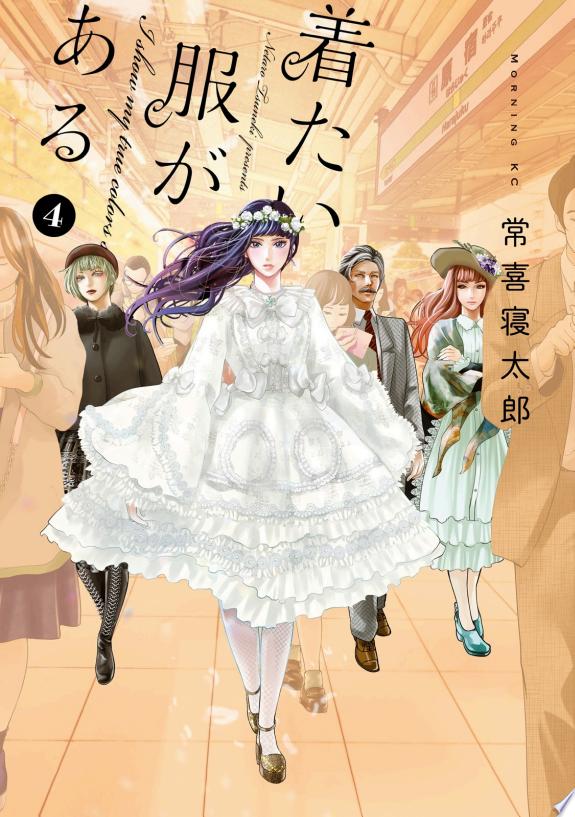
Kitai Fuku ga Aru Review: A Lolita Fashion Manga About the Self You Hide
by Tsuneki Netaro
Read the first volume. If it doesn't hook you, put it down. It'll hook you.
Buy Kitai Fuku ga Aru on Amazon →*Affiliate link — I earn a small commission at no extra cost to you.
When I was a kid, I had a version of myself I never let anyone see. At school I kept my head down, said nothing, tried to be invisible — but at home I'd draw heroes and dream loud, impossible dreams. Two completely different people lived in the same body, and I was terrified of the wrong one showing up at the wrong place. I didn't have a word for that feeling back then. I just knew it was exhausting to keep one half hidden.
That's exactly the feeling "Kitai Fuku ga Aru" (着たい服がある) put its finger on. It looks like a fashion manga — and it is, partly — but really it's about the distance between the self people see and the self you keep folded up inside. Mami is tall and striking, the kind of person strangers expect to be cool and effortless. And what she actually wants, more than anything, is to wear frilly Lolita dresses and walk down the street as that person. The whole series is her slowly closing that distance.
Quick Take
- A five-volume self-discovery story disguised as a fashion manga — clothing is the door, not the point
- Mami's arc is quiet and painful in a real way: family friction, online judgment, and the courage to dress as yourself
- Age rating: T (Teen) — bullying, social pressure, and online harassment are present but never graphic
Story Overview
Mami is a college student who everyone reads at a glance: tall, good-looking, the type who "should" wear sharp, cool clothes. Her family and friends expect that of her, and she's quietly suffocated by it. Because what she actually loves — what she dreams about — is Lolita fashion: the frills, the petticoats, the deliberate sweetness. She owns the clothes. She just can't bring herself to wear them out the door, paralyzed by the gap between how she looks and what she wants.
The thing that cracks her open is a part-time coworker named Ozawa, a man who simply wears whatever he wants with total confidence. His attitude — that the clothes you want to wear are the right clothes — hits Mami like a slap and a gift at once. From there, the series is her taking small, terrifying steps toward dressing as herself in public.
It doesn't go smoothly, and the manga refuses to pretend it does. When her family discovers her Lolita clothes, it leads to a wrenching fight with her mother, where Mami says she's only truly herself when she's wearing them — a line that opens a real rift at home. Later, a video of her in Lolita gets spread online without her consent, and the comments fill up with strangers judging who she is. Out of that low point comes an unexpected turn: a request from a fashion magazine's editorial department. The story builds toward what it actually means to support someone, and a final volume that reframes everything by revealing the past behind Ozawa's confidence.
Characters
Mami — The heart of the book. She isn't shy in a generic way; her specific trap is that she's been handed an image (cool, tall, mature) that fits her body but not her soul, and everyone keeps reinforcing it. Her arc isn't "girl gains confidence." It's "girl learns that the version of herself she's hidden is allowed to exist in the open, even when it costs her." The fight with her mother and the online video are the two crucibles that forge that.
Ozawa — The coworker who lights the fuse. At first he's pure inspiration: a guy who wears bold, eccentric outfits and never apologizes for it. But the series doesn't let him stay a slogan. The final volume reveals the sad history behind his "wear what you want" philosophy — including being bullied at school — turning his armor of clothing into something earned and painful rather than effortless. He's the book's argument that confidence is often a scar, not a gift.
Mami's mother — Not a villain, which is what makes her hard. Her reaction to the Lolita clothes comes from her own expectations and fears, and the manga sits in that discomfort instead of resolving it cheaply. The rift between them is one of the most honest things in the book.
What I Love About It
What I love is that the manga keeps insisting clothing matters and then quietly admits clothing isn't the point. The author, Tsuneki Netaro, has been open that this is "not just a fashion manga" — it's a self-discovery story for anyone who struggles with how they relate to other people. And you feel that double-ness on every page. The Lolita dresses are drawn with real love, but the actual subject is the terror and relief of being seen as who you are.
The episode that stuck with me most isn't a fashion scene at all. Mami goes to an elementary school for a teaching practicum and meets a boy who's an outsider in his class — the kid who doesn't fit. A senior teacher pushes "cooperation" and falling in line, but Mami can't do it, because she sees herself in him. That moment crystallizes the whole book: it's not really about Lolita, it's about everyone who's been told to shrink themselves to match what's expected. I was that kid. Reading Mami refuse to lecture him into conformity, and instead just try to stand beside him, genuinely got to me.
Memorable Scene ⚠️ Spoiler Warning
The fight with her mother is the scene I keep coming back to. When her family finds the Lolita clothing, the confrontation isn't loud melodrama — it's the specific awfulness of a parent and child loving each other and still not being able to meet. Mami says, in effect, that she's only really herself in those clothes, and her mother can't accept it, and the room just fractures. There's no tidy reconciliation in that moment. The manga lets the rift stand, because that's how it actually goes for a lot of people who try to show their families the hidden half.
What makes it land is everything around it: the online video that strips away her control over how she's seen, the comment sections full of strangers deciding who she is. By the time the magazine request arrives as a lifeline, you understand exactly how much it took for Mami to get there. The book earns its hope.
Pros & Cons
Pros
- A genuinely thoughtful self-discovery story, not a costume showcase
- Ozawa's late reveal recontextualizes the whole series in a satisfying way
- The family conflict and online-harassment beats feel honest, not sanitized
- The teaching-practicum subplot widens the theme beyond just fashion
Cons
- If you came purely for Lolita fashion eye-candy, the emotional weight may surprise you
- The pacing is quiet and internal — this is a slow, reflective read, not a plot-driven one
- That introspective tone is either the whole appeal or a dealbreaker depending on you
Is Kitai Fuku ga Aru Worth Reading?
Yes — if you've ever kept a version of yourself hidden because the world handed you a different image to wear. It's a slow, sincere five-volume story that uses Lolita fashion as a way into questions about conformity, family, and self-acceptance. Come for the dresses, stay for the honesty about how hard it is to be seen.
Official English Translation Status
There's no licensed English edition of "Kitai Fuku ga Aru" yet. The five-volume series ran in Kodansha's digital Morning line (Comic Days / D Morning) and is complete in Japanese. If you read Japanese, the digital and print releases on Amazon Japan are the only legitimate way to read it right now.
Where to Buy
No English release yet. That just means you find it before everyone else does.
If you read Japanese, you can pick up the completed five-volume series from Amazon Japan.
This post contains affiliate links. If you purchase through these links, I may earn a small commission at no extra cost to you. As an Amazon Associate, I earn from qualifying purchases.
*Affiliate link — I earn a small commission at no extra cost to you.
More Manga You Might Like
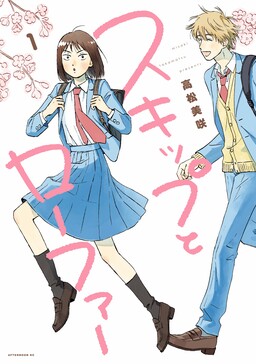
Slice of Life / Romance
Skip and Loafer
A comprehensive review of Skip and Loafer — plot, characters, art style, and whether it's worth reading.
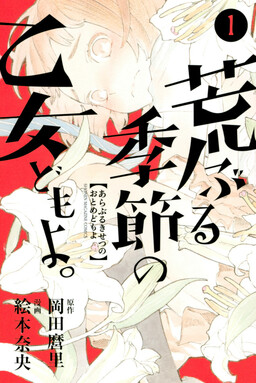
Slice of Life / Romance
O Maidens in Your Savage Season
Yu's review of O Maidens in Your Savage Season — five high school girls in a literature club encounter adult themes through their reading and must suddenly reckon with their own desires, confusion, and the specific terror of not knowing what you want or whether what you feel is acceptable.
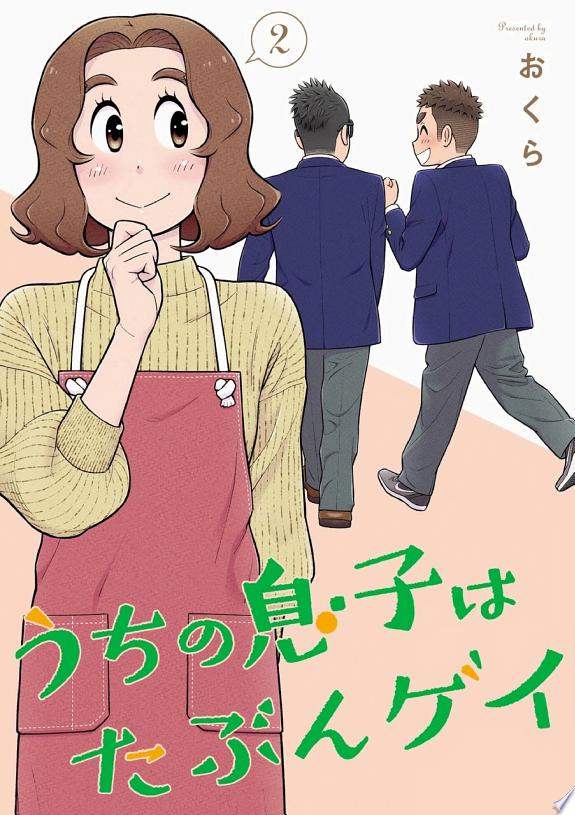
Slice of Life / Comedy
I Think Our Son Is Gay
A review of I Think Our Son Is Gay by Okura — a warm family comedy about a mother who quietly knows her son is gay and just waits, with love, for him to say it himself.

Slice of Life / Drama
Blue Period
Yu's review of Blue Period — Yatora Yaguchi is a popular but empty high schooler who sees one painting at dawn and decides he wants into Geidai, Japan's hardest art school, with no training and no safety net.

Slice of Life / Comedy
Kamikaze Girls
A review of Kamikaze Girls — Yukio Kanesada's one-volume manga adaptation of Novala Takemoto's cult novel, about a Lolita-fashion girl in rural Ibaraki who befriends a loud, motorcycle-riding yankii.
Slice of Life / Drama
The Tailor of the King
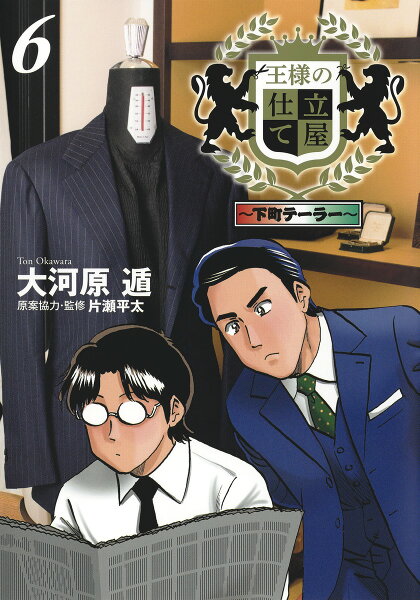
The Tailor of the King follows Yamato Sawabe, a young Japanese tailor who goes to Naples to study the art of Neapolitan tailoring, and returns to Japan to make suits — and make the men who wear them feel who they are.
Written by
Yu
Manga Enthusiast from Japan
I grew up in Japan and manga literally saved me during a tough time in elementary school. My English isn't perfect, but my love for manga is real — and I want to share it with you.
Disclosure: This post contains affiliate links. As an Amazon Associate, I earn from qualifying purchases at no extra cost to you.