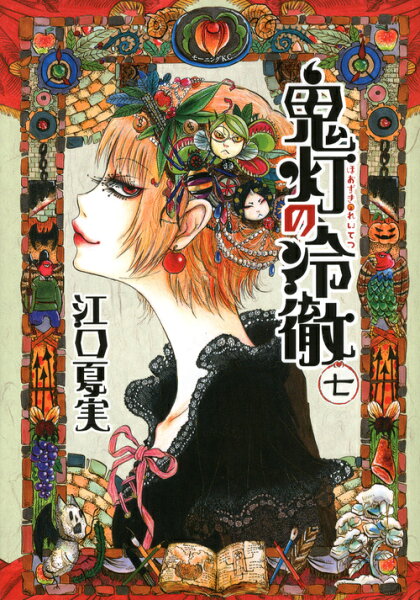
Hozuki's Coolheadedness Review: The Workplace Comedy Where Hell Runs on Paperwork
by Natsumi Eguchi
Read the first volume. If it doesn't hook you, put it down. It'll hook you.
Buy Hozuki's Coolheadedness on Amazon →*Affiliate link — I earn a small commission at no extra cost to you.
I have worked in a Japanese office. So when a friend handed me Hozuki's Coolheadedness and said "it's a comedy about Hell, but it's really about your job," I laughed before I'd opened it — and then I kept laughing, because he was right. Hell here is not fire and screaming. Hell is understaffing, quota reports, interdepartmental memos, and one impossibly competent man holding the whole thing together while his boss makes everything harder.
That man is Hozuki, and I have rarely loved a manga character this much for doing so little. He doesn't grow. He doesn't have a soft hidden side that the story slowly reveals (well — mostly). He just does his job perfectly, hits his boss with a metal club when his boss deserves it, and goes home to water his plants. I found that strangely comforting.
Quick Take
- Hell is drawn as a Japanese corporation — chronic understaffing, too much paperwork, an absent boss — and it is the most accurate office I have ever read
- Hozuki's total calm in the middle of every disaster is the engine of the whole series, and it stays funny for dozens of volumes
- Age rating: T (Teen) — the violence is slapstick and the "hell" is comedic, not disturbing
Story Overview
The Japanese afterlife runs like a vast company. King Enma is the head judge of Hell, the one who decides which hell the dead are sent to — but the day-to-day operation falls to his first aide, Hozuki, an ogre-like demon who is methodical, brutally efficient, and quietly terrifying.
The series is episodic by design. One chapter has very little to do with the next. Each follows Hozuki solving some problem in Hell's sprawling departments: oni who can't hit their work quotas, souls gaming their punishments, a delegation from the Chinese underworld, a famous folkloric figure causing administrative chaos. Many chapters are also playful re-tellings of Japanese (and Chinese) folklore — Momotarō, the underworld's various specialized hells, deities and spirits all treated as coworkers and clients.
Because it's structured as vignettes, there's no single overarching plot that builds to a finale. What accumulates instead is the cast and the texture of this world. The manga ran in Kodansha's Morning magazine from 2011 and finished in 2020 at 31 volumes — and to its credit, the jokes are as sharp at the end as at the start. I'll be honest with you up front: if you need a plot with a destination, this is not that. If you want a world you can sink into one chapter at a time, it's wonderful.
Characters
Hozuki — King Enma's chief aide and the comic engine of the series. He is a deadpan sadist: never smiling, never flustered, applying the same flat competence to a soul's eternal torment as to filing a report. His trademark is a spiked iron club (kanabō) so heavy that only his strength can swing it — which he cheerfully uses to discipline anyone slacking, including his own boss. His one open softness is for cute animals and, above all, his beloved goldfish plants (kingyosou), which he cultivates with a devotion he shows nothing else.
King Enma — the great king and head judge of Hell, nominally Hozuki's superior. In practice he is loud, lazy, easily distracted, and completely dependent on Hozuki to keep the underworld running. The running gag of their relationship is the inversion of authority: the aide openly bullies and corrects the king, and the king takes it because he knows he'd be lost otherwise.
Hakutaku — a being from Chinese myth, a medicine and knowledge expert based in the Chinese underworld (Shangri-La), and Hozuki's rival. Where Hozuki is cold and minimal, Hakutaku is flamboyant and surrounded by admirers. Their mutual antagonism is the closest thing to friendship Hozuki has.
Karauri and Nasubi — Hozuki's young oni subordinates, named for plants like Hozuki himself, who do much of Hell's grunt work and frequently end up flustered by their unflappable superior. Peach Maki, a "hell idol," and the folk hero Momotarō round out a large, mythology-stuffed supporting cast.
What I Love About It
The first thing that won me was the goldfish plants. Hozuki's great private passion is cultivating kingyosou — real plants topped not with flowers but with tiny live goldfish, an absurd invention the manga treats with total seriousness. This stone-faced man, who can describe a torture department without blinking, lights up (as much as he ever lights up) over his goldfish plants. The contrast is the joke, but it's also the whole character in one image: a person who has made complete peace with a horrifying job and saves all his tenderness for something small and weird and his own. I started the series for the workplace satire. I stayed for the goldfish plants.
The second thing is the office itself. I keep coming back to how accurate it is. Hell isn't scary here — it's a workplace. There's understaffing. There's a boss who creates problems instead of solving them. There's one competent person quietly doing three people's jobs while everyone else panics, and being mildly contemptuous of anyone working below his standard. I have been in that office. Reading a manga that turns it into the literal underworld, and then makes the competent middle-manager the hero rather than the burnout, was oddly healing. Eguchi isn't mocking work so much as recognizing it — the dignity and the absurdity of just doing the job well, every single day, forever.
Memorable Scene ⚠️ Spoiler Warning
The recurring gag I love most is the simplest one: Hozuki disciplining King Enma. Enma is the king of Hell, the supreme judge of the dead — and when he slacks off, ducks his duties, or behaves like a child, his own aide raises that monstrous spiked club and brings it down on him. The king of the underworld, flattened by his secretary, then sheepishly getting back to work.
What makes it land is that nobody objects. This is just how Hell runs. The most powerful figure in the afterlife has effectively handed the keys to the one person who refuses to flatter him, and the whole bureaucracy is better for it. It's slapstick, yes — a giant club, a comic lump on a god's head — but underneath it is the series' quiet thesis: competence outranks status, and the person actually doing the work has earned the right to keep the boss honest. I think about that more than a comedy about Hell has any right to make me.
Pros & Cons
Pros
- Hozuki is a genuinely original comic creation — the deadpan that never breaks
- A loving, dense tour of Japanese and Chinese folklore, delivered as jokes
- The "Hell as a Japanese office" satire is sharp and weirdly comforting
- Stays consistently funny across 31 volumes, which is rare for a gag manga
Cons
- The mythology is dense; first-time readers may want reference notes nearby
- It's strictly episodic — almost no overarching plot or character growth
- That slow, plotless, vignette rhythm won't work for everyone
Is Hozuki's Coolheadedness Worth Reading?
Yes — if you go in for the world and the deadpan, not for a story that builds to a climax. It's an episodic comedy you can read one chapter at a time, dense with folklore and anchored by one of manga's funniest straight men. If you need plot momentum and character arcs, look elsewhere. If "Hell as an overworked office, run by a sadist who loves goldfish plants" makes you smile, you'll love it.
Similar Manga
| Title | Its Approach | How Hozuki's Coolheadedness Differs |
|---|---|---|
| The Devil Is a Part-Timer! | A supernatural ruler stuck in a mundane job, played for comedy | Hozuki stays in the supernatural world; the job IS the underworld, not an escape from it |
| Thermae Romae | Comedy built on dense historical and cultural reference | Hozuki mines folklore and afterlife mythology rather than Roman history |
| Toilet-bound Hanako-kun | Japanese folklore reframed as comedy with darker edges | Hozuki is pure deadpan workplace satire, with no romance or ongoing plot arc |
Official English Translation Status
Kodansha Comics publishes Hozuki's Coolheadedness in English digitally. The release is ongoing; ten English volumes are out (Volume 10 released in September 2022), so the English edition has not yet caught up to the complete 31-volume Japanese run.
Where to Buy
Read the first volume. If it doesn't hook you, put it down. It'll hook you.
This post contains affiliate links. If you purchase through these links, I may earn a small commission at no extra cost to you. As an Amazon Associate, I earn from qualifying purchases.
*Affiliate link — I earn a small commission at no extra cost to you.
More Manga You Might Like

Slice of Life / Comedy
Police in a Pod
Police in a Pod follows Seiko Kawai, a burned-out policewoman who is about to quit, and her new superior Fuji — a former elite officer with her own complicated reasons for being at a small police box — as they navigate the absurd and occasionally moving realities of police work.
Slice of Life / Romance
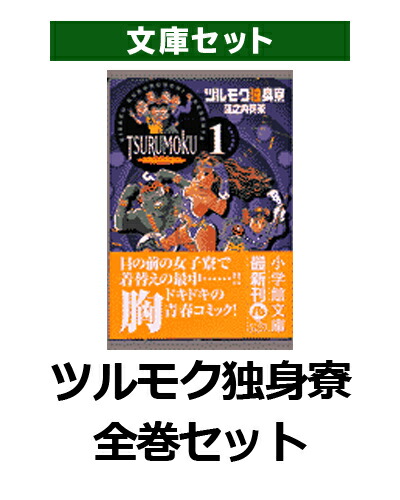
Tsurumoku Dokusin-ryo
Tsurumoku Dokusin-ryo follows young workers living in their company's bachelor dormitory — a comedy of closeness, romantic complications, and the specific texture of young adult working life in Japan when everyone you know also lives where you work.

Slice of Life / Comedy
Wagnaria!! (Working!!)
Yu's review of Wagnaria!! — Souta Takanashi starts working at a family restaurant because a tiny girl asked him to; his coworkers include a woman with androphobia, a katana-carrying floor chief, an invisible manager, and a girl who thinks she might be in love with him; chaos is the default state.
Slice of Life / Comedy
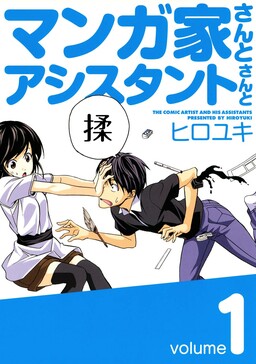
Mangaka-san to Assistant-san to
Yu's review of Mangaka-san to Assistant-san — manga artist Aito Yuuki draws romance manga but has never had a girlfriend; his assistant Ashisu Sahoto helps him understand women so he can write them authentically, which leads to increasingly absurd 'research' situations.
Slice of Life / Comedy
Hinamatsuri
Yu's review of Hinamatsuri — a metal pod drops a deadpan telekinetic girl named Hina onto a yakuza man's head, and the deadpan comedy slowly turns into one of the most quietly moving found-family manga I've ever read.
Slice of Life / Comedy
Genshiken
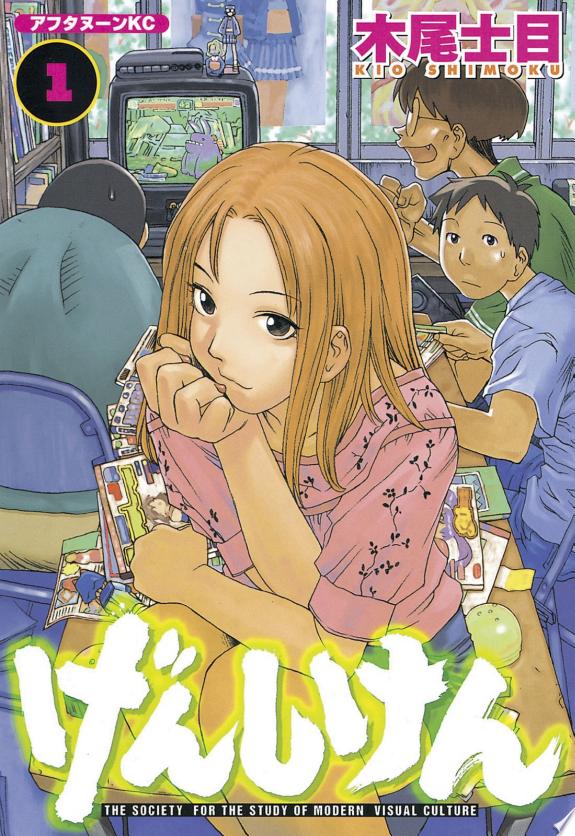
Yu's review of Genshiken — the Society for the Study of Modern Visual Culture is a university otaku club, and across nine volumes Shimoku Kio follows Sasahara, Madarame, Saki, Ohno, Tanaka and Ogiue as they graduate, fall in love, make a doujinshi, and figure out what being a fan costs and gives you.
Written by
Yu
Manga Enthusiast from Japan
I grew up in Japan and manga literally saved me during a tough time in elementary school. My English isn't perfect, but my love for manga is real — and I want to share it with you.
Disclosure: This post contains affiliate links. As an Amazon Associate, I earn from qualifying purchases at no extra cost to you.