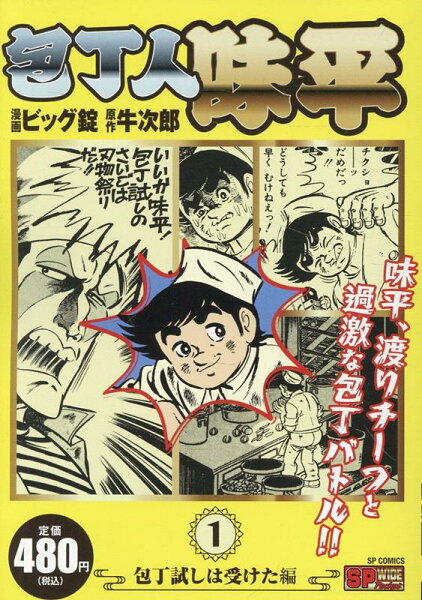
Houchounin Ajihei Review: The 1973 Manga That Invented Cooking Battles
by Gyu Jiro (story) / Big Joe (art)
Read the first volume. If it doesn't hook you, put it down. It'll hook you.
Buy Houchounin Ajihei on Amazon →*Affiliate link — I earn a small commission at no extra cost to you.
Every cooking battle manga you have ever loved — Food Wars, Iron Wok Jan, Toriko, all of them — owes a debt to a kid named Ajihei who fought a man in a nose mask over curry in 1973.
I came to this one backwards. I grew up on the modern food manga, the ones with glowing sweat and clothes exploding off when somebody tastes a perfect dish, and for the longest time I thought that stuff was a recent invention. Then I went looking for where it started, and I found Houchounin Ajihei sitting at the bottom of the whole genre like a foundation stone. I read it expecting a dusty museum piece. What I got was one of the most unhinged, sincere, weirdly gripping things I have ever read. I want to tell you about it.
Quick Take
- The manga that invented the cooking-battle genre — serialized in Weekly Shonen Jump from 1973 to 1977, story by Gyu Jiro and art by Big Joe, 23 volumes complete
- Follows Shiomi Ajihei, a master chef's son who rejects elite cuisine to cook for ordinary people, through knife duels, a dim sum match, a Sapporo ramen festival, and the legendary Curry War
- Age rating: T (Teen) — mostly tame, but the Curry War arc leans hard into drug-addiction imagery that lands heavier than you'd expect from a 70s shonen series
Story Overview
Ajihei Shiomi is the son of a renowned master of traditional Japanese cuisine, and everyone around him assumes he will inherit that prestige. He refuses it. He decides that the real challenge — the honest one — is cooking affordable, delicious food for everyday people, and that great knife skills matter just as much in a cheap eatery as in a high-end restaurant. So he goes to work as an apprentice at a Western-style diner called Kitchen Bulldog and starts at the bottom.
From there the series is built as a ladder of cooking contests, and the structure it invented is the structure the entire genre still uses: two cooks, one theme, judges, a winner. Ajihei fights a knife-skills test against his rival Nakadai. He takes on a dim sum battle. He enters a fish-butchering match despite having an actual fish allergy that makes the whole thing physically dangerous for him. Each arc raises the stakes and sharpens his philosophy that food is for the person eating it, not for the cook's ego.
The two arcs everyone remembers are the Sapporo ramen festival, where Ajihei competes as an amateur against professionals and builds a signature ramen, and the Curry War, the longest and most famous arc, where a department-store rivalry turns into a battle between Ajihei's curry and a rival's terrifying Black Curry. That arc is where the series stops being a sports-style competition manga and turns into something stranger and darker.
Characters
Shiomi Ajihei — The protagonist. Usually easygoing and good-natured, but the moment someone challenges his cooking he becomes stubborn and hot-headed and impossible to back down. His arc is the slow proof of his thesis: that cooking for common people, done with total seriousness, is worth more than inherited prestige. His fish allergy is not a throwaway detail — it forces him into a butchering match he physically should not be able to win.
Kosaku Hanada — The rival of the Curry War, nicknamed the "Curry General." His surname is written with the character for "nose," which is the joke: he wears a nose mask at all times to protect the sense of smell he considers the heart of curry-making. He trained from age ten and traveled the world mastering spices. He is the most tragic figure in the series, and what happens to him is the emotional core of the whole manga.
Nakadai — An early rival cook Ajihei faces in the knife test, the kind of skilled, formal opponent who exists to show Ajihei that talent alone is not enough and technique still has to be earned.
What I Love About It
What I love is how completely sincere it is. Modern food manga winks at you constantly — it knows the dramatic tasting reactions are ridiculous and plays them for spectacle. Houchounin Ajihei doesn't wink, because it is the thing inventing those conventions in real time, and that gives it a clarity I find genuinely moving. When Ajihei argues that the difference between a good dish and a great one actually matters, the manga believes it with its whole chest.
But honestly the thing I love most is how strange it is willing to get. I went in expecting a wholesome cooking manga and instead the Curry War gave me a villain who weaponizes addiction. The premise of the Black Curry — a curry so engineered that you cannot stop eating it, built from spices tuned to be almost narcotic — is the kind of idea you would expect from a horror manga, not a Shonen Jump cooking series from 1973. And the manga commits to it. It does not treat it as a gimmick. It follows the logic all the way to its grim conclusion. That willingness to take "what makes food irresistible?" and push it into genuinely dark territory is what makes this more than a historical curiosity for me. It is a real, alive, slightly insane piece of work, and I keep thinking about it.
Memorable Scene ⚠️ Spoiler Warning
The Curry War climax is the scene that lives in my head.
Ajihei spends the arc developing his curry, eventually landing on his strategy for the complete version: make it hotter, then use condiments and aromatics to soften that heat so it appeals to everyone. It is a curry built on balance, on serving the eater. Across the department-store aisle, Kosaku Hanada answers with the Black Curry — a curry the color of coal tar, made with a spice blend that behaves like a drug. Once you taste it, you cannot stop. You need more.
And here is the gut-punch: on pure flavor, Ajihei wins. His curry is the better dish. But the Black Curry's addictiveness beats him anyway, because the customers are no longer choosing with their tongues. The victory and the defeat happen at the same time. Then the manga delivers its real verdict — Hanada, the genius who built the addictive curry, is consumed by the very thing he created and is left a ruined man, a wreck destroyed by his own invention. The cook who chased irresistibility at any cost loses himself to it. For a cooking manga aimed at kids in 1973, that is a startlingly bleak and adult ending, and it is the moment the whole series earns its reputation.
Pros & Cons
Pros
- The foundational text of the entire cooking-battle genre — historically essential, and you can feel everything that came after it
- Total sincerity gives it a directness that slicker modern food manga sometimes lose
- The Curry War is one of the best arcs in any food manga, period
- 23 volumes, fully complete, with a real beginning, middle, and end
Cons
- No licensed English edition, so you need Japanese to read it
- The art and pacing are unmistakably 1970s and will feel dated if you only know modern manga
- Some culinary and cultural assumptions are very specific to 70s Japan
- A vintage, earnest, sometimes goofy 70s shonen series won't work for everyone — if you need polish, this isn't it
Is Houchounin Ajihei Worth Reading?
Yes — if you care about where cooking manga came from, or if you just want one genuinely wild arc that modern food manga has never quite topped. It is dated and it is earnest to a fault, but the Curry War alone justifies the read, and the whole series carries a sincerity that I found more affecting than I expected. If you only want the genre at its most refined, start with a modern title instead. But as the stone everything else is built on, this remains essential.
Where to Buy
No English release yet. That just means you find it before everyone else does.
The only legitimate way to read Houchounin Ajihei is the Japanese print or digital edition.
This post contains affiliate links. If you purchase through these links, I may earn a small commission at no extra cost to you. As an Amazon Associate, I earn from qualifying purchases.
*Affiliate link — I earn a small commission at no extra cost to you.
More Manga You Might Like
Slice of Life / Drama
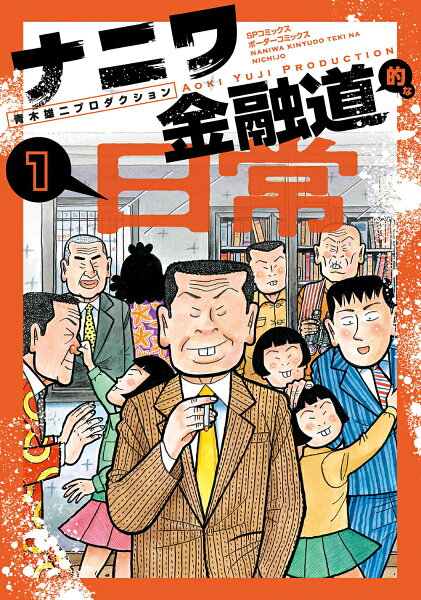
Naniwa Kinyuudo
Naniwa Kinyuudo follows new employee Ginji Mita at a small-loan finance company in Osaka — a manga that uses the world of moneylending and debt collection to create one of manga's most honest portraits of Japanese economic life.
Slice of Life
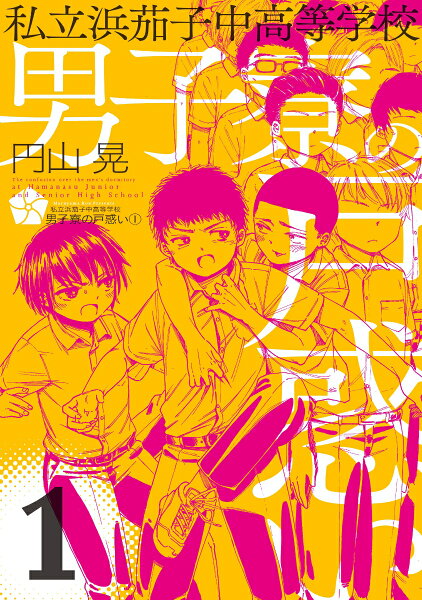
Nasu
Nasu collects Iou Kuroda's short manga stories — quiet, precise vignettes centered on food, travel, and the moments when ordinary life opens briefly into something larger, then closes again.
Slice of Life / Comedy
Tensai Bakabon
Tensai Bakabon is Fujio Akatsuka's landmark gag manga about the Bakabon family — a household where the father's complete detachment from logic is presented as wisdom, and the world's attempts to impose reason are the actual problem.
Slice of Life / Comedy
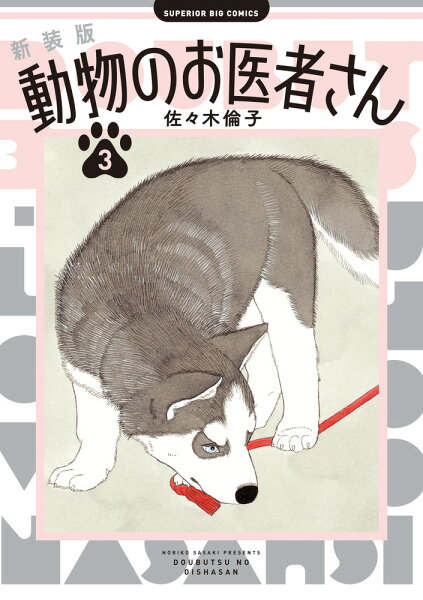
Doubutsu no Oisha-san
Doubutsu no Oisha-san follows Hamutaro, a quiet veterinary student in Hokkaido, his deadpan husky Chobi, and the warm chaos of vet-school life — a 12-volume Hana to Yume comedy so popular it set off a real Siberian Husky boom across Japan.

Slice of Life / Heartwarming
Sweetness and Lightning
Yu's review of Sweetness and Lightning — Kouhei Inuzuka is a teacher and single father whose wife recently died; he cannot cook and his daughter Tsumugi eats convenience store food; a student named Kotori invites them to her family's empty restaurant and teaches him to cook for his daughter.
Slice of Life / Comedy
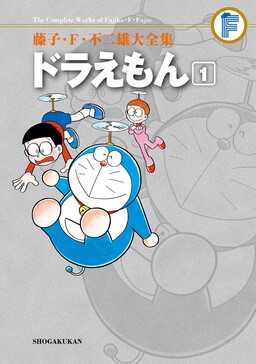
Doraemon
Yu's review of Doraemon — a robot cat from the 22nd century, sent back to help a hopeless boy named Nobita with gadgets from his four-dimensional pocket. Fujiko F. Fujio's most beloved work, and the manga every Japanese kid grows up inside.
Written by
Yu
Manga Enthusiast from Japan
I grew up in Japan and manga literally saved me during a tough time in elementary school. My English isn't perfect, but my love for manga is real — and I want to share it with you.