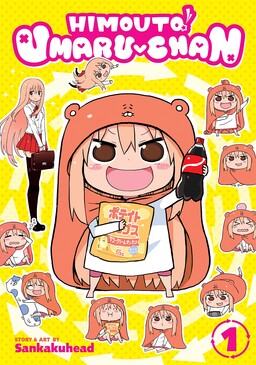
Himouto! Umaru-chan Review: The Perfect Student Who Becomes a Hamster-Hoodie Gremlin the Second She Gets Home
by Sankaku Head
Read the first volume. If it doesn't hook you, put it down. It'll hook you.
Buy Himouto! Umaru-chan on Amazon →*Affiliate link — I earn a small commission at no extra cost to you.
I have a confession that probably explains why this manga got under my skin so fast. When I was a kid with no friends, I had two completely different versions of myself. There was the quiet, polite boy who said the right things at school and tried very hard to look fine. And then there was the version of me who got home, dropped the act, and disappeared into manga until late at night. Nobody at school knew that second person. Reading Himouto! Umaru-chan, I kept laughing and then quietly thinking, oh, I know this feeling. The gap is the joke, but the gap is also real.
Umaru Doma is the kind of girl everyone admires from a distance. Then she walks through her own front door and turns into a tiny goblin in a hamster hoodie demanding snacks. I came for the chibi gremlin. I stayed for her brother.
Quick Take
- The whole engine is the gap: outside, Umaru is a beautiful, top-of-the-class, athletic, perfect girl; the instant she's home she shrinks into a chibi in a hamster hoodie and lives on chips, cola, games, and anime — and her brother Taihei is the only one who sees both
- It's episodic and gag-driven, but the sibling relationship gives it a warmth most comedy of this type never bothers with — Taihei is exhausted and endlessly patient at the same time
- Rated T (Teen) — clean comedy throughout; the heaviest content is junk food and video-game addiction played for laughs
Story Overview
Umaru Doma is a first-year high school student who, by every visible measure, is perfect: top grades, natural athletic ability, effortless social grace, good looks. Her classmates idolize her. Her teachers hold her up as the model student. Nobody who only sees the outside Umaru would ever suspect the truth.
Her older brother Taihei knows the truth, because he lives with it. The second Umaru crosses the threshold of their small apartment, she physically shrinks into a chibi-proportioned version of herself, pulls on a hamster hoodie, and collapses onto the floor to play games, binge anime, drink cola, and eat chips while issuing nonstop demands. Taihei is a working adult sharing a one-bedroom apartment with this gremlin, and most of his energy goes into cooking, cleaning, and keeping her fed.
There's no big plot. The series is built from short chapters about daily life — Taihei's job and chores, Umaru's school persona seen from the outside, her home persona seen from the inside, and the friendships that slowly form around both versions of her. The comedy that powers it is that Umaru works overtime to keep her two worlds from ever touching, and the cast keeps accidentally pushing them together. The manga ran in Weekly Young Jump until 2017 and completed at 12 volumes, with Seven Seas releasing all 12 in English.
Characters
Umaru Doma — The trick the manga pulls is that neither version of Umaru is fake. The flawless honor student is real; the chip-demanding gremlin is also real. They're the same girl in two contexts, and her actual ongoing project across the whole series is keeping anyone from seeing both at once. That effort — and what happens when it fails — is where she becomes more than a one-note gag.
Taihei Doma — Umaru's older brother and the warm center of the series. He works a salaryman job and runs the entire household while his little sister plays games on the floor. He complains constantly and spoils her anyway; he genuinely cannot stop taking care of her. He's the reader's anchor, the one normal person watching the gremlin.
Nana Ebina — A shy classmate who moved from Akita and lives nearby. Soft-spoken and easily flustered, she develops a crush on Taihei, which makes her one of the people whose ordinary kindness keeps pulling her toward Umaru's two worlds.
Sylphinford Tachibana — Half-Japanese, half-German, and loudly competitive. She declares Umaru her academic and athletic rival. The running joke is that she has no idea her dignified rival and the hoodie gremlin who destroys her at video games (under the alias "UMR") are the same person.
Kirie Motoba — A petite classmate with a frightening glare who quietly idolizes the perfect school-Umaru — and who accidentally becomes the key to the series' best recurring bit when she meets Umaru's chibi home self.
What I Love About It
What I love is that the comedy is built on top of something I actually recognize. The hamster-hoodie gremlin is funny on the surface — a perfect girl rolling around the floor demanding her fourth bag of chips will always be funny. But Sankaku Head keeps the joke alive for twelve volumes by never letting Umaru's two worlds fully separate. Someone is always about to find out. A classmate shows up unannounced, a rival gets too close, and you feel that small spike of panic on Umaru's behalf, because keeping your private self private is exhausting and you can never fully relax.
And under all of it sits Taihei, who is the reason the series has a heart and not just a gag. He sees both Umarus every single day. He sees the polished student the world praises and the lazy gremlin who won't get off the floor, and he loves both of them without making a big speech about it. That's the idea that stuck with me long after the jokes: the person who knows your worst, laziest, most embarrassing self and stays anyway is the person who actually knows you. The comedy is the bait. That quiet truth about being fully seen is what kept me turning pages.
Memorable Scene ⚠️ Spoiler Warning
The bit I always come back to is Kirie. Kirie Motoba admires the perfect school-Umaru intensely, but she has a scary, glaring face that keeps people away. When she ends up encountering Umaru's chibi home self, Umaru — in a panic to protect her secret — pretends the gremlin isn't her at all, but her own little sister, "Komaru." And Kirie completely buys it.
What makes it land is what Kirie does with that lie. She doesn't see through it; she falls for "Komaru." The frightening, friendless girl finally has someone she can be soft and protective toward, and she treats this little chibi as a real little sister she adores. So Umaru is now maintaining a third persona, juggling perfect-student-Umaru, gremlin-Umaru, and now "Komaru," all at once. It's a great farce on the page — but the reason it's my favorite is that beneath the misunderstanding, two lonely people accidentally build a real friendship out of a fake identity. The joke has feelings under it, and that's the whole series in one running gag.
Pros & Cons
Pros
- The central gap premise is genuinely funny and stays funny across all 12 volumes
- Taihei gives the comedy a real emotional anchor — the sibling warmth is sincere
- Completely accessible whether or not you're an otaku or a gamer
- Complete English run from Seven Seas, all 12 volumes — no dangling threads
Cons
- It's episodic and gag-driven; if you need a plot with stakes and an arc, this isn't that
- The same core joke recurs a lot — your patience for it depends on how much the warmth lands for you
- Pure feel-good comfort comedy with no edge — that's exactly what some readers want and exactly what won't work for everyone
Is Himouto! Umaru-chan Worth Reading?
Yes, if you want warm, low-stakes comfort comedy and you don't mind the same gag returning in new clothes. The premise is simple and the structure is episodic, but the sibling relationship gives it more heart than the cover suggests, and Seven Seas finished the whole 12-volume run in English. If you need plot and tension, look elsewhere. If you want to laugh and feel cozy, this delivers.
Similar Manga
| Title | Its Approach | How Himouto! Umaru-chan Differs |
|---|---|---|
| Gabriel DropOut | A "perfect" student secretly a lazy slob, played for gag comedy | Umaru's laziness is hidden by active effort, and the sibling bond gives it more warmth |
| Watamote | A socially-isolated otaku girl, much darker and more uncomfortable | Umaru is feel-good and cozy where Watamote is cringe and painful |
| Non Non Biyori | Gentle, plotless daily-life comfort comedy | Himouto is urban and gag-driven rather than rural and slow |
Where to Buy
Read the first volume. If it doesn't hook you, put it down. It'll hook you.
This post contains affiliate links. If you purchase through these links, I may earn a small commission at no extra cost to you. As an Amazon Associate, I earn from qualifying purchases.
*Affiliate link — I earn a small commission at no extra cost to you.
More Manga You Might Like
Slice of Life / Comedy
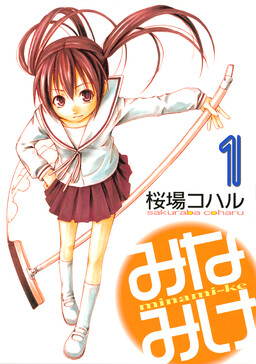
Minami-ke
Yu's review of Minami-ke — three sisters at different schools (eldest Haruka in high school, middle Kana in middle school, youngest Chiaki in elementary) share an apartment and their daily life generates endless comedy from their completely different personalities and the rotating cast of friends, admirers, and chaos that follows them home.
Slice of Life / Comedy
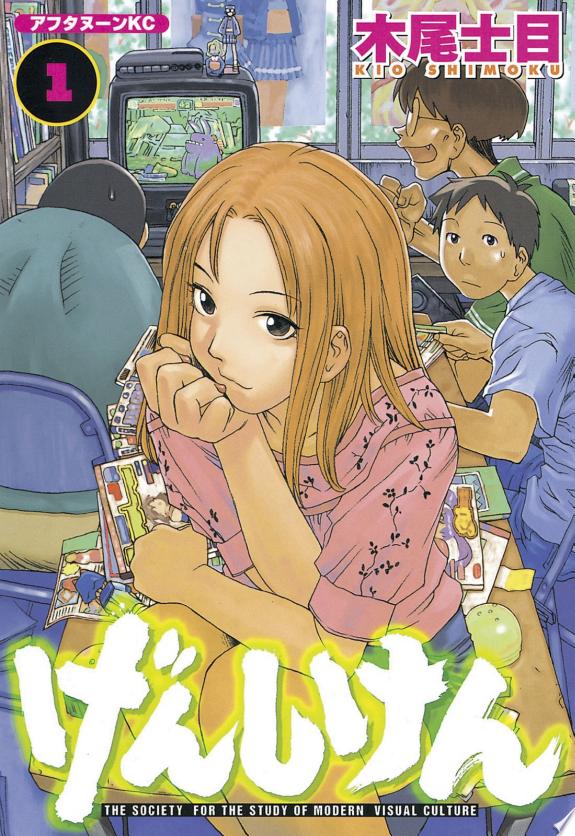
Genshiken
Yu's review of Genshiken — the Society for the Study of Modern Visual Culture is a university otaku club, and across nine volumes Shimoku Kio follows Sasahara, Madarame, Saki, Ohno, Tanaka and Ogiue as they graduate, fall in love, make a doujinshi, and figure out what being a fan costs and gives you.
Slice of Life / Comedy
New Game!
Yu's review of New Game! — Aoba Suzukaze joins Eagle Jump, the game company that made her favorite childhood game, as a character designer; the series follows her first year in professional game development alongside an all-female team; a workplace slice-of-life that treats game development with genuine procedural interest.

Comedy / Slice of Life
Sabagebu! —Survival Game Club!—
Yu's review of Sabagebu! — Momoka Sonokawa joins the Survival Game Club at her new school after being rescued by its president Miou; she discovers she has immediate talent for mock combat and a personality that is significantly less heroic than her appearance suggests; the series follows the club's survival game activities with absurdist comedy.

Slice of Life
Outbreak Company
Yu's review of Outbreak Company — Shinichi Kanou, an extreme otaku who failed to leave his room for years, is hired by the Japanese government to spread otaku culture in an alternate fantasy world accessed through a portal; the manga adaptation of Ichiro Sakaki's light novel comedy about cultural exchange through manga and anime.
Slice of Life / Comedy
Princess Jellyfish
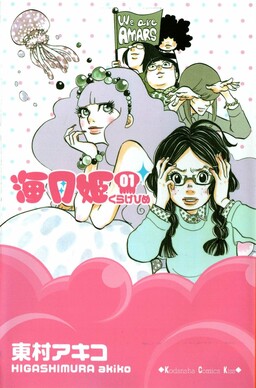
Yu's review of Princess Jellyfish — Tsukimi Kurashita is a jellyfish-obsessed otaku girl living in an all-female apartment building full of passionate nerds; when she meets Kuranosuke, a cross-dressing son of a politician who barges into her world, her quiet otaku life starts to change.
Written by
Yu
Manga Enthusiast from Japan
I grew up in Japan and manga literally saved me during a tough time in elementary school. My English isn't perfect, but my love for manga is real — and I want to share it with you.
Disclosure: This post contains affiliate links. As an Amazon Associate, I earn from qualifying purchases at no extra cost to you.