
Grand Blue Dreaming Review: The Diving Club That Drinks More Than It Dives
by Kenji Inoue (story) / Kimitake Yoshioka (art)
Read the first volume. If it doesn't hook you, put it down. It'll hook you.
Buy Grand Blue Dreaming on Amazon →*Affiliate link — I earn a small commission at no extra cost to you.
I have read a lot of comedy manga. Most make me smile. A few make me laugh out loud. Grand Blue is the only one that made me put the volume down because I needed to stop and breathe before I could keep going. I remember the first time it happened — I was on the train, trying very hard to look like a normal person, and failing completely. When I was a kid with no friends, I used to imagine what college would be like, the place where my real life would finally start. Grand Blue takes that exact daydream and runs it straight into a wall of naked drunk men. I love it for that.
Quick Take
- The funniest manga I have ever read — the comedy escalates with real internal logic, where every disaster is the natural consequence of the last one, not just random chaos
- The diving is real. This is not a backdrop. The series shows certification, goggle-clearing, the Okinawa licensing trip — actual scuba content sitting next to the absurdity
- Ongoing at 26 volumes in Japan (22 in English). This is M (Mature) — heavy drinking and comedic nudity throughout, so it is adult comedy, not a kids' book
Story Overview
Iori Kitahara arrives on the coast to start university, moving into a room above his uncle's diving shop, Grand Blue. He pictures a bright, easy college life with his cousin Chisa nearby. Instead, the first thing he sees when he opens the shop door is a room full of muscular, naked, blackout-drunk men playing strip rock-paper-scissors.
These are the members of the Peek a Boo diving club, and within minutes Iori is dragged into their world. He is forced into a drinking contest, stripped to his boxers, and wakes up the next morning passed out half-naked in front of the lecture hall, just in time for his orientation. That is chapter one. The series follows Iori across his college years as he keeps trying — and failing — to claw his way toward the normal life he wanted, while slowly, against his will, actually learning to dive and becoming part of this ridiculous family.
The genius of the structure is that the diving and the comedy are not separate. The same trip that is a drunken disaster is also a real licensing exam. The club that humiliates Iori is also the group that teaches him to love the ocean.
Characters
Iori Kitahara — The protagonist whose every plan to be a respectable college student collapses. What makes him work is that he is not a pure victim; he is complicit, he escalates, and once the alcohol is in front of him he is as feral as anyone. His honesty about his own ridiculousness is half the comedy.
Kohei Imamura — Iori's best friend and immediate rival, an anime-and-cosplay-obsessed otaku who is composed and cold around real people right up until an idol or 2D character is involved, at which point he loses all dignity. The Iori–Kohei dynamic — two guys who drag each other lower than either would go alone — is the heart the series keeps coming back to.
Chisa Kotegawa — Iori's cousin and a serious, dedicated diver. Her arc is the slow burn: she starts repulsed by the drunken Iori she meets on day one, then connects with him through diving, and eventually ends up using him as a fake boyfriend to deflect other men so she can focus on the sport — only to get genuinely confused about her own feelings when the other girls reveal crushes on him.
Nanaka Kotegawa — Chisa's older sister and a diving instructor at Grand Blue, who anchors the actual diving instruction. Alongside the senior club members — Tokita, Kotobuki, Aina, Azusa — they form an ensemble where everyone is reliably capable of making any situation worse.
What I Love About It
What separates Grand Blue from comedies I respect but do not adore is that the jokes are constructed, not sprinkled. The escalation has architecture. A small lie or a small humiliation in one chapter becomes load-bearing three chapters later, so by the time a scene reaches its peak you are not just laughing at the moment — you are laughing at the entire structure that the manga patiently built to get there. That is hard to do. Most comedy manga reset to zero each chapter. This one compounds.
And then there is the diving, which I did not expect to care about and now do. When Iori struggles with goggle-clearing during the Okinawa trip — the trip that doubles as the freshmen's licensing exam — the manga is suddenly, genuinely sincere. It teaches you the technique while it makes you nervous for him. The contrast is the whole point: Yoshioka draws the underwater scenes with calm, detailed grace, and then draws the comedy with full-throttle, vein-popping exaggeration. The art itself is the joke. The same hand that renders a quiet reef can render a screaming naked man, and the gap between those two registers is where the series lives. It made me laugh alone on a train, and it also made me want to learn to dive. I did not think a manga about drunk college kids could do both.
Memorable Scene ⚠️ Spoiler Warning
It has to be the very first one, because it is the thesis statement for everything that follows. Iori arrives full of soft, hopeful daydreams about coastal college life, opens the door of his uncle's shop — and the panel is a wall of naked, drunk, heavily-muscled men playing Yakyuken, strip rock-paper-scissors. Tokita and Kotobuki immediately conscript him and Kohei into a "drinking contest" where even the glass of "water" turns out to be straight vodka.
By the end of the night Iori has been stripped to his boxers and is roaring along with the rest of them. Chisa walks back in, sees what her cousin has already become, and visibly distances herself in disgust. The next morning he wakes up nearly naked on the ground in front of the lecture hall — right as his orientation is starting. What sticks with me is how perfectly it inverts the fantasy. Iori wanted the dream version of college. The manga gives him the real, sweaty, humiliating, weirdly warm version instead, and tells you in one chapter exactly what kind of ride you signed up for.
Pros & Cons
Pros
- Comedy escalation with genuine structure — jokes that pay off chapters later
- Real diving content, treated with respect and accuracy
- A college setting in a genre drowning in high schools
- The Iori–Kohei friendship is one of the best in comedy manga
- Yoshioka's art swings between graceful and unhinged on purpose
Cons
- The M rating shuts out younger readers
- Ongoing — no ending yet, so it is a long commitment
- The whole premise rests on heavy-drinking, comedic-nudity humor, and if that is not for you the series will never win you over. This one genuinely won't work for everyone.
Is Grand Blue Dreaming Worth Reading?
Yes — if you can get on board with crude, alcohol-soaked college comedy, this is about as good as the genre gets. The jokes are built rather than scattered, the diving content gives it unexpected weight, and the cast becomes a family you want to keep up with. The only real barriers are the M-rated tone and the fact that it is still ongoing. If the humor lands for you, nothing else in the slice-of-life comedy space hits this hard.
Where to Buy
Read the first volume. If it doesn't hook you, put it down. It'll hook you.
This post contains affiliate links. If you purchase through these links, I may earn a small commission at no extra cost to you. As an Amazon Associate, I earn from qualifying purchases.
*Affiliate link — I earn a small commission at no extra cost to you.
More Manga You Might Like

Slice of Life / Comedy
Wave, Listen to Me!
Yu's review of Wave, Listen to Me! — Minare Koda is a restaurant worker in Sapporo who rants to a radio producer at a bar about her ex-boyfriend; the producer records it and airs it; instead of suing, she agrees to do a radio show; a fast-talking adult comedy about a woman who is genuinely funny and genuinely a mess.
Slice of Life / Comedy
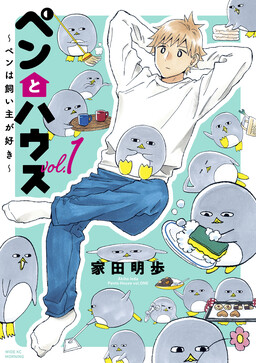
Penguin & House
Yu's review of Penguin & House — Pen-chan is a penguin who arrives at a young salaryman's apartment and decides to stay; the series follows their daily cohabitation, the small adjustments both make, and the warmth that accumulates in an otherwise solitary life.
Slice of Life / Comedy
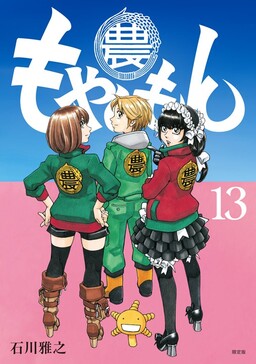
Moyashimon: Tales of Agriculture
Tadayasu Sawaki has been able to see microorganisms with his naked eye since childhood — they appear to him as cute deformed cartoon characters who talk to him in cheerful voices saying things like 'Let's brew!' (kamosu). He enrolls at a Tokyo agricultural university. The first thing his fermentation professor wants is access to Sawaki's ability. Masayuki Ishikawa's 13-volume manga (2004–2014) is a comedy-education hybrid about microbiology, agriculture, and college life. A sequel ('Moyashimon+') started January 2025.
Slice of Life
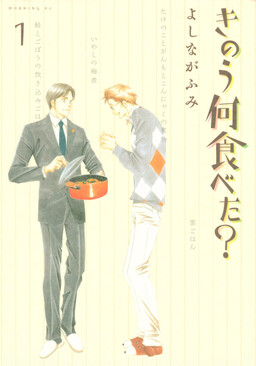
What Did You Eat Yesterday?
Yu's review of What Did You Eat Yesterday? — Shiro and Kenji are a gay couple in Tokyo; Shiro is a lawyer who cooks dinner every night; the manga follows their domestic life through the meals Shiro prepares, with complete recipes; a quiet, adult slice of life about partnership and food.
Action / Comedy / Slice of Life
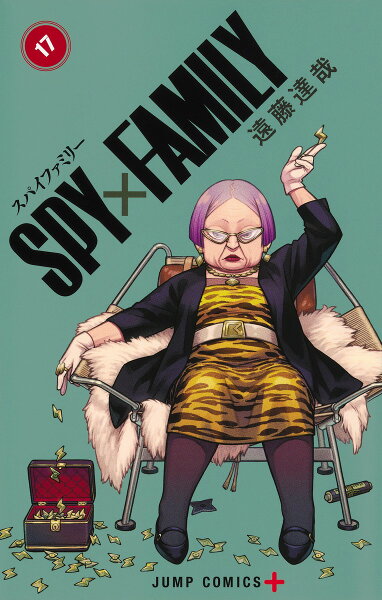
Spy x Family
Yu's review of Spy x Family — a manga about a spy, an assassin, and a telepath pretending to be a family, who accidentally become one. Genuinely funny, genuinely warm, and one of the most joyful ongoing series in manga right now.
Slice of Life / Romance
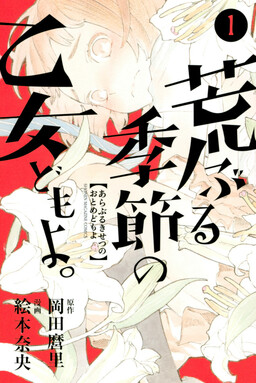
O Maidens in Your Savage Season
Yu's review of O Maidens in Your Savage Season — five high school girls in a literature club encounter adult themes through their reading and must suddenly reckon with their own desires, confusion, and the specific terror of not knowing what you want or whether what you feel is acceptable.
Written by
Yu
Manga Enthusiast from Japan
I grew up in Japan and manga literally saved me during a tough time in elementary school. My English isn't perfect, but my love for manga is real — and I want to share it with you.
Disclosure: This post contains affiliate links. As an Amazon Associate, I earn from qualifying purchases at no extra cost to you.