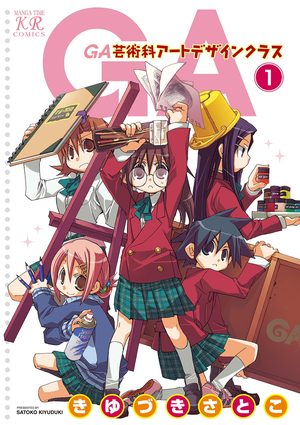
GA: Geijutsuka Art Design Class Review: The Comedy That Sneaks an Art Lesson Past You
by Satoko Kiyuduki
Read the first volume. If it doesn't hook you, put it down. It'll hook you.
Buy GA: Geijutsuka Art Design Class on Amazon →*Affiliate link — I earn a small commission at no extra cost to you.
When I was a kid hiding from the rest of the class, the one thing I could do was draw. Badly, but I could do it. Nobody needed a friend to make a drawing. So when I found a four-panel manga about five girls who go to school specifically to learn how to draw — and then mostly goof off — I felt like I had walked into a room I was never invited to when I was young.
GA: Geijutsuka Art Design Class is a tiny, gentle thing. But it did something to me that bigger manga rarely manage: it taught me real things about color and seeing, and made me laugh while it did it. I keep coming back to it whenever the world feels too loud.
Quick Take
- A four-panel (yonkoma) comedy about five girls in the "GA" art and design course at Ayanoi High School
- The jokes are built on actual art and design concepts — color theory, collage, optical illusions — so the punchline is often the lesson itself
- Rated T (Teen); 7 volumes, complete in English from Yen Press
Story Overview
There is no plot here, and that is the point. Kisaragi enters her first year in the specialized art and design department of her high school, joining four classmates, and the manga follows them through ordinary school days: lessons, club time, field trips, lunch, and the small disasters that happen when creative kids are left alone with art supplies.
The structure is strict four-panel comedy. Each strip is a complete joke. But Satoko Kiyuduki uses the classroom as an excuse to teach the reader the same things the girls are learning — color theory, complementary colors, collage, perspective, optical illusions like trompe l'oeil. The manga uses full-color pages so the color lessons actually land on the page in front of you. You finish a chapter having laughed twice and quietly learned what an afterimage is.
The arc, such as it is, is accumulation. Across seven volumes the five girls don't transform — they just become more themselves, and you grow fond of them the way you grow fond of real classmates. It ends not with a climax but with the warm sense that you spent three years with people you liked.
Characters
Kisaragi — The viewpoint character. Clumsy, gentle, with oversized glasses, and easily made the target of the group's jokes. She's the hardest worker of the five, but she lacks the natural talent some of the others have, so she carries that very relatable feeling of trying your best and still being a step behind. She's the reader's stand-in for not-knowing-anything-yet.
Miki Noda — Small, energetic, obsessed with design and fashion, and the usual culprit behind any classroom chaos. She's genuinely talented but bores easily and starts fooling around mid-lesson. She and Tomokane are the engine of most of the trouble.
Tomokane — The tomboy with the explosive temper who gets herself into trouble constantly. Her techniques are blunt and impatient, but she turns out to have real talent underneath the chaos — the kid who's better at art than she has any right to be.
Miyabi Ōmichi ("the Professor") — Quiet, stoic, and quietly the strangest of the group. She loves the color black, takes care of her friends without making a fuss, and looks after the chickens kept on the school grounds — at one point getting them to line up in a straight row. She delivers the series' most deadpan, idiosyncratic comedy.
Namiko Nozaki — The tall, oldest girl, who becomes the unintentional mother of the group. She's reliable and kind, and is famously bad at telling jokes, which becomes its own running gag.
What I Love About It
The thing I love most is that the comedy refuses to talk down to me. There's a stretch where the girls play a game the manga calls "color tag" — a chasing game where the rules hinge on color relationships rather than just running around — and another where they do freeze-tag and collage in the same school day. The jokes only fully land if you follow the color concept underneath them. Kiyuduki trusts you to keep up, and because the pages are in full color, the lesson is literally drawn out in front of you. I read a strip about complementary colors and afterimages and realized I'd been staring at one my whole life without a word for it.
What makes it more than an art textbook with jokes is the warmth. These are five kids who clearly like each other, and Kiyuduki never reaches for cruelty to get a laugh. Kisaragi gets teased, but it's the soft teasing of people who'd defend her instantly. Miyabi feeds chickens. Namiko botches a punchline and everyone just lets her. It's the friendship I wanted as a lonely kid, drawn in clean four-panel rhythm, and somehow it doesn't feel saccharine — it feels earned, one small strip at a time.
Memorable Scene ⚠️ Spoiler Warning
The one that stuck with me is the museum field trip. The class goes to see real art, and they end up in front of nude works — classical paintings and sculptures of the human body — and the girls have to grapple, very awkwardly, with the fact that this is Art with a capital A while also being deeply embarrassing to look at as a teenager standing next to your classmates. The strip captures that exact teenage flinch: knowing intellectually that this is masterwork, and still wanting to look anywhere else.
I love it because it's the whole series in miniature. It's funny, it's about genuinely learning to see art, and it's honest about how strange the gap is between "this is important" and "I am sixteen and this is so awkward." It made me laugh, and it also reminded me of every time I pretended to understand something in a gallery so I wouldn't look stupid. Nobody in GA pretends. They just blush and keep learning.
Pros & Cons
Pros
- The art and design lessons are real and woven naturally into the jokes
- Full-color pages make the color-theory gags actually work
- Warm, gentle ensemble comedy with no mean streak
- Complete at 7 volumes — short and easy to finish
Cons
- No dramatic arc; if you need plot and progression, this will feel static
- Four-panel format means the emotional payoff accumulates slowly
- Some art jokes assume you'll meet them halfway — this is a quiet, low-stakes comedy, and that simply won't work for everyone
Is GA: Geijutsuka Art Design Class Worth Reading?
Yes — if you want a short, complete comedy that's genuinely warm and quietly teaches you how artists see the world. It has no big drama and never tries to. Read it for the friendship and the small "oh, that's what that's called" moments, not for a story that builds to anything. On those terms it's one of the most charming things the Manga Time Kirara line ever produced.
Where to Buy
Read the first volume. If it doesn't hook you, put it down. It'll hook you.
This post contains affiliate links. If you purchase through these links, I may earn a small commission at no extra cost to you. As an Amazon Associate, I earn from qualifying purchases.
*Affiliate link — I earn a small commission at no extra cost to you.
More Manga You Might Like
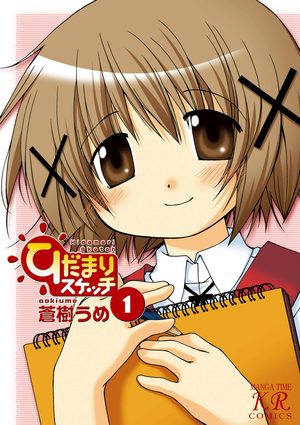
Slice of Life / Comedy
Hidamari Sketch
Yu's review of Hidamari Sketch — Yuno moves into the Hidamari Apartments across from her art high school and finds a found family in Miyako, Hiro, and Sae. A four-panel slice-of-life about ordinary days that quietly turn out to matter.
Slice of Life / Comedy
Azumanga Daioh
Yu's review of Azumanga Daioh — Kiyohiko Azuma's four-panel comedy that follows six high school girls across three years of ordinary school life, from Chiyo the child prodigy to Osaka the daydreamer.
Slice of Life / Comedy
Nichijou: My Ordinary Life
Yu's review of Nichijou — a high school slice-of-life where ordinary situations escalate to catastrophic absurdity, a robot girl tries to hide what she is, and the Professor is an eight-year-old genius who made her.
Slice of Life / Comedy
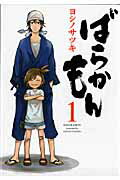
Barakamon
Yu's review of Barakamon — a young calligrapher punches a critic, gets exiled to the Goto Islands, and a seven-year-old girl named Naru slowly dismantles everything he thought made him good.
Slice of Life / Comedy
Golden Lucky
Golden Lucky is Shunji Enomoto's surreal 4-panel gag manga, serialized in Kodansha's Morning from 1990 to 1996. Famous for finishing dead last in reader polls for years — and surviving because of it.
Slice of Life / Comedy
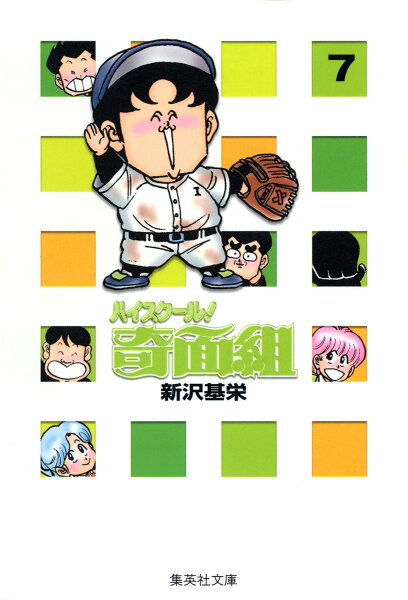
High School! Kimengumi
High School! Kimengumi follows five boys who turn their strange faces into a way of life, building one of the loudest, weirdest gag manga of 1980s Shonen Jump.
Written by
Yu
Manga Enthusiast from Japan
I grew up in Japan and manga literally saved me during a tough time in elementary school. My English isn't perfect, but my love for manga is real — and I want to share it with you.
Disclosure: This post contains affiliate links. As an Amazon Associate, I earn from qualifying purchases at no extra cost to you.