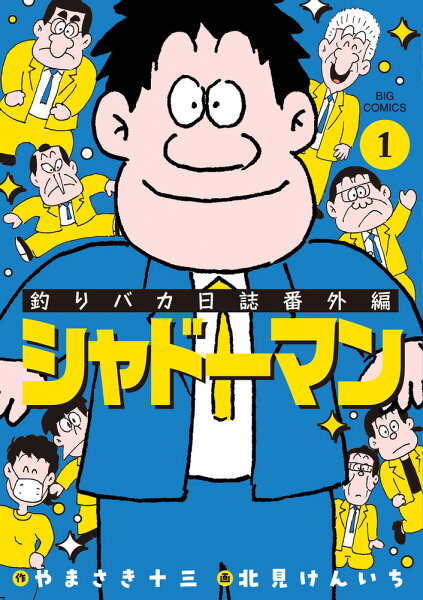
Tsuribaka Nisshi Review: The Salaryman Who Out-Ranked His Boss by Caring Less About Work
by Juzo Yamasaki (story) / Kenichi Kitami (art)
Read the first volume. If it doesn't hook you, put it down. It'll hook you.
Buy Tsuribaka Nisshi on Amazon →*Affiliate link — I earn a small commission at no extra cost to you.
When I was a kid hiding from the people who made my days miserable, I dreamed about being a hero. Naruto. Luffy. People who changed the world. It took me a long time, and a manga about a middle-aged man who just wants to go fishing, to understand that there is another kind of victory — the quiet kind, where you simply arrange your life so the thing you love sits in the center of it. Tsuribaka Nisshi is about a man who won that quiet victory. I did not expect a fishing comedy from 1979 to move me. It did.
Quick Take
- One of the longest-running manga in publication — over 117 volumes since 1979, and it is still going in Big Comic Original
- The Hama-chan / Su-san friendship — a nobody salaryman and his own company's president, who never lets rank get in the way — is one of manga's great odd couples
- Age rating: T (Teen) — gentle adult comedy with some social drinking, nothing graphic
Story Overview
Densuke Hamasaki — everyone calls him Hama-chan — is a permanent rank-and-file employee in the sales department of Suzuki Construction. He has no ambition to climb. His supervisor, Sasaki, mockingly calls him the "tsuri-baka," the fishing fool, because his whole life orbits one thing: fishing.
The premise turns on a single meeting. At a diner near the office, Hama-chan notices an older man who has left the bones and half the meat on his grilled fish. Hama-chan, who believes finishing a fish properly is a kind of respect for the life that fed you, strikes up a conversation and ends up inviting this stranger fishing to cheer him up. He teaches the older man the basics, and the two become friends — a fishing master and his pupil.
The joke, and the engine of the entire series, is that the old man is Ichinosuke Suzuki, the president of Suzuki Construction itself. Hama-chan never recognized his own company's boss. By the time anyone realizes it, the two of them are already calling each other "Su-san" and "Hama-chan" as equals. They keep it that way: Hama-chan insists on keeping public and private life separate, so at the office they are president and lowly employee, and on the water they are just two men who love to fish. The series runs on that contradiction, one episodic chapter at a time, across decades of Japanese working life.
Characters
Densuke Hamasaki (Hama-chan): The protagonist. A forever-bottom-rung salesman who treats everyone — janitor or president — exactly the same, with warmth and zero deference to status. His indifference to promotion is not laziness; it is a man who has correctly ranked his own priorities and refuses to apologize for it.
Ichinosuke Suzuki (Su-san): The president of Suzuki Construction. The gag is sharper than it first looks: behind his mild, grandfatherly face, Su-san is a hard-nosed boss who will coldly cut loose even founding executives. With Hama-chan he becomes something he is with no one else — a friend, a student, a man allowed to be ordinary.
Michiko Hamasaki: Hama-chan's wife. She lives with a husband whose obsession would test any partner, and her exasperation and affection ground the comedy in a real marriage rather than a cartoon one.
Sasaki: Hama-chan's immediate supervisor, the one who pinned the "fishing fool" label on him — the voice of conventional corporate expectation that Hama-chan cheerfully ignores.
What I Love About It
I love that Hama-chan and Su-san meet over a half-eaten fish.
It is such a small, specific thing. A salaryman sees an old man who didn't finish his grilled fish and, instead of minding his own business, tells him that eating it properly is how you honor the life you took. That is the whole character in one gesture. Hama-chan doesn't care that this stranger might be important. He doesn't read the room for status. He just sees a person and treats him like one — and that is exactly why the most powerful man in his company falls for him. Not despite the lack of deference. Because of it.
The deeper thing I love is that the manga endorses Hama-chan completely. In most stories, a man this uninterested in his career would be a cautionary figure — the one who needs to learn responsibility, to grow up, to let the hobby yield to the job. Tsuribaka Nisshi never does that. It started in 1979 and it is still running, and across all those volumes Hama-chan just keeps fishing, keeps refusing to climb, keeps being right about what matters. The series watched Japan's economy boom and crash and reshape its entire idea of work, and through all of it Hama-chan never once apologized for putting fishing first. As someone who spent years being told my escape was a waste of time, I find that quietly radical.
Memorable Scene ⚠️ Spoiler Warning
The line that stuck with me is Hama-chan's marriage proposal to Michiko: "I'm not confident I can make you happy — but I'm confident I can make myself happy."
It should be the worst proposal ever written. It is, on paper, completely selfish. And yet it is the most honest thing the character could possibly say, and it is funny and disarming in exactly the way Hama-chan is funny and disarming. He is not promising to be someone he isn't. He is telling her, up front, that he will always be the man who drops everything for the water — and somehow that radical honesty is its own kind of devotion. The series lets the joke land and lets the sincerity underneath it land at the same time. That is the whole manga in one sentence.
Pros & Cons
Pros
- A genuinely warm, feel-good comedy with no cynicism in it
- One of manga's all-time great odd-couple friendships
- The fishing premise generates endless episodic comedy without wearing out
- A real cultural document of how Japan thought about work and leisure across four decades
Cons
- No official English release — Japanese only
- 100-plus volumes is a serious commitment, even with the easy episodic structure
- The simple premise is also the ceiling; the slow, warm, low-stakes rhythm won't work for everyone
Is Tsuribaka Nisshi Worth Reading?
If you want warmth over plot — a long, gentle, funny portrait of a man who refused to let work own him, and the unlikely friendship that came from it — yes, absolutely. If you need rising tension, arcs, and stakes, this episodic comedy will feel like it goes nowhere. It goes nowhere on purpose. That is the point, and it is lovely.
Who Is This Manga For?
- Readers who love Japanese workplace comedy with an unconventional, generous heart
- Anyone who has a passion they love more than their job and has made peace with that
- Fans of long-running, low-stakes comfort manga where the pleasure is companionship and consistency
- People curious about classic Showa-era manga that shaped Japanese pop culture
Similar Manga
| Title | Its Approach | How Tsuribaka Nisshi Differs |
|---|---|---|
| Sanpei the Fisherman | Treats fishing as serious adventure and skill | Plays the same passion entirely for warm comedy |
| Cooking Papa | Long-running salaryman-plus-hobby comfort series | Centers a cross-rank friendship rather than family cooking |
| Wotakoi | Modern workplace comedy built on a shared hobby | Older, gentler, and about male friendship across hierarchy |
Where to Buy
No English release yet. That just means you find it before everyone else does.
If you read Japanese, you can pick it up here: Tsuribaka Nisshi on Amazon.co.jp →
This post contains affiliate links. If you purchase through these links, I may earn a small commission at no extra cost to you. As an Amazon Associate, I earn from qualifying purchases.
*Affiliate link — I earn a small commission at no extra cost to you.
More Manga You Might Like
Slice of Life / Comedy
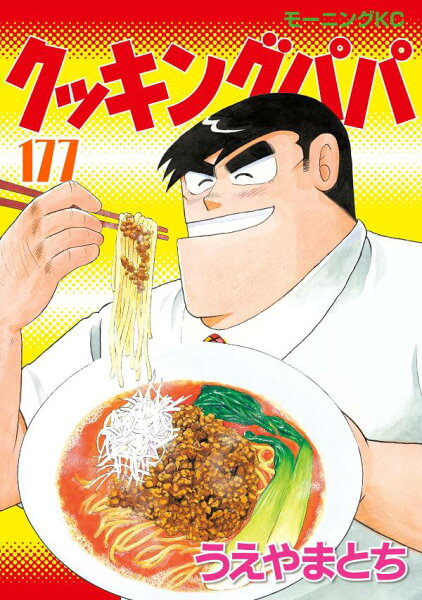
Cooking Papa
Cooking Papa follows Kazumi Araiwa, a Fukuoka salaryman at Kanamaru Sangyo who is secretly a brilliant home cook — feeding his family and, eventually, his whole workplace — across one of the longest-running manga in history.
Slice of Life / Romance
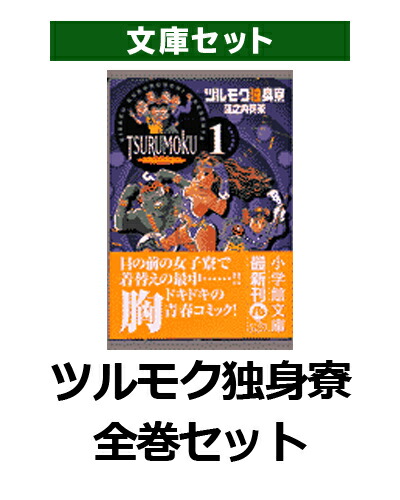
Tsurumoku Dokusin-ryo
Tsurumoku Dokusin-ryo follows young workers living in their company's bachelor dormitory — a comedy of closeness, romantic complications, and the specific texture of young adult working life in Japan when everyone you know also lives where you work.
Slice of Life / Comedy
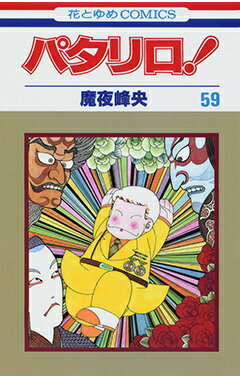
Patalliro!
Patalliro! follows the eccentric boy-king of the fictional island nation Marinera — a comedy that has been running in Hana to Yume since 1978, blending spy parody, historical lampoon, supernatural gags, and the relationship between the king and his bodyguard.
Slice of Life / Comedy
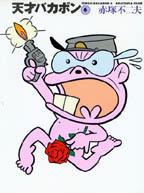
Tensai Bakabon
Tensai Bakabon is Fujio Akatsuka's landmark gag manga about the Bakabon family — a household where the father's complete detachment from logic is presented as wisdom, and the world's attempts to impose reason are the actual problem.
Slice of Life / Comedy
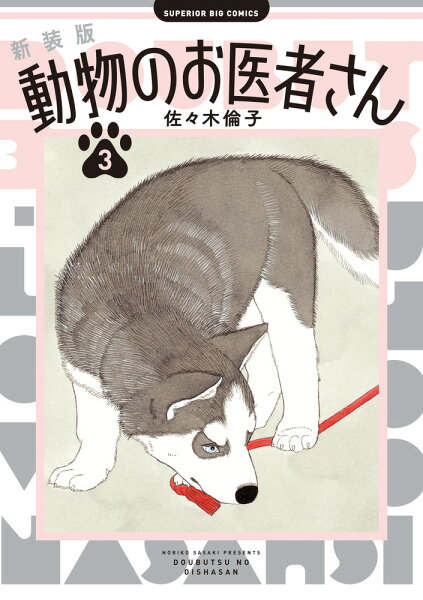
Doubutsu no Oisha-san
Doubutsu no Oisha-san follows Hamutaro, a quiet veterinary student in Hokkaido, his deadpan husky Chobi, and the warm chaos of vet-school life — a 12-volume Hana to Yume comedy so popular it set off a real Siberian Husky boom across Japan.
Slice of Life / Romance
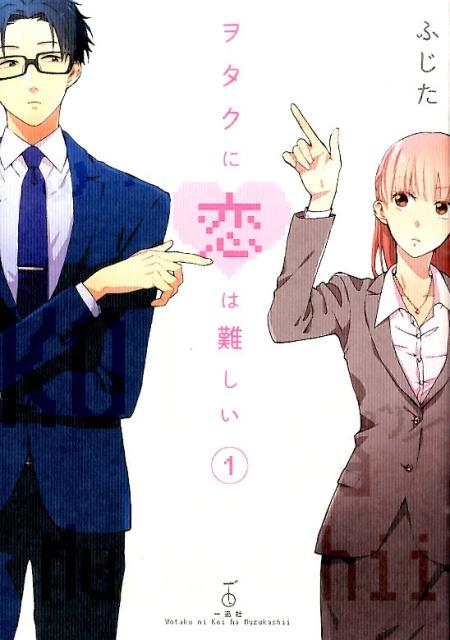
Wotakoi: Love Is Hard for Otaku
Yu's review of Wotakoi — Narumi hides her fujoshi hobby at every job she has ever had; at her new job she discovers her childhood friend Hirotaka is there, and he knows all her secrets; they start dating, and navigate being adult otaku in a relationship together.
Written by
Yu
Manga Enthusiast from Japan
I grew up in Japan and manga literally saved me during a tough time in elementary school. My English isn't perfect, but my love for manga is real — and I want to share it with you.