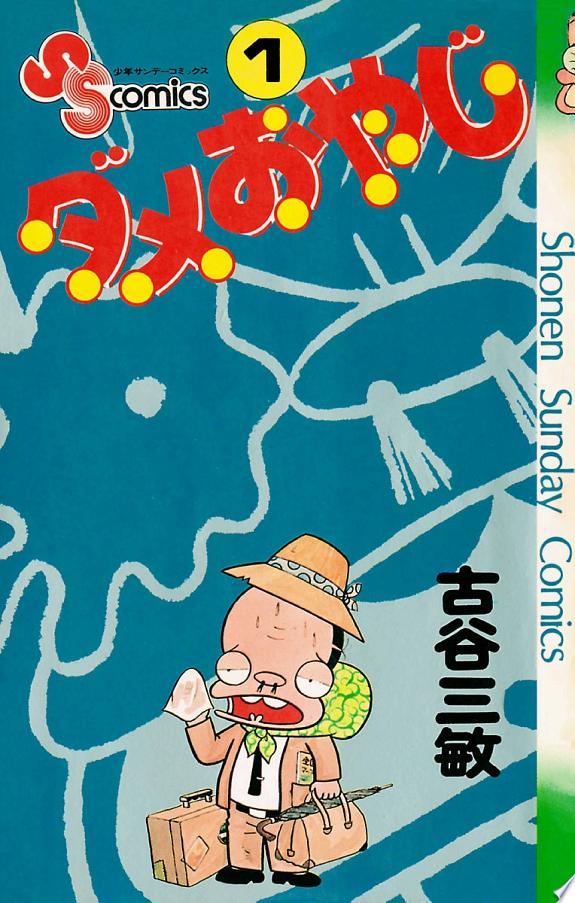
Dame Oyaji Review: The Dark Comedy That Made a Punching Bag Into a Hero
by Mitsutoshi Furuya
Read the first volume. If it doesn't hook you, put it down. It'll hook you.
Buy Dame Oyaji on Amazon →*Affiliate link — I earn a small commission at no extra cost to you.
Dame Oyaji ran in Weekly Shōnen Sunday from 1970 to 1982 — thirty-nine volumes, and it won the 1979 Shogakukan Manga Award for shōnen manga. By current standards the premise is deeply uncomfortable: a salaryman father is physically and emotionally abused by his wife and children every chapter. In 1970s Japan, it was one of the magazine's biggest hits.
I'm Yu. I read Dame Oyaji as a historical document as much as a manga, and what it says about Showa Japan's relationship with the salaryman life is genuinely illuminating.
Quick Take
- Mitsutoshi Furuya's Dame Oyaji (ダメおやじ) ran in Shogakukan's Weekly Shōnen Sunday from September 1970 to July 1982 — 39 tankōbon volumes.
- Won the 1979 Shogakukan Manga Award for shōnen manga.
- No official English translation exists.
Story Overview
The father — always called "Dame Oyaji" (useless dad) — is a salaryman who cannot do anything right. He is not allowed dignity at work. He comes home to a wife who is violently contemptuous of him and children who participate in the abuse. Every chapter is a variation on this dynamic: he tries to do something, fails or is prevented from succeeding, and is punished by his family.
The comedy comes entirely from the extreme nature of the punishment relative to the infraction — a gag manga logic where escalation is the point. The father endures everything without ceasing to try.
Underneath the abuse comedy, the series is clearly about salaryman anxiety — the specific despair of the Japanese male worker in the high-growth era, who has sacrificed everything for a family that does not respect him. This subtext was legible to its original audience and is part of what drove its enormous success.
Characters
Dame Oyaji: The father-protagonist whose suffering is constant. He is not stupid — he understands his situation clearly — but he cannot escape it. His continued attempts to be a good husband and father despite everything are the series' emotional ground.
The wife and children: Antagonists in a gag manga sense — forces of punishment rather than characters. By current standards, the wife in particular is a disturbing portrayal.
Art Style
Furuya's art is clean and expressive — the classic Weekly Shōnen Sunday style of the 1970s, with faces that communicate emotion with economy and precision. The physical comedy is well-staged.
Cultural Context
Dame Oyaji ran from 1970 to 1982 — the height of Japan's high-growth economic period, when the salaryman lifestyle was both universal and the subject of profound anxiety. The image of the powerless father dominated by his family resonated precisely because it expressed something real about what men of that era felt their lives had become.
The series is also a significant artifact of what 1970s comedy permitted — the physical abuse is played for laughs in a way that would not be published today, but which clearly expressed something the original audience recognized.
What I Love About It
What I find most interesting is the series' honesty about what the salaryman life cost.
Dame Oyaji is extreme — deliberately, comically extreme — but it is expressing something genuine about male isolation and powerlessness in Japanese corporate society. The father has no allies. His workplace gives him nothing. His home gives him nothing. He continues anyway, because what else is there?
This is dark material. The series wraps it in gag manga mechanics, but the underlying feeling — the man who works hard and is not valued by anyone — was real to its readers. The comedy is the only tolerable way to say it.
What English-Speaking Fans Say
Not known in English-speaking markets. Among manga historians, Dame Oyaji is studied as a cultural artifact of Showa Japan more than as a reading experience to recommend. Its enormous contemporary popularity — it was one of Weekly Shonen Sunday's biggest hits — is evidence of something important about the era.
Memorable Scene
A chapter where the father attempts a small kindness for his family — something simple, domestic, meant to make them happy — and is punished for it anyway. The chapter makes no comment. The gag is the punishment. The feeling underneath it is not a gag at all.
Similar Manga
- Sazae-san: Same era, family comedy structure, completely different emotional register
- Makoto-chan: Same publisher, same era, anarchic comedy in a different domestic key
- My Home Hero: Modern manga that explores father-family dynamics in a completely different direction
Reading Order / Where to Start
Volume 1. The premise is established immediately.
Official English Translation Status
Dame Oyaji has no official English translation.
Pros & Cons
Pros:
- Won the 1979 Shogakukan Manga Award for shōnen — its craft was recognized by its contemporaries.
- The gag structure is technically accomplished; the escalation mechanics are precise.
- Complete at 39 volumes — an enormous primary source for Showa Japan's relationship with the salaryman image.
- The cultural subtext (male powerlessness in the high-growth era) is legible and serious even when the comedy is not.
Cons:
- No English translation; readable only in Japanese.
- The domestic abuse-as-comedy framing is genuinely disturbing by current standards.
- Recommend approaching as a historical document as much as entertainment.
Is Dame Oyaji Worth Reading?
Yes, for readers interested in the history of Japanese comedy and Showa pop culture. As a reading experience for entertainment, it requires significant tolerance for its premise. It is one of manga's more important primary sources for what the 1970s were willing to express.
Who Is This Manga For?
- Manga historians and readers interested in Showa Japan's gag manga tradition.
- Anyone researching the salaryman image in Japanese popular culture.
- Readers who want to understand what Weekly Shōnen Sunday was publishing during its 1970s peak.
Official English Translation Status
Dame Oyaji has no official English translation. The series is unlicensed outside Japan as of 2026.
Where to Buy
The series is available in Japanese from Shogakukan. Collected editions exist.
Browse Dame Oyaji on Amazon Japan →
This post contains affiliate links. If you purchase through these links, I may earn a small commission at no extra cost to you.
*Affiliate link — I earn a small commission at no extra cost to you.
More Manga You Might Like
Comedy / Slice of Life
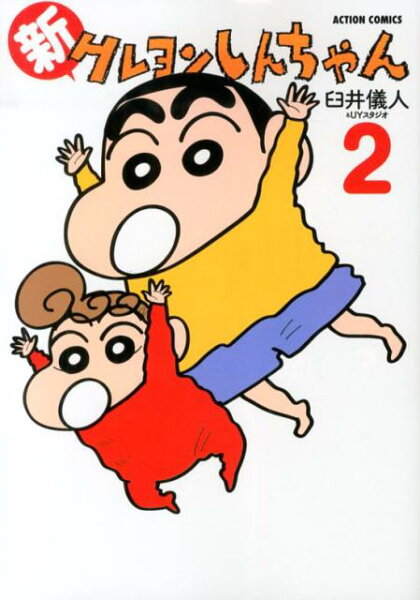
Crayon Shin-chan
A review of Crayon Shin-chan, Yoshito Usui's gag manga about a shameless five-year-old in suburban Saitama who says every embarrassing thing adults are too polite to say out loud.
Slice of Life / Comedy
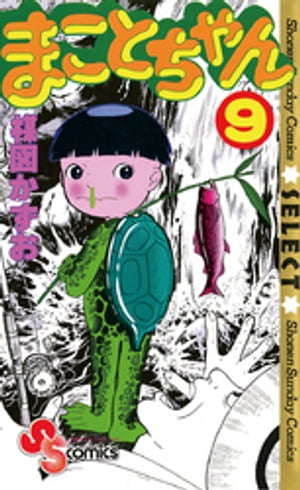
Makoto-chan
Makoto-chan follows an elementary school boy named Makoto whose irrepressible energy, endless mischief, and complete refusal to behave like a normal child make him a terror to everyone around him — depicted in the purest gag manga tradition by Kazuo Umezu.
Comedy / Slice of Life
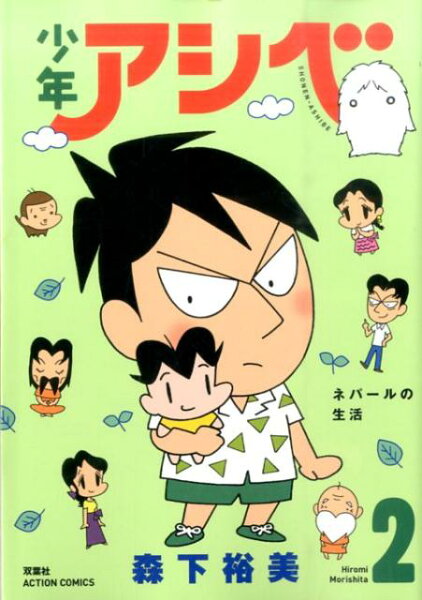
Shonen Ashibe
Shonen Ashibe follows Ashibe, an energetic young boy, and his pet baby seal Goma-chan — a white, round, extremely photogenic animal that causes chaos wherever it goes and is beloved by everyone who encounters it, to the exhausted amusement of Ashibe's father.
Slice of Life / Comedy
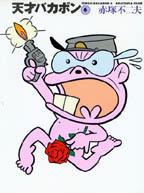
Tensai Bakabon
Tensai Bakabon is Fujio Akatsuka's landmark gag manga about the Bakabon family — a household where the father's complete detachment from logic is presented as wisdom, and the world's attempts to impose reason are the actual problem.
Slice of Life / Comedy
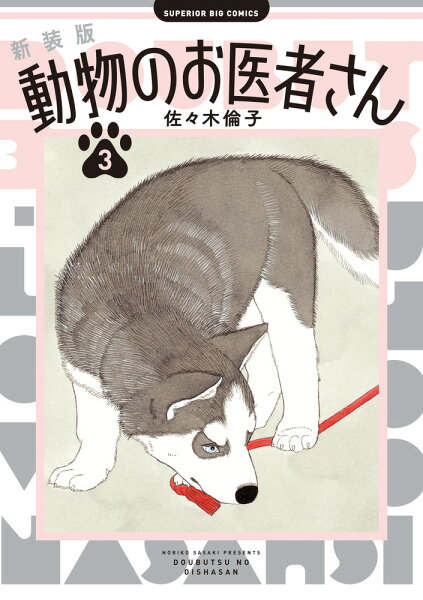
Doubutsu no Oisha-san
Doubutsu no Oisha-san follows Hamutaro, a quiet veterinary student in Hokkaido, his deadpan husky Chobi, and the warm chaos of vet-school life — a 12-volume Hana to Yume comedy so popular it set off a real Siberian Husky boom across Japan.
Slice of Life / Comedy
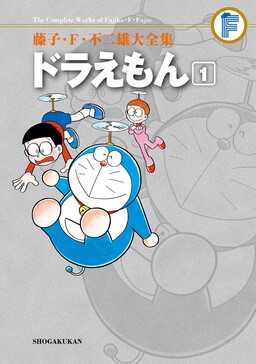
Doraemon
Yu's review of Doraemon — a robot cat from the 22nd century, sent back to help a hopeless boy named Nobita with gadgets from his four-dimensional pocket. Fujiko F. Fujio's most beloved work, and the manga every Japanese kid grows up inside.
Written by
Yu
Manga Enthusiast from Japan
I grew up in Japan and manga literally saved me during a tough time in elementary school. My English isn't perfect, but my love for manga is real — and I want to share it with you.
Disclosure: This post contains affiliate links. As an Amazon Associate, I earn from qualifying purchases at no extra cost to you.