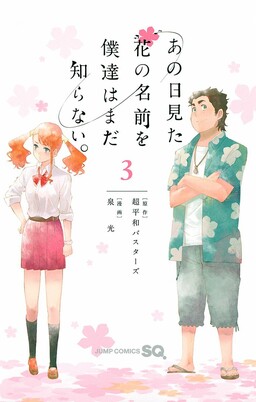
AnoHana Review: A Dead Friend's Ghost Asks Her Estranged Childhood Friends to Finally Grow Up
by Mari Okada (story) / Mitsu Izumi (art)
Read the first volume. If it doesn't hook you, put it down. It'll hook you.
Buy AnoHana: The Flower We Saw That Day on Amazon →*Affiliate link — I earn a small commission at no extra cost to you.
Some stories about grief comfort you; AnoHana corners you. It's about a group of childhood friends who fell apart when one of them died, and who have spent years each carrying that death wrong, in their own private way. When the dead girl's ghost reappears, the manga forces them — and the reader — to actually feel everything they've been avoiding. I cried, and then I called an old friend.
It's a compact, devastating little story about the things we never said.
Quick Take
- A grief drama adapted from the acclaimed Mari Okada anime, with art by Mitsu Izumi
- A dead girl's ghost reunites a fractured friend group forced to confront unresolved loss
- Rated T (Teen); complete in 3 volumes, published in English by VIZ Media
Who Is This Manga For?
- Readers who want emotional drama about grief and unfinished friendship
- Fans of the AnoHana anime who want the story in manga form
- Anyone drawn to stories about processing childhood loss as you grow up
- Readers looking for a short, concentrated emotional experience
Content Warnings & Age Rating
Age Rating: T (Teen) Content Warnings: Death of a child (the central premise); grief and unresolved trauma; survivor's guilt; emotionally heavy throughout
The T rating fits, but it's emotionally demanding — the subject is loss, handled directly.
Yu's Rating
| Category | Score |
|---|---|
| Story Depth | ★★★★☆ |
| Art Style | ★★★★☆ |
| Character Development | ★★★★☆ |
| Accessibility for Non-Japanese Readers | ★★★★★ |
| Reread Value | ★★★☆☆ |
Story Overview
As children, six friends — who called themselves the "Super Peace Busters" — were inseparable, until Meiko "Menma" Honma died in an accident. The group shattered, each member drifting apart and carrying the loss in their own unspoken way. Years later, Jinta Yadomi, once the group's leader, has become a withdrawn shut-in who skips school and avoids everyone.
Then Menma appears to him — her ghost, grown to the age she would have been, visible and audible only to Jinta. She's as cheerful as ever, but she says she has a wish that needs granting, and she can't remember what it is. To fulfill it, Jinta has to do the one thing he's been avoiding: bring the old group back together. Each former friend has been processing Menma's death differently — through guilt, through denial, through buried romantic feelings, through resentment — and reuniting them forces all of those long-suppressed emotions to the surface. The series follows their painful, halting reconciliation and the search for Menma's wish, building toward a cathartic reckoning with the grief that quietly defined all of their adolescences. It's a story about how loss disconnects people, and what it costs to reconnect.
Characters
Meiko "Menma" Honma — The ghost at the center, sweet and uncomprehending, who doesn't understand why she can't move on. Her presence among friends who mostly can't see her is the engine of the story's ache — she's a constant reminder of what they lost and never grieved properly.
Jinta Yadomi — The former group leader turned shut-in, the only one who can see Menma. His withdrawal from the world is bound up with her death in ways the series gradually makes specific, and his arc is the spine of the reconciliation.
The Super Peace Busters — The rest of the estranged group (including the quietly suffering Anaru, the resentful Yukiatsu, and the others), each carrying Menma's death as a different private wound. The series is precise and unsentimental about how differently the same loss can deform different people.
What I Love About It
It refuses to treat grief as a single, shared experience. The six friends all lost the same person, and they all handled it wrong — but in completely different, specific ways: one buried it in guilt, one in self-punishment, one in a kind of frozen denial. The manga is exact about these differences, and that precision is what makes the eventual catharsis land instead of feeling cheap. AnoHana understands that the hardest part of grief among friends is that everyone is privately convinced they're the one who failed the dead — and that healing only starts when those private failures finally get said out loud.
Memorable Scene ⚠️ Spoiler Warning
The climax, when each member of the group finally voices the specific guilt and grief they've each been carrying alone for years — the things they never admitted about Menma, about her death, and about each other. After volumes of suppression and deflection, the dam breaks all at once, and the private wounds become a shared one that can finally begin to heal. Izumi stages it for maximum emotional release, and it earns every tear because the series spent its whole length establishing exactly what each character had locked away. It's the moment grief stops being something each of them suffers in isolation.
Pros & Cons
Pros
- Handles grief with genuine emotional accuracy and specificity
- Each character's loss is distinctly and honestly portrayed
- Compact and complete in 3 volumes
- Fully accessible to readers who haven't seen the anime
Cons
- The original anime is the more fully realized version of the story
- The compressed adaptation moves quickly through some development
- Emotionally heavy throughout — not a casual read
Is AnoHana Worth Reading?
Yes — it's a moving, well-constructed grief drama, and the manga delivers the emotional core effectively in just three volumes. If you've seen the anime and want to revisit it, or want a concentrated story about loss and friendship, it's well worth your time.
Where to Buy
Read the first volume. If it doesn't hook you, put it down. It'll hook you.
This post contains affiliate links. If you purchase through these links, I may earn a small commission at no extra cost to you. As an Amazon Associate, I earn from qualifying purchases.
*Affiliate link — I earn a small commission at no extra cost to you.
More Manga You Might Like
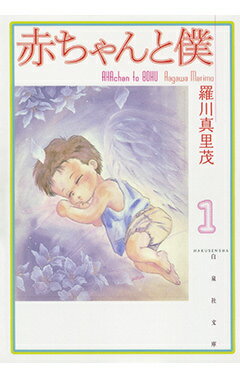
Slice of Life / Drama
Baby and Me
Baby and Me follows Takuya Enoki, a grade-schooler who becomes a mother and a brother at the same time, raising his toddler brother Minoru after their mother dies and their father works to keep the family going.
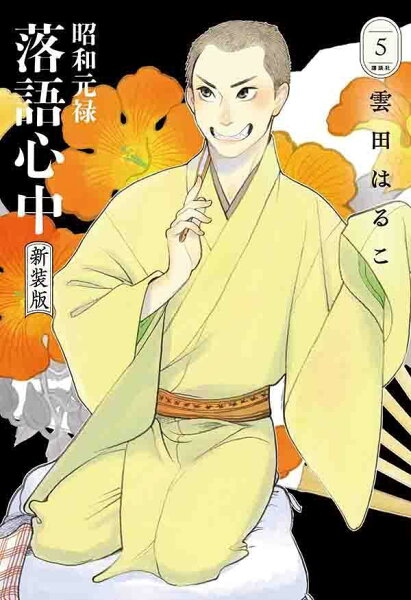
Slice of Life / Historical Drama
Shouwa Genroku Rakugo Shinjuu
Shouwa Genroku Rakugo Shinjuu follows the world of rakugo — traditional Japanese comic storytelling — through two performers across two generations: the transcendent and self-destructive Yakumo, and the student Yotaro who inherits what Yakumo cannot save.
Slice of Life / Drama
Umimachi Diary
Umimachi Diary follows three adult sisters in Kamakura who invite their half-sister — whom they barely know — to live with them after their estranged father's death, and the slow process of becoming a family.
Slice of Life / Drama
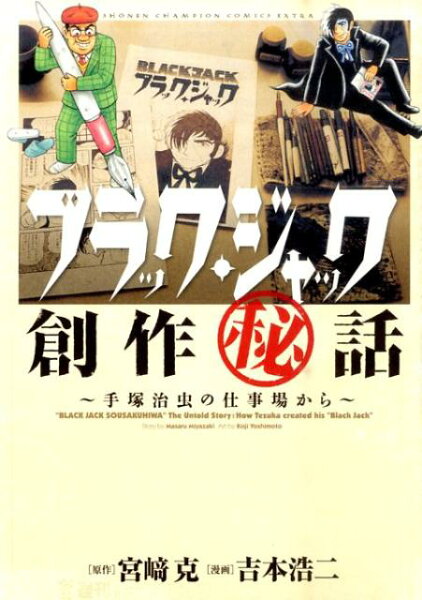
Black Jack Sousaku Hiwa
Black Jack Sousaku Hiwa is a documentary manga about how Osamu Tezuka created Black Jack — told through the editors and assistants who worked beside him, capturing both the genius and the human cost of his impossible work ethic.
Slice of Life / Drama
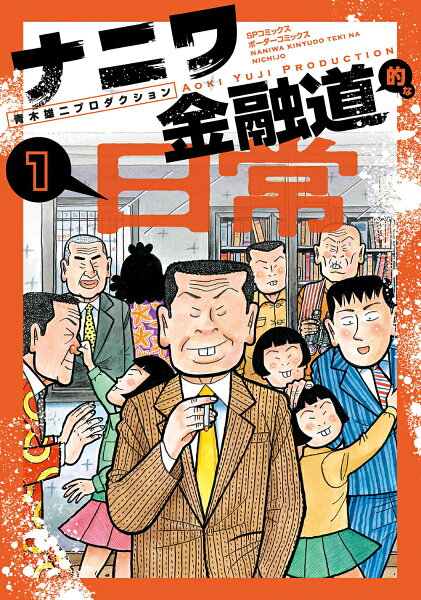
Naniwa Kinyuudo
Naniwa Kinyuudo follows new employee Ginji Mita at a small-loan finance company in Osaka — a manga that uses the world of moneylending and debt collection to create one of manga's most honest portraits of Japanese economic life.
Slice of Life / Drama
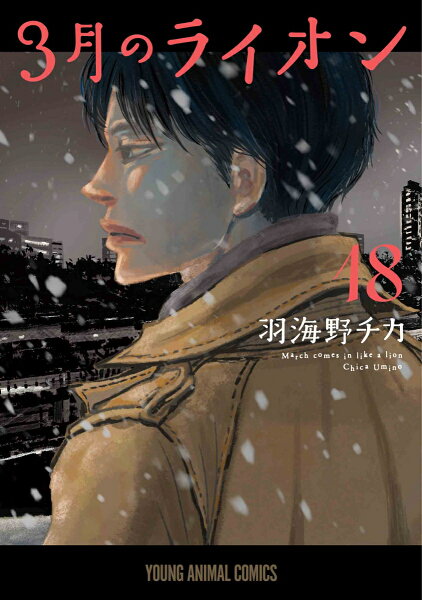
March Comes in Like a Lion
Yu's review of March Comes in Like a Lion — Rei Kiriyama is a 17-year-old professional shogi player drowning in isolation and depression, until three sisters in a small riverside house slowly pull him back toward being able to live.
Written by
Yu
Manga Enthusiast from Japan
I grew up in Japan and manga literally saved me during a tough time in elementary school. My English isn't perfect, but my love for manga is real — and I want to share it with you.
Disclosure: This post contains affiliate links. As an Amazon Associate, I earn from qualifying purchases at no extra cost to you.