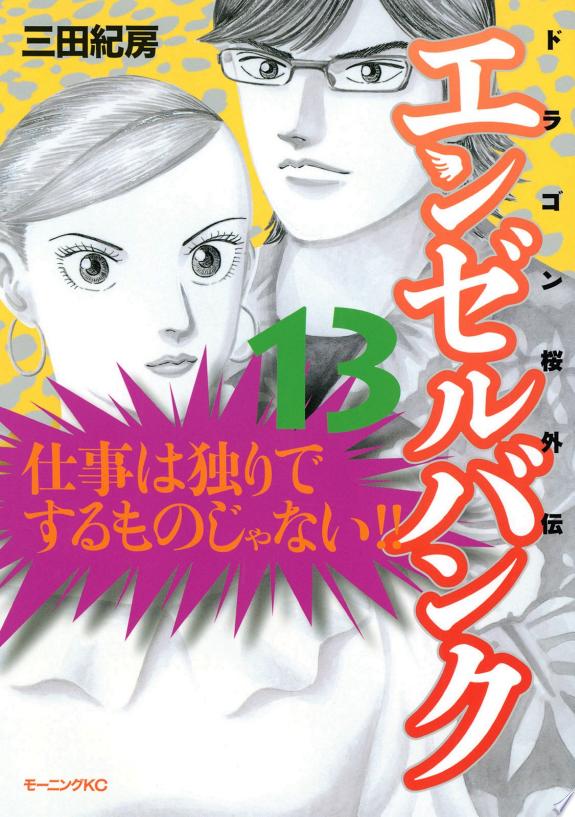
Angel Bank Review: The Dragon Zakura Spin-Off That Asks What Your Job Is Actually For
by Norifusa Mita
Read the first volume. If it doesn't hook you, put it down. It'll hook you.
Buy Angel Bank: Dragon Zakura Gaiden on Amazon →*Affiliate link — I earn a small commission at no extra cost to you.
Norifusa Mita made his name with Dragon Zakura, a manga about getting deadbeat students into Japan's top university that doubled as a brutally practical guide to how the system actually works. Angel Bank turns that same clear-eyed, slightly abrasive social analysis on adult working life — and it's just as useful and just as uncomfortable. It's a drama disguised as a career-advice manual, or maybe the reverse.
I read it at a moment when I was unhappy with my own work, and it asked me harder questions than I wanted.
Quick Take
- A spin-off of Norifusa Mita's Dragon Zakura, applying the same blunt social analysis to careers and job-changing
- A teacher becomes a job-placement agent and learns to ask people what they actually want from work
- Rated T (Teen); complete at 14 volumes, currently unlicensed in English
Who Is This Manga For?
- Working adults who have wondered whether they're in the right place
- Readers of Dragon Zakura who want Mita's analysis applied to adult life
- People contemplating a career change who want a manga with real, specific thinking in it
- Anyone interested in Japanese corporate culture from an insider-critical view
Content Warnings & Age Rating
Age Rating: T (Teen) Content Warnings: Adult workplace situations; frank discussion of career failure and success; some professional confrontation
Appropriate for its rating — primarily adult professional content, no graphic material.
Yu's Rating
| Category | Score |
|---|---|
| Story Depth | ★★★★☆ |
| Art Style | ★★★☆☆ |
| Character Development | ★★★★☆ |
| Accessibility for Non-Japanese Readers | ★★★☆☆ |
| Reread Value | ★★★★☆ |
Story Overview
Mamako Ino is an English teacher at Ryūzan High School — the same school from Dragon Zakura — who, after nine years of teaching, decides she wants to "reset" her life. She crosses paths with Yasuo Ebisawa, a charismatic and unsettlingly perceptive "occupational change agent" (job-placement consultant) with an extraordinary track record. Rather than simply placing her in a new job, Ebisawa ends up hiring Ino as an agent herself, and she begins — alongside her partner Ryōta Taguchi — helping other people change the course of their working lives.
The series is structured around clients. Each arc brings a new person at a career crossroads — the overqualified, the misdirected, the person who has been in the wrong place so long they've forgotten there are other places — and Ebisawa's method is never simply matching skills to openings. It's forcing each person to confront what they actually want from work and what they've been lying to themselves about. His process is abrasive and uncomfortable, and it is usually right. Ino's own transition runs through the whole series as the throughline, as she learns the trade and, in the process, the harder lessons it teaches about ambition, compromise, and what a working life is for.
Characters
Yasuo Ebisawa — The charismatic occupational-change agent and the series' Dragon Zakura-style teacher-figure: abrasive, knowledgeable, and correct when it counts. He delivers his uncomfortable truths without softening them, identifying exactly what people are avoiding thinking about. He's not always likable, but he's not wrong.
Mamako Ino — The former teacher who becomes an agent, serving partly as the reader's surrogate. Her own career reset and her honest discomfort with Ebisawa's methods ground the series; she's going through a process most adult readers will recognize.
Ryōta Taguchi — Ino's work partner, whose collaboration rounds out the agency and provides a steadier counterpoint to Ebisawa's provocations.
The clients — Each arc's client is a portrait of a specific working-life predicament, and the quality of the series lives in how specifically and sympathetically these one-arc lives are drawn.
What I Love About It
Ebisawa's central argument cut me to the bone: most people don't change jobs, they change companies — and that's not the same thing, and it usually doesn't fix the actual problem. The series makes a careful, persistent distinction between the specific workplace you're in, the kind of work you actually do, and the largest question of what work is for in your life. Most dissatisfied people only ever change the first. Angel Bank keeps pushing toward the third, and it does so with conviction and specificity that manga almost never attempts. It's genuinely useful, which is a strange and welcome thing for a comic to be.
Memorable Scene ⚠️ Spoiler Warning
An arc where Ebisawa evaluates a client who is asking the wrong question — a man who insists he wants a specific job at a specific prestigious company, when what he actually wants is the status that job would confer — and methodically forces him to articulate his real desire, which turns out to be something different, smaller, and more honest than either of them expected. There's no single dramatic climax; the series' power is in this repeated act of someone being made to see their own situation clearly. That moment of an evasion collapsing into an honest answer is Angel Bank's whole project in miniature.
Pros & Cons
Pros
- Genuinely useful, specific social analysis of careers and work
- Ebisawa is a strong entry in Mita's line of abrasive teacher-figures
- Complete at 14 volumes
- Works as a standalone even if you haven't read Dragon Zakura
Cons
- Currently unlicensed in English — a real barrier
- Functional rather than beautiful art; this is a talk-heavy series
- The Japanese career-culture specifics reduce some accessibility, and some advice reads as dated
Is Angel Bank Worth Reading?
For readers who liked Dragon Zakura, or who want a manga that thinks hard and honestly about work, yes — it's substantive and genuinely thought-provoking. The barrier is availability; until it's licensed, English readers will need the Japanese editions.
Where to Buy
There's no licensed English edition yet — the Japanese release is the only legitimate way to read it.
This post contains affiliate links. If you purchase through these links, I may earn a small commission at no extra cost to you. As an Amazon Associate, I earn from qualifying purchases.
*Affiliate link — I earn a small commission at no extra cost to you.
More Manga You Might Like

Slice of Life / Drama
Tokujou Kabachi!!
Tokujou Kabachi!! follows Daisuke Kanie, a paralegal at an administrative scrivener's office, as he takes on bureaucratic injustice and legal gray areas armed only with his knowledge of Japanese administrative law — and a willingness to argue until someone listens.
Slice of Life / Drama
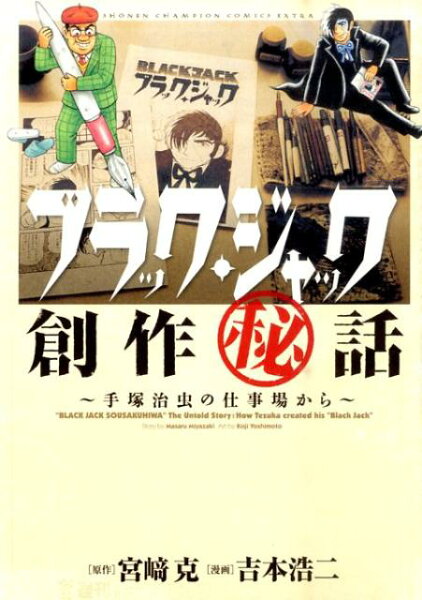
Black Jack Sousaku Hiwa
Black Jack Sousaku Hiwa is a documentary manga about how Osamu Tezuka created Black Jack — told through the editors and assistants who worked beside him, capturing both the genius and the human cost of his impossible work ethic.
Slice of Life / Comedy
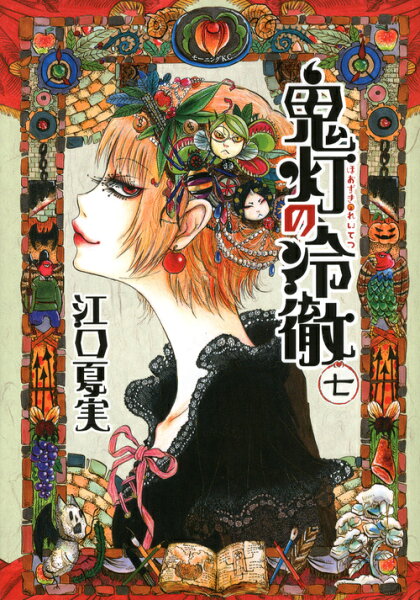
Hozuki's Coolheadedness
Hozuki is the deadpan, sadistic chief aide to King Enma of the Japanese Hell — and the only person keeping the afterlife's enormous bureaucracy from collapsing. This is his workplace comedy.

Slice of Life / Romance
Suppli
A review of Suppli — Mari Okazaki's josei manga about a 25-year-old woman working in advertising who navigates career ambition, complicated relationships, and the specific exhaustion of trying to have both a professional identity and a personal life.

Slice of Life / Drama
Bartender
Bartender follows Ryu Sasakura, a young genius bartender who serves the 'Glass of the Gods' at a hidden Ginza bar — the one drink each troubled customer needs at that exact moment in their life.

Slice of Life / Comedy
Police in a Pod
Police in a Pod follows Seiko Kawai, a burned-out policewoman who is about to quit, and her new superior Fuji — a former elite officer with her own complicated reasons for being at a small police box — as they navigate the absurd and occasionally moving realities of police work.
Written by
Yu
Manga Enthusiast from Japan
I grew up in Japan and manga literally saved me during a tough time in elementary school. My English isn't perfect, but my love for manga is real — and I want to share it with you.
Disclosure: This post contains affiliate links. As an Amazon Associate, I earn from qualifying purchases at no extra cost to you.