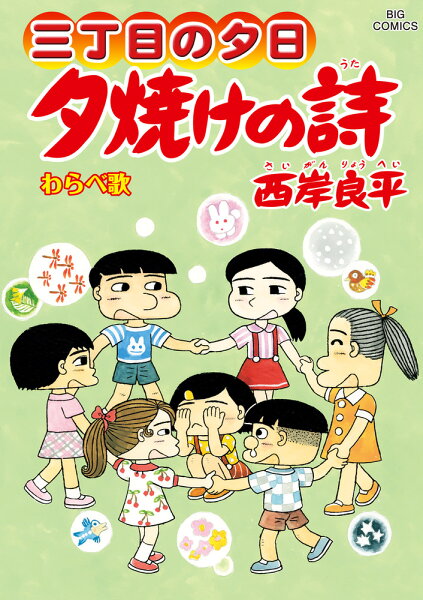
Always Sunset on Third Street Review: The Manga That Made Japan Nostalgic for Its Own Past
by Ryohei Saigan
Read the first volume. If it doesn't hook you, put it down. It'll hook you.
Buy Always Sunset on Third Street on Amazon →*Affiliate link — I earn a small commission at no extra cost to you.
There's a specific kind of homesickness for a time you never lived through, and Always Sunset on Third Street is built entirely out of it. It's a quiet, decades-long anthology about ordinary people in a Tokyo neighborhood during Japan's postwar climb, and it convinced an entire country to feel tender about a poverty most of them never experienced. That's a remarkable thing for a manga to do.
I came to it through the famous film adaptations and found the manga even gentler.
Quick Take
- The manga that defined postwar nostalgic fiction for a generation of Japanese readers
- Not a single narrative but an anthology of small human moments in one place and time
- Rated T (Teen); long-running and currently unlicensed in English (the source for a beloved film series)
Who Is This Manga For?
- Readers interested in postwar Japan rendered with intimate, everyday detail
- Anthology fans who prefer standalone stories to long continuous arcs
- Anyone curious about shitamachi (downtown) working-class life
- Viewers of the Always: Sunset on Third Street films who want the source
Content Warnings & Age Rating
Age Rating: T (Teen) Content Warnings: Postwar poverty and social conditions; mild adult themes consistent with its era; themes of loss and change
Warm-hearted overall, even when depicting hardship.
Yu's Rating
| Category | Score |
|---|---|
| Story Depth | ★★★★☆ |
| Art Style | ★★★★☆ |
| Character Development | ★★★★☆ |
| Accessibility for Non-Japanese Readers | ★★★☆☆ |
| Reread Value | ★★★★☆ |
Story Overview
Third Street is a fictional shitamachi (working-class downtown) neighborhood in Tokyo, set somewhere between the late 1950s and early 1960s. The manga has recurring characters — a local mechanic and his family, a struggling writer, the various shopkeepers and residents who occupy the block — but it functions as an anthology rather than a continuous narrative. Each chapter is a story complete in itself.
The stories are small. A child's misunderstanding. A couple's argument that quietly reveals something true. A small act of generosity between neighbors who pretend they barely know each other. The arrival of a television set on the street as a neighborhood event. The ambitions of people who left the countryside for Tokyo chasing something they couldn't quite name. Ryohei Saigan draws these across an enormous, decades-spanning run that collectively forms a portrait of Japan at the exact moment it was transforming into the economic power it would become. The Third Street of the manga lives in the brief window between postwar deprivation and the prosperity that would soon make that poverty hard to imagine — and the whole work is suffused with affection for that vanishing moment.
Characters
The neighborhood mechanic — Practical, short-tempered, and fundamentally decent, his auto-repair shop and the family living above it serve as one of the series' recurring anchors. He's the kind of gruff, reliable presence every such neighborhood has.
The aspiring writer — A recurring figure whose literary ambitions and limited means are a source of both comedy and genuine melancholy. Having come to Third Street from elsewhere, he sees the place slightly from the outside, which is how he sees it so clearly.
Third Street itself — The neighborhood functions as the real protagonist: a specific place made intelligible through the accumulation of small stories about the people who live there.
What I Love About It
It treats small lives as sufficient. Nobody on Third Street saves the world or transcends their circumstances in some dramatic arc. The mechanic stays a mechanic. The neighborhood stays a neighborhood. And yet each story insists that this scale contains everything that matters — the fight resolved over a shared meal, the kindness that costs someone more than they can easily afford and is given anyway, the moments when people genuinely see each other instead of just sharing space. That insistence — that an ordinary life is a complete life — is exactly what I love most about this kind of manga, and Saigan sustains it for decades without it ever curdling into sentimentality.
Memorable Scene ⚠️ Spoiler Warning
A chapter where one of Third Street's children — too young to understand it — witnesses a moment of adult grief that the grown-ups around her are quietly managing without explaining, and her confusion becomes the reader's window into both what's happening and what cannot be said about it. There's no continuous plot to spoil; the defining experience is this recurring delicacy, the way Saigan repeatedly handles the gap between what children see and what adults feel. It's the series in miniature: enormous emotion held inside the smallest, most ordinary frame.
Pros & Cons
Pros
- A definitive, deeply felt nostalgic portrait of postwar Japan
- Anthology format means any chapter reads standalone
- Remarkable warmth without slipping into sentimentality
- Connected to a beloved, award-winning film series for a visual entry point
Cons
- Currently unlicensed in English — a hard barrier for most readers
- An enormous, long-running series — a large commitment even as an anthology
- The postwar-Japanese specificity is less immediately accessible to outside readers
- No continuous story arc, which won't satisfy readers wanting one
Is Always Sunset on Third Street Worth Reading?
For readers fascinated by postwar Japan, or fans of the films seeking the source, yes — it's a warm, irreplaceable portrait of a vanished moment. The obstacles are purely practical: it's untranslated and vast. If you read Japanese, it's a quiet treasure.
Where to Buy
There's no licensed English edition yet — the Japanese release is the only legitimate way to read it.
This post contains affiliate links. If you purchase through these links, I may earn a small commission at no extra cost to you. As an Amazon Associate, I earn from qualifying purchases.
*Affiliate link — I earn a small commission at no extra cost to you.
More Manga You Might Like
Drama / Slice-of-Life
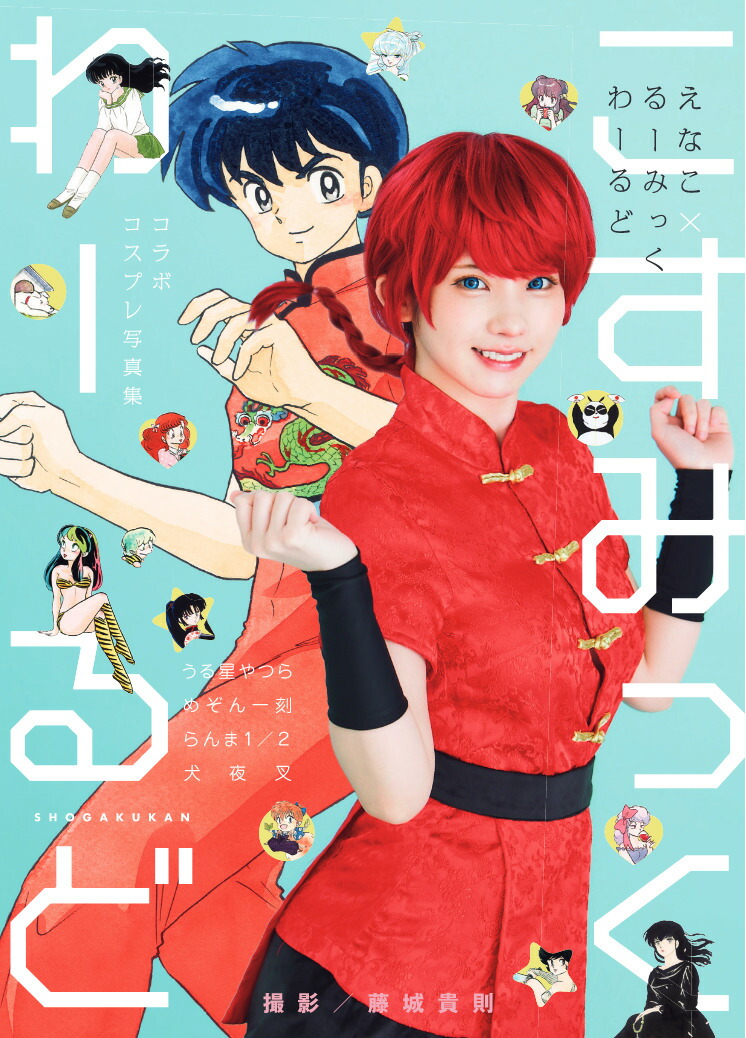
Rumic World
Takahashi's early short stories collected — from comedy to horror to domestic drama.
Slice of Life / Drama
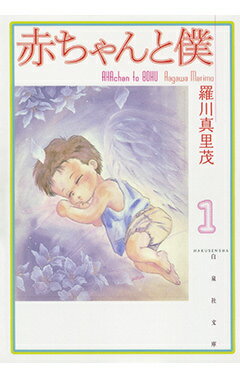
Baby and Me
Baby and Me follows Takuya Enoki, a grade-schooler who becomes a mother and a brother at the same time, raising his toddler brother Minoru after their mother dies and their father works to keep the family going.
Slice of Life / Historical Drama
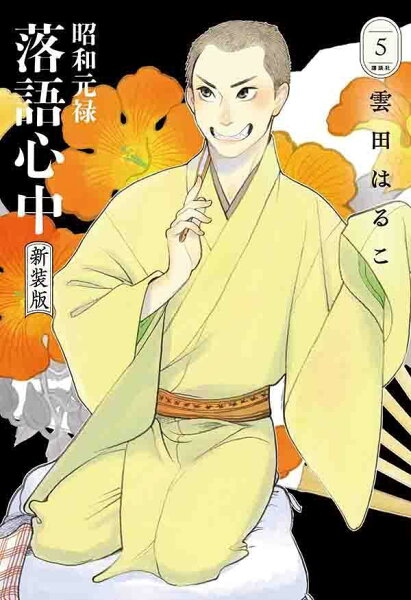
Shouwa Genroku Rakugo Shinjuu
Shouwa Genroku Rakugo Shinjuu follows the world of rakugo — traditional Japanese comic storytelling — through two performers across two generations: the transcendent and self-destructive Yakumo, and the student Yotaro who inherits what Yakumo cannot save.
Slice of Life / Drama
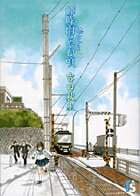
Umimachi Diary
Umimachi Diary follows three adult sisters in Kamakura who invite their half-sister — whom they barely know — to live with them after their estranged father's death, and the slow process of becoming a family.
Slice of Life / Drama
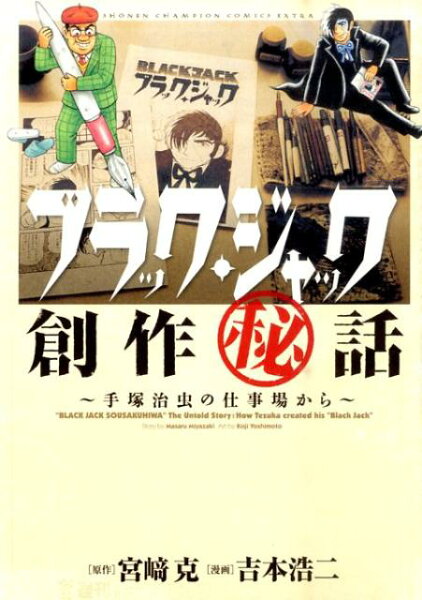
Black Jack Sousaku Hiwa
Black Jack Sousaku Hiwa is a documentary manga about how Osamu Tezuka created Black Jack — told through the editors and assistants who worked beside him, capturing both the genius and the human cost of his impossible work ethic.
Slice of Life / Drama
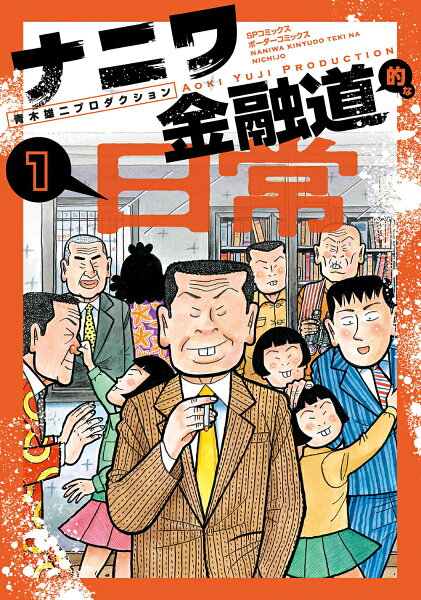
Naniwa Kinyuudo
Naniwa Kinyuudo follows new employee Ginji Mita at a small-loan finance company in Osaka — a manga that uses the world of moneylending and debt collection to create one of manga's most honest portraits of Japanese economic life.
Written by
Yu
Manga Enthusiast from Japan
I grew up in Japan and manga literally saved me during a tough time in elementary school. My English isn't perfect, but my love for manga is real — and I want to share it with you.
Disclosure: This post contains affiliate links. As an Amazon Associate, I earn from qualifying purchases at no extra cost to you.