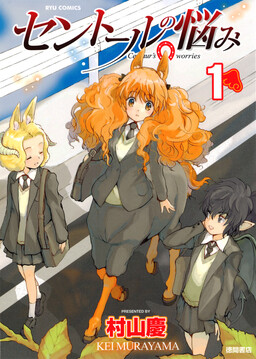
A Centaur's Life Review: Cute-Girl School Comedy Hiding a Disturbingly Detailed Alternate World
by Kei Murayama
Read the first volume. If it doesn't hook you, put it down. It'll hook you.
Buy A Centaur's Life on Amazon →*Affiliate link — I earn a small commission at no extra cost to you.
A Centaur's Life looks, at a glance, like another cute-girls-doing-cute-things school comedy — and it mostly is. But every so often the author drops a footnote, a side chapter, or a casual classroom lesson that reveals an alternate world far more detailed and far darker than the slice-of-life surface suggests. That tension is what makes it stick in my memory.
It's a comfort manga with an unexpectedly deep, occasionally disquieting basement.
Quick Take
- A gentle school slice-of-life starring a centaur girl and friends from many sentient species
- Underneath the cozy surface is an elaborate, surprisingly dark alternate-history world the author clearly loves building
- Rated T (Teen); ongoing, published in English by Seven Seas
Who Is This Manga For?
- Fans of monster-girl slice-of-life like Monster Musume (but far gentler) or Interviews with Monster Girls
- Readers who love dense, imaginative worldbuilding lurking under a light story
- Anyone who enjoys cozy school comedy with an edge of strangeness
- People who like speculative "what if evolution went differently" thought experiments
Content Warnings & Age Rating
Age Rating: T (Teen) Content Warnings: Surprisingly dark worldbuilding undertones (authoritarian history, discrimination, body-horror-adjacent biology lessons); allegories about racism and persecution; mild fan service
The slice-of-life surface is gentle, but the worldbuilding asides get unexpectedly heavy. T rating fits the contrast.
Yu's Rating
| Category | Score |
|---|---|
| Story Depth | ★★★☆☆ |
| Art Style | ★★★★☆ |
| Character Development | ★★★☆☆ |
| Accessibility for Non-Japanese Readers | ★★★★☆ |
| Reread Value | ★★★☆☆ |
Story Overview
In this world, humanity as we know it never existed. Instead, civilization evolved from a range of sentient species descended from different animals — centaurs, satyr-like goat people, winged angel-folk, serpentine snake people, and more. The series follows Himeno (Hime) Kimihara, a shy, sweet-natured centaur high schooler, and her close friends Nozomi (a dragon-winged "draconid") and Kyoko (a horned goatfolk girl), through ordinary school life: clubs, tests, festivals, crushes, family.
On the surface it's pure gentle comedy and friendship. But author Kei Murayama uses classroom scenes, side chapters, and detailed margin notes to flesh out the world with obsessive care — the biology of each species (including the awkward realities of centaur anatomy), the planet's geography, and crucially its history, which is far grimmer than the cheerful present. This world's path to its current egalitarian society ran through brutal persecution and authoritarian control, and the manga periodically pulls back the cozy curtain to show that darkness, including pointed allegories about racism and the cost of enforced "equality." The two registers — adorable school life and unsettling speculative history — coexist throughout, and the contrast is the series' real identity.
Characters
Himeno "Hime" Kimihara — The centaur protagonist: gentle, anxious, easily embarrassed, and deeply kind. Her self-consciousness (about her size, her tail, the realities of being a centaur in a human-shaped world) grounds the comedy in genuine relatability.
Nozomi Gokuraku — Hime's boisterous, confident dragon-winged ("draconid") friend, who provides energy and bluntness to balance Hime's shyness.
Kyoko Naraku — A horned goatfolk (satyr-type) classmate, level-headed and observant, rounding out the central trio's dynamic.
The wider cast — Classmates, family, and figures from other species who let Murayama explore his world's social structure and history, often carrying the manga's heavier thematic asides.
What I Love About It
The worldbuilding obsession. Most cute-girl slice-of-life uses its setting as wallpaper; A Centaur's Life treats its alternate world as the real project and the school comedy as the friendly entry point. The margin notes and side chapters about evolutionary biology, geopolitics, and a dark authoritarian history are wildly out of proportion to a gentle club comedy — and that disproportion is exactly what I love. It rewards the kind of reader who wants to know how the world actually works, and it's willing to be genuinely unsettling in service of that curiosity.
Memorable Scene ⚠️ Spoiler Warning
The recurring tonal whiplash where a perfectly cozy school chapter is followed by a worldbuilding aside revealing the genuinely dark history of this society — the persecution, the authoritarian "equality" enforced through fear, the brutality that the cheerful present is built on top of. There's no single plot climax, since the manga is episodic, but the defining experience is that jolt: realizing the adorable centaur comedy is sitting on top of a speculative dystopia the author has thought through in disturbing detail. That contrast is the thing you remember long after the gags fade.
Pros & Cons
Pros
- Charming, gentle main cast and cozy school comedy
- Exceptionally deep, imaginative worldbuilding
- A genuinely distinctive tonal contrast you won't find elsewhere
- Thoughtful (if heavy-handed) allegories about equality and discrimination
Cons
- The two tones can clash jarringly rather than blend
- The slice-of-life plot is thin; the appeal is mostly the world
- The dark asides and occasional fan service won't suit everyone — it's a strange mix, by design
Is A Centaur's Life Worth Reading?
Yes, if the premise of "cozy monster-girl school comedy with a secret speculative-dystopia underbelly" intrigues you. As pure slice-of-life it's pleasant but slight; as a worldbuilding curiosity it's genuinely special.
Where to Buy
Read the first volume. If it doesn't hook you, put it down. It'll hook you.
This post contains affiliate links. If you purchase through these links, I may earn a small commission at no extra cost to you. As an Amazon Associate, I earn from qualifying purchases.
*Affiliate link — I earn a small commission at no extra cost to you.
More Manga You Might Like

Slice of Life / Comedy
Keep Your Hands Off Eizouken!
A review of Keep Your Hands Off Eizouken! by Sumito Oowara — three high school girls form an anime-making club, and the manga keeps stepping inside their imaginations to show you what making something actually feels like.

Slice of Life / Comedy
Nichijou: My Ordinary Life
Yu's review of Nichijou — a high school slice-of-life where ordinary situations escalate to catastrophic absurdity, a robot girl tries to hide what she is, and the Professor is an eight-year-old genius who made her.

Slice of Life
The Ryuo's Work Is Never Done!
A review of The Ryuo's Work Is Never Done! — the manga about a teenage shogi champion who ends up coaching a precocious elementary school girl, becoming entangled with a cast of passionate junior players.
Slice of Life / Comedy
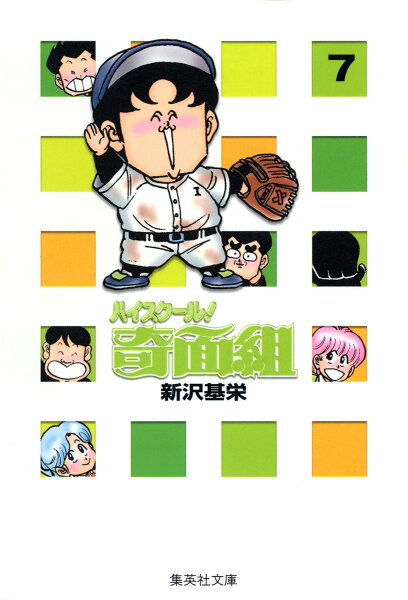
High School! Kimengumi
High School! Kimengumi follows five boys who turn their strange faces into a way of life, building one of the loudest, weirdest gag manga of 1980s Shonen Jump.
Slice of Life / Comedy
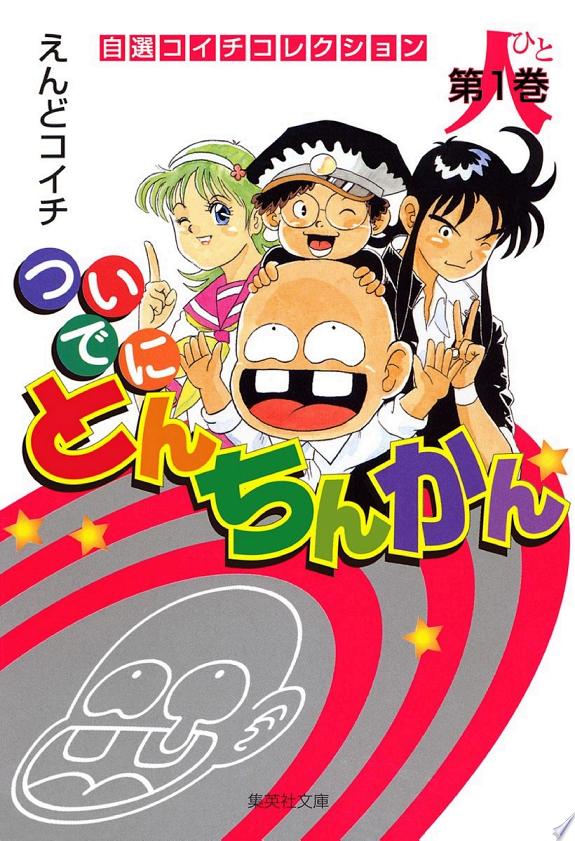
Tondemo-kun
Tondemo-kun follows a trio of delinquent students whose plans to cause trouble consistently backfire in ways that are so spectacularly wrong they accidentally create good outcomes — a comedy built entirely on the gap between intention and result.
Comedy / Slice of Life
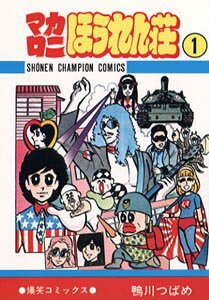
Macaroni Houren-sou
Macaroni Houren-sou follows three high school students living together in a boarding house — Toshio Shingami, the energetic straight man; Kinoshita, the eccentric wildcard; and Trapp, the cool foreigner — in a surreal comedy that uses the school-life setting as a launching pad for increasingly unhinged humor.
Written by
Yu
Manga Enthusiast from Japan
I grew up in Japan and manga literally saved me during a tough time in elementary school. My English isn't perfect, but my love for manga is real — and I want to share it with you.
Disclosure: This post contains affiliate links. As an Amazon Associate, I earn from qualifying purchases at no extra cost to you.