
March Comes in Like a Lion Review: A Lonely Teenage Shogi Pro and the Three Sisters Who Feed Him Back to Life
by Chica Umino
Read the first volume. If it doesn't hook you, put it down. It'll hook you.
Buy March Comes in Like a Lion on Amazon →*Affiliate link — I earn a small commission at no extra cost to you.
I have rarely seen a manga depict depression as accurately as March Comes in Like a Lion. Not the cinematic version — the real one, where the hardest thing in the day is eating a meal, and where someone setting an extra bowl out for you can feel like being thrown a rope. Rei Kiriyama is a teenager who is very good at one thing and barely surviving everything else, and watching three sisters quietly feed him back into the world undid me.
This is one of the best manga I have ever read, full stop.
Quick Take
- A professional shogi player at 17, isolated and depressed, is slowly drawn back to life by a warm family of three sisters
- Chica Umino (Honey and Clover) renders depression, grief, and recovery with extraordinary honesty and tenderness
- Rated T (Teen); ongoing, with the English edition published in 2-in-1 omnibus volumes by Denpa
Who Is This Manga For?
- Readers who want emotionally profound, character-driven drama
- Anyone who has struggled with depression, isolation, or finding a place to belong
- Fans of found-family stories and quiet, beautiful art
- People who appreciate a story that earns its warmth through real darkness — no shogi knowledge required
Content Warnings & Age Rating
Age Rating: T (Teen) Content Warnings: Depression and isolation (central and depicted with unflinching honesty); grief and family loss; bullying (a major, harrowing arc involving Hinata); emotional trauma
The T rating fits, but the emotional content is heavy. The bullying arc in particular is intense.
Story Overview
Rei Kiriyama is seventeen and a professional shogi player — a rare prodigy who turned pro young. He is also profoundly alone. Orphaned in a car accident as a child, he was taken in by a family friend largely because of his shogi talent, a situation that fractured that family and left Rei carrying guilt and a deep sense that he doesn't belong anywhere. He lives by himself, eats badly, and moves through life in a fog of quiet despair.
His life begins to change when he's drawn into the orbit of the three Kawamoto sisters — eldest Akari, middle-schooler Hinata, and little Momo — who live in a warm, slightly chaotic house by the river with their grandfather, running the family's traditional sweets shop. The sisters, who have endured their own losses (their mother and grandmother have died, their father abandoned them), simply start feeding Rei and folding him into their lives. The series braids two worlds: the cold, high-pressure professional shogi circuit, where Rei battles rivals and his own self-worth, and the Kawamoto household, where he slowly relearns how to be a person. There's no single plot engine — it's the long, patient arc of one young man becoming able to live, punctuated by Hinata's devastating bullying arc, which forces Rei to find something to fight for outside himself.
Characters
Rei Kiriyama — One of manga's most honest portraits of depression. His isolation isn't aesthetic; it's the grinding, exhausting kind, and his recovery is measured in tiny, hard-won steps. His talent at shogi coexists with a near-total inability to value himself, and watching those two things slowly come into balance is the series' spine.
Akari Kawamoto — The eldest sister, who holds the household together with a maternal warmth that costs her more than she shows. Her instinct to feed and care for Rei is the first thread that pulls him back, and she has her own quiet burdens beneath the nurturing.
Hinata Kawamoto — The middle sister, whose fierce kindness and the brutal school-bullying arc she endures become the moral center of the series. Her courage gives Rei something to protect, and her arc is among the most powerful depictions of bullying in manga.
Momo Kawamoto — The youngest, a small child whose unguarded affection provides the household's lightness and some of its most healing moments.
What I Love About It
It understands that recovery isn't a triumphant arc — it's a slow, non-linear thing made of small mercies, mostly delivered by other people. Umino never has Rei "get better" in a clean way. Instead she shows the specific things that help: a hot meal made by someone who wanted you there, a reason to leave the house, a person whose suffering matters enough to pull you out of your own. The Kawamoto house is rendered with such warmth that you can practically feel the steam off the food, and that warmth is set against Rei's genuine darkness so that neither feels cheap. It's a manga that argues, gently and persuasively, that people save each other in ordinary ways.
Memorable Scene ⚠️ Spoiler Warning
Hinata's bullying arc. When Hinata stands up for a friend being bullied at school and becomes the target herself — enduring sustained cruelty with a courage that costs her enormously — the series shifts into its most powerful register. For Rei, who has spent the whole story unable to fight for himself, watching Hinata suffer for doing the right thing gives him the first cause he's willing to fully commit to: he resolves to win at shogi not for himself but to support and protect this family that took him in. It's the moment his recovery stops being about merely surviving and becomes about having something to live for, and Umino earns every bit of it.
Pros & Cons
Pros
- A profound, deeply honest portrayal of depression and recovery
- A genuinely heartwarming found-family at its core
- Beautiful, expressive art and exceptional emotional intelligence
- Compelling even with zero prior interest in shogi
Cons
- Slow, contemplative pacing
- Emotionally heavy — the depression and bullying content can be hard to sit with
- Ongoing, so the story isn't yet complete — patience required
Is March Comes in Like a Lion Worth Reading?
Without reservation, yes. It's one of the finest character dramas in manga — honest about darkness, generous about healing, and beautiful throughout. If you've ever needed someone to set out an extra bowl for you, it will land hard.
Where to Buy
Read the first volume. If it doesn't hook you, put it down. It'll hook you.
This post contains affiliate links. If you purchase through these links, I may earn a small commission at no extra cost to you. As an Amazon Associate, I earn from qualifying purchases.
*Affiliate link — I earn a small commission at no extra cost to you.
More Manga You Might Like
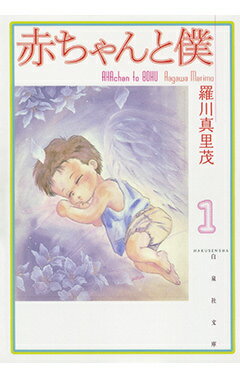
Slice of Life / Drama
Baby and Me
Baby and Me follows Takuya Enoki, a grade-schooler who becomes a mother and a brother at the same time, raising his toddler brother Minoru after their mother dies and their father works to keep the family going.
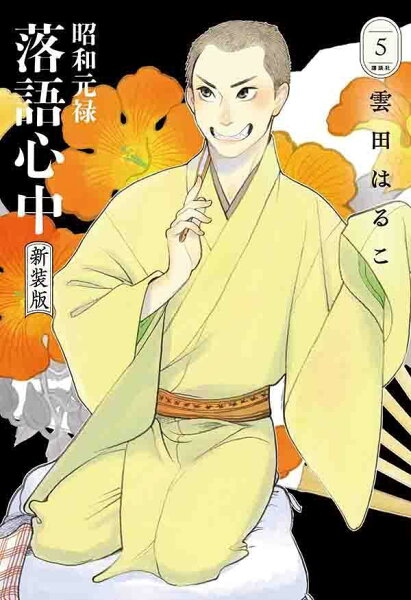
Slice of Life / Historical Drama
Shouwa Genroku Rakugo Shinjuu
Shouwa Genroku Rakugo Shinjuu follows the world of rakugo — traditional Japanese comic storytelling — through two performers across two generations: the transcendent and self-destructive Yakumo, and the student Yotaro who inherits what Yakumo cannot save.
Slice of Life / Drama
Umimachi Diary
Umimachi Diary follows three adult sisters in Kamakura who invite their half-sister — whom they barely know — to live with them after their estranged father's death, and the slow process of becoming a family.
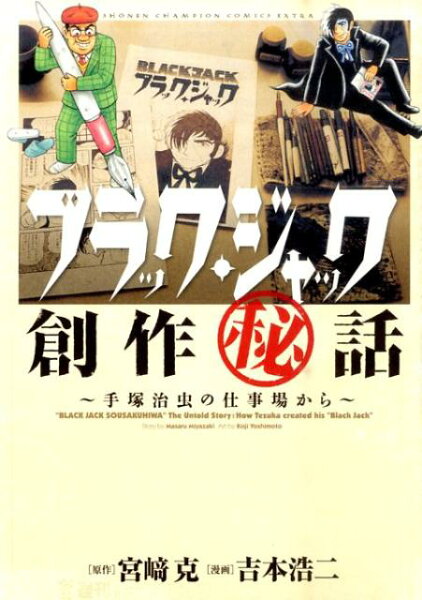
Slice of Life / Drama
Black Jack Sousaku Hiwa
Black Jack Sousaku Hiwa is a documentary manga about how Osamu Tezuka created Black Jack — told through the editors and assistants who worked beside him, capturing both the genius and the human cost of his impossible work ethic.
Slice of Life / Drama
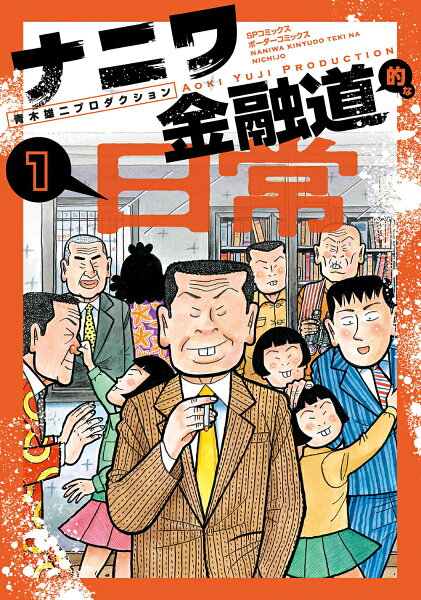
Naniwa Kinyuudo
Naniwa Kinyuudo follows new employee Ginji Mita at a small-loan finance company in Osaka — a manga that uses the world of moneylending and debt collection to create one of manga's most honest portraits of Japanese economic life.
Slice of Life / Drama
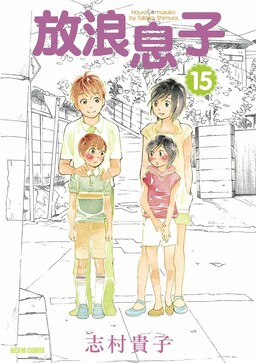
Wandering Son
Yu's review of Wandering Son — Shuichi Nitori is a boy who wants to be a girl; his new friend Yoshino Takatsuki is a girl who wants to be a boy; the manga follows both of them from elementary school through adolescence as they navigate gender identity, friendship, and growing up; a gentle, serious work about transgender experience.
Written by
Yu
Manga Enthusiast from Japan
I grew up in Japan and manga literally saved me during a tough time in elementary school. My English isn't perfect, but my love for manga is real — and I want to share it with you.
Disclosure: This post contains affiliate links. As an Amazon Associate, I earn from qualifying purchases at no extra cost to you.