
Magical Girl Spec-Ops Asuka Review: The War Is Over — But the Magical Girls Who Fought It Are Not Okay
by Makoto Fukami / Seigo Tokiya
Read the first volume. If it doesn't hook you, put it down. It'll hook you.
Buy Magical Girl Spec-Ops Asuka on Amazon →*Affiliate link — I earn a small commission at no extra cost to you.
Quick Take
- The magical girl deconstruction that takes military trauma seriously — Asuka's PTSD is depicted with genuine psychological weight rather than as character flavor
- The series doesn't pretend that being a child soldier who saved the world leaves you fine
- 14 volumes complete; for readers who want dark magical girl content with genuine consequence
Who Is This Manga For?
- Readers who want magical girl deconstruction that focuses on aftermath rather than battle
- Anyone interested in manga that treats PTSD and combat trauma with seriousness
- Fans of dark military action in magical girl format
- Readers who can engage with M-rated content that is genuinely dark throughout
Content Warnings & Age Rating
Age Rating: M (Mature) Content Warnings: PTSD and psychological trauma are central; graphic violence including torture sequences; the series depicts what combat does to people rather than romanticizing it; mature throughout
The M rating is accurate. This is among the darker magical girl manga available.
Yu's Rating
| Category | Score |
|---|---|
| Story Depth | ★★★★☆ |
| Art Style | ★★★★☆ |
| Character Development | ★★★★☆ |
| Accessibility for Non-Japanese Readers | ★★★★☆ |
| Reread Value | ★★★★☆ |
Story Overview
Three years ago, the Disas — magical creatures — invaded Earth. Magical girls, recruited from across the world and armed with magical weapons, fought the war. They won. Asuka Otori, one of the five surviving Magical Five who ended the war, is now trying to go to high school.
She cannot sleep. She has flashbacks. She can't connect to the normal social world around her because she spent her formative years in combat.
When a new magical threat emerges — and when her new friends are endangered by her past following her — she has to decide whether to take up her magical spec-ops role again. The series follows her decision, its consequences, and the ongoing work of the surviving magical girls in a world that has moved past its war but hasn't acknowledged what it cost the people who fought it.
Characters
Asuka Otori — Her specific PTSD manifestations — hypervigilance, emotional disconnection, the inability to feel normal around people who don't understand what combat is — are depicted with genuine care. Her motivation to protect her new friends is real; her awareness that going back into combat may destroy what's left of her is also real.
The other Magical Five — Each surviving magical girl has a different relationship to the aftermath, and the series uses this to show that trauma doesn't have one face.
Art Style
Tokiya's art handles the tonal split between Asuka's high school daily life and the combat sequences with visual distinction — the school scenes are warmer and softer, the combat sequences are harder-edged and darker. The character designs clearly distinguish the daily-life and battle-mode versions of the characters.
Cultural Context
Magical Girl Spec-Ops Asuka ran in Monthly Big Gangan and emerged from the tradition of magical girl deconstruction that Puella Magi Madoka Magica popularized. Its specific contribution is the military trauma focus — treating the magical girl combat as literal warfare with literal psychological consequences rather than adventure.
What I Love About It
The specific details of Asuka's PTSD. The series has clearly done research on how combat trauma manifests — the specific triggers, the specific disconnection from normal social interaction, the specific ways that relationships become difficult. This specificity is what separates it from dark content that treats PTSD as aesthetic.
What English-Speaking Fans Say
Western readers who engage with dark magical girl content consistently place Spec-Ops Asuka as the most militarily serious treatment — the combination of genuine tactical combat and genuine psychological aftermath is unusual in the subgenre. Readers with personal experience of PTSD or military families have cited the depiction as more accurate than most manga's treatment of the subject.
Memorable Scene ⚠️ Spoiler Warning
The sequence where Asuka processes — in specific, private detail — what she did during the war and what she would do again, and the gap between those two answers, is the series' most honest moment about what it means to be good at terrible things.
Similar Manga
- Magical Girl Raising Project — Dark magical girl with survival themes, different focus
- Puella Magi Madoka Magica — Originating deconstruction in this tradition
- Black Lagoon — Combat trauma and moral complexity in action setting
- Gunslinger Girl — Child soldiers and psychological aftermath
Reading Order / Where to Start
Volume 1 — the post-war setting and Asuka's current life establish the premise and the psychological foundation.
Official English Translation Status
Seven Seas Entertainment published the complete 14-volume run. All volumes available.
Pros & Cons
Pros
- The PTSD depiction is genuinely researched and specific
- The military action sequences are competently drawn
- Complete with a full resolution
- Takes its subject matter seriously throughout
Cons
- The M rating is accurate and the graphic content is serious
- Some torture sequences are among the manga's darkest content
- Readers wanting the lighter register of classic magical girl will find the opposite
Format Comparison
| Format | Notes |
|---|---|
| Individual Volumes | Seven Seas Entertainment; standard |
| Digital | Available |
Where to Buy
Read the first volume. If it doesn't hook you, put it down. It'll hook you.
This post contains affiliate links. If you purchase through these links, I may earn a small commission at no extra cost to you. As an Amazon Associate, I earn from qualifying purchases.
*Affiliate link — I earn a small commission at no extra cost to you.
More Manga You Might Like
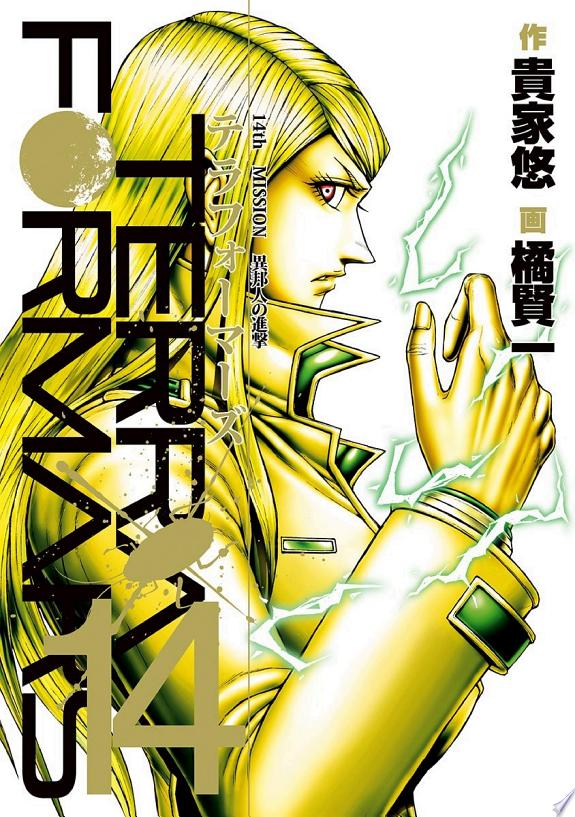
Sci-Fi / Action
Terra Formars
Yu's review of Terra Formars — humanity seeded Mars with cockroaches to begin terraforming; centuries later, the cockroaches have evolved into humanoid giants with extreme strength, and human soldiers with insect-based genetic modifications are sent to exterminate them.
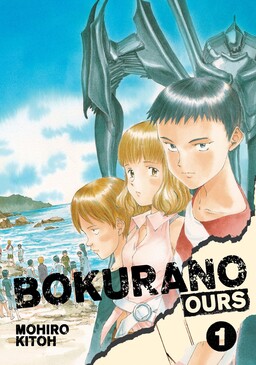
Sci-Fi / Drama
Bokurano
Yu's review of Bokurano by Mohiro Kitoh — fifteen children sign a contract to pilot a giant robot called Zearth, only to learn each victory costs the pilot's life, and that every battle won erases another Earth.
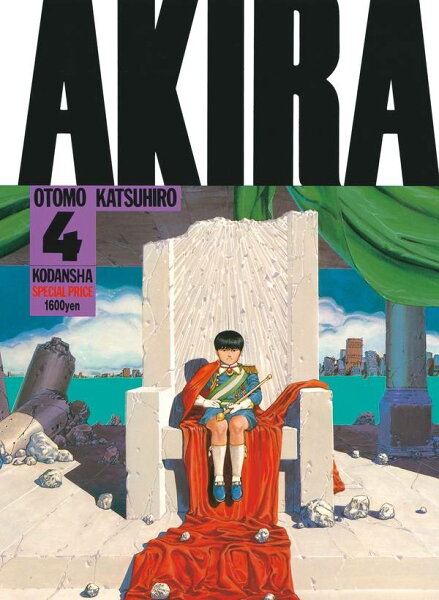
Sci-Fi / Action
Akira
Yu's review of Akira — Katsuhiro Otomo's six-volume monster, serialized 1982–1990. Set in 2019 Neo-Tokyo, a teenage biker tries to save the best friend who suddenly has the power to end the world. The manga that dragged Japanese comics onto the world stage.
Sci-Fi / Action
Area 88
Yu's review of Area 88 — Shin Kazama, a Japanese airline trainee, is drugged and tricked by his best friend into signing a three-year mercenary contract with the air force of a fictional desert kingdom. Trapped at Area 88, he can only buy his freedom by killing — earning $1.5 million in combat bonuses. Kaoru Shintani's 1979 aviation classic about a good man becoming an ace he never wanted to be.

Sci-Fi / Action
All You Need Is Kill
Yu's review of All You Need Is Kill — Takeshi Obata's manga adaptation of Hiroshi Sakurazaka's time-loop war novel. A rookie soldier dies fighting alien Mimics, wakes at the start of the same day, and loops 160 times into a killing machine. VIZ published it as a single omnibus.
Sci-Fi / Horror
Alien Nine
Yu's review of Alien Nine — Yuri Otani, a frightened sixth-grader, is elected to her school's Alien Party and forced to fight the aliens that fall on the school grounds while wearing a symbiotic creature called a Borg on her head. Drawn in a soft, cute style that makes the body horror underneath it so much worse.
Written by
Yu
Manga Enthusiast from Japan
I grew up in Japan and manga literally saved me during a tough time in elementary school. My English isn't perfect, but my love for manga is real — and I want to share it with you.
Disclosure: This post contains affiliate links. As an Amazon Associate, I earn from qualifying purchases at no extra cost to you.