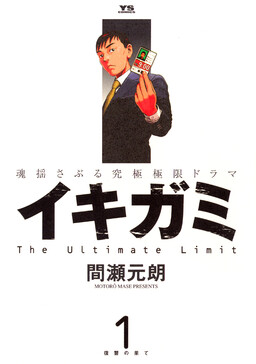
Ikigami Review: The Government Sends You a Notice — You Have 24 Hours to Live
by Motoro Mase
Read the first volume. If it doesn't hook you, put it down. It'll hook you.
Buy Ikigami: The Ultimate Limit on Amazon →*Affiliate link — I earn a small commission at no extra cost to you.
Quick Take
- The dystopia manga with the most direct premise: the government kills random citizens to make everyone else value life; each chapter follows what one person does with their final 24 hours
- An anthology structure that allows Mase to examine a different human situation in each story — grief, regret, love, injustice, purpose — through the extreme clarity of a deadline
- 10 volumes complete; morally serious science fiction that asks whether compliance makes you complicit
Who Is This Manga For?
- Readers who want science fiction manga that uses its premise to examine human behavior under extreme conditions
- Anyone who can engage with death as a central subject rather than avoiding it
- Fans of anthology-format manga with a connecting frame narrative
- Readers who want completed dystopian science fiction with moral complexity
Content Warnings & Age Rating
Age Rating: M (Mature) Content Warnings: Death is the series' central subject; multiple deaths depicted across the anthology stories; suicide in some chapters; the systemic injustice of the ikigami system is depicted without resolution; the frame narrative involves a character processing moral complicity
The M rating is accurate. The content is serious and not appropriate for younger readers.
Yu's Rating
| Category | Score |
|---|---|
| Story Depth | ★★★★★ |
| Art Style | ★★★★☆ |
| Character Development | ★★★★☆ |
| Accessibility for Non-Japanese Readers | ★★★★☆ |
| Reread Value | ★★★★☆ |
Story Overview
Japan has passed the National Welfare Act. When citizens are six years old, they are injected with a nanomachine capsule. The capsule has a one-in-a-thousand chance of being activated at a random point between age eighteen and fifty. If activated, it causes fatal cardiac arrest. The person who receives the activated capsule gets 24 hours' notice — an ikigami, a death notice — delivered by a government official.
The purpose: to make citizens value the lives they have by making them aware that any life could end at any time. The system is justified by statistics showing increased national productivity, social cohesion, and reduced rates of suicide among the general population.
Fujimoto Kengo is an ikigami courier — a government employee whose job is to deliver the death notices. Each chapter or arc follows a recipient: who they are, what they decide to do with their 24 hours, what they want to say, who they want to see, what they regret.
The frame narrative follows Fujimoto processing what his work requires — delivering death, watching what people do with it, and the question of whether participating in the system is itself a moral position.
Characters
Fujimoto Kengo — His specific form of moral discomfort — aware that the system he serves is unjust, unable to stop serving it without consequences, watching what his deliveries do to the people who receive them — is the frame narrative's emotional content. His growth involves deciding what he can and cannot live with.
The chapter recipients — Each person who receives an ikigami is drawn as a specific individual with a specific situation. A musician who never recorded. A boy who needs to tell someone something before he dies. A woman whose 24 hours become about someone else entirely. Each story is complete in itself.
Art Style
Mase's art is clean and controlled — the character designs are distinctive enough to make each chapter's protagonist immediately individual. The visual tone shifts to match the emotional register of each story. The near-future Japan depicted is recognizable enough to feel immediate.
Cultural Context
Ikigami ran in Weekly Young Sunday and engaged with the specific cultural anxiety around Japanese government authority, social productivity as a value, and the tension between individual life and national welfare. The series was adapted into a film in 2008. In the context of manga dystopia, it occupies an unusual space — less spectacular than something like Attack on Titan, more focused on the intimate human scale of what systemic injustice does to individuals.
What I Love About It
The chapters where the ikigami recipient uses their 24 hours not for themselves but for someone else — where the extreme clarity of the deadline removes every pretense and what remains is simply what the person actually cares about. These chapters are the series' most honest statements about what people value when they stop pretending.
What English-Speaking Fans Say
Western readers describe Ikigami as the manga that made them think hardest about what they would do with 24 hours. The frame narrative's moral question — is Fujimoto complicit — is cited as one of the most effectively constructed ethical dilemmas in manga. The anthology structure is praised for the variety of human situations it allows the series to explore.
Memorable Scene ⚠️ Spoiler Warning
The chapter following a recipient who uses his 24 hours to correct an injustice he was responsible for — not to ask for forgiveness but to make it right, knowing he won't be alive to see whether it matters — is the series' most precise statement of what the ikigami premise is actually examining.
Similar Manga
- Liar Game — Near-future system, human behavior under extreme pressure
- Rainbow — Injustice, systemic cruelty, finding meaning despite the structure
- From the New World — Dystopia with dark truth at its center
- All You Need Is Kill — Human behavior under extreme constraint, loop structure
Reading Order / Where to Start
Volume 1 — the first ikigami delivery and the frame narrative's establishment.
Official English Translation Status
Viz Media published the complete 10-volume run. All volumes available.
Pros & Cons
Pros
- The premise is the most efficient delivery mechanism for examining what humans value
- The anthology structure allows variety without sacrificing the central moral question
- Fujimoto's frame narrative provides moral continuity across the standalone stories
- Complete with a resolution to the frame narrative's moral question
Cons
- The M rating is accurate — this is serious and not comfortable reading
- The anthology format means no continuous plot; emotional investment resets between stories
- The dystopia's logic requires accepting its premise for the stories to work
Format Comparison
| Format | Notes |
|---|---|
| Individual Volumes | Viz Media; 10 volumes |
| Digital | Available |
Where to Buy
Read the first volume. If it doesn't hook you, put it down. It'll hook you.
This post contains affiliate links. If you purchase through these links, I may earn a small commission at no extra cost to you. As an Amazon Associate, I earn from qualifying purchases.
*Affiliate link — I earn a small commission at no extra cost to you.
More Manga You Might Like
Sci-Fi / Thriller
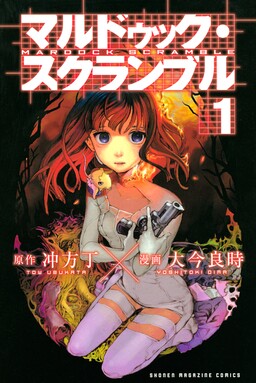
Mardock Scramble
Yu's review of Mardock Scramble — Rune Balot, a teenage prostitute, is murdered by casino mogul Shell Septinos; resurrected under Mardock Scramble 09, an emergency law that allows dead people to be brought back as cyborgs to testify, she must survive long enough to bring Shell to justice with the help of her partner Oeufcoque.

Sci-Fi / Mystery
From the New World (Shinsekai Yori)
Yu's review of From the New World — a millennium from now, a small society of psychic humans lives in apparent peace; Saki and her friends begin to notice the gaps between what they are taught and what is real, and what they discover rewrites everything they thought their world was.
Sci-Fi / Psychological
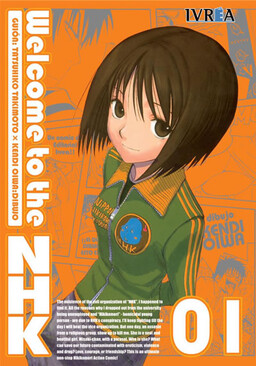
Welcome to the NHK
Yu's review of Welcome to the NHK — Tatsuhiro Sato has been a hikikomori (shut-in) for four years, convinced that Japan's public broadcaster NHK is running a conspiracy to create hikikomori; a mysterious girl named Misaki begins visiting him and offers to help him rejoin society, for reasons he cannot understand.

Sci-Fi / Thriller
Summer Time Rendering
Yu's review of Summer Time Rendering — Shinpei Ajiro returns to Hitogashima island for the funeral of his childhood friend Ushio; something is wrong; the shadows of people on the island are not quite right; Shinpei discovers a supernatural threat that copies humans through their shadows and a time loop mechanic that allows him to restart from the same point when he dies.
Sci-Fi / Military
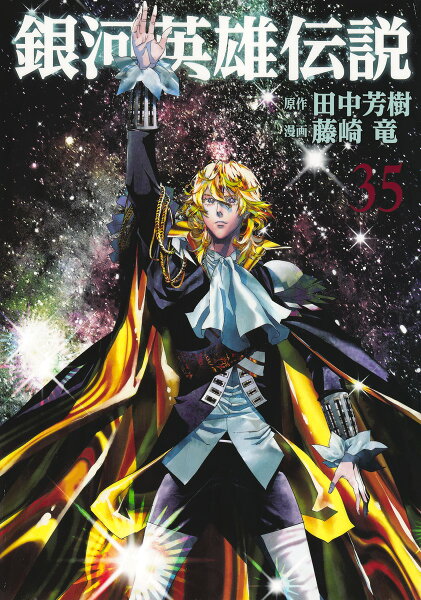
Legend of the Galactic Heroes
Yu's review of Legend of the Galactic Heroes — the manga adaptation of the classic novel series following Yang Wen-li of the Free Planets Alliance and Reinhard von Lohengramm of the Galactic Empire across a war that neither believes in the same terms as the people who sent them to fight it.
Sci-Fi / Military
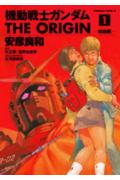
Mobile Suit Gundam: The Origin
Yu's review of Mobile Suit Gundam: The Origin — Yoshikazu Yasuhiko, the original character designer for the 1979 Gundam anime, re-adapts and expands the One Year War, giving Char Aznable the backstory the original never showed and drawing the Universal Century with 40 years of additional craft.
Written by
Yu
Manga Enthusiast from Japan
I grew up in Japan and manga literally saved me during a tough time in elementary school. My English isn't perfect, but my love for manga is real — and I want to share it with you.
Disclosure: This post contains affiliate links. As an Amazon Associate, I earn from qualifying purchases at no extra cost to you.